

The culture of Inca civilization is one of the most fascinating and influential cultures in the history of South America. Long before the arrival of Europeans in the 16th century, the Incas built one of the largest and most sophisticated empires in the Americas. Known as the Tahuantinsuyo, the Inca Empire extended across a vast region of the Andes Mountains, covering modern-day Peru, Bolivia, Ecuador, northern Chile, northwestern Argentina, and southern Colombia.
At the heart of this powerful empire was Cusco, the political and spiritual capital where rulers governed and religious ceremonies were held. The culture of Inca civilization was deeply connected to nature, community cooperation, and spiritual beliefs. Every aspect of daily life—from agriculture and architecture to religion and social organization—reflected a sophisticated understanding of the natural environment.
One reason the culture of Inca civilization continues to captivate historians, travelers, and researchers is the remarkable level of organization the empire achieved without the use of a written language or advanced metal tools. Despite these limitations, the Incas built extensive road networks, developed advanced agricultural systems, and created a society based on cooperation and collective responsibility.
Today, the legacy of the culture of Inca civilization is still visible throughout Peru and the Andes. Ancient ruins, traditional farming techniques, indigenous languages, and cultural festivals continue to reflect the influence of this extraordinary civilization.
What was the Inca civilization and where did it develop?
The Inca civilization emerged in the Andean region of South America during the early 13th century. According to historical and archaeological evidence, the Incas began as a small tribe in the valley of Cusco, gradually expanding their influence across neighboring regions.
Over time, this small group developed into a powerful state that would eventually form the largest empire in pre-Columbian America. At its peak during the 15th century, the Inca Empire stretched more than 4,000 kilometers along the Andes Mountains.
The empire was organized into four main regions known collectively as Tahuantinsuyo, meaning “the four regions together.” These regions were connected by a vast network of roads, bridges, and administrative centers that allowed the central government to control distant territories efficiently.
One frequently asked question about the culture of Inca civilization is: What was the Inca civilization known for?
The Incas are best known for their advanced engineering, agricultural innovation, and highly organized social structure. They built impressive stone cities such as Machu Picchu and developed agricultural terraces that allowed crops to grow on steep mountain slopes.
Another remarkable aspect of the culture of Inca civilization was the way the empire expanded. Instead of relying solely on military conquest, the Incas often integrated new communities through alliances, trade agreements, and cultural integration.
You might be interested in: Cusco train to Machu Picchu: the scenic journey through the heart of the Inca world

Key elements of the culture of Inca civilization
The culture of Inca civilization was built upon several key elements that shaped the structure and stability of the empire. These included religious beliefs, social organization, agriculture, communication systems, and impressive architectural achievements. Today, travelers who explore ancient routes such as the 2 day Inca Trail with camping can better understand how the Incas connected distant regions of their empire through an extraordinary network of roads and mountain pathways. These routes were essential for communication, trade, and administration across the vast territories that formed the Inca world.
Together, these elements created a society that was both efficient and deeply connected to the natural environment of the Andes.
1. Religion and spiritual beliefs
Religion played a central role in the culture of Inca civilization. The Incas believed that natural elements such as the sun, mountains, rivers, and the earth itself were sacred. Their most important deity was Inti, the Sun God, who was believed to be the ancestor of the ruling emperor.
Temples dedicated to Inti were built in major cities, especially in Cusco, where priests performed ceremonies and offerings.
2. Social organization of the Inca empire
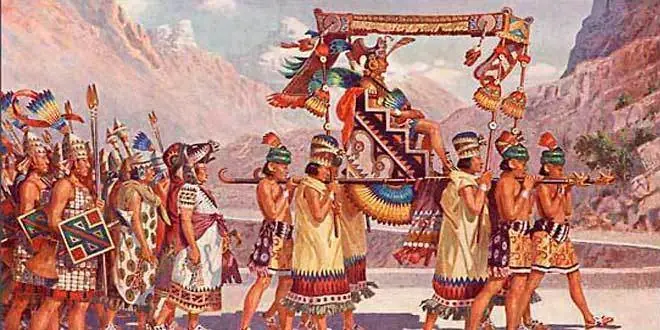
The Inca society was highly structured. At the top of the hierarchy was the Sapa Inca, the emperor who was considered a divine ruler. Below him were nobles, priests, military leaders, and administrators who helped govern the empire.
Most people belonged to community groups known as ayllus, which formed the foundation of social life in the culture of Inca civilization.
3. Agriculture and food systems
Agriculture was essential to survival in the Andes. The Incas developed sophisticated farming techniques, including agricultural terraces, irrigation canals, and crop rotation.
Potatoes, maize, quinoa, and beans were among the most important crops cultivated throughout the empire.
4. Architecture and engineering achievements
Inca architecture is widely recognized for its precision and durability. Massive stones were cut and assembled so perfectly that no mortar was needed.
Cities such as Machu Picchu demonstrate the extraordinary engineering knowledge present in the culture of Inca civilization.
5. Language and communication systems
One interesting question often asked is: What language did the Incas speak?
The primary language of the empire was Quechua, which served as a unifying language across many regions. Although the Incas did not have a traditional writing system, they used a unique recording method called quipu, consisting of knotted strings used to store numerical information.
You might be interested in: What is hiking and trekking
Daily life in the culture of Inca civilization
Daily life in the culture of Inca civilization revolved around community cooperation, agriculture, and family responsibilities. Most people lived in rural communities and worked the land to produce food for their families and the empire.
The ayllu system ensured that resources were shared among members of the community. Families worked together on farms, built homes, and participated in communal projects.
Children learned skills from their parents, including farming, weaving, and craftsmanship. Education was largely practical, focused on preparing individuals for their roles within society.
Clothing was another important aspect of daily life in the culture of Inca civilization. Textiles were highly valued and often indicated social status. Nobles wore fine garments made from alpaca or vicuña wool, while common people wore simpler clothing.
Food played a significant role in daily routines. A common question related to this topic is: What did the Incas eat in their daily life?
The typical diet included potatoes, maize, beans, squash, and quinoa. Meat from llamas, alpacas, and guinea pigs was also consumed, although it was less common.
Meals were simple but nutritious, providing the energy needed for physically demanding work in the mountainous terrain.

Religion and traditions in the culture of Inca civilization
Religion influenced nearly every aspect of life in the culture of Inca civilization. Spiritual beliefs guided agricultural cycles, political decisions, and social traditions.
The Incas believed that maintaining harmony with the gods and natural forces was essential for the prosperity of the empire.
The sun god Inti and Inca religion
Inti was the most important deity in the culture of Inca civilization. As the Sun God, Inti was believed to provide warmth, light, and agricultural fertility.
The emperor was considered Inti’s direct descendant, reinforcing the divine authority of the ruler.
Sacred ceremonies and rituals
Religious ceremonies were held throughout the year to honor the gods and ensure successful harvests. Priests performed offerings that included food, textiles, and precious metals.
These rituals were a vital part of maintaining spiritual balance within the culture of Inca civilization.
Festivals such as Inti Raymi
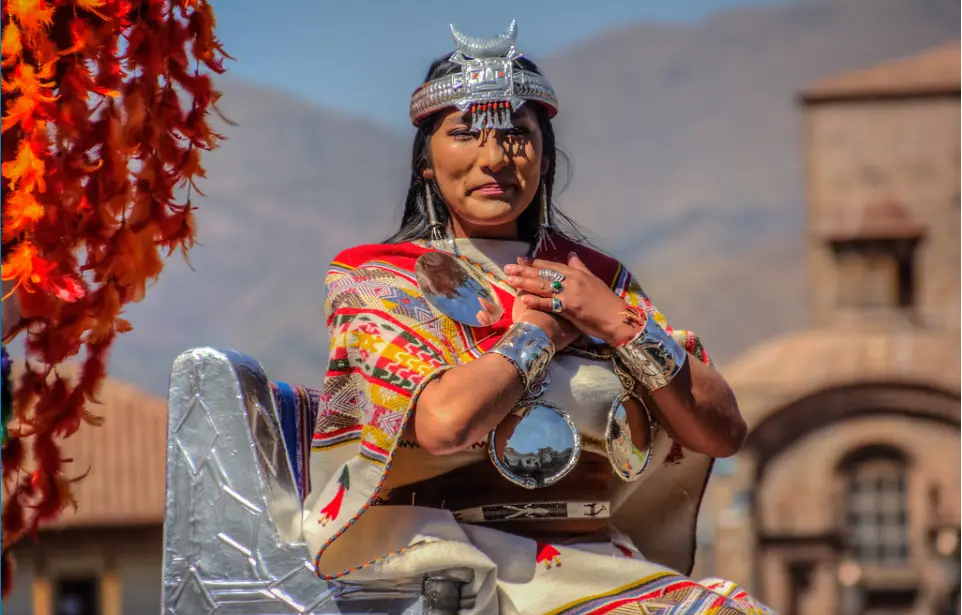
One of the most famous celebrations was Inti Raymi, the Festival of the Sun. This important ceremony marked the winter solstice and symbolized the renewal of the sun’s power.
Even today, Inti Raymi is celebrated annually in Cusco as a cultural reenactment of Inca traditions.
Sacred mountains and nature worship
Mountains, known as apus, were considered sacred spirits that protected nearby communities. The Incas believed these powerful entities controlled weather and agricultural conditions.
Respect for nature was a defining feature of the culture of Inca civilization.
The importance of ancestors
Ancestor worship also played an important role. The Incas believed that the spirits of their ancestors continued to influence the living world.
Mummies of former rulers were preserved and sometimes brought to ceremonies as part of religious traditions.
A common question is: Did the Incas believe in many gods?
Yes, the culture of Inca civilization included a complex pantheon of deities connected to natural forces such as the sun, moon, earth, and thunder.
You might be interested in: Nazca Lines Meaning and Cultural Importance
Major achievements of the Inca empire
The Inca Empire achieved remarkable advancements despite lacking technologies such as iron tools or the wheel.
One of the greatest accomplishments of the culture of Inca civilization was the construction of an extensive road network known as the Qhapaq Ñan. This system stretched more than 30,000 kilometers and connected distant regions of the empire.
Agricultural innovation was another major achievement. The Incas built thousands of terraces that prevented soil erosion and maximized farmland in mountainous areas.
Water management systems also demonstrated advanced engineering skills. Irrigation canals directed water to crops, ensuring consistent food production even in difficult environments.
Many people ask: What were the greatest achievements of the Incas?
Historians often highlight their architectural precision, road systems, agricultural terraces, and administrative organization as some of the most impressive achievements within the culture of Inca civilization.

Legacy of the culture of Inca civilization in modern Peru
Although the Inca Empire ended with the Spanish conquest in the 16th century, the legacy of the culture of Inca civilization remains deeply rooted in modern Peru.
Millions of people across the Andes continue to speak Quechua, the language once used throughout the empire. Traditional farming techniques, including terrace agriculture and crop diversity, are still practiced in many rural communities.
Cultural festivals inspired by ancient traditions also continue to be celebrated. Events such as Inti Raymi attract visitors from around the world while honoring the heritage of the culture of Inca civilization.
Traditional textiles, weaving methods, and Andean music also reflect centuries-old cultural practices that originated during the Inca period.
Today, archaeological sites like Machu Picchu, Sacsayhuamán, and Ollantaytambo stand as powerful reminders of the ingenuity and resilience of this ancient society.
Understanding the culture of Inca civilization allows us to appreciate not only the achievements of the past but also the cultural traditions that continue to shape the identity of Peru and the Andean world.

