

The Nazca Lines Meaning has fascinated historians, archaeologists, and travelers for decades. When we speak about these immense geoglyphs traced across the Peruvian desert, we are not only referring to mysterious drawings visible from the sky, but to a complex cultural message left behind by an ancient civilization. Understanding the Nazca Lines Meaning allows us to explore how art, spirituality, geography, and collective effort merged into a monumental expression of identity. In simple terms, these lines are not random shapes; they are symbols of belief, knowledge, and connection with nature.
You may also be interested in: How Holy Week in Peru Is Celebrated
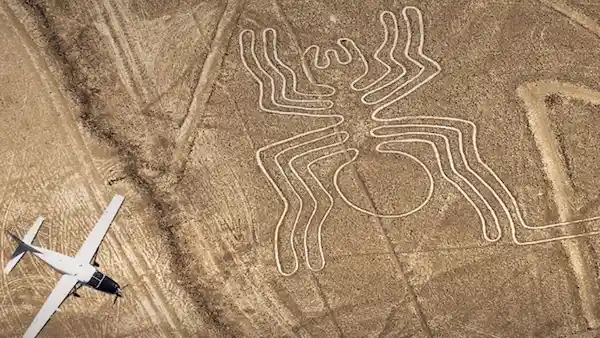
Nazca Lines Meaning: An Introduction to Peru’s Ancient Geoglyphs
The Nazca Lines Meaning refers to the purpose and symbolism behind the enormous geoglyphs etched into the desert of southern Peru, near the city of Nazca. These figures include long straight lines, geometric shapes, and large representations of animals such as hummingbirds, monkeys, and spiders. Their massive scale, visible mainly from the air, immediately suggests that they were created with careful planning and cultural intention rather than simple decoration.
To understand their significance, it is important to consider the desert environment in which they were made. The Nazca people removed dark surface stones to reveal lighter soil underneath, creating strong visual contrast. The region’s dry climate and minimal rainfall preserved the lines for centuries, demonstrating both environmental knowledge and deliberate site selection.
Scholars commonly interpret the Nazca Lines Meaning as connected to ritual and spirituality. Many researchers believe the geoglyphs were linked to agricultural ceremonies, water symbolism, or communication with celestial forces. Rather than isolated artworks, they likely formed part of a broader sacred landscape where nature, belief, and artistic expression were deeply interconnected.
Where the Nazca Lines Are Located and Why They Still Fascinate the World
The Nazca Lines are located in the arid plains of southern Peru, between the towns of Nazca and Palpa. This region forms part of one of the driest deserts on Earth, a climate that has preserved the geoglyphs for more than 1,500 years. With almost no rainfall or erosion, the lines remain remarkably intact, allowing modern visitors to witness designs created by an ancient civilization.
The ongoing global interest in these geoglyphs is closely tied to the mystery surrounding their construction. Some lines stretch for kilometers in perfectly straight paths, while others form precise geometric and animal figures. The Nazca Lines Meaning continues to spark debate among researchers, as the scale and accuracy suggest advanced planning, social organization, and a strong ceremonial purpose.
Today, observation towers and scenic flights provide aerial perspectives that reveal the full magnitude of the designs. This elevated view transforms the desert into an immense open-air gallery. Travelers who explore Peru’s cultural heritage often combining southern destinations with experiences such as a Cusco City Tour full day discover how diverse and sophisticated ancient Andean civilizations were. Seen from above, the lines reinforce the idea that their purpose was deeply connected to ritual, astronomy, and symbolic communication with the sky.
You may also be interested in:Places to Go on Valentine’s Day

Historical Background Behind the Nazca Lines Meaning
To explore the Nazca Lines Meaning in depth, we must examine the civilization that created them. The Nazca culture flourished between approximately 200 BCE and 600 CE along the southern coast of Peru. They inhabited a region defined by environmental challenges, including scarce rainfall, fragile ecosystems, and limited fertile land. Despite these constraints, they built a complex society with strong religious traditions, artistic sophistication, and advanced environmental knowledge.
The Nazca Civilization and Its Development
The Nazca civilization developed sophisticated irrigation systems, including underground aqueducts known as puquios, which allowed them to access groundwater and cultivate crops in an arid environment. Their ability to manage water resources demonstrates technical skill, cooperation, and long-term planning. Agriculture supported population growth and the emergence of ceremonial centers that reinforced shared identity.
The Nazca Lines Meaning is closely connected to this organized social structure. Creating geoglyphs on such a vast scale required collective labor, planning, and a unified belief system. These were not spontaneous creations but carefully executed projects that likely involved ritual specialists and community participation. The effort itself may have strengthened social cohesion.
Art was central to Nazca cultural expression. Their pottery features vibrant colors and stylized representations of animals, plants, and mythological beings that closely resemble the desert figures. This artistic continuity suggests that the geoglyphs were part of a larger symbolic tradition, reflecting consistent themes across different mediums.
Environmental and Geographic Conditions of the Nazca Desert
The harsh desert environment profoundly shaped the Nazca worldview. With minimal rainfall and wide open plains, survival depended on understanding natural cycles and maintaining harmony with the environment. Many scholars propose that the Nazca Lines Meaning relates to water rituals, agricultural fertility, and appeals to supernatural forces for rain.
The extreme dryness of the region played a crucial role in preserving the geoglyphs. The lack of vegetation and limited erosion ensured that once the dark stones were removed to expose lighter soil, the designs remained visible for centuries. The stable climate essentially protected the lines from significant deterioration.
Living in such an expansive and silent landscape may have inspired large-scale expressions of spirituality. The open desert functioned as a monumental canvas where beliefs could be inscribed directly onto the Earth, transforming geography into sacred space.
Archaeological Discoveries and Early Investigations
Systematic scientific study of the lines began in the twentieth century, when researchers started mapping and measuring the figures. Early investigators were astonished by the precision of straight lines and the proportional accuracy of animal shapes. Careful documentation revealed that many figures were created using simple but effective surveying techniques.
The Nazca Lines Meaning gained international attention with the development of aerial photography, which allowed the full designs to be viewed from above. This new perspective revealed patterns and shapes impossible to recognize at ground level, deepening both mystery and academic interest.
Today, archaeologists continue to investigate the region using satellite imagery, drones, and advanced mapping technologies. Ongoing discoveries of new lines and figures reinforce the idea that these geoglyphs were intentional, symbolic creations embedded within a complex cultural and spiritual system.
Main Theories Explaining the Nazca Lines Meaning
Over the years, scholars have proposed multiple interpretations to better understand the Nazca Lines Meaning. Although no single theory has been universally accepted, each perspective offers important context about the cultural, scientific, and spiritual world of the Nazca civilization. Rather than contradicting one another, many of these theories may complement each other, suggesting that the geoglyphs served more than one purpose within society.
Astronomical Interpretations
One prominent theory proposes that some of the lines functioned as astronomical markers. Researchers have observed that certain alignments appear to correspond with solar events such as solstices or horizon points where the sun rises and sets during specific times of the year. If intentional, this would suggest that the Nazca people carefully observed celestial cycles and integrated that knowledge into their landscape.
The concept of a vast desert observatory continues to capture public imagination. The open plains would have provided clear views of the sky, making them suitable for tracking seasonal transitions essential for agriculture. However, because not all lines align consistently with astronomical phenomena, scholars debate whether celestial observation was the primary function or only one component of a broader symbolic system.
Religious and Ritual Significance
Another widely supported interpretation frames the Nazca Lines Meaning as fundamentally religious. Many archaeologists believe the lines may have served as ceremonial pathways used during ritual processions. Participants could have walked along the straight lines or gathered around animal figures as part of collective spiritual practices dedicated to deities connected to nature and fertility.
This perspective emphasizes communal participation. The physical act of constructing and walking the lines would have reinforced unity, shared identity, and devotion. In this sense, the desert landscape itself became a sacred stage where belief systems were enacted on a monumental scale. The scale of the designs may have symbolized offerings visible to divine forces above.
Water and Agricultural Symbolism
Water was vital for survival in the arid Nazca region, making it central to religious life and symbolism. Many scholars associate the Nazca Lines Meaning with rituals intended to invoke rainfall, ensure fertile harvests, or honor water sources. Animal figures such as birds or amphibians may have represented natural forces believed to influence climate and agricultural cycles.
This theory connects the geoglyphs directly to environmental survival. In a region where rainfall was unpredictable, large-scale ritual expressions may have reflected both reverence and concern for sustaining life. The desert surface thus became a medium through which communities expressed hope, gratitude, and spiritual appeals.
Today, travelers seeking deeper historical context often explore interconnected cultural landscapes through experiences such as Special tours peru, which link coastal and highland heritage sites. By understanding Nazca alongside other sacred regions, visitors gain broader insight into how ancient Peruvian societies integrated spirituality, environment, and collective identity into enduring monumental expressions.
You may also be interested in:Inca Textiles and Their Cultural Meaning

Iconic Figures and Symbols in the Nazca Lines Meaning
The Nazca Lines Meaning is most clearly expressed through its iconic figures, including the hummingbird, monkey, spider, whale, and condor. Each design stretches across the desert with impressive precision and proportion, some extending for hundreds of meters. Their scale and clarity suggest intentional planning and a strong symbolic purpose rather than simple artistic decoration.
Researchers have proposed various interpretations for these images. The hummingbird is often linked to vitality or spiritual connection, while the spider may symbolize fertility or rainfall—both essential themes in a desert environment. Marine and bird figures further reflect the Nazca worldview, where animals represented natural forces and cosmic relationships, reinforcing the symbolic depth behind the Nazca Lines Meaning.
Understanding these figures also invites comparison with other sacred Andean landscapes, where spirituality and geography are closely intertwined. Travelers who later explore highland sites through experiences such as a Huayna Picchu tour full day often recognize similar patterns of symbolic integration between nature and belief. Ultimately, the Nazca Lines Meaning revealed in these desert images reflects a worldview in which animals, humans, and cosmic forces were inseparably connected.
Cultural Importance of the Nazca Lines in Ancient Peru
The cultural importance of the Nazca Lines extends beyond their visual impact. They represent collective identity, shared knowledge, and spiritual devotion.
Ceremonial Pathways and Sacred Landscapes
Some researchers propose that certain straight and geometric lines functioned as ceremonial pathways. Walking along these routes may have been part of ritual activities connected to fertility, seasonal change, or communication with deities. The Nazca Lines Meaning in this interpretation reflects movement, pilgrimage, and symbolic journeys across a sacred terrain.
The desert itself was not perceived as empty space. Instead, it formed a living spiritual landscape where mountains, horizons, and open plains held symbolic significance. By carving lines into the earth, the Nazca people transformed the ground into a monumental canvas of faith. The Nazca Lines Meaning, therefore, may represent a physical dialogue between humans and divine forces expressed directly upon the land.
Social Organization and Collective Effort
Constructing the geoglyphs required coordination, planning, and sustained collaboration. This indicates that the Nazca society possessed structured leadership and a shared ideological framework capable of mobilizing collective labor. The Nazca Lines Meaning thus includes themes of unity, cooperation, and organized communal purpose.
The process of creating the lines may have been as meaningful as the finished designs. Participating in large-scale construction would have reinforced social bonds and strengthened a sense of belonging. Through shared effort, communities expressed devotion while simultaneously affirming identity and mutual responsibility.
Connection Between Nazca and Later Andean Civilizations
Although the Nazca civilization existed long before the Inca, clear cultural continuity can be seen across Andean history. Later societies also united ritual, astronomy, art, and landscape within shared spiritual systems. In this wider context, the Nazca Lines Meaning forms part of a long tradition of expressing belief directly onto the land.
Archaeological evidence throughout the Andes shows similar sacred orientations and symbolic designs, suggesting that core ideas endured over time. The Nazca Lines Meaning therefore represents not an isolated phenomenon, but an early expression of a worldview that continued to shape ancient Peru for centuries.
You may also be interested in: How many days do you need in Peru?
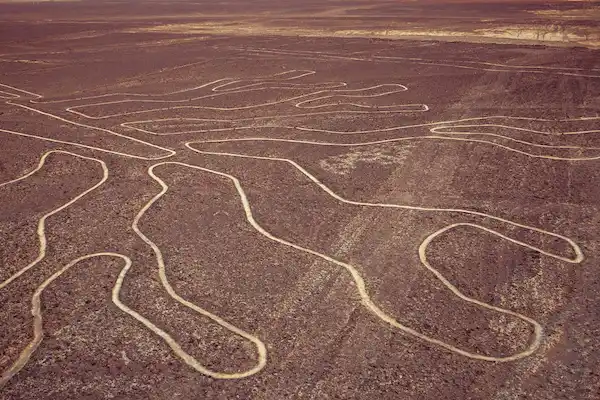
Preservation Challenges and Modern Recognition of the Nazca Lines Meaning
Although the geoglyphs have endured for more than a millennium due to the desert’s stable climate, they are not immune to modern pressures. Urban expansion, informal settlements, vehicle tracks, and unauthorized access have caused localized damage in certain areas. Climate variations and unexpected weather events also present new risks. Safeguarding the site requires coordinated action between local authorities, archaeologists, international organizations, and responsible visitors. Protecting the Nazca Lines Meaning today involves balancing public access with strict conservation measures.
Global recognition has strengthened these preservation efforts. The site was inscribed as a UNESCO World Heritage Site by UNESCO, acknowledging its outstanding universal value. This designation emphasizes that the Nazca Lines Meaning is not only significant to Peru but to humanity as a whole. International attention has encouraged research, monitoring programs, and educational campaigns that promote awareness of its fragility.
Cultural tourism initiatives across Peru also play a supportive role in heritage appreciation. Experiences such as Pallay punchu full day connect visitors with living Andean traditions, fostering broader respect for ancestral knowledge and artistic expression. By encouraging cultural understanding and responsible travel, these initiatives contribute indirectly to the preservation of ancient landmarks, reinforcing the importance of protecting sites like the Nazca desert for future generations.
Safeguarding the Nazca Lines Meaning ensures that future generations can continue to study and admire this extraordinary achievement.
Why the Nazca Lines Meaning Still Matters Today
Even centuries after their creation, the Nazca Lines continue to inspire curiosity and reflection. Their scale, preservation, and symbolism invite modern audiences to think beyond mystery and consider their deeper cultural significance. The Nazca Lines Meaning remains relevant because it connects ancient knowledge with contemporary concerns about identity, sustainability, and humanity’s relationship with nature.
- Connection between humanity and nature: The Nazca Lines Meaning reflects an enduring desire to communicate with the environment and the cosmos. These monumental designs show how ancient societies expressed spiritual ideas directly onto the landscape.
- A lesson in sustainability and harmony: The geoglyphs have survived for centuries largely because they were created in balance with their surroundings, demonstrating respect for environmental conditions.
- Collective effort and shared vision: Their construction required cooperation and long-term organization, reminding us that great cultural achievements emerge from unity and shared belief.
- Art beyond aesthetics: Understanding the Nazca Lines Meaning allows us to appreciate intentional artistry, where culture, spirituality, and geography merge into a powerful and lasting expression of identity.
Conclusion: Echoes Written on the Desert
The Nazca Lines Meaning is more than a historical curiosity; it is a living reminder of human creativity and faith. These vast desert drawings show how an ancient society transformed landscape into sacred expression. Their survival through centuries speaks to careful design and environmental harmony. When we reflect on their purpose, we discover a message about unity, respect for nature, and collective effort. In a simple yet powerful way, the Nazca Lines Meaning continues to inspire wonder and thoughtful admiration.

