

Traveling along the Andean Map is more than just travel; it is an experience that embodies the spirit of the Andes through its physical cultures, peoples and traditions which transcend time. Each elevation is as different as the weathered stones in the Sacred Valley of Cusco and the brilliant surface of Lake Titicaca in Puno. Emerging from a mountainous heart are the stories, abilities, and voices of Peru.
The itinerary encourages you to unwind, breathe in the mountain air, and jaunt along with the rhythm and pace of Southern Peru. The Sacred Valley reveals Inca brilliance, Machu Picchu suggests mystery and spiritual life, while Puno provides wisdom through centuries of living with nature. What awaits, is more than travel; it is a type of awakening that remains with you long after you have departed our land.
Following the Andean Map begins in Cusco, the historic heart of the Inca Empire comes to life as you walk each cobblestone street and away from sun-lit plazas. From Cusco, you meander through valleys, heights of mountains, and villages moving steadfast with tradition of the Andes, each stop inviting you to imagine a Peru that is consistency and not a destination travel experience.
You may also like: Cusco adventure travel for beginners

The beginning of Tracing the Andean Map
Every great story begins somewhere high, and in this case, it begins in Cusco, the former capital of the Inca Empire. Tracing the Andean Map here feels like opening a living textbook, surrounded by stone streets, temples, and mountains that whisper old stories. The city is not just a stop on the way to Machu Picchu but the beating heart of the Andes. It’s where the connection between past and present becomes tangible.
Wandering through San Blas or standing before the stones of Sacsayhuamán, you start to understand why Cusco was considered the center of the world by the Incas. Each path, each temple, and each local encounter adds a new piece to your own Andean map, one that combines both geography and emotion. It’s a place that invites reflection and curiosity, the perfect starting point before exploring the rest of Southern Peru.
The essence of the Sacred Valley
Heading north from Cusco, the landscape softens into the Sacred Valley. Here, the Andean Map unfolds into shades of green and gold, framed by mountains and rivers. The valley feels alive, not only because of its natural beauty but because of its people and their traditions. It’s one of those places where modern travelers can truly feel the rhythm of ancient life.
In this part of your journey, the Cusco Sacred Valley Tour becomes more than a route; it’s an immersion. From Pisac’s colorful markets to Ollantaytambo’s monumental terraces, each stop tells a different story about Andean resilience and connection to the land. Farmers still cultivate quinoa and corn as their ancestors did, and artisans weave fabrics that reflect centuries of symbolism.
The Sacred Valley invites you to slow down, to breathe the mountain air and listen. It’s where Tracing the Andean Map turns into an intimate dialogue with the past. The energy that flows through the Urubamba River feels like a bridge between ancient times and your own journey.
Discovering life within the Valley
Heading north from Cusco, the landscape softens into the Sacred Valley. Here, Tracing the Andean Map unfolds into shades of green and gold, framed by towering mountains and winding rivers. The valley feels alive, not only because of its natural beauty but because of its people and their enduring traditions. It’s one of those rare places where modern travelers can truly sense the heartbeat of ancient life.
In this part of your journey, the Cusco Sacred Valley Tour becomes more than a route; it’s an immersion into Andean culture. From Pisac’s colorful markets to Ollantaytambo’s monumental terraces, each stop tells a story about resilience, devotion, and connection to the land. Farmers still cultivate quinoa and corn as their ancestors did, while artisans weave intricate fabrics that mirror the colors of the mountains.
The Sacred Valley through the Andean Map
Following Tracing the Andean Map through the Sacred Valley means experiencing the Andes beyond their landscapes. It’s a chance to witness how communities preserve rituals, music, and agriculture that have endured for centuries. The scent of earth after rain, the rhythm of the rivers, and the echo of Quechua voices blend to form a living tapestry of Andean heritage.
The Sacred Valley invites you to slow down, breathe the thin mountain air, and listen. It’s where Tracing the Andean Map transforms into an intimate dialogue with the past. The energy that flows through the Urubamba River feels like a bridge between ancient times and your own journey, reminding you that the spirit of the Andes is not only seen but deeply felt.
You may also like: The Best Trekking in Peru: Routes, Tips, and Unique Experiences
Machu Picchu and the spirit of discovery
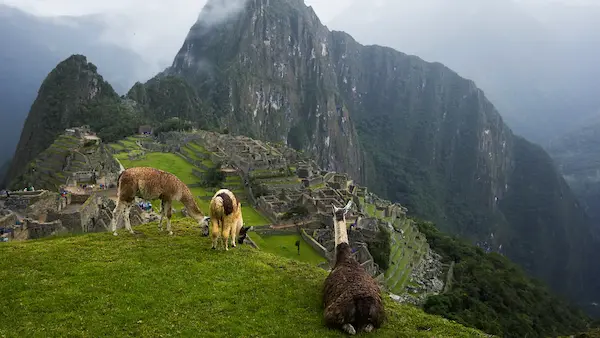
No Andean route would be complete without reaching the most iconic destination of all: Machu Picchu. Hidden among the clouds, this Inca citadel is the kind of place that humbles even the most experienced travelers. The Machu Picchu Tours experience is not only about the photographs or the ruins themselves; it’s about the feeling of standing somewhere that defies time.
As you trace the Andean Map further, Machu Picchu becomes a turning point. It teaches you that the Andes are not only about landscapes but also about perspective. The climb to the Sun Gate or the view from Huayna Picchu changes the way you see the world below. Everything feels still, eternal, as if the mountains are holding their breath.
Many travelers choose to continue from Machu Picchu back to Cusco before turning south toward Puno. This transition marks a new phase in the adventure, one where altitude rises again, and the Andes begin to show their quieter, more spiritual side.
Following the Andean route to the South
The road from Cusco to Puno is a journey in itself. It’s the literal thread that connects the two main points on your Andean Map. Along this route, you pass through small villages, snow capped peaks, and archaeological sites that often go unnoticed by hurried travelers. Yet, these places are the essence of an authentic Andean travel experience.
This stretch of your Cusco to Puno itinerary is rich in both culture and scenery. Stops like Raqchi, with its grand Wiracocha temple, or Andahuaylillas, known as the “Sistine Chapel of the Andes,” are reminders that history doesn’t live only in museums. Each town offers a glimpse into how deeply the Andean worldview is woven into everyday life.
As the bus or car climbs higher, the air gets thinner, the horizon widens, and you realize that the Andean route is not just a path on a map. It’s a timeline of civilization. Every stone, every field of alpacas, and every market woman in a colorful shawl adds meaning to Tracing the Andean Map.
Unveiling the road between Cusco and Puno
The road from Cusco to Puno is a journey in itself. It’s the literal thread that connects the two main points on your Andean Map. Along this route, you pass through small villages, snow capped peaks, and archaeological sites that often go unnoticed by hurried travelers. Yet, these hidden places are the essence of an authentic Andean travel experience quiet, timeless, and deeply human.
As you continue Tracing the Andean Map, every curve of the road reveals something new: herds of llamas grazing on high plateaus, locals selling handmade textiles, and the scent of eucalyptus drifting through the crisp air. It’s a sensory immersion that grounds you in the heart of the Andes, reminding you that this map isn’t just a guide, it’s a living story written by generations of people who call these mountains home.
Ancient stories along the Andean Map
This stretch of your Cusco to Puno itinerary is rich in both culture and scenery. Stops like Raqchi, with its grand Wiracocha temple, or Andahuaylillas, known as the “Sistine Chapel of the Andes,” remind you that history doesn’t only live in museums. Each town offers a glimpse into how deeply the Andean worldview is woven into everyday life.
As the bus or car climbs higher, the air grows thinner, the horizon widens, and you realize that the Andean route is not just a path on a map, it’s a timeline of civilization. Every stone, every field of alpacas, and every market woman in a colorful shawl adds meaning to Tracing the Andean Map, transforming your journey into a living connection between past and present.
You may also like: Travel inspiration: How to plan a trip to Machu Picchu
Arrival in Puno: where the Andes meet the water
Puno feels like a gentle ending to a powerful story. At more than 3,800 meters above sea level, the city rests on the shores of Lake Titicaca, the highest navigable lake in the world. The landscape is striking, with light that shifts from silver to blue as the day unfolds. Here, Tracing the Andean Map reaches its emotional peak.
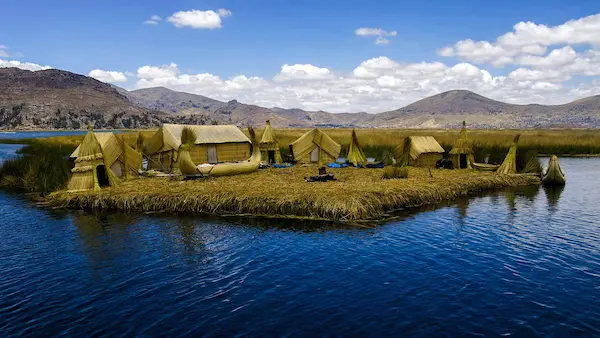
Joining one of the Puno Tours is the perfect way to understand why this region holds such spiritual weight in Andean culture. The floating Uros Islands, built from layers of totora reeds, are a marvel of human ingenuity. Walking on them feels surreal, as if stepping on something between land and water. Meeting the local families and hearing their stories gives you a glimpse into traditions that have survived for centuries.
Further across the lake, the islands of Taquile and Amantani offer a deeper sense of peace. Their silence, broken only by the wind and the occasional song of a boatman, allows you to reflect on everything you’ve seen. This is the final chapter of your Sacred Valley to Titicaca tour, and it captures the essence of the Andean soul: community, endurance, and harmony with nature.
Culture, connection, and continuity
What makes Tracing the Andean Map so special is not just the destinations but the invisible lines that link them. Cusco, Machu Picchu, the Sacred Valley, and Puno are all parts of a single story that continues to evolve. You don’t simply move through space; you move through time and meaning.
Throughout your Andean travel experience, you’ll notice how locals preserve traditions that echo ancient beliefs. Festivals filled with music and color, offerings to Pachamama, and rituals of gratitude remind you that spirituality here is not something separate from daily life. The Andean worldview, built on respect for nature and community, offers a powerful lesson for modern travelers.
Even as you return home, you carry a piece of that understanding with you. The Andean Map isn’t something that ends when the trip is over; it becomes part of who you are. It changes how you see the world, and maybe even how you walk through it.
Practical notes for travelers
For those planning to follow this route, understanding logistics can make your journey smoother. The Cusco to Puno itinerary can be done in different ways: by bus, train, or private car. The journey takes around 8 to 10 hours by road, with multiple scenic stops along the way. If you have time, consider staying overnight in one of the local communities around Lake Titicaca to experience daily Andean life up close.
Altitude is an important factor. Cusco sits at about 3,400 meters, while Puno is even higher. Give your body time to adjust, drink coca tea, and move slowly at first. The reward for your patience will be breathtaking views and encounters that feel entirely genuine.
A typical Southern Peru adventure lasts between 7 and 10 days, combining Cusco, the Sacred Valley, Machu Picchu, and Lake Titicaca. This combination captures the best of Peru’s natural beauty and cultural richness while following the rhythm of the Andes themselves.
The quiet power of the Andes
There’s a certain silence that lives in the mountains, one that speaks louder than words. As you trace the Andean Map from Cusco to Puno, that silence becomes familiar. It’s not emptiness, but presence. The presence of wind, water, stone, and history intertwined.
Many travelers describe feeling a deep connection here, something beyond tourism or sightseeing. The Andes don’t rush you; they invite you to listen. Each destination, from Machu Picchu’s terraces to Lake Titicaca’s floating homes, adds to the quiet strength of this land. You realize that the beauty of the Andean route lies not only in what you see but in how it makes you feel.
A journey that stays with you
By the time you finish Tracing the Andean Map, you’ll have crossed landscapes that shift from green valleys to golden plains and deep blue waters. But more than that, you’ll have gathered moments that stay with you. A smile shared with a local farmer. The sound of the wind over the ruins of Pisac. The mirror like reflection of the sky in Lake Titicaca.
Every element of this journey, from the Cusco Sacred Valley Tour to the Puno Tours, is part of a greater whole. The Andean Map is not just geography; it’s emotion, discovery, and connection. It reminds you that the world still holds places where tradition breathes and time slows down enough for you to truly feel.
You may also like: Travel to Peru: Where Ancient Civilizations Meet Living Traditions
Closing reflections
It’s a humbling experience to recognize that you have walked the same paths that civilizations did centuries before. Following the Andean Map is not only about a route through Southern Peru, it is about learning how those mountains, valleys, and lakes keep living today.
The Andes do not simply represent a destination, rather they are a presence, which offers you the lessons of the quiet strength of endurance and the beauty of balance. Regardless of whether you begin your adventure with Machu Picchu Tours or conclude with the sun setting over Lake Titicaca, the message doesn’t change, every experience through the Andes is a renewal of connection.
Once you leave, the Andean Map remains with you. It is an integral part of your story: travel is never just travel; it’s a reformation. And somewhere between the Sacred Valley and the floating islands of Puno, you come to discover that your true destination was not on the map, rather, it was inside of you.

