
The history of Sacsayhuamán is one of the most fascinating stories you can explore in Peru. If you’re a first-time visitor to Cusco, learning about this ancient site will help you understand the rich culture of the Inca civilization. This post will guide you through everything you need to know, using simple words and clear ideas, so even if you know nothing about history, you’ll still enjoy every part.
What is Sacsayhuamán?
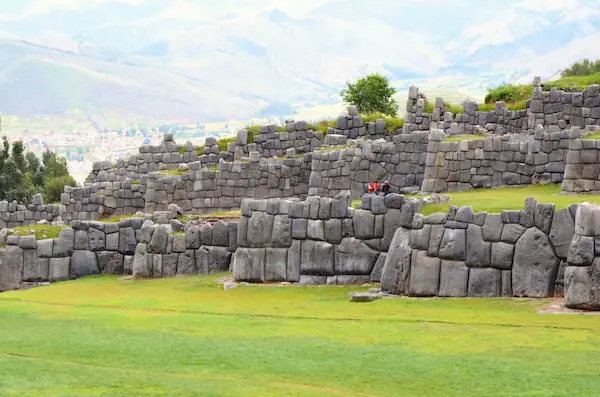
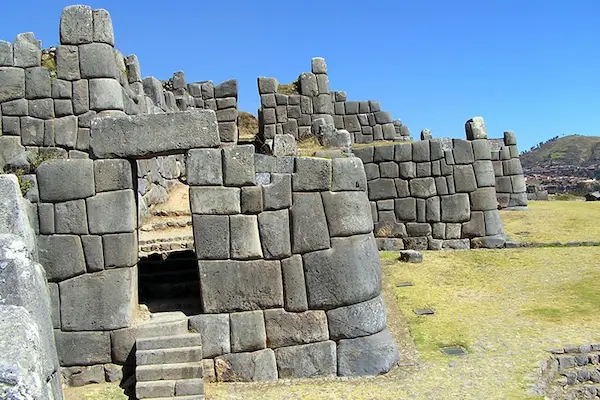
Sacsayhuamán is a large archaeological site located just above the city of Cusco, the old capital of the Inca Empire. It’s famous for its huge stone walls built with giant rocks that fit perfectly together without any cement. Some stones are as tall as a house and weigh more than a truck! Yet, the Inca people managed to move and place them using only their hands, ropes, and smart ideas. That’s one reason why the history of Sacsayhuamán amazes people.
Sacsayhuamán was more than just a wall or a fortress. It was a sacred place. Many experts believe that ceremonies and festivals were held here, especially for Inti Raymi, a festival to honor the Sun. Others think it also had a military purpose. What we do know for sure is that the architecture shows the power and intelligence of the Incas.
You may also be interested in: Cultural tours in Peru : From Inca ruins to living traditions
Cusco’s past and the history of Sacsayhuamán
To understand the history of Sacsayhuamán, you first need to know a little about Cusco. Long ago, Cusco was the center of the Inca Empire, which ruled a large part of South America. The Inca people believed that Cusco was the “navel of the world,” the most important place on Earth.
Sacsayhuamán was built to protect and honor this sacred city. Some parts were probably started during the rule of Inca Pachacúcutec, who changed Cusco into a beautiful city with temples, palaces, and roads.
Cusco is not the oldest city in the world, but it is one of the oldest cities in South America that has been continuously lived in. People have been living here for over 3,000 years. That’s why the history of Sacsayhuamán feels alive even today.
You may also be interested in: Best hikes in Peru : Unforgettable trails and adventures
What was Sacsayhuamán used for?
No one knows everything about what Sacsayhuamán was used for, but we have some good ideas. Historians think it was used for:
- Religious ceremonies: The Incas worshiped the sun, moon, and nature. They likely held special events here.
- Military defense: Its high position made it a good place to watch over Cusco and protect it from enemies.
- Community gatherings: People came together here for festivals and celebrations, especially during Inti Raymi.
Because of all these uses, the history of Sacsayhuamán teaches us that it was more than a building it was a heart of culture and life.
How was Sacsayhuamán built?
This is one of the biggest mysteries. The Inca builders didn’t have metal tools or wheels, yet they shaped and placed giant stones with amazing accuracy. Here’s how they might have done it:
- Cutting the stones: They used harder rocks to slowly shape the big stones.
- Transporting the stones: They rolled them on logs or dragged them with ropes.
- Fitting them together: They polished the edges so well that not even a knife can fit between the stones.
The history of Sacsayhuamán proves the Inca were master builders.
The architectural wonder of Sacsayhuamán
Sacsayhuamán is not just a historical site it’s a true masterpiece of Inca engineering. When you first walk along its giant stone walls, you can’t help but ask: How did they build this? Let’s explore the secrets behind its construction.
How were the stones transported and carved?
One of the most amazing things about the history of Sacsayhuamán is how the Incas moved such enormous stones. Some of the blocks weigh more than 100 tons! The Incas didn’t have wheels, cranes, or metal tools like we do today. So how did they manage it?
Experts believe they used ropes, logs, and ramps to move the stones. Workers would drag the blocks from quarries located several kilometres away. Then, they would carefully shape each stone by hand, using smaller rocks and patience. Even without modern machines, they achieved an incredible level of precision.
Why the walls are built in zigzag
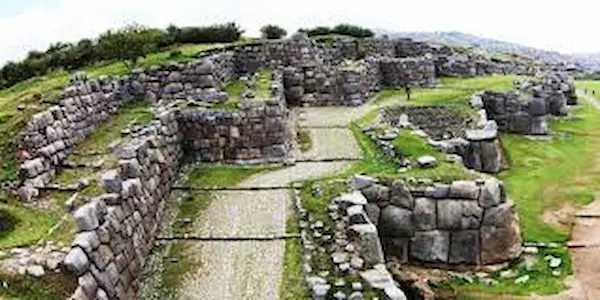
If you look closely at the walls of Sacsayhuamán, you’ll notice they’re not straight. Instead, they form a zigzag pattern. But this wasn’t just for decoration it had a purpose.
The zigzag design helped make the structure stronger. Peru is an area with many earthquakes, and the Incas were smart. The angled walls absorbed shocks and prevented the stones from falling. This clever design is one reason why the ruins have survived for so long.
Some also say the shape represents the teeth of a puma, an animal that was sacred in Inca culture. Cusco itself was said to be shaped like a puma, and Sacsayhuamán was believed to be its head.
Can modern technology explain their precision?
Today, even with lasers and computers, it would be very difficult to copy what the Incas built. The stones at Sacsayhuamán fit together so perfectly that you can’t even slide a sheet of paper between them.
So, how did they do it?
Some archaeologists think the Incas used a “trial and error” method placing stones again and again until they fit perfectly. Others believe they used wooden moulds to trace the shape of each block. But no one knows for sure.
The history of Sacsayhuamán still holds many mysteries, and that’s what makes it so exciting to visit. As you walk among the stones, you’ll realise that this is more than just a ruin it’s a puzzle left behind by a brilliant civilisation.
You may also be interested in: Low budget plans to explore the best of southern Peru
Legends behind Sacsayhuamán and Cusco
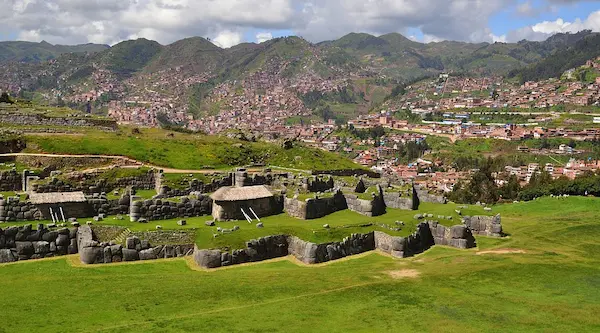
There are many stories and myths about Cusco and Sacsayhuamán. One famous legend says that the city of Cusco was shaped like a puma (a wild cat), and Sacsayhuamán was its head. This shows how important the site was in the eyes of the Inca people.
Another story tells of spirits that helped the builders, or that the stones themselves moved with the help of magic. Whether you believe in these legends or not, they are a fun part of the history of Sacsayhuamán.
What can you see at Sacsayhuamán today?
When you visit, you’ll see the zigzagging walls made of giant stones. Some areas are still standing strong, while others have been damaged by time and people. You can also see wide open spaces where events used to take place.
Be sure to visit:
- The main plaza: A big open space where celebrations happened.
- The three walls: Built in a zigzag shape, each stone is a puzzle piece.
- The towers: Although mostly gone, they once stood tall and gave amazing views.
Seeing these places helps you imagine what life was like, and it makes the history of Sacsayhuamán feel real.
Why Sacsayhuamán matters today
Even though it was built hundreds of years ago, Sacsayhuamán is still important. It’s a UNESCO World Heritage Site and a symbol of Peru’s rich past. Local people still honor it, especially during Inti Raymi.
For tourists, it offers a chance to walk through real Inca history. For Peruvians, it represents pride in their roots. The history of Sacsayhuamán connects the past to the present.
Conclusion: Step into the past
The history of Sacsayhuamán is a story of amazing construction, powerful culture, and deep meaning. Even if you’re not a history expert, visiting this site will teach you something new. Its walls hold secrets from long ago, and its beauty continues to impress people from around the world.
If you’re visiting Cusco for the first time, make sure Sacsayhuamán is on your list. Walk among the stones, feel the energy, and imagine the people who once stood where you stand now. You’ll leave with more than photos you’ll take home a piece of the history of Sacsayhuamán in your heart.

