
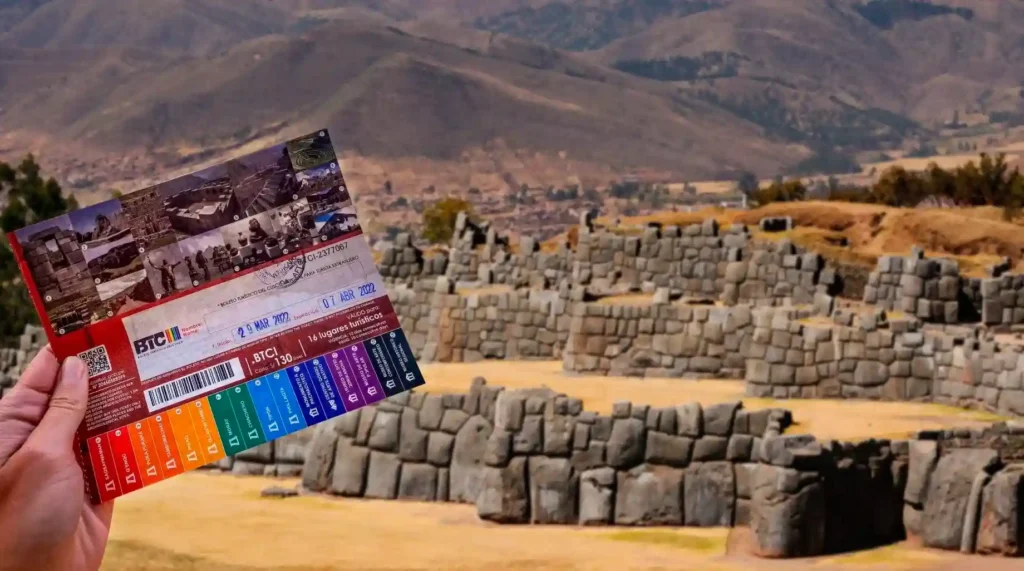
If you’re planning a trip to Cusco, you’ll surely want to take advantage of every moment and not miss any of the cultural and historical richness the city and its surroundings offer. This is where the Cusco tourist ticket comes in, the most practical way to access the main tourist attractions, from impressive archaeological sites to museums that tell the story of the Incas.
With this ticket, you not only save time and money, but you also ensure a complete experience, walking through streets steeped in history and discovering secrets that make Cusco a unique place in the world. Get ready to learn the complete guide for your next trip and enjoy the best places.
What is the Cusco tourist ticket?
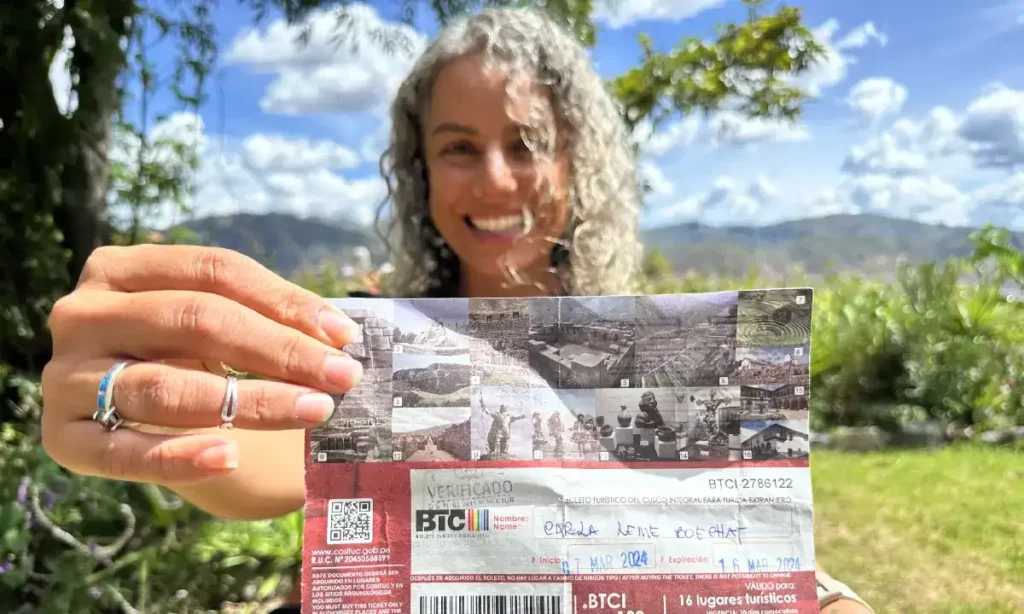
The Cusco Tourist Ticket (BTT) is your official pass to the region’s historical and archaeological heritage. It is a personal, non-transferable document that grants you temporary entry to archaeological sites, monuments, museums, and historical sites administered by the Ministry of Culture. Simply put, it’s your key to the Inca legacy you’ve come to discover. It’s important to understand that without this ticket, access to most major archaeological sites will be impossible. Therefore, planning your purchase is essential for your experience in Cusco.
You may also be interested in: All about cultural traditions in Peru
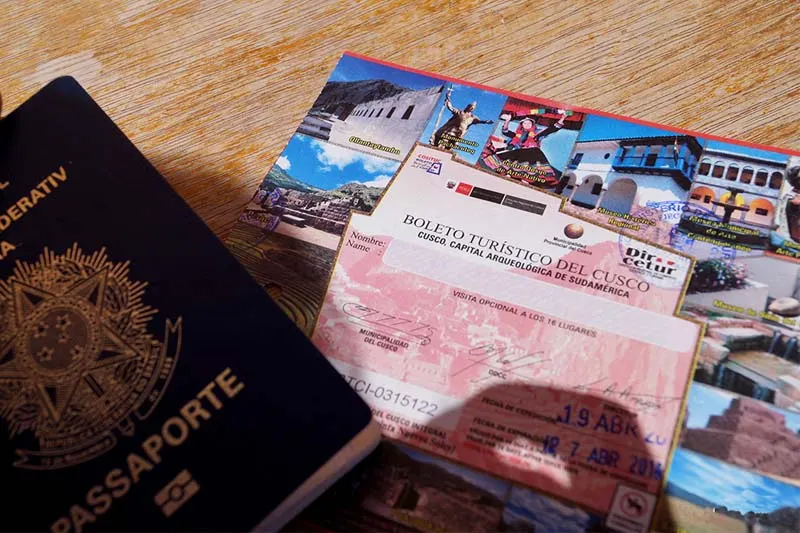
Where to buy Cusco tourist tickets
One of the most frequently asked questions is where to purchase a tourist ticket safely and hassle-free. And as experts in the imperial city of Cusco, we share the best options, from the most convenient to the most affordable.
COSITUC – Main office (Most recommended option)
The main office of the Cusco Integrated Cultural Tourism Services Committee is located at 103 El Sol Avenue, in the historic center of Cusco. This is the official and most reliable sales point, where you can be sure of purchasing authentic tickets without additional charges.
- Hours of Operation: Monday to Sunday, 7:00 AM to 6:00 PM
- Advantages: Official prices, specialized service, complete information
- Recommendation: Ideal for purchasing on the first day of your arrival
Alejandro Velasco Astete International Airport
- For maximum convenience, you can purchase your tourist ticket directly upon arrival in Cusco. The sales point at the airport operates during commercial flight hours and allows you to start your tourist experience immediately.
- Advantages: Total convenience, avoiding additional travel
- Note: There may be lines during peak season (May to September)
Authorized tourism agencies
- Officially registered tourism agencies can sell you tourist tickets, although they generally carry a 10-15% service charge. This option is convenient if you’re already booking other tourist services.
- Advantages: Comprehensive service, personalized advice, easy payment
- Consideration: Cost slightly higher than the official price
Direct purchase at tourist sites
All archaeological sites included in the tourist ticket have their own ticket offices where you can purchase your ticket. However, we recommend this option only as a backup, especially if you are planning a Cusco to lake Titicaca tour, to ensure your schedule and visits are fully organized in advance.
You may also be interested in: Climb Sunday: The best partner at your Peruvian experience
Cusco tourist ticket price
We believe it’s essential that our travelers know the exact prices before their arrival to properly plan their travel budget. That’s why the prices we share with you are updated and are the official prices valid until 2025.
Comprehensive Tourist Ticket (BTC-I)
Price: S/ 130.00 Peruvian soles (approximately $35 USD)
Validity: 10 calendar days from first use
Includes: 16 major archaeological sites and museums
Ideal for: Stays of 4 days or more in Cusco and the Sacred Valley
Partial circuit tickets
Price: S/ 70.00 Peruvian soles (approximately $19 USD) per circuit
Validity: 2 calendar days from first use
Available options: 3 different circuits
Ideal for: Travelers with limited time or specific interests
Preferential rates for peruvian residents
The pricing system recognizes Peruvian citizens with significantly reduced rates, promoting domestic tourism and awareness of the national heritage.
For Peruvian Citizens:
Full Ticket: S/ 70.00 soles
Partial Tickets: S/ 40.00 soles each
Requirement: Present a valid Peruvian ID
Special discounts and student rates
University Students (National and International):
Full Ticket: S/ 70.00 soles (46% discount for foreigners)
Requirements: Valid university ID + ID
Validation: The ID must be current and have a photo of the bearer
Minors under 18
Full Ticket: S/ 70.00 soles
Requirement: ID that proves age
Accompaniment: Children under 12 must be accompanied by a responsible adult.
You may also be interested in: Incas Expeditions: Your best option as a Peru travel agency
How many types of Cusco tourist tickets are there?
The Cusco tourist ticket system is designed to adapt to different types of travelers and budgets. As tour operators with years of experience, we’ve observed that choosing the right ticket type can make the difference between a satisfactory tourist experience and a truly memorable one.
1. The Complete Ticket (BTCI)
This is, without a doubt, the most recommended option for visitors staying in Cusco and its surroundings for 4 days or more. Costing S/. 130.00 for foreigners and valid for a generous 10 days, it gives you full access to 16 major tourist sites that represent the best of Cusco’s cultural heritage.
The main advantage of the complete ticket lies in its time flexibility and the ability to visit both the city’s archaeological sites and museums, creating a comprehensive tourist experience that ranges from majestic Inca fortresses to contemporary cultural expressions. For those planning extended treks, pairing your visit with inca trail glamping offers a unique accommodation experience, allowing you to rest comfortably in style while fully enjoying the adventure.
Which sites does it include?
Main Archaeological Sites:
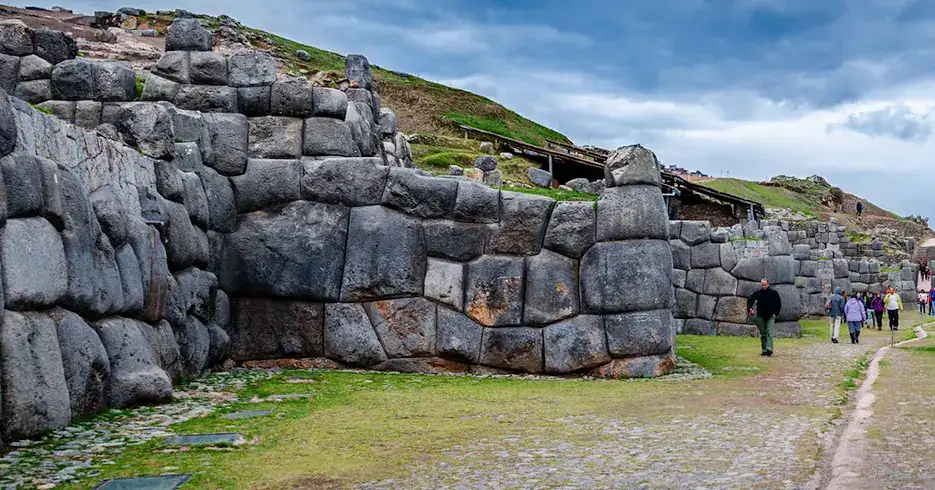
- Sacsayhuamán: The impressive ceremonial fortress with stone blocks weighing up to 125 tons
- Q’enqo: The enigmatic ceremonial center with canals carved into the rock
- Puka Pukara: The “Red Fortress,” Inca checkpoint on the Royal Road
- Tambomachay: The “Baths of the Inca,” a ceremonial hydraulic complex
- Pisac: Inca citadel with agricultural terraces and an astronomical observatory
- Ollantaytambo: The “Living Fortress,” the only Inca village still inhabited
- Chinchero: A colonial village on Inca foundations with traditional textiles
- Moray: An Inca agricultural laboratory with experimental circular terraces
- Tipón: An Inca hydraulic complex with a functioning canal system
- Pikillaqta: Pre-Inca administrative center of the Wari culture
Museums and Cultural Centers:
- Museum of Contemporary Art: Modern Cusco and Peruvian art
- Qorikancha Site Museum: Treasures of the famous Temple of the Sun
- Regional Historical Museum: Complete history of Cusco since pre-Columbian times
- Q’osqo Native Art Center: Folk dances and traditions of Cusco
- Monument to the Inca Pachacutec: Panoramic view of the imperial city
- Museum of Popular Art: Contemporary traditional Cusco crafts
2. Partial Tickets
For travelers with limited time or very specific interests, the system offers partial tickets that focus on thematic tours. Each partial ticket costs S/ 70.00 for foreigners, is valid for two days, and is designed to optimize specific geographic routes.
Circuit 1 – Archaeological City Tour:
Includes Sacsayhuamán, Q’enqo, Puka Pukara, and Tambomachay. This option is perfect for those who only have half a day available and want to visit the archaeological sites closest to Cusco. All of these sites are located within an 8-kilometer radius of the historic center and can be visited in a 4- to 5-hour day.
Circuit 2 – Sacred Valley of the Incas:
Includes Pisac, Ollantaytambo, Chinchero, and Moray. It is the ideal choice for those staying in the Sacred Valley or who have a full day dedicated to this area. This circuit allows you to experience the diversity of the Sacred Valley, from ceremonial centers to colonial towns alive with ancestral traditions.
Circuit 3 – Urban Cultural Heritage:
Includes the main museums in the city of Cusco. This option is perfect for rainy days, for those who prefer less physical cultural activities, or to complement a visit to the archaeological sites with a deeper understanding of Cusco’s history.
3. Student Tickets
The system recognizes university students and minors under 18 years of age with preferential rates. University students pay S/. 70 for the Boleto Integral (Integral Ticket), which represents a significant savings of 46%. All you need to do is present your current university ID along with your ID. For those under 18, the fare is also S/. 70, requiring only proof of age. This policy makes Cusco more accessible for families and young backpackers.
The Cusco tourist ticket and the Machu Picchu Ticket
The Cusco Tourist Ticket allows you to visit a selection of archaeological sites, museums, and circuits within the city of Cusco and the Sacred Valley. It’s ideal for exploring temples, fortresses, and local culture, but does not include Machu Picchu. With it, you can tour sites such as Sacsayhuamán, Qorikancha, Pisac, and Ollantaytambo, enjoying Inca history without having to pay multiple individual entrance fees.
On the other hand, the Machu Picchu Ticket is exclusive for entering the Inca sanctuary and its surroundings. Since 2024, the site has implemented different machu picchu circuits to control visitor flow and protect its heritage. Each circuit offers distinct routes: some are panoramic, others cover the main structures or lesser-known areas, allowing visitors to choose according to their time, interest, and difficulty level.
You may also be interested in: Amazon Garden Lodge: Best Amazon travel agency
Tips for your tourist ticket Cusco
- Machu Picchu is NOT included
Yes, you read that right. The crown jewel of Peruvian tourism has its own ticket system. Don’t fall into the typical confusion of first-time tourists. - Rainbow Mountain is Not included
Vinicunca or the famous Rainbow Mountain is a separate excursion that requires its own ticket and tour. - It’s personal and non-transferable
Don’t even think about lending it to a friend or trying to use someone else’s. They’ll catch you right away, and it won’t be fun at all. - Guard your ticket safely
You’ll need it at every site you visit. Lose it, and you’ll have to buy another one. It’s that simple, and that painful for your wallet.
Plan your trip
With a 10-day validity period, you have plenty of time, but don’t get carried away. The archaeological sites in the Sacred Valley are quite far apart, so plan your routes carefully.
Start early
The sites open early, and the morning light is spectacular for photos. Plus, you’ll avoid the crowds of tourists arriving on massive tours.
Combine smartly
Take advantage and combine nearby sites on the same day. For example, Sacsayhuamán, Q’enqo, Puka Pukara, and Tambomachay are all close to Cusco.
What to do after purchasing your Cusco Tourist Ticket
Congratulations, you now have your tourist ticket in hand. But this is where the adventure really begins. We know that travelers who strategically plan their first 24 hours after purchase enjoy a significantly better experience. We’re sharing our action guide with you: what you can do once you have your ticket.
Step 1: Verify and secure your ticket
- Confirm that your name is spelled correctly (it must match your passport).
- Check the issue date and calculate your expiration date (10 days for a full-ticket ticket).
- Verify that it includes all the sites you hoped to visit.
Step 2: Strategic route planning
With your ticket in hand, it’s time to be realistic about how much time you have. Don’t try to see everything in one day; Cusco’s altitude (3,400 meters) requires you to take things slowly.
Group 1 – Cusco City: Sacsayhuamán, Q’enqo, Puka Pukara, Tambomachay (half-day)
Group 2 – Sacred Valley North: Pisac and nearby towns (full-day)
Group 3 – Sacred Valley West: Ollantaytambo, Chinchero, Moray (full-day)
Group 4 – Specialized Sites: Tipón, Pikillaqta (half-day)
Group 5 – Museums: For rainy days or physical rest
Step 3: Essential reservations and coordinations
- Organized Transportation:
Public transportation to archaeological sites can be complicated and consume valuable time. Coordinates: - Organized tours for the Sacred Valley (more efficient for multiple sites)
Private taxi for circuits near the city
Local vans if you prefer an independent experience (cheaper but less comfortable) - Specialized guides:
Although not mandatory, a local guide will transform your experience from seeing “ancient stones” to understanding a fascinating civilization: - Official guides available at the entrance to each site
Approximate cost: S/ 80-120 per group (up to 10 people)
Languages available: Spanish, English, and some French or Italian
Step 4: Physical and Logistical Preparations
- Hydrate constantly (more than usual)
- Avoid alcohol for the first 24-48 hours
- Consider coca leaves or coca tea (available at any local store)
- Walk slowly, especially on inclines
- Sun protection: Sunscreen SPF 50+ (the Andean sun is intense)
- Hydration: Reusable water bottle (there are refill points in some places)
- Clothing: Layers of clothing (the weather changes quickly in the Andes)
- Footwear: Trekking or athletic shoes with good grip
- Documents: Always carry a passport + tourist ticket
Purchase your Cusco tourist ticket
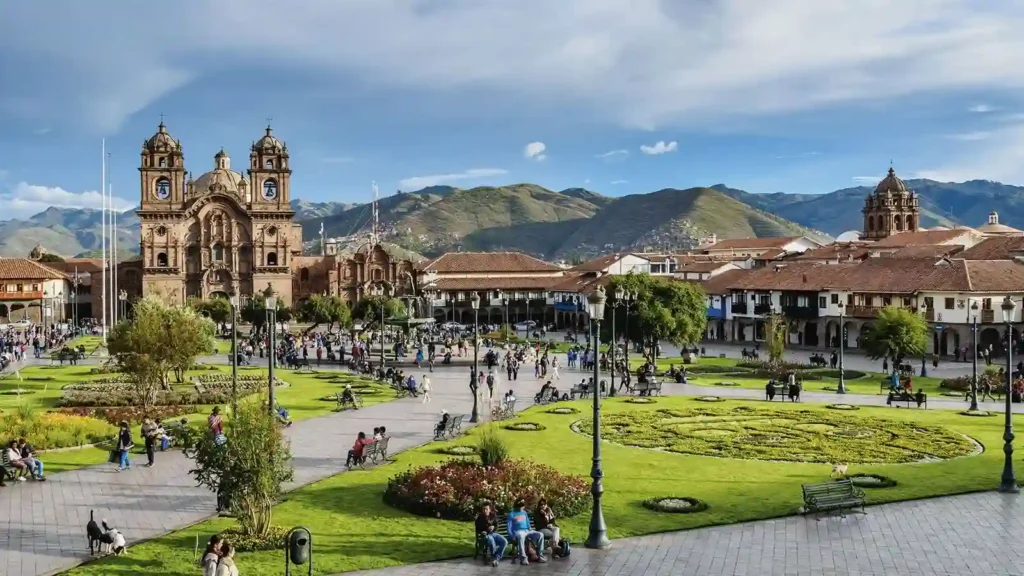
The Cusco Tourist Ticket is the perfect entry ticket to Cusco’s popular destinations. So, when you arrive in Cusco, don’t think twice: buy your ticket, put on some good walking shoes, pack your camera, and get ready to immerse yourself in the culture, architecture, and landscapes that made this place great. Stroll through the Plaza de Armas, feel the energy of Sacsayhuamán, tour the Qorikancha, and let each experience bring you a little closer to the life of the Incas.
The Incas left you their legacy, and now it’s your turn to discover it. Every step is a story, every glance is a memory, and every moment in Cusco is an adventure you’ll remember forever.

