
Salkantay is one of the most breathtaking trekking routes in Peru, offering an unforgettable journey through the Andes. If you’re looking for an adventure off the beaten path, this guide will give you everything you need to know about the Salkantay Trek.
What is the Salkantay Trek?
The Salkantay Trek is an alternative route to the classic Inca Trail, leading adventurers to the world-famous Machu Picchu. This trek takes you through diverse landscapes, from snow-capped peaks to lush cloud forests. The name “Salkantay” comes from the Quechua word meaning “Savage Mountain,” and its imposing presence certainly lives up to that name.
You might also be interested: 20 Best Tourist Attractions in Machu Picchu
Why Choose the Salkantay Trek Over the Inca Trail?
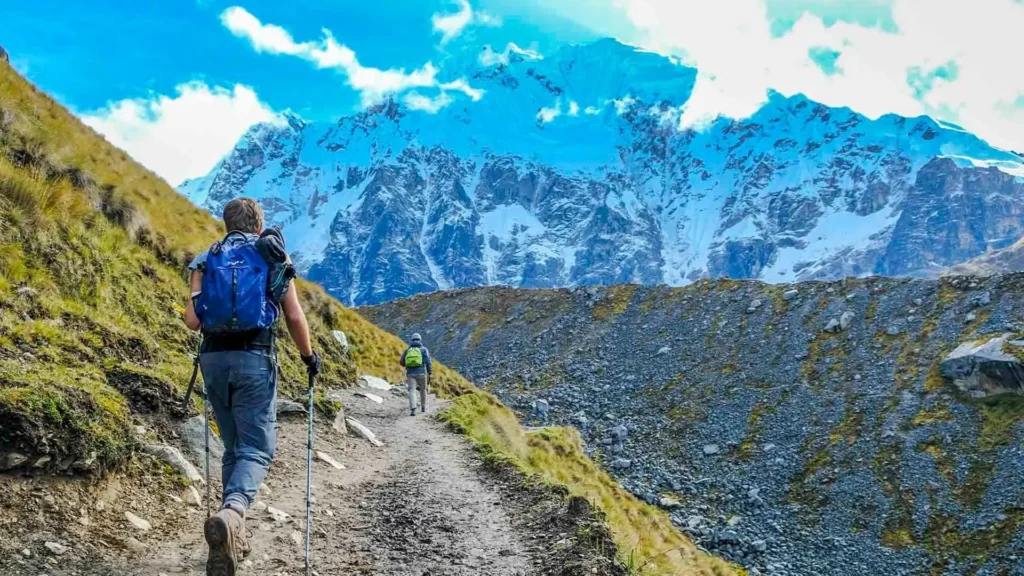
While the Inca Trail is the most famous route to Machu Picchu, the Salkantay Trek offers a unique and less crowded experience. Here’s why many travelers prefer it:
- Less crowded: Fewer tourists mean a more peaceful and immersive experience.
- Breathtaking scenery: You’ll witness glaciers, turquoise lakes, and tropical forests.
- More challenging: It’s a tougher hike, making it ideal for adventure seekers.
- No permits required: Unlike the Inca Trail, which has strict permit regulations, you can hike the Salkantay Trek without worrying about permit availability.
- More affordable: Many trekking agencies offer budget-friendly options, making it accessible to more travelers.
Best Time to Hike the Trek
The best time for this trek is during the dry season, from April to October. During these months, you can expect clear skies and stunning views, although temperatures can be chilly at night.
If you hike during the rainy season (November to March), be prepared for wet and muddy trails. While the lush greenery during this time is stunning, frequent rainfall can make the hike more challenging.
What to Expect on the Trek
Day 1: Cusco to Soraypampa
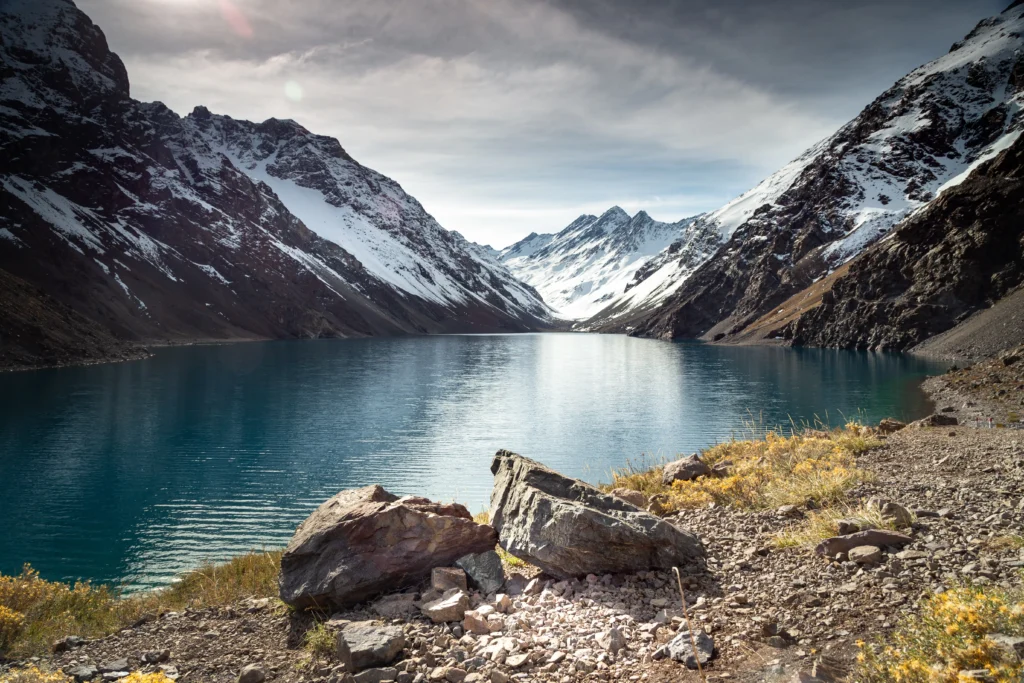
The adventure starts in Cusco, where you’ll travel to the trailhead and begin the hike towards Soraypampa. Along the way, you’ll pass through breathtaking valleys and enjoy your first glimpses of Salkantay Mountain. Many trekkers visit Humantay Lake, a mesmerizing turquoise lake surrounded by towering peaks, as part of their first day’s itinerary.
Day 2: The Challenging Ascent to Salkantay Pass
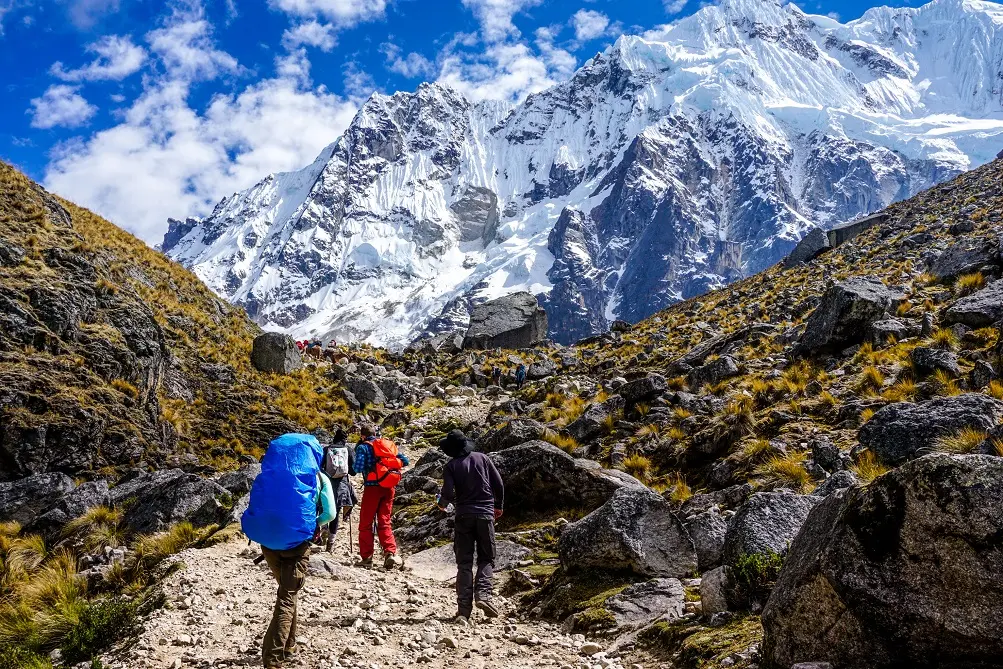
This is the most demanding day as you ascend to Salkantay Pass (4,650 m/15,255 ft). The air is thin, and the climb is steep, but the views of the snow-covered peak are absolutely worth it. Expect strong winds and freezing temperatures at the pass. After reaching the summit, you’ll descend into the warmer valleys below.
Day 3: Descending into the Cloud Forest
As you leave the high-altitude zone, the landscape transforms into lush green cloud forests. The temperature gets warmer, and you’ll be surrounded by exotic flora and fauna. Keep an eye out for Andean condors, colorful orchids, and playful spectacled bears.
Day 4: Following the River to Aguas Calientes
This day involves an easier trek following the Santa Teresa River. You’ll reach the town of Aguas Calientes, the gateway to Machu Picchu, where you can relax in the hot springs. This is a great chance to rest your muscles before your final day.
Day 5: The Grand Finale – Machu Picchu
The last day is the most rewarding as you finally arrive at Machu Picchu, one of the New Seven Wonders of the World. After days of trekking, standing atop this ancient citadel is an indescribable feeling. Make sure to explore key sites such as the Sun Gate (Inti Punku), the Temple of the Sun, and the Intihuatana Stone.
Discover more about the Salkantay Trek here
Wildlife and Nature Along the Trek
The Salkantay Trek is home to a diverse range of wildlife. Here are some species you might encounter:
- Andean condor: One of the largest flying birds in the world.
- Spectacled bear: The only bear species native to South America.
- Pumas: Though rarely seen, they roam the higher altitudes.
- Hummingbirds: Many species thrive in the cloud forest regions.
- Orchids: The region boasts over 3,000 varieties of orchids.
Essential Packing List for the Trek
Packing correctly can make a huge difference on this trek. Here are the must-have items:
- Sturdy hiking boots
- Warm layers for cold nights
- Rain jacket
- Sunscreen and sunglasses
- Water purification tablets
- Sleeping bag
- Trekking poles
- Headlamp with extra batteries
- Energy snacks and electrolytes
Tips for a Successful Salkantay Trek
- Acclimatize in Cusco before starting the trek to avoid altitude sickness.
- Stay hydrated and drink plenty of coca tea to help with the high altitude.
- Train in advance to prepare for the long hiking days.
- Hire a guide or join a tour for a safer and more enriching experience.
- Start early each day to avoid trekking in the hottest part of the afternoon.
Cultural Insights: The Spiritual Significance of Salkantay
Salkantay is not just a mountain; it holds deep cultural and spiritual significance for the Andean people. It is considered an Apu, or sacred mountain, believed to be a protector of the region. The Incas worshiped Salkantay as a powerful deity, and today, many locals still perform rituals and offerings to honor its spirit.
Alternative Routes and Extensions
If you want to extend your adventure, consider these options:
- Salkantay + Llactapata Trek: A scenic detour that offers a unique view of Machu Picchu from a distance.
- Salkantay + Choquequirao: Combine your trek with a visit to another stunning Incan archaeological site.
- Salkantay + Rainbow Mountain: After your trek, take a day trip to the famous Vinicunca, also known as Rainbow Mountain.
Final Thoughts: Is the Salkantay Trek Worth It?
Absolutely! If you love adventure, breathtaking scenery, and challenging hikes, the Salkantay Trek is an unforgettable experience. It’s a journey that takes you through some of the most diverse and stunning landscapes in Peru, culminating in the magical ruins of Machu Picchu.
Are you ready to embark on this epic adventure? Start planning your Salkantay Trek today!

