
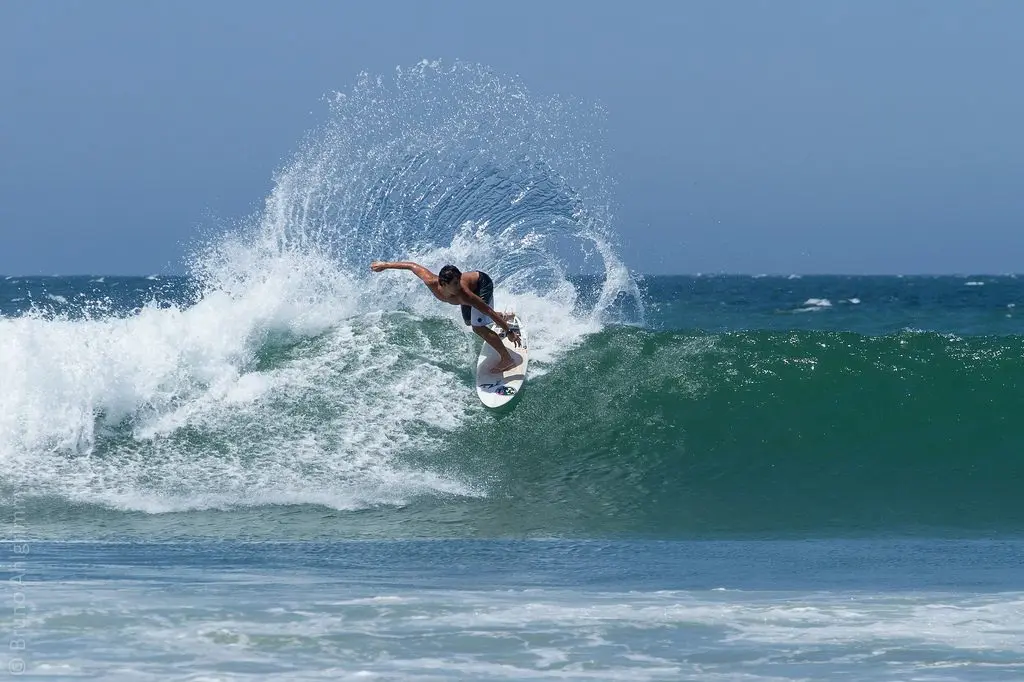
Peru is a country where sports are deeply connected with geography, culture and daily life. From football fields in urban neighborhoods to surfing waves on the Pacific coast and high-altitude trails in the Andes, physical activity is present in almost every region. The diversity of landscapes has shaped the way people train, compete and enjoy different disciplines, making popular sports in Peru a reflection of both tradition and modern adventure practices, where local identity and outdoor experiences coexist naturally.
Maybe you’d like to read: Is Peru expensive to visit? Tips to travel smart in 2026
Overview of popular sports in Peru
The most popular sports in Peru combine mass participation, cultural identity and natural conditions that allow a wide range of activities. Football dominates as the national passion, while volleyball maintains strong roots in schools and communities. At the same time, surfing, running, cycling and other outdoor disciplines have grown due to Peru’s unique geography, which offers coastlines, mountains and jungle environments within the same country.
Football
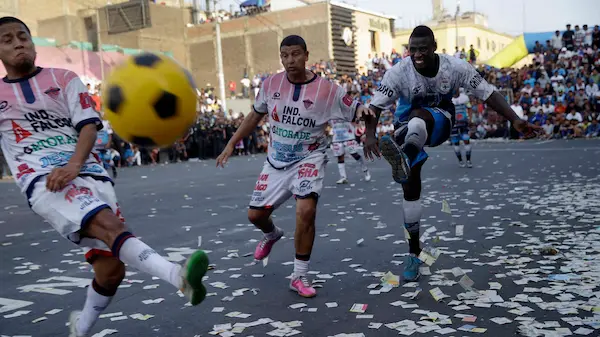
Football is the most widely played and followed sport in Peru, present in every region of the country. It is played professionally in national leagues but also informally in streets, parks and local fields known as pichangas, where communities gather to play without formal structure. The sport is deeply tied to national identity, with the Peruvian national team having participated in multiple FIFA World Cups and generated strong emotional connection among fans. Cities like Lima, Cusco and Arequipa host both professional stadiums and amateur courts, while altitude adds an additional physical challenge in Andean regions, shaping a unique style of play that differs from coastal areas, making it the core expression of popular sports in Peru.
Volleyball
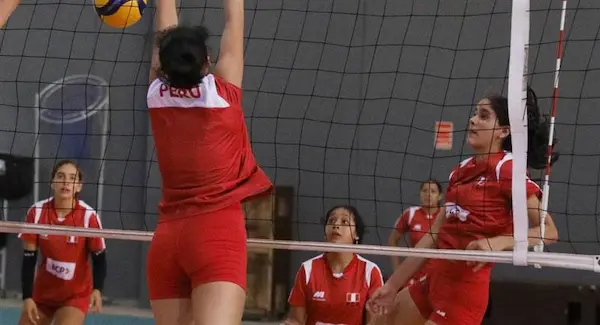
Volleyball is one of the most important team sports in Peru, especially among women and school communities. Its popularity grew strongly after the success of the national women’s team, which achieved international recognition, including an Olympic silver medal in 1988. The sport is widely practiced in schools, universities and public courts, where basic infrastructure allows easy access for players of all ages. Its accessibility, low equipment requirements and strong presence in physical education programs have made volleyball a constant part of Peruvian sports culture, particularly in urban areas where organized community tournaments are frequent, strengthening its role within popular sports in Peru as one of the country’s most representative disciplines.
Surfing
Surfing is one of the sports most strongly connected to Peru’s geography, with more than 3,000 kilometers of coastline exposed to consistent Pacific swells. Northern beaches such as Máncora, Lobitos and Chicama are known for their long and powerful waves, while the central coast near Lima offers year-round surf spots like Punta Hermosa, Punta Rocas and the Costa Verde. For visitors, surfing lessons in Lima, Costa Verde are a popular way to learn the sport while enjoying the Pacific coastline. The sport has also gained international recognition thanks to achievements such as Sofía Mulánovich’s world title. Today, surfing is enjoyed by both locals and tourists, supported by surf schools and growing coastal infrastructure.
Basketball
Basketball in Peru is mainly concentrated in urban areas, where it is played in schools, universities and neighborhood courts. Although it does not reach the same national attention as football or volleyball, it has a stable base of players who participate in amateur leagues and recreational games. Cities like Lima, Trujillo and Arequipa have active communities that keep the sport alive, especially in public sports complexes and parks. Its accessibility and fast-paced nature make it a common alternative for young people looking for structured team sports in cities, adding another layer to the diversity of popular sports in Peru through urban participation and recreational practice.
Running and athletics
Running has become increasingly popular in Peru, driven by urban races, marathons and trail events held across different regions. Lima hosts major road races that attract both local and international participants, while the Andes provide natural training environments at high altitude, which is particularly valued by endurance athletes. Cities such as Cusco and Huaraz offer demanding terrain that improves physical conditioning, making Peru an attractive destination for trail running and altitude training. Peruvian athletes have also gained recognition in long-distance competitions, reinforcing the growth of athletics nationwide, which continues to strengthen its place within popular sports in Peru through both competitive events and recreational participation.
Cycling
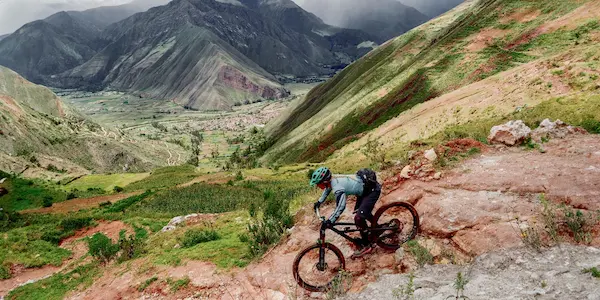
Cycling in Peru includes both urban transportation and sport practice, with increasing participation in road cycling and mountain biking. In cities, cycling is used for recreation and commuting, while in regions like Cusco and Huaraz it becomes a more technical and demanding sport due to mountainous terrain. The Sacred Valley and the Cordillera Blanca offer routes with steep climbs, long descents and scenic landscapes that attract both local cyclists and international visitors. Organized tours and competitions have helped strengthen cycling as part of Peru’s growing adventure sports scene, positioning it as another key activity within popular sports in Peru.
Boxing
Boxing has a strong presence in Peru’s urban communities, where it is practiced in gyms, sports clubs and local training centers. It is particularly popular as an amateur sport, offering opportunities for discipline, fitness and competition at regional and national levels. Several Peruvian boxers have represented the country internationally, helping maintain interest in the sport over time. In neighborhoods of Lima and other major cities, boxing gyms often serve as community spaces where young athletes train regularly under structured programs, reinforcing its position within popular sports in Peru through urban sporting culture and grassroots development.
Taekwondo
Taekwondo has expanded steadily in Peru since its introduction, with academies and clubs operating in most major cities. It is practiced both as a competitive martial art and as a recreational discipline for children and young adults. The sport is integrated into school and university programs in some areas, which has contributed to its steady growth. National competitions and participation in international events have helped establish taekwondo as a recognized discipline within Peru’s martial arts community, adding diversity to the landscape of popular sports in Peru.
Tennis
Tennis in Peru is mainly developed through private clubs and sports academies, where structured training programs support both amateur and professional players. The country has produced notable athletes such as Jaime Yzaga and Luis Horna, who have competed at high international levels. While it is not as widely played as football or volleyball, tennis maintains a stable presence in urban centers, particularly in Lima, where facilities and coaching programs are more accessible for long-term development, contributing in a more specialized way to the ecosystem of popular sports in Peru.
Rugby
Rugby is a growing sport in Peru, especially in Lima where several clubs and university teams promote its practice. Although still developing compared to more traditional sports, it has gained visibility through international participation and local tournaments. The sport emphasizes teamwork, physical strength and strategy, attracting both local players and expatriate communities. Its expansion reflects the diversification of sports culture in urban Peru, particularly among younger athletes seeking alternative team sports, contributing gradually to the evolution of popular sports in Peru.
Maybe you’d like to read: Top 10 things to do in Peru in 2026
Traditional and local sports in Peru
Alongside global disciplines, Peru also preserves traditional sports and games that are part of its cultural identity. These activities are often played in social gatherings, clubs or festivals, maintaining a connection between recreation and local heritage. They reflect how sport in Peru is not only competitive but also social and cultural in nature, reinforcing their place within popular sports in Peru as expressions of tradition and community life.
Paleta frontón
Paleta frontón is a racket sport created in Peru and widely practiced in clubs and recreational centers, especially in Lima. It is played against a wall using a wooden paddle and a rubber ball, combining reflexes, coordination and speed. The sport is accessible for beginners but also has competitive circuits that organize tournaments at different levels. Its strong local identity makes it one of the most representative traditional sports in the country, contributing to the cultural dimension of popular sports in Peru as a discipline deeply rooted in local sporting tradition.
Sapo
Sapo is a traditional Peruvian game that involves throwing metal tokens into holes on a board, with the highest score awarded for landing them in a metal frog figure. It is commonly played during social gatherings, festivals and informal meetings in bars or community spaces. Although not a professional sport, it remains an important part of Peruvian recreational culture and is widely recognized across different generations, contributing to the cultural identity behind popular sports in Peru and their traditional expressions.
Adventure and outdoor sports in Peru
Peru’s geography makes it one of the most diverse countries for outdoor and adventure sports. The combination of coast, Andes and Amazon allows for activities that range from water sports to mountain expeditions and jungle exploration. This natural diversity has turned Peru into a reference destination for adventure tourism and multisport experiences, especially for travelers who choose peru tour packages that combine different regions and activities in a single itinerary..
Trekking and mountaineering
Trekking is one of the most established adventure sports in Peru, with routes that include the Inca Trail, Salkantay and the Huayhuash circuit. These trails cross high mountains, archaeological sites and remote valleys that require physical preparation and acclimatization. Regions such as Cusco and Huaraz are global references for trekking due to their landscapes and route variety, attracting both beginner hikers and experienced mountaineers. Many travelers also complement these experiences with cusco day tours to explore the Sacred Valley and nearby archaeological sites before or after their hikes.
Sandboarding
Sandboarding is practiced mainly in Huacachina, near Ica, where large desert dunes create ideal conditions for the sport. It is usually combined with buggy rides that transport visitors to the top of the dunes before descending on boards. The activity is accessible for beginners and is often done during sunset when temperatures are more comfortable and visibility enhances the experience, making it one of the most distinctive activities within popular sports in Peru due to its strong connection with desert adventure tourism.
White water rafting
Rafting in Peru takes place on rivers formed by the Andes, offering different levels of difficulty depending on the region and season. The Urubamba River is suitable for beginners, while the Apurímac River provides more challenging rapids for experienced participants. These routes combine natural scenery with adrenaline, making rafting one of the most popular adventure sports in the country, further strengthening its contribution to the landscape of popular sports in Peru through high-intensity outdoor experiences.
Rock climbing
Rock climbing is concentrated mainly in Huaraz and Cusco, where the Andes provide vertical rock formations and high-altitude routes. Climbers can find both sport climbing areas and technical alpine routes that require experience and specialized equipment. The Cordillera Blanca is particularly known for its challenging ascents and is considered one of the most important climbing destinations in South America, reinforcing its relevance within the ecosystem of popular sports in Peru through high-altitude adventure disciplines.
Surfing and paragliding
In addition to surfing, the Peruvian coast also supports paragliding in areas like Lima’s Costa Verde, where coastal cliffs allow for flights over the Pacific Ocean. These activities depend heavily on weather conditions and are usually guided by specialized operators. Together with surfing, they represent the strong connection between Peru’s coastline and adventure sports tourism, further reinforcing their role within popular sports in Peru as part of the country’s growing outdoor activity ecosystem.
Final overview of sports in Peru
The diversity of popular sports in Peru reflects the country’s natural structure and cultural dynamics. Football and volleyball remain the most rooted disciplines in society, while surfing, running and adventure sports continue to expand through tourism and lifestyle changes. This combination of tradition and natural advantage positions Peru as a country where sports are both a cultural expression and a way to experience its landscapes.

