

When planning a trip to South America, many travelers naturally ask themselves, is Peru expensive to visit? The answer isn’t a simple yes or no, because it depends on your style of travel, the type of accommodations you choose, and the experiences you want to enjoy along the way. From the bustling streets of Lima to the breathtaking heights of Machu Picchu, Peru offers options for every kind of traveler. You can stay in luxurious lodges with sweeping views of the Andes, or choose cozy hostels in Cusco that let you experience local life up close. You can join high-end guided tours for convenience and comfort, or explore local markets and street food for an authentic, budget-friendly adventure.
In this guide, we’ll help you understand typical costs, give practical tips for traveling smart, and highlight ways to make the most out of your 2026 journey through Peru. For travelers seeking immersive jungle experiences, booking Amazon guided tours ensures a safe and well-organized adventure in the rainforest.
ry has to offer.
You might also be interested in reading: 20 incredible day trips from Cusco for first-time visitors
What factors affect travel costs in Peru?
Planning a trip to Peru can feel overwhelming, especially when trying to budget for everything. Understanding the factors that affect travel costs in Peru is key to enjoying your adventure without surprises. Prices can vary depending on where you go, the season, the type of activities you choose, and your personal travel style. From luxury stays in Machu Picchu lodges to local street food experiences in Lima, knowing what drives costs will help you make smarter decisions and maximize your budget while experiencing the best of Peru in 2026.
1. Accommodation costs
Where you stay is one of the largest travel expenses. Peru offers options ranging from affordable hostels and guesthouses to high-end hotels and boutique lodges. In cities like Lima, Cusco, and Arequipa, prices differ depending on location, facilities, and season. Booking in advance can often save you a significant amount, especially during high tourist periods.
2. Food and dining
Food costs can vary dramatically. Eating at local markets or street food stalls is budget-friendly and offers authentic experiences, while fine dining and specialized restaurants will be more expensive. Typical meals in Peru, like ceviche or lomo saltado, are often affordable but trying gourmet options at top-rated restaurants can significantly increase your daily expenses.
3. Transportation expenses
Traveling around Peru involves considering multiple transportation modes. Domestic flights, buses, taxis, and ride-sharing apps each come with their own costs. Longer journeys, like Lima to Cusco flights, are pricier, while local buses or colectivos are cheaper. Factoring in transfers and local transportation is essential when estimating your budget.
4. Attractions and tours
Entrance fees to historical sites like Machu Picchu, guided tours, and adventure activities (like trekking or rafting) also impact your budget. Choosing between private tours or group tours can make a difference. Planning your itinerary around must-see attractions helps you allocate funds efficiently.
5. Seasonal price variations
Peak tourist seasons, usually June to August for the dry season, can increase costs for accommodation, flights, and tours. Traveling during off-peak months can save money and reduce crowds, but some activities may be limited by weather conditions.
6. Miscellaneous expenses
Other costs to consider include souvenirs, travel insurance, SIM cards, internet access, and tips. These smaller expenses can add up, so it’s important to budget a bit extra to cover them comfortably.
You might also be interested in reading: Inca farming methods: a guide to ancient Andean agriculture
Typical daily budget in Peru
Planning your daily expenses is crucial to enjoy Peru without overspending. Understanding the typical daily budget in Peru helps travelers from all backgrounds, backpackers, mid-range tourists, and luxury travelers, plan their trips efficiently. For those seeking convenience and bundled services, Peru package tours can combine accommodations, meals, and excursions, saving time and often money. By estimating daily budgets, you can explore Peru’s vibrant cities, breathtaking landscapes, and rich culture without financial surprises, ensuring a stress-free and memorable 2026 trip.
1. Budget travel
For backpackers and low-budget travelers, Peru offers plenty of affordable options. Hostels, budget hotels, and homestays in cities like Lima, Cusco, and Arequipa can range from $10 to $25 per night. Street food and local eateries provide delicious meals for $2–$7, while public transport is cheap and efficient. Typical daily budgets for budget travel in Peru range from $25 to $45, allowing travelers to explore markets, museums, and cultural landmarks without breaking the bank.
2. Mid-Range travel
Tourists seeking comfort and convenience usually stay in 3-star hotels or boutique guesthouses, with costs ranging between $40 and $100 per night. Dining at casual restaurants averages $10–$20 per meal. Transportation might include taxis, local flights, or guided tours. For mid-range travelers, a typical daily budget in Peru ranges from $80 to $150, providing a balance between comfort and adventure, while still enjoying authentic experiences.
3. Luxury travel
Luxury travelers can experience Peru’s top-tier hotels, private tours, and fine dining. Machu Picchu luxury lodges, first-class flights, and exclusive experiences, like culinary tours or private guides, can cost several hundred dollars per day. A luxury travel daily budget in Peru can range from $300 to $600, offering unmatched comfort, personalized services, and premium experiences throughout the journey.
4. Tips to save money
Even with a budget-conscious mindset, you can maximize your experience. Use local transport, enjoy street food, and book tickets online in advance to avoid fees. Traveling during off-peak seasons reduces costs for accommodation and tours. Taking advantage of free attractions, city walking tours, and public cultural events also stretches your travel budget in Peru, making your adventure affordable yet unforgettable.
You might also be interested in reading: 10 things to do in Huaraz
Top affordable destinations in Peru
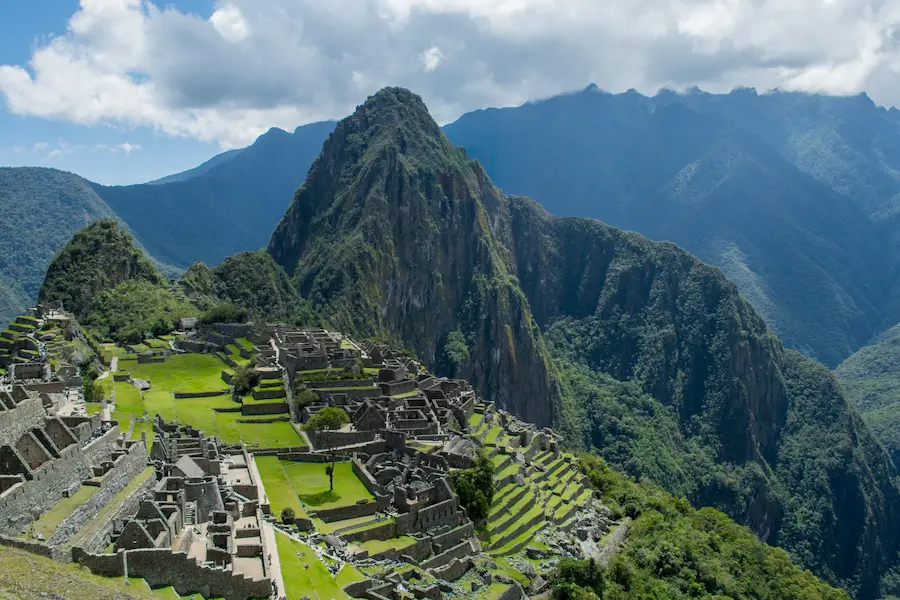
Traveling through Peru doesn’t have to break the bank. The country is packed with vibrant cities, stunning landscapes, and cultural treasures that can be explored on a budget. Knowing the top affordable destinations in Peru helps travelers plan their itineraries, enjoy unique experiences, and make the most of their trip without overspending. From historical landmarks to natural wonders, these destinations provide incredible value and unforgettable memories for 2026 travelers.
1. Lima
Lima, the capital city, is a hub of culture and cuisine. Budget travelers can explore the historic center, Miraflores, and Barranco neighborhoods without spending much. Street food like anticuchos and ceviche is delicious and affordable. Museums and public parks provide free or low-cost entertainment. Staying in hostels or guesthouses ranges from $10-$30 per night, making Lima an accessible gateway to Peru.
2. Cusco
Cusco, the former Inca capital, offers a mix of history, architecture, and culture. Affordable accommodation options include hostels and mid-range hotels. Walking tours through the Plaza de Armas, San Blas neighborhood, and local markets give travelers a glimpse of traditional Peruvian life. Cusco is also the starting point for exploring nearby ruins like Sacsayhuamán and Sacred Valley, many of which have budget-friendly entrance fees.
4. Arequipa
Known as the “White City” due to its volcanic sillar stone buildings, Arequipa is rich in culture and colonial history. Budget-friendly options include small hotels and guesthouses, along with local eateries offering delicious dishes like rocoto relleno and chupe de camarones. Walking around the Plaza de Armas and exploring monasteries provides a cost-effective cultural experience.
5. Puno & Lake Titicaca
Puno, on the shores of Lake Titicaca, offers unique experiences on a budget. Travelers can take affordable boat tours to the floating Uros Islands and Taquile Island. Local homestays and hostels provide inexpensive lodging, and trying traditional dishes like trout or quinoa soup gives insight into the Andean culinary tradition.
6. Huaraz
For nature lovers and adventurers, Huaraz in the Cordillera Blanca is ideal. Budget travelers can hike the stunning landscapes of Pastoruri Glacier, Laguna 69, and surrounding trails. Affordable hostels and local eateries make this a perfect destination for exploring Peru’s natural beauty without spending excessively.
7. Ica & Huacachina
Ica, with its oasis Huacachina, is perfect for desert adventures. Budget travelers can experience sandboarding and dune buggy rides at reasonable prices. Affordable accommodations and local restaurants make Ica a fun and cost-effective destination for adrenaline-seekers.
8. Trujillo
Trujillo, a city of culture and colonial charm, offers access to pre-Columbian archaeological sites like Chan Chan and the Huacas del Sol y de la Luna. Budget travelers can explore the city and its beaches, try local cuisine like cabrito and ceviche, and stay in hostels or guesthouses at affordable rates.
Hidden costs to consider in Peru
When planning a trip to Peru, it’s easy to focus on flights, hotels, and major tours, but hidden costs in Peru can quickly add up and affect your travel budget. Being aware of these expenses allows travelers to plan smarter, avoid surprises, and enjoy their 2026 trip without financial stress. From transportation fees to tips, optional activities, and connectivity, understanding these costs ensures a smoother experience.
1. Tipping and service charges
In Peru, tipping practices vary depending on the establishment. Many restaurants and cafes do not include tips in the bill, and a standard 10% gratuity is customary. Upscale restaurants, guided tours, and hotel services may automatically include service charges, which can be confusing for visitors. Travelers should always check the receipt carefully and budget for tips to avoid unexpected expenses, especially if they rely on local guides or drivers for extended tours.
2. Entrance fees to attractions
Popular tourist sites like Machu Picchu, Colca Canyon, and museums in Lima often charge separate entrance fees in addition to tour costs. These fees can vary for domestic and international visitors, and sometimes seasonal surcharges apply. Understanding entrance costs in advance helps plan daily budgets and avoid surprises at the ticket counter, ensuring that travelers don’t miss out on iconic experiences due to unexpected expenses.
3. Local transportation fees
Local transportation costs may seem small individually but can accumulate quickly. Taxis, buses, and colectivos (shared vans) are affordable, but some services add fees for luggage, nighttime travel, or tourist-heavy areas. In addition, rides to remote attractions or airport transfers may include surcharges. Budgeting for these transportation costs ensures seamless movement throughout Peru and avoids stress when unexpected charges appear.
4. Currency exchange and banking fees
Using ATMs, exchanging cash at airports, hotels, or local exchange houses can come with hidden fees or unfavorable rates. Some banks charge a fixed fee per transaction, while exchange offices may have different conversion rates. Travelers should plan ahead by checking rates, using official providers, and carrying some cash in Peruvian soles to minimize hidden financial costs.
5. Optional activities and add-ons
Many tours and attractions offer additional experiences, such as guided hikes, special workshops, or equipment rentals. These optional add-ons can enhance the experience but may double or triple the base price of the tour if not planned. Including a buffer in your budget for these extras ensures flexibility and lets travelers enjoy enhanced activities without financial stress.
6. Communication and connectivity
Staying connected while traveling can be another hidden cost. While major hotels and cafes often provide free Wi-Fi, remote locations, trekking routes, and Amazon lodges may require local SIM cards or data packages. Planning for mobile data and connectivity helps travelers remain reachable and navigate the country efficiently without surprise expenses.
Tips to travel smart in 2026
Traveling to Peru in 2026 can be an unforgettable experience, but it requires careful planning to maximize your budget and enjoy the journey to the fullest. For example, platforms like Palotoa Amazon Travel provide reliable information on jungle trips, lodges, and guided activities to help travelers plan without overspending. By understanding the best ways to plan, move around, eat, and time your trip, you can reduce costs, avoid common mistakes, and experience the true essence of Peru. Below, we outline essential tips for smart travel, helping you navigate everything from accommodation and transport to food and seasonal considerations.
1. Plan in advance
Booking early is one of the most effective ways to save money and ensure availability. Flights, hotels, tours, and even popular attractions like Machu Picchu have limited slots, especially during peak seasons (June–August). Planning ahead allows you to:
- Compare prices across different providers and choose the best deals.
- Avoid last-minute price surges on flights, hotels, and tour tickets.
- Schedule activities efficiently to maximize your time in each destination.
- Ensure that you can access guided tours, cultural experiences, or workshops that might sell out quickly.
By planning in advance, you reduce stress and can focus on enjoying the typical foods, cultural experiences, and landscapes that make Peru unique.
2. Use local transport
Getting around Peru efficiently doesn’t mean overspending. Local buses, colectivos (shared vans), and trains offer cost-effective and safe ways to move between cities and tourist destinations. Tips for using local transport include:
- Always confirm routes, schedules, and prices in advance to avoid surprises.
- Use reliable providers or recommendations from hostels and hotels.
- Combine local transport with occasional taxis or ride-hailing apps in cities like Lima and Cusco.
- Take advantage of passes or multi-day tickets for buses or trains to reduce per-trip costs.
- Using local transport not only saves money but also provides an authentic glimpse into daily life and regional culture.
3. Eat like a Local
Food can be both a highlight and a hidden cost. Peru offers delicious local options that are affordable, authentic, and culturally enriching. Tips for smart dining:
- Sample street food like ceviche, anticuchos, and empanadas for fresh, affordable meals.
- Visit local markets to enjoy traditional ingredients and dishes at lower prices.
- Reserve occasional meals at well-reviewed restaurants for special experiences without overspending.
- Ask locals for recommendations, they often know hidden gems that guidebooks miss.
Eating like a local ensures that you experience the full range of Peruvian cuisine while staying within your budget. Local markets also provide a chance to explore popular souvenirs from Peru, making them ideal places to enjoy traditional food and shop for authentic handicrafts in one visit.
4. Seasonal considerations
The timing of your trip impacts costs, comfort, and the experiences available. Key points:
- High Season (June–August): Prices for accommodation, tours, and flights rise. Crowds are higher, but the weather is dry and ideal for trekking.
- Low Season (November–March): Cheaper rates and fewer tourists. However, rain in some areas may affect travel plans, especially in the Andes.
- Shoulder Seasons (April–May, September–October): Offer a balance of good weather and lower prices.
By aligning your travel dates with seasonal considerations, you can optimize your budget, avoid unnecessary stress, and enjoy Peru’s landscapes, festivals, and attractions under the best conditions.

