
Introduction
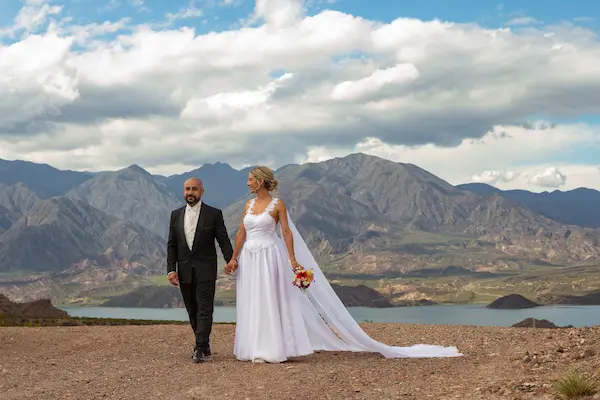
Peruvian wedding traditions are among the most fascinating cultural expressions in South America. Rich in symbolism, family values, indigenous heritage, and Spanish colonial influence, these traditions reflect the country’s remarkable diversity. Whether the ceremony takes place in the Andes, the Amazon rainforest, or along Peru’s Pacific coast, weddings are more than just celebrations of love—they are vibrant events that unite generations, honor ancestors, and preserve centuries-old customs.
Couples who dream of experiencing authentic cultural celebrations often discover that Peruvian wedding traditions offer much more than beautiful ceremonies. Every ritual has a deeper meaning, from the exchange of symbolic gifts to colorful music, traditional dances, and elaborate feasts featuring regional cuisine. These celebrations highlight Peru’s multicultural identity while creating unforgettable memories for everyone involved.
For travelers planning to explore Peru, understanding Peruvian wedding traditions provides valuable insight into local customs and social values. It also enriches any visit by offering a deeper appreciation of the country’s heritage beyond its famous archaeological sites and breathtaking landscapes. Whether you are attending a wedding, researching cultural practices, or simply curious about Peruvian traditions, this guide will help you discover everything you need to know.
You may also like: The Best Trekking in Peru: Routes, Tips, and Unique Experiences
The Origins of Peruvian Wedding Traditions
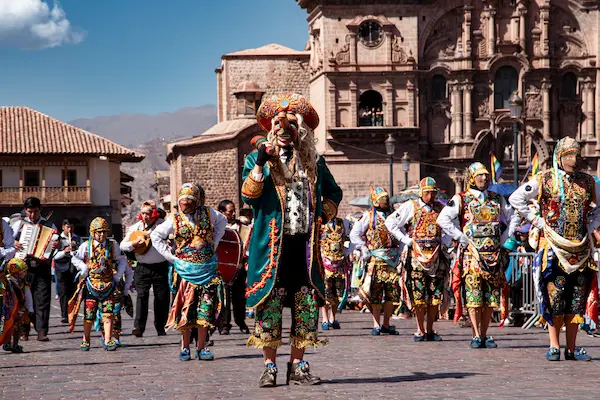
The history of Peruvian wedding traditions dates back long before the arrival of the Spanish conquistadors. Indigenous civilizations, particularly the Incas, viewed marriage as both a social and spiritual union. Weddings symbolized the joining of families rather than simply two individuals, emphasizing cooperation, mutual respect, and shared responsibilities within the community.
Following Spanish colonization during the sixteenth century, Catholic customs became deeply integrated into local ceremonies. Rather than replacing indigenous beliefs, many Catholic traditions blended with ancient Andean rituals, creating unique celebrations that remain common throughout Peru today. This cultural fusion explains why modern weddings often include both church ceremonies and ancestral symbolic practices.
Today, Peruvian wedding traditions vary depending on geography, ethnicity, and family background. Coastal cities may celebrate with elegant receptions inspired by European customs, while mountain villages preserve rituals that have been practiced for hundreds of years. This remarkable diversity makes every Peruvian wedding unique while maintaining common values centered on family, unity, and community.
Why Family Plays Such an Important Role
One defining characteristic of Peruvian wedding traditions is the central role played by family members. Marriage is rarely considered an event involving only the bride and groom. Instead, it represents the coming together of two extended families who will continue supporting the couple throughout their lives.
Parents, grandparents, godparents, aunts, uncles, cousins, and close family friends actively participate in every stage of the celebration. Many relatives help organize the ceremony, prepare traditional dishes, decorate the venue, and coordinate festivities that sometimes last several days. This collective effort reflects the importance Peruvians place on solidarity and shared responsibility.
Godparents, known as padrinos, often hold especially significant roles. Depending on regional customs, they may sponsor parts of the wedding, provide financial support, offer symbolic gifts, or guide the couple through important milestones of married life. Their presence demonstrates the broader network of relationships that supports a successful marriage.
You may also like: The Best Trekking in Peru: Routes, Tips, and Unique Experiences
Traditional Wedding Attire Across Peru
Bridal Dresses
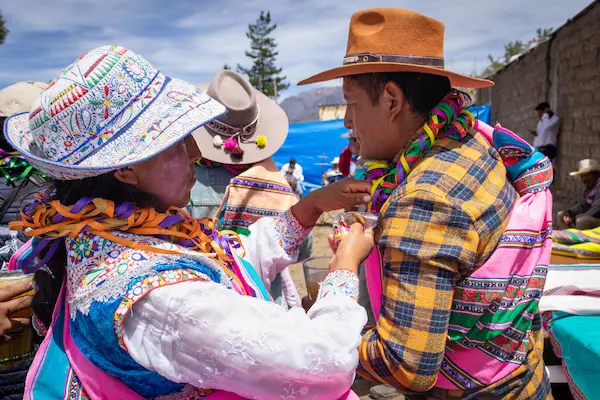
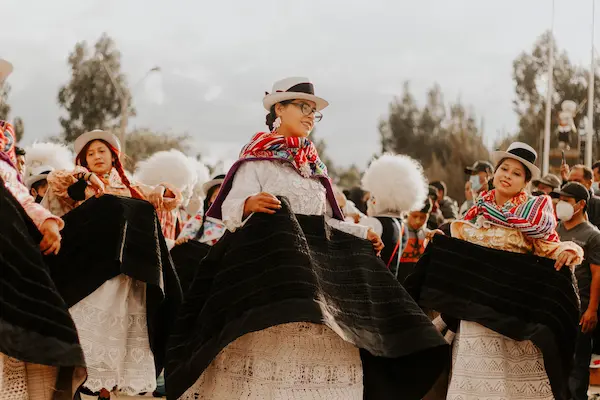
Although many brides now choose modern white gowns, Peruvian wedding traditions continue to celebrate regional clothing that showcases local craftsmanship. In Andean communities, brides may wear beautifully embroidered dresses combined with colorful shawls, woven belts, and distinctive hats reflecting their cultural identity.
Many garments incorporate alpaca or sheep wool woven using techniques passed down through generations. Intricate embroidery often features flowers, mountains, birds, and geometric patterns representing prosperity, fertility, and harmony with nature.
Modern brides frequently combine contemporary fashion with traditional accessories, creating elegant looks that honor both family heritage and current trends.
Groom’s Clothing
The groom’s attire also varies by region. Urban weddings usually feature classic tuxedos or dark formal suits, while rural ceremonies may include traditional ponchos, woven belts, embroidered jackets, and handcrafted hats.
These garments are not merely decorative. Many represent the groom’s community, ancestry, and local identity, reinforcing the cultural significance behind Peruvian wedding traditions.
Religious and Civil Ceremonies
Most Peruvian couples legally marry through a civil ceremony before celebrating a religious wedding in a Catholic church. Since Catholicism remains deeply rooted throughout Peru, church weddings continue to be among the most common forms of marriage.
The religious ceremony emphasizes commitment, faith, and family values. Couples exchange vows before family members, close friends, and members of their community while receiving blessings from the priest.
However, Peru’s cultural diversity also means that many couples incorporate indigenous rituals into their celebrations. Some ceremonies include offerings to Pachamama (Mother Earth), symbolic blessings from community elders, or traditional music performed using Andean instruments. These beautiful additions preserve ancestral customs while complementing Catholic practices.
You may also like: The Best Trekking in Peru: Routes, Tips, and Unique Experiences
Symbolic Rituals That Make Peruvian Weddings Unique
The Exchange of Coins
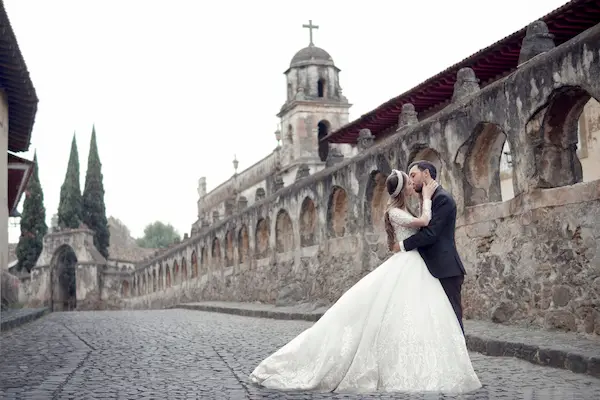
One beautiful aspect of Peruvian wedding traditions is the exchange of thirteen coins, commonly known as arras matrimoniales. During the ceremony, the groom presents the coins to the bride as a symbol of his commitment to providing for their future together.
The bride then accepts and returns the coins, representing mutual trust, equality, and shared financial responsibility. Rather than focusing solely on material wealth, this tradition emphasizes cooperation and partnership throughout married life.
Wedding Sponsors
Wedding sponsors often contribute financially or provide meaningful gifts that help the newlyweds begin their lives together. Their participation extends beyond the ceremony itself, as they frequently remain trusted advisors and mentors throughout the couple’s marriage.
Because family relationships are highly valued, sponsors are carefully selected among respected relatives or lifelong family friends.
Traditional Music and Dance
Music plays an essential role in Peruvian wedding traditions, creating an atmosphere filled with joy, celebration, and cultural pride. Depending on the location, guests may enjoy performances featuring traditional Andean instruments such as panpipes, charangos, quenas, and drums alongside modern orchestras or live bands.
Popular dances vary by region. Along the coast, couples may dance the elegant Marinera, Peru’s national dance, which symbolizes romance through graceful movements and handkerchief choreography. In the highlands, Huayno music invites everyone to join energetic group dances that strengthen community bonds.
Amazonian weddings often feature rhythms inspired by indigenous traditions, reflecting the remarkable cultural diversity found throughout Peru.
The celebration usually continues late into the night, with guests of all ages participating in music, dancing, storytelling, and shared festivities that reinforce the importance of family and friendship.
You may also like: The Best Trekking in Peru: Routes, Tips, and Unique Experiences
Traditional Wedding Food
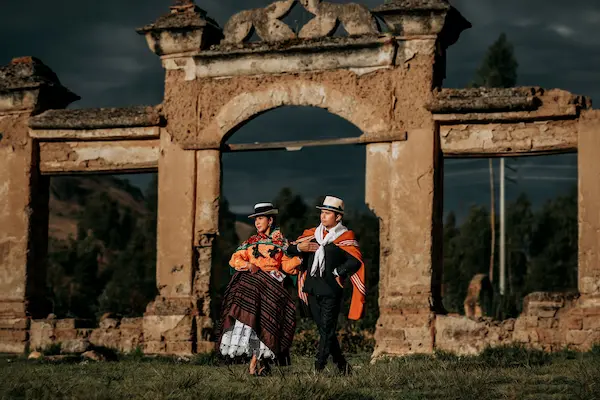
Food occupies a central place in Peruvian wedding traditions because sharing a meal symbolizes abundance, gratitude, and hospitality. Wedding receptions often feature generous buffets showcasing regional specialties prepared with fresh local ingredients.
Popular dishes may include roasted meats, potatoes, quinoa, tamales, fresh seafood, rice dishes, and colorful salads depending on the location of the celebration. Desserts frequently include traditional sweets alongside beautifully decorated wedding cakes inspired by both European and Peruvian influences.
For visitors wishing to better understand Peru’s incredible culinary heritage before attending a wedding, participating in Cooking classes in Lima, Peru is an excellent way to discover the flavors, cooking techniques, and cultural traditions that make Peruvian cuisine one of the world’s most celebrated gastronomies.
Beyond the meal itself, sharing food encourages conversation, strengthens relationships, and reflects the generosity that characterizes Peruvian hospitality. Guests rarely leave hungry, as hosts consider abundant food an expression of appreciation and respect.
You may also like: The Best Trekking in Peru: Routes, Tips, and Unique Experiences
Regional Variations of Peruvian Wedding Traditions
One of the most remarkable aspects of Peruvian wedding traditions is that they vary significantly from one region to another. Peru is a country of extraordinary geographical and cultural diversity, and each area has developed customs that reflect its history, environment, and ethnic heritage. While the values of family, respect, and celebration remain constant, the way weddings are celebrated can differ greatly between the coast, the Andes, and the Amazon.
Along the Pacific coast, weddings often resemble elegant Western ceremonies while still incorporating local music, cuisine, and family customs. Couples frequently celebrate in hotels, private gardens, or beachfront venues where guests enjoy modern receptions with live orchestras, dancing, and impressive culinary experiences. Coastal cities such as Lima blend international wedding trends with traditional Peruvian hospitality, creating celebrations that feel both sophisticated and deeply personal.
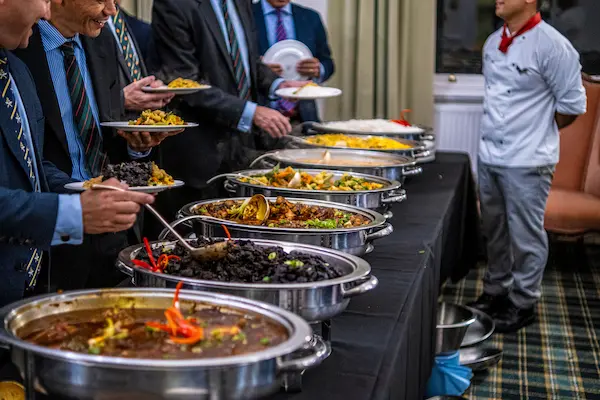
In the Andean highlands, Peruvian wedding traditions preserve many indigenous elements that have survived for centuries. Ceremonies may include blessings from community elders, offerings to Pachamama (Mother Earth), traditional Andean music, and colorful handmade clothing. Entire villages sometimes participate in the celebration, emphasizing that marriage is viewed not only as a union between two individuals but also as an important event for the entire community.
The Amazon region introduces another unique perspective. Indigenous communities often incorporate rituals that honor nature, rivers, forests, and ancestral spirits. Music, dance, and storytelling become essential parts of the celebration, highlighting the close relationship between local cultures and the natural environment. These regional differences make every wedding in Peru a unique cultural experience.
Indigenous Andean Wedding Ceremonies
Among the oldest Peruvian wedding traditions are those practiced in the Andes. These ceremonies emphasize harmony, reciprocity, and respect for both nature and ancestors. Rather than focusing solely on legal or religious commitments, traditional Andean marriages celebrate balance between the couple, their families, and the surrounding world.
Many ceremonies begin with symbolic offerings to Pachamama. Couples present flowers, coca leaves, grains, or chicha as gestures of gratitude and requests for blessings in their married life. These rituals reflect ancient beliefs that prosperity comes through maintaining harmony with nature rather than simply accumulating material wealth.
Community participation is another defining characteristic. Friends and relatives contribute food, music, decorations, and labor, demonstrating that marriage strengthens the entire community. The collective spirit found in these celebrations continues to inspire many modern couples who wish to honor their ancestral heritage while embracing contemporary lifestyles.
You may also like: The Best Trekking in Peru: Routes, Tips, and Unique Experiences
Wedding Gifts and Their Meaning
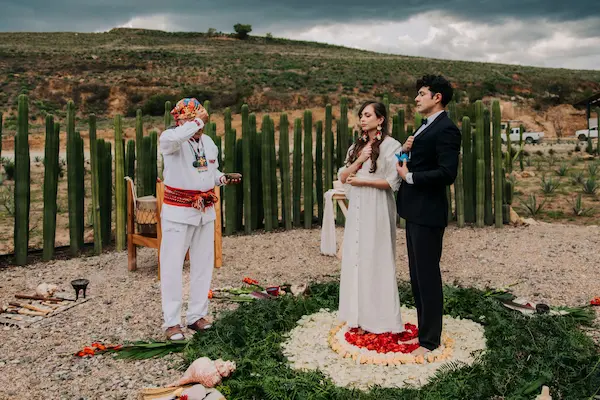
Gift-giving represents another meaningful aspect of Peruvian wedding traditions. Unlike purely material exchanges, many gifts symbolize wishes for prosperity, fertility, stability, and happiness. Household items remain common because they help couples establish their new home together.
Close relatives sometimes present handmade blankets, woven textiles, ceramics, silver ornaments, or religious artwork that has been passed down through generations. These heirlooms carry emotional significance and reinforce the importance of family continuity. Even modern gifts often reflect practical support rather than extravagant luxury, highlighting the values of generosity and shared responsibility.
Money is also a popular wedding gift, particularly among younger couples beginning their independent lives. Guests typically offer financial contributions in elegant envelopes, allowing newlyweds to invest in their future according to their needs and priorities.
Wedding Etiquette for International Guests
Travelers fortunate enough to attend a Peruvian wedding should familiarize themselves with several customs that reflect local etiquette. Respecting these traditions demonstrates appreciation for the hosts and enhances the overall experience.
Guests are generally expected to arrive on time for religious ceremonies, although receptions may begin later than originally scheduled. Formal attire is usually appropriate unless the invitation specifies otherwise. It is also customary to greet family members personally and congratulate the newlyweds before joining the celebration.
Dancing is an important part of Peruvian wedding traditions, and visitors are often encouraged to participate regardless of their experience. Joining traditional dances is viewed as a sign of respect and enthusiasm rather than a display of technical skill. Likewise, accepting food and sharing in the festivities reflects gratitude for the hosts’ generosity.
Above all, international visitors quickly discover that Peruvian weddings are warm, welcoming occasions where hospitality is extended to everyone present, including guests who may be visiting the country for the very first time.
Modern Trends in Peruvian Weddings
Although Peruvian wedding traditions remain deeply respected, contemporary couples are increasingly combining ancestral customs with modern wedding trends. Destination weddings have become particularly popular, allowing couples to celebrate against the breathtaking backdrops of the Sacred Valley, Lake Titicaca, luxury coastal resorts, or the historic streets of Cusco.
Personalized ceremonies have also gained popularity. Couples often write their own vows, incorporate multicultural elements, or blend religious and civil ceremonies into a single celebration that reflects their unique relationship. Sustainability has become another growing trend, with many weddings featuring locally sourced flowers, eco-friendly decorations, and menus highlighting regional ingredients.
Technology has further transformed modern celebrations. Professional photography, drone videography, live streaming for international guests, and digital invitations are now common additions to weddings throughout Peru. Nevertheless, the emphasis on family, community, and cultural identity continues to define these celebrations regardless of changing fashions.
Experiencing Peru Beyond the Wedding
Many international visitors extend their stay before or after attending a wedding to explore Peru’s extraordinary attractions. From ancient archaeological sites to world-renowned gastronomy and outdoor adventures, the country offers unforgettable experiences that complement any cultural journey.
Those planning to visit the Andes should prepare carefully for high-altitude destinations such as Cusco and the Sacred Valley. Learning about Altitude Sickness in Cusco before traveling can help visitors understand common symptoms, effective prevention strategies, and practical recommendations for enjoying their trip safely while adapting to the elevation.
For travelers spending time in the capital, Lima provides endless opportunities to experience Peru’s famous culinary culture, artistic neighborhoods, museums, and coastal scenery. Beyond its historical attractions, the city also offers exciting outdoor activities. Adventurous visitors looking to enjoy the Pacific Ocean can participate in Surfing lessons in Lima, Peru, an excellent way to experience another side of the country’s vibrant lifestyle while visiting its capital.
Combining a traditional wedding celebration with cultural tours, gastronomy, and adventure activities allows visitors to experience Peru far beyond the ceremony itself.
You may also like: The Best Trekking in Peru: Routes, Tips, and Unique Experiences
Why Peruvian Wedding Traditions Continue to Inspire the World
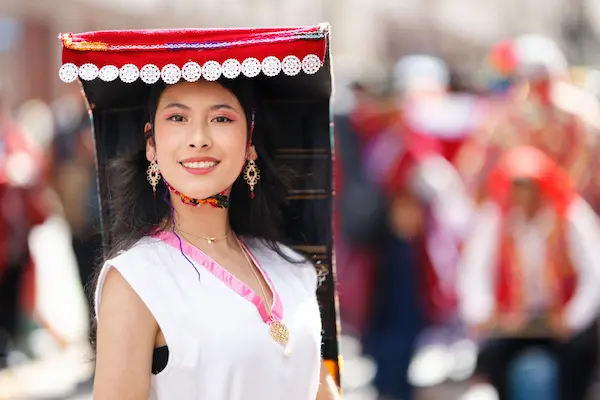
Global interest in Peruvian wedding traditions has grown steadily over the past decade as more couples seek authentic cultural experiences that emphasize meaning over extravagance. Rather than focusing exclusively on luxury, these ceremonies celebrate family unity, mutual respect, gratitude, and community participation.
Social media and destination weddings have introduced international audiences to Peru’s colorful clothing, traditional music, spectacular landscapes, and rich cultural heritage. Many wedding planners now incorporate Andean-inspired decorations, handmade textiles, and symbolic rituals influenced by Peruvian customs, demonstrating the global appreciation for these timeless traditions.
Despite modernization, the enduring appeal of Peruvian wedding traditions lies in their ability to balance history with contemporary life. They remind us that weddings are not simply formal events but meaningful celebrations of love, commitment, family, and shared cultural identity.
You may also like: The Best Trekking in Peru: Routes, Tips, and Unique Experiences
Frequently Asked Questions About Peruvian Wedding Traditions
What are the most important Peruvian wedding traditions?
Some of the best-known Peruvian wedding traditions include Catholic wedding ceremonies, the exchange of thirteen symbolic coins (arras matrimoniales), family participation, traditional music and dances, regional cuisine, and in many areas, indigenous blessings honoring Pachamama.
Are Peruvian weddings always religious?
No. While Catholic weddings remain common, many couples choose civil ceremonies, multicultural celebrations, or weddings that combine religious traditions with indigenous customs and modern practices.
What should guests wear to a Peruvian wedding?
Formal or semi-formal attire is generally expected unless otherwise indicated on the invitation. In some rural communities, traditional regional clothing may also be worn by family members or local guests.
How long do Peruvian weddings usually last?
Many celebrations continue well into the night, and in some regions festivities can extend over several days with family gatherings, music, dancing, and communal meals.
Can tourists experience Peruvian wedding traditions?
Although attending a private wedding usually requires a personal invitation, visitors can learn about Peruvian wedding traditions through cultural festivals, museums, local communities, traditional performances, and immersive travel experiences throughout the country.
Conclusion
Peruvian wedding traditions beautifully illustrate the country’s extraordinary cultural richness, combining indigenous heritage, Spanish influence, religious devotion, family values, and joyful celebration into unforgettable ceremonies. Every wedding reflects generations of history while allowing each couple to express their own identity and aspirations for the future.
Whether celebrated in a historic cathedral, a picturesque Andean village, a lush Amazon community, or a modern coastal venue, these weddings share a common message: marriage is a partnership supported by family, community, tradition, and love. The customs surrounding these celebrations continue to evolve, yet their essential values remain unchanged.
For travelers, learning about Peruvian wedding traditions offers much more than cultural knowledge. It provides a deeper understanding of Peru itself—a country where history, hospitality, diversity, and human connection come together in extraordinary ways. By exploring its traditions, cuisine, landscapes, and local experiences, visitors gain memories that extend far beyond the wedding celebration and leave with a lasting appreciation for one of South America’s most captivating cultures.

