
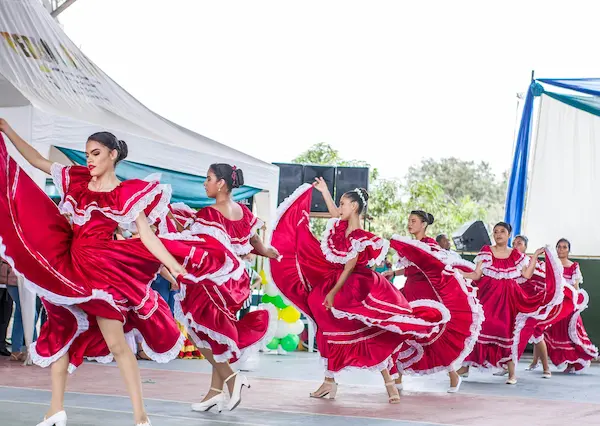
Peruvian traditional dances are one of the most important cultural expressions in South America, reflecting centuries of history, identity, and diversity. Across the coast, Andes, and Amazon, these traditions represent the fusion of indigenous civilizations, Spanish colonial influence, and African heritage. This combination has shaped a unique cultural landscape where music, costumes, and storytelling come together, creating experiences that are both visually striking and culturally meaningful.
Understanding Peruvian traditional dances allows travelers to experience Peru beyond its landscapes and iconic destinations. Each performance carries symbolic meaning, often connected to agriculture, religion, or social traditions, revealing how communities celebrate life and preserve their heritage. These dances are not simply staged shows but living traditions that continue to be practiced in local communities, maintaining their authenticity over time.
From vibrant coastal rhythms to deeply spiritual Andean rituals, Peruvian traditional dances offer a cultural journey that connects visitors with the roots of Peru. They are an essential part of festivals, celebrations, and everyday life, providing travelers with immersive experiences that go beyond tourism and create a deeper appreciation of the country’s cultural richness.
You might be interested in: How to travel to Machu Picchu guide
What makes Peruvian traditional dances unique
The uniqueness of peruvian traditional dances lies in their diversity and deep cultural significance. Each region of Peru has developed its own style, influenced by geography, history, and local traditions. Coastal dances tend to be more rhythmic and energetic, while Andean dances often reflect spiritual beliefs and agricultural cycles tied to nature.
Another important aspect of these traditions is their strong connection to community life. Many dances are performed during festivals where entire towns participate, creating an immersive cultural environment that brings people together. These events are not only celebrations but also a way of preserving identity and passing traditions from one generation to another.
Additionally, these cultural expressions are closely tied to traditional music, using instruments such as panpipes, drums, guitars, and charangos. The combination of music, movement, and traditional attire creates a powerful storytelling experience that allows both locals and visitors to better understand Peru’s cultural richness.
Most famous Peruvian traditional dances
Marinera: elegance and tradition
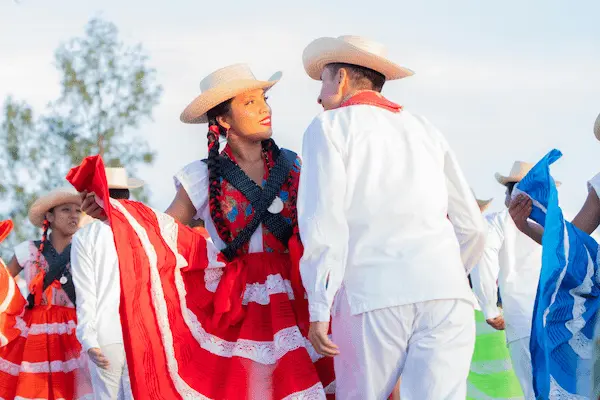
The Marinera is one of the most iconic peruvian traditional dances, known for its elegance, grace, and symbolic storytelling. It represents a courtship between two dancers who use handkerchiefs to express attraction, respect, and emotional connection through coordinated movements and rhythm.
As one of the most recognized cultural expressions in the country, it blends Spanish, African, and indigenous influences, especially in northern Peru where it is widely celebrated. The dance is not only a performance but also a representation of identity and tradition, often passed down through generations and practiced in schools, cultural centers, and festivals.
The Marinera also stands out for its traditional attire. Women typically wear long, flowing skirts that enhance the visual effect of movement, while men dress in elegant outfits that complement the choreography. Music plays a key role, with guitars, cajón, and singing guiding the rhythm of the dance.
What you can do
- Attend live festivals, especially in Trujillo
- Learn basic dance movements through workshops
- Watch professional cultural performances
- Experience coastal traditions and local celebrations
Huayno: the heart of the Andes
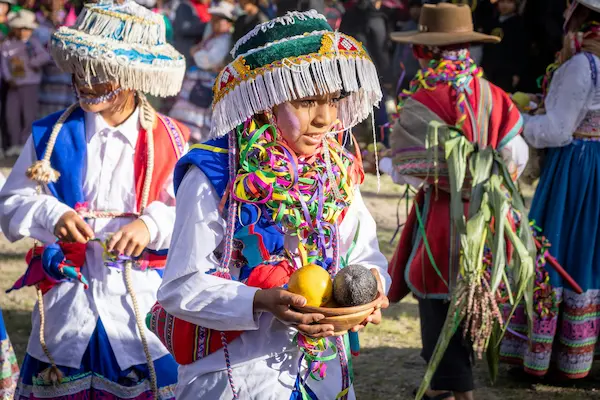
Huayno is one of the most traditional forms of peruvian traditional dances, deeply rooted in Andean communities and closely connected to daily life in the highlands. It reflects emotions such as love, nostalgia, and joy, often telling stories through both music and movement. The rhythm is usually fast-paced, with dancers performing energetic footwork while maintaining a strong connection to the music.
This dance is widely performed during festivals and is considered one of the most representative cultural expressions in rural areas. It is often accompanied by instruments such as charangos, quenas, and violins, creating a distinctive Andean sound. The traditional clothing worn during Huayno performances also plays an important role, featuring colorful garments that reflect the identity of each community.
Huayno is not only a performance but also a social activity, where people of all ages participate. It serves as a way to strengthen community bonds and preserve cultural traditions that have been passed down for generations.
What you can do
- Join local celebrations and community festivals
- Experience authentic Andean culture firsthand
- Listen to traditional live music in rural settings
- Participate in cultural events and social dances
You might be interested in: Rainbow mountain day tour from Cusco: complete guide for travelers
Diablada: symbolism and spectacle
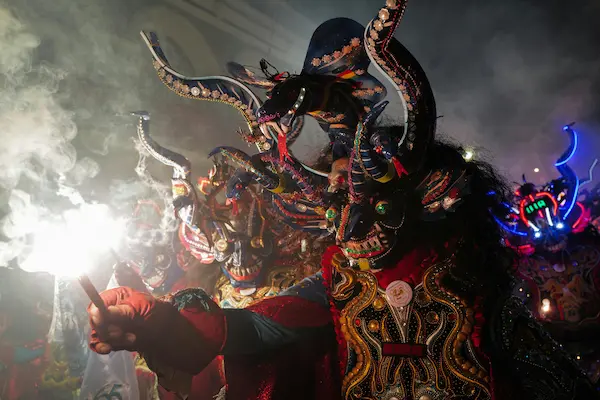
The Diablada is one of the most visually impressive peruvian traditional dances, known for its elaborate costumes, detailed masks, and dramatic choreography. It represents the struggle between good and evil, often rooted in religious beliefs that blend Catholic traditions with indigenous spirituality.
Among these cultural expressions, it stands out for its theatrical and symbolic nature. Dancers portray characters such as devils, angels, and mythological figures, each with a specific role in the story being told. The costumes are highly detailed, featuring bright colors, horns, and intricate designs that make the performance visually striking.
This dance is commonly performed during major religious festivals, especially in southern regions, where it becomes a central part of celebrations. The music, often played with brass bands, adds intensity and energy, enhancing the overall experience.
What you can do
- Watch live performances during festivals
- Explore the symbolism behind each character
- Take photos of costumes and masks
- Attend traditional religious celebrations
Festejo: Afro-Peruvian energy
Festejo is one of the most energetic Peruvian traditional dances, originating from Afro-Peruvian communities along the coast. It is characterized by strong rhythms, dynamic footwork, and expressive body movements that reflect joy, resilience, and cultural pride.
This dance highlights the diversity of Peru’s cultural traditions, showcasing African influence through percussion, call-and-response singing, and the use of instruments such as the cajón and hand clapping. The performance is often spontaneous and full of interaction, creating a vibrant atmosphere that engages both dancers and spectators.
Festejo is not only a dance but also a celebration of identity and history, preserving traditions that have been passed down through generations. It is commonly performed during cultural festivals, concerts, and community gatherings, where music and dance come together in a powerful expression of heritage.
What you can do
- Enjoy live shows with traditional Afro-Peruvian music
- Join interactive dance workshops
- Learn rhythmic patterns and basic steps
- Experience coastal culture and community celebrations
You might be interested in: Explore Peru with Lala Peru Travel
Where to experience Peruvian traditional dances
Peruvian traditional dances can be experienced throughout the country, especially in Lima, Cusco, Puno, and Trujillo, where cultural events and festivals showcase a wide variety of traditional performances. Each destination offers a different perspective: Lima features theater shows and cultural centers, Cusco highlights Andean traditions, Puno is known for large-scale religious festivals, and Trujillo stands out for coastal dance events.
Travelers looking for authenticity should explore local communities and regional celebrations, where these cultural expressions are performed in their original context. Attending festivals allows visitors to see not only the dances but also traditional clothing, music, and rituals that are part of the full experience.
In addition, cultural centers, museums, and live performances in major cities provide accessible ways to learn about these traditions. For a more immersive experience, visiting rural areas or planning trips around major festivals can offer a deeper connection with local culture.
Working with a trusted Peru travel company can help organize personalized itineraries that include authentic performances, guided cultural experiences, and access to events that are not always available to independent travelers.
Best time to see Peruvian traditional dances
Peruvian traditional dances are performed year-round, but the best time to experience them is during major festivals, when communities come together to celebrate with music, costumes, and traditional performances.
- January to March: Marinera Festival
- February: Virgen de la Candelaria
- June: Inti Raymi
- Year-round: regional and local celebrations
These events highlight the cultural importance of these traditions, offering travelers the opportunity to witness authentic performances in their original context, surrounded by local customs, rituals, and community participation.cal culture.
How to include Peruvian traditional dances in your trip
Planning your trip around festivals is one of the most effective ways to experience Peruvian traditional dances in an authentic cultural context. These events bring together music, costumes, and community participation, allowing travelers to witness traditions as they are truly lived rather than staged for tourism.
In Lima, Lima tours 2026 are expected to include a growing number of cultural experiences such as live performances, folklore shows, and visits to cultural centers where these traditions are presented in an accessible way. This makes the capital an excellent starting point for understanding the diversity of dance across the country.
In Cusco, working with a Cusco travel agency can provide access to authentic celebrations in nearby communities and during major events like Inti Raymi, where traditional performances play a central role. These experiences often include interaction with locals, offering deeper insight into the meaning behind each dance and its connection to Andean culture.
To enhance your trip, consider combining city experiences with visits to smaller towns or rural areas, where traditions are preserved more closely. This approach allows for a more complete and meaningful cultural journey.
You might be interested in: Culture of Peru food: The identity behind Peruvian cuisine

Why Peruvian traditional dances are a must-see
Peruvian traditional dances are more than entertainment they represent identity, history, and a deep connection to community life. Each performance reflects traditions that have been preserved for generations, offering insight into the values, beliefs, and daily experiences of different regions across the country.
Experiencing Peruvian traditional dances allows travelers to understand Peru on a deeper level, going beyond landscapes and landmarks to truly connect with its cultural essence. The music, costumes, and movements together create a powerful expression of heritage that is both emotional and visually captivating.
From the coast to the Andes, Peruvian traditional dances offer a unique cultural perspective, showcasing the diversity and richness of Peru through living traditions that continue to thrive today. In Cusco, working with a Cusco travel agency can provide access to authentic celebrations in nearby communities and during major events.
Discover Peru through Peruvian traditional dances
Exploring Peruvian traditional dances is one of the most meaningful ways to connect with Peru’s culture and traditions. Each performance reflects history, identity, and the continuity of customs that have been passed down through generations, allowing travelers to experience the country from a deeper cultural perspective.
Beyond the visual spectacle, these cultural expressions provide insight into how communities celebrate life, honor their ancestors, and preserve their heritage. The combination of music, traditional clothing, and symbolic movements creates an immersive experience that goes far beyond a typical tourist activity.
For travelers seeking authentic experiences, Peruvian traditional dances are an essential part of any journey. They offer not only visual and musical enjoyment, but also a genuine connection with local communities, making every trip more enriching and memorable. Whether experienced in a major festival or a small village celebration, these traditions leave a lasting impression and deepen the understanding of Peru’s cultural richness.

