
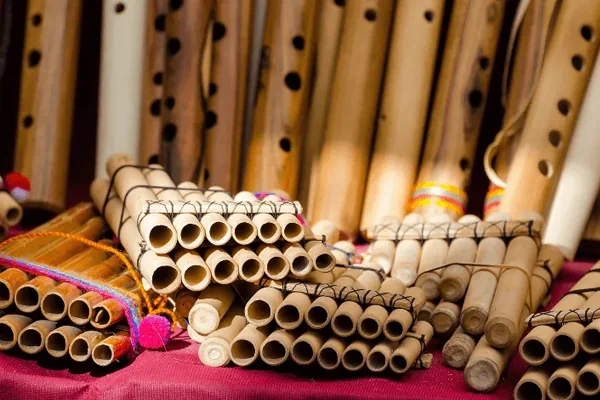
Peruvian musical instruments represent the diversity of Peru’s history, communities, and landscapes. From the Andes Mountains to the coast and the Amazon rainforest, each region has developed musical traditions connected to its environment and cultural practices.
For generations, these instruments have been used in celebrations, ceremonies, and everyday expressions of local identity. Their sounds preserve knowledge passed down through communities and continue to reflect the relationship between music and Peru’s cultural heritage.
You might be interested in: 10 peruvian fruits you should know
The role of music in Peru’s cultural heritage
Music has been an important part of Peru’s cultural heritage for centuries, reflecting the traditions, beliefs, and daily lives of different communities throughout the country. From ancient societies to present day celebrations, musical expressions have helped preserve stories, customs, and connections between generations.
The variety of Peruvian musical instruments shows the influence of different regions and historical periods. Each instrument carries characteristics related to the environment where it was created and the communities that continue to use it as part of their cultural identity.
A tradition shaped by different cultures
Peruvian music has developed through the interaction of various cultures that have shaped the country’s history. Indigenous communities created and preserved many musical traditions, while later influences from European and African cultures added new sounds, rhythms, and instruments.
This cultural exchange created a diverse musical landscape where ancient practices continue alongside newer forms of expression. Traditional instruments remain an important way to maintain connections with Peru’s past while adapting to modern artistic movements.
Music across the coast, Andes, and Amazon
Each region of Peru has its own musical traditions influenced by its geography and local communities. In the Andes, wind instruments and percussion have long been connected to ceremonies, celebrations, and community gatherings. Along the coast, music has been shaped by different rhythms and instruments that reflect the region’s history.
The Amazon also has a rich musical heritage, with instruments made from natural materials found in the rainforest. Together, the music from the coast, Andes, and Amazon represents the diversity of Peru and the relationship between communities and their environments.
7 Peruvian musical instruments and their cultural significance
The diversity of Peruvian musical instruments reflects the history, landscapes, and traditions of the communities that have preserved them over generations. From wind instruments used in the Andes to percussion instruments connected to coastal traditions, each one represents a different aspect of Peru’s cultural heritage.
Many of these instruments have been present in celebrations, ceremonies, and community gatherings for centuries. Learning about these Peruvian musical instruments provides a better understanding of how music continues to preserve the connection between Peru’s past and present.
Quena
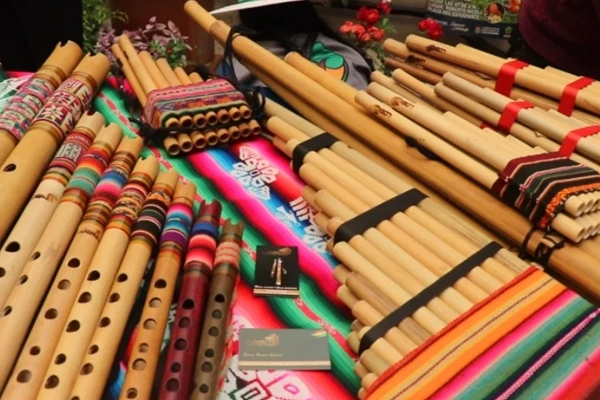
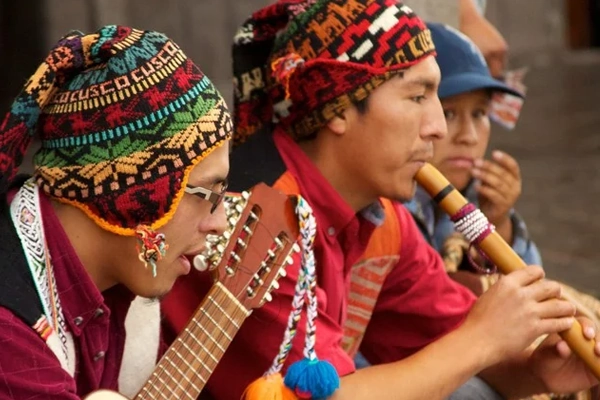
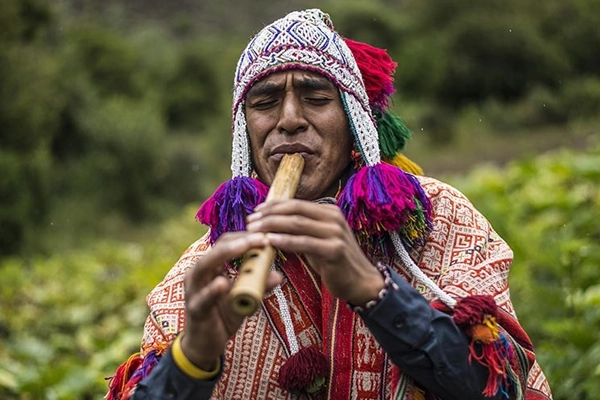
The quena is one of the most recognized Peruvian musical instruments and has a long history in the Andean region. This traditional flute is usually made from bamboo or other natural materials and is known for its soft, expressive sound.
For generations, the quena has been used in Andean communities during celebrations, ceremonies, and cultural events. Its distinctive melody continues to represent the connection between music, nature, and the traditions of the highlands.
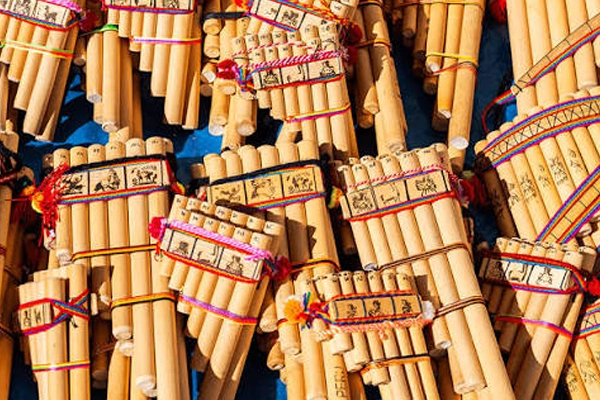
Zampoña
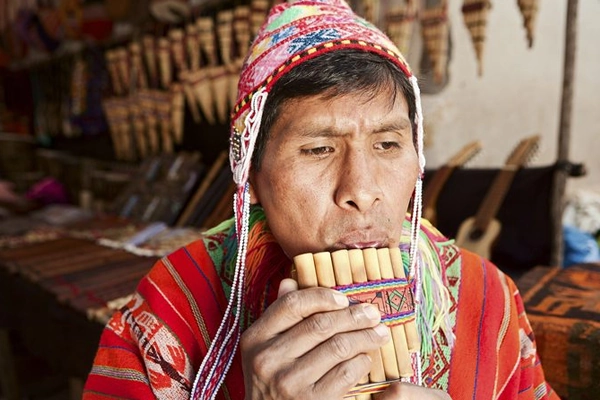
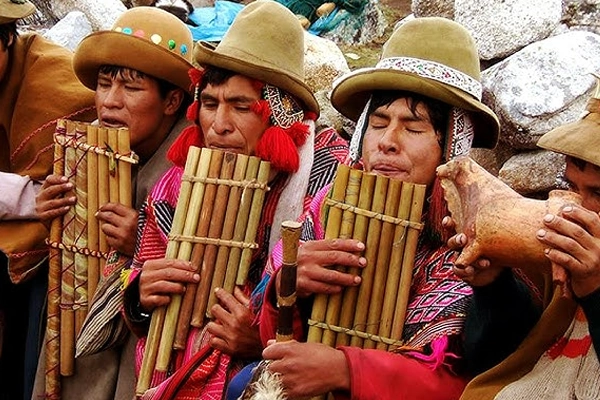
The zampoña is a traditional wind instrument made of several tubes of different lengths, creating a unique range of sounds. It has been an important part of Andean music and is commonly associated with community performances and traditional gatherings.
Among the different Peruvian musical instruments, the zampoña stands out for its connection to collective music. It is often played in groups, creating melodies that reflect the importance of cooperation and shared cultural expressions.
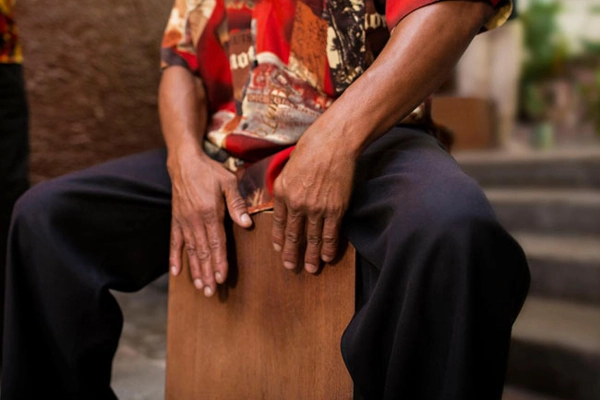
Cajón peruano
The cajón peruano is one of the most internationally recognized instruments from Peru. Made from a wooden box, this percussion instrument produces different rhythms depending on where the surface is struck.
Originally connected to Afro Peruvian communities along the coast, the cajón has become an essential part of Peru’s musical identity. Today, it is used in traditional performances as well as modern music around the world.
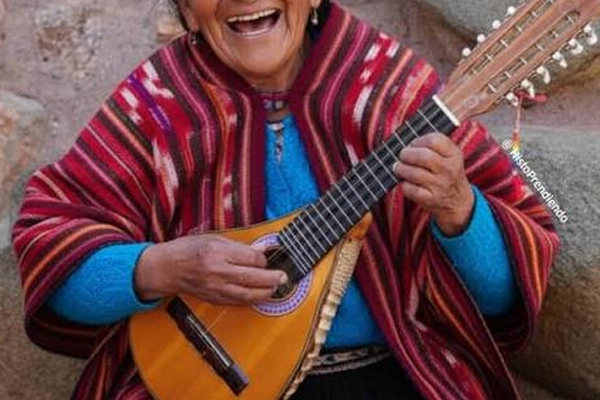
Charango
The charango is a small string instrument that developed in the Andes and became an important part of regional music traditions. It has a distinctive sound and is often used alongside other instruments in Andean musical performances.
This instrument represents the adaptation of different cultural influences within Peru. Over time, the charango became closely associated with Andean communities and continues to be valued for its unique melodies.
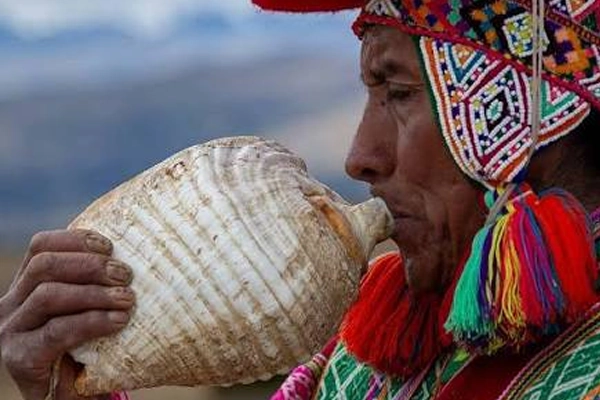
Pututo
The pututo is a wind instrument traditionally made from a large seashell. It was used by Andean communities as a ceremonial instrument and also served as a way to create signals across long distances.
Its connection to ancient traditions makes the pututo a meaningful example of how Peruvian musical instruments were linked not only to music but also to communication and community activities.
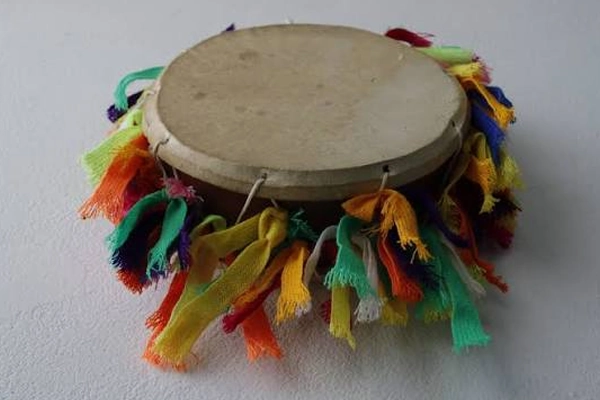
Tinya
The tinya is a small traditional drum from the Andes that has been used for generations during ceremonies, festivals, and community events. Its compact size allows it to be carried easily while producing rhythms that accompany different celebrations.
This percussion instrument remains an important part of Andean musical traditions. The tinya reflects the role of rhythm in bringing communities together and preserving cultural practices through music.
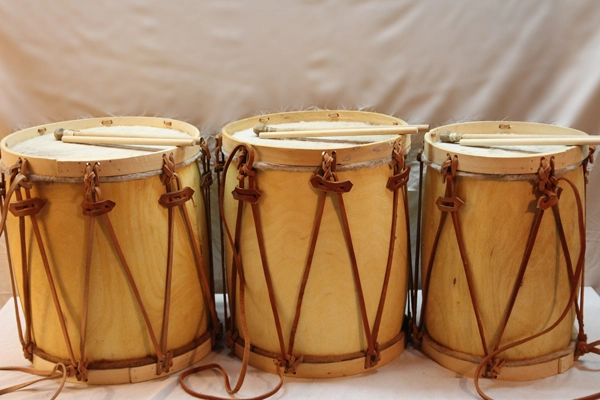
Bombo
The bombo is a large drum commonly found in Andean musical performances. Its deep sound adds strength and rhythm to traditional songs, especially during festivals and gatherings where music plays an important role.
As one of the traditional Peruvian musical instruments, the bombo highlights the importance of percussion in Peru’s cultural expressions. Its powerful sound continues to accompany performances that connect communities with their heritage.
You might be interested in: Quechuas expeditions tour operator in Peru for 2027
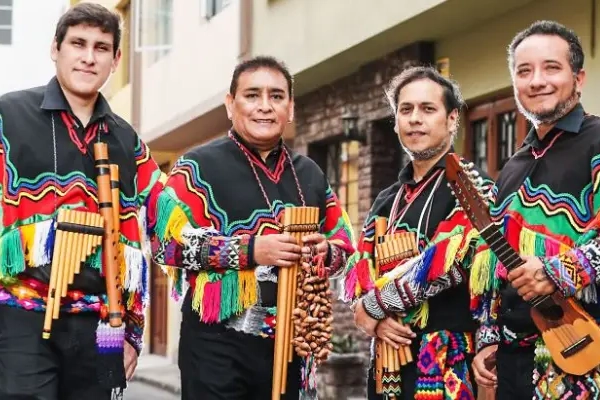
How Peruvian musical instruments are used today
Today, Peruvian musical instruments continue to play an important role in cultural events, artistic performances, and community traditions throughout the country. Although many of these instruments have ancient origins, they remain part of Peru’s current musical landscape and continue to be adapted by new generations of musicians.
From traditional gatherings to contemporary performances, these instruments represent the connection between historical practices and modern expressions. Their continued use helps preserve the sounds and traditions that are part of Peru’s cultural heritage.
Traditional festivals and celebrations
Traditional festivals and celebrations remain some of the most important spaces where Peruvian musical instruments are used today. In many regions, instruments such as quenas, zampoñas, charangos, and drums accompany dances, ceremonies, and community events that bring people together.
These musical traditions are often connected to local customs and regional identities. Through festivals, communities continue to share melodies and rhythms that have been preserved over generations, keeping their cultural practices active.
Contemporary music and cultural preservation
Many traditional instruments have also found a place in contemporary music, where musicians combine ancestral sounds with modern styles. This allows Peruvian musical instruments to reach new audiences while maintaining their historical significance.
Artists today continue to incorporate instruments such as the cajón peruano and charango into different musical genres. This combination of tradition and innovation helps preserve Peru’s musical heritage while allowing it to evolve with changing times.
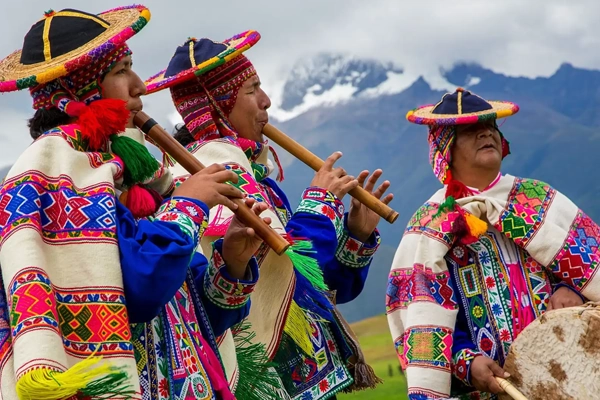
The legacy of traditional Peruvian music
The legacy of traditional Peruvian music is closely connected to the communities that have protected and shared their musical knowledge over time. Each instrument represents stories, materials, and practices that reflect the diverse regions of Peru.
Beyond entertainment, music has been a way to maintain cultural connections and pass important traditions from one generation to another. The continued presence of these sounds shows the lasting importance of music within Peru’s cultural identity.
Passing musical traditions to new generations
Teaching traditional music to younger generations plays an important role in preserving Peru’s musical heritage. Through families, local communities, and cultural organizations, many traditional techniques and melodies continue to be shared.
Learning to play these instruments allows younger musicians to maintain a connection with their history while creating new interpretations. This process ensures that traditional sounds remain part of Peru’s cultural expression.
Recognizing Peru’s cultural identity
Traditional music represents one of the many elements that define Peru’s cultural identity. The sounds created by these instruments reflect the diversity of the country’s regions, from the Andes and coast to the Amazon.
By recognizing the importance of these musical traditions, Peru continues to preserve the stories and practices connected to its past. These instruments remain a meaningful representation of the country’s history and cultural diversity.
You might be interested in: 10 sustainable tourism places around the world in 2026
Frequently asked questions about Peruvian musical instruments
The history and variety of Peruvian musical instruments often raise questions about their origins, importance, and the role they continue to have in the country’s traditions. From ancient wind instruments to modern interpretations of traditional sounds, each instrument reflects a different part of Peru’s cultural heritage.
These common questions help explain how these instruments developed, where they come from, and why they remain relevant in Peru’s music today.
What is the most famous musical instrument in Peru?
The cajón peruano is one of the most internationally recognized Peruvian musical instruments. Originally connected to Afro Peruvian communities along the coast, this wooden percussion instrument has become a symbol of Peru’s musical identity and is now used by musicians around the world.
Other instruments, such as the quena and charango, are also widely known because of their connection to Andean music. Their distinctive sounds have helped represent Peru’s traditional music in different countries.
Which musical instruments originated in Peru?
Several traditional instruments have origins connected to the communities and regions of Peru. Instruments such as the cajón peruano, quena, zampoña, and pututo have been used for generations and reflect the creativity of different cultural groups throughout the country.
Some instruments also developed through cultural exchanges over time, combining local traditions with external influences. This process contributed to the diverse range of sounds found in Peruvian music today.
Where can you hear traditional Peruvian music?
Traditional Peruvian music can be heard during festivals, cultural celebrations, and community events across the country. Regions such as Cusco, the Andes, and coastal areas continue to preserve musical traditions where traditional instruments are performed.
Visitors can also find these sounds in cultural centers, local performances, and traditional music groups. These spaces allow people to appreciate the rhythms and melodies that have been part of Peru’s heritage for generations.
The legacy of Peru’s musical traditions
The importance of Peruvian musical instruments goes beyond their sounds. Each instrument reflects the history of the communities that created, preserved, and continued to use them throughout different generations.
From ancient wind instruments to traditional percussion, these musical expressions remain an essential part of Peru’s cultural identity. Their continued presence shows how music can preserve memories, traditions, and connections between the past and the present.

