
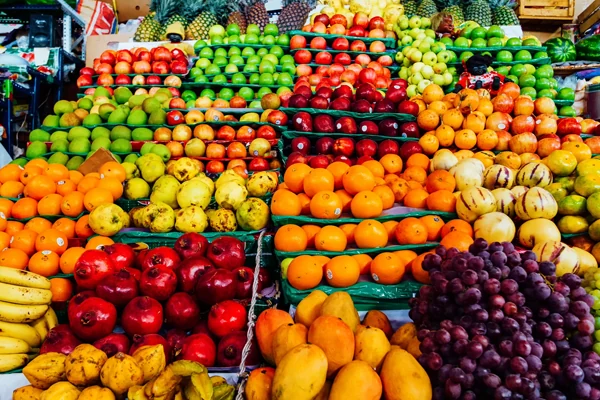
Peruvian fruits are a reflection of the country’s diverse landscapes, from the dry coastal valleys to the highlands of the Andes and the Amazon rainforest. The different climates found across Peru allow a wide range of native and traditional fruits to grow throughout its regions.
For centuries, these fruits have been connected to local agriculture, food traditions, and the knowledge of communities that have cultivated them over generations. Their unique characteristics provide insight into Peru’s natural diversity and the relationship between its people and environment.
You might be interested in: Quechuas expeditions tour operator in Peru for 2027
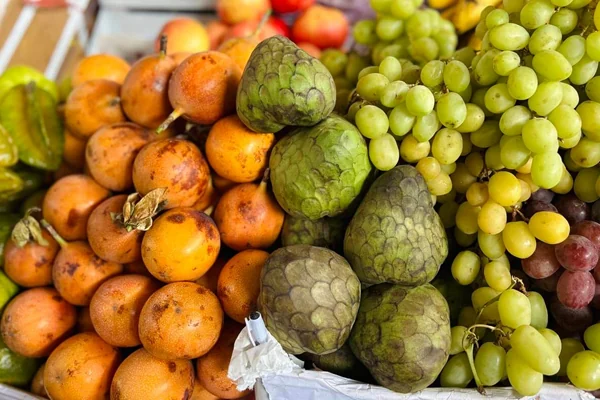
Why Peru has a wide variety of fruits
Peru is known for its incredible natural diversity, which allows many types of plants and fruits to grow throughout the country. From the Pacific coast to the Andes Mountains and the Amazon rainforest, each region has its own climate, landscapes, and agricultural traditions that influence the variety of fruits found today.
This combination of ecosystems has made peruvian fruits an important part of the country’s natural heritage. Many of these fruits have been cultivated for generations and continue to represent the connection between Peru’s environment, communities, and traditional ways of life.
A country with diverse ecosystems
Peru’s geography creates ideal conditions for growing different types of fruits throughout the year. The warm coastal valleys, high altitude areas in the Andes, and tropical Amazon regions each provide unique environments where specific plants can thrive.
The Amazon rainforest is home to many tropical fruits with distinctive flavors, while the Andes offer fruits adapted to cooler climates and high elevations. Meanwhile, the coast contributes with fruits that grow well in dry conditions thanks to irrigation and agricultural knowledge developed over centuries.
Native fruits from different regions of Peru
Many fruits found in Peru are native species that have been part of local diets and traditions for hundreds of years. Fruits such as lucuma, camu camu, aguaymanto, and cherimoya are examples of ingredients that reflect the country’s biodiversity and the knowledge of Andean and Amazonian communities.
Beyond their unique flavors, these native fruits also show the relationship between people and the landscapes where they live. Today, they are appreciated both in Peru and internationally, helping introduce more people to the natural richness of the country.
10 peruvian fruits and the regions where they grow
Peru is home to a remarkable variety of fruits that reflect the diversity of its landscapes, climates, and ecosystems. From the Pacific coast to the Andes Mountains and the Amazon rainforest, each region provides unique conditions where different species can grow and become part of local traditions.
Many peruvian fruits have been cultivated and enjoyed for generations, representing the connection between communities and the natural environments where they live. Their unique flavors, textures, and origins have also helped introduce Peru’s biodiversity to people around the world.
Lucuma
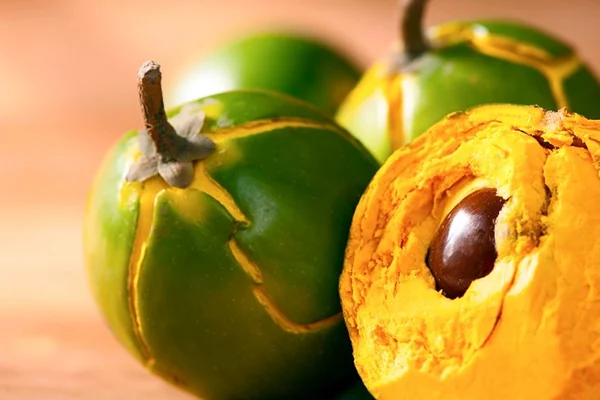
Lucuma is one of the most recognized peruvian fruits and has been part of local traditions for centuries. This fruit has a green outer skin and a soft orange interior with a naturally sweet flavor that is often compared to caramel or maple. Its unique taste has made it a favorite ingredient in many traditional and modern recipes.
Unlike many tropical fruits, lucuma is not usually eaten fresh because of its dry texture. Instead, it is commonly used in ice creams, desserts, smoothies, and other sweet preparations. As one of the most appreciated fruits from Peru, lucuma represents the connection between native ingredients and the country’s culinary heritage.
Camu camu
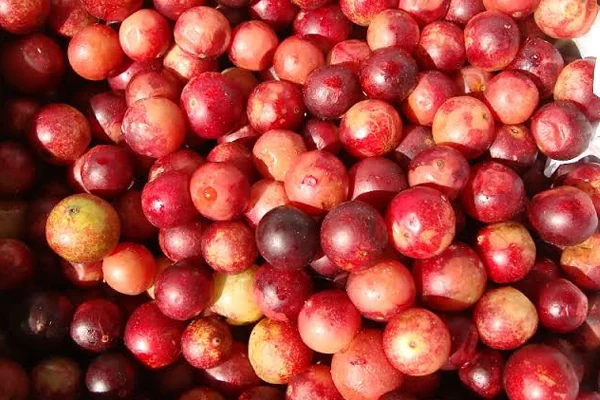
Camu camu is one of the most distinctive peruvian fruits from the Amazon rainforest. This small fruit is known for its bright color, acidic flavor, and high vitamin C content. It grows naturally near rivers, where the tropical environment provides ideal conditions for its development.
Because of its strong taste, camu camu is often used in juices, beverages, sauces, and nutritional products. Its popularity has introduced more people to the unique ingredients that come from Peru’s Amazon region.
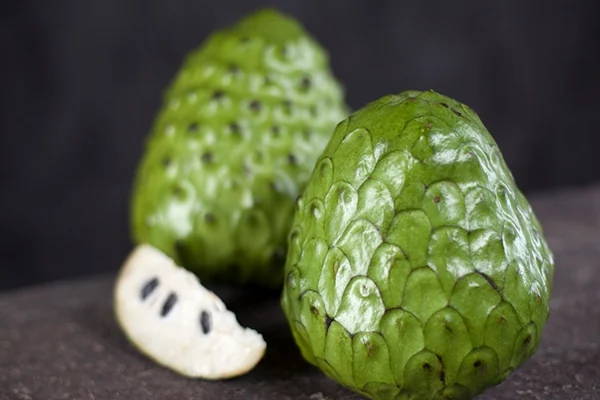
Cherimoya
Cherimoya is a fruit with a green textured skin and a creamy interior with a naturally sweet flavor. It is often described as having notes similar to banana, pineapple, and vanilla, making it one of the most appreciated fruits in the country.
Among the different peruvian fruits found in the Andes, cherimoya stands out because of its delicate texture and traditional importance. It has been cultivated in Andean valleys for generations and continues to be valued for its unique characteristics.
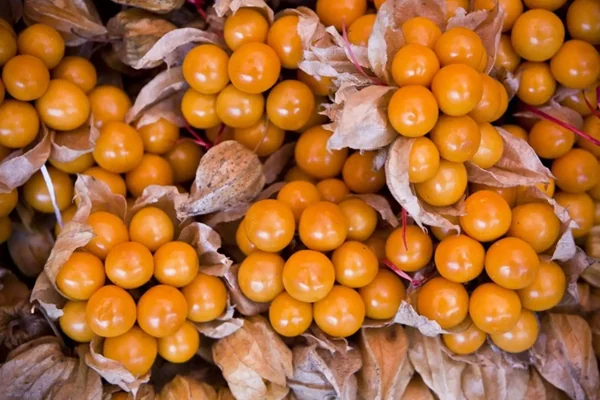
Aguaymanto
Aguaymanto, also known as goldenberry, is a small orange fruit covered by a delicate husk. It has a balance of sweet and slightly tart flavors, making it popular both fresh and dried.
This native Andean fruit is commonly used in jams, desserts, and snacks. Like many peruvian fruits, aguaymanto reflects the relationship between local communities and the natural resources available in their regions.
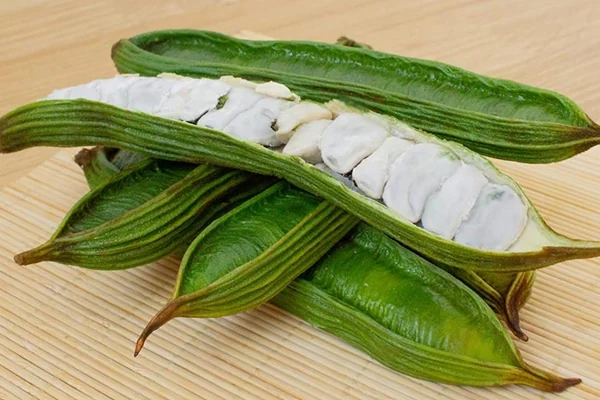
Pacay
Pacay is a unique fruit recognized by its long green pod and soft white pulp. Inside, the edible part has a sweet flavor and a light texture that has earned it the name ice cream bean in some countries.
This fruit has been consumed in Peru for generations and remains an interesting example of the diversity of peruvian fruits. Its unusual appearance and flavor highlight the variety of native species found throughout the country.
You might be interested in: 10 sustainable tourism places around the world in 2026
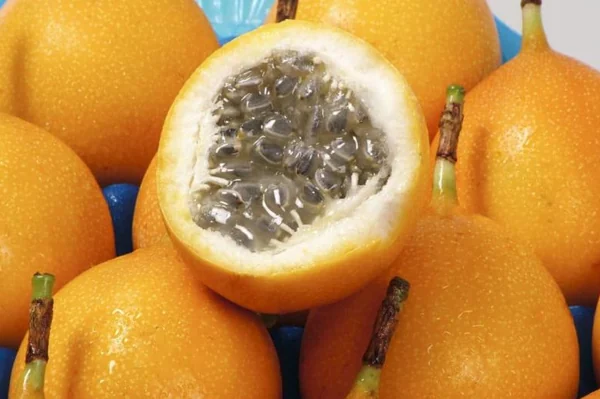
Granadilla
Granadilla is a popular fruit known for its round shape, orange yellow skin, and sweet pulp filled with small edible seeds. It has a refreshing flavor and is commonly enjoyed fresh or used in natural drinks.
Growing mainly in the Andean regions, granadilla has become a familiar fruit in local markets and households. Its easy consumption and pleasant taste have made it one of the fruits many visitors enjoy when learning about Peru’s food traditions.
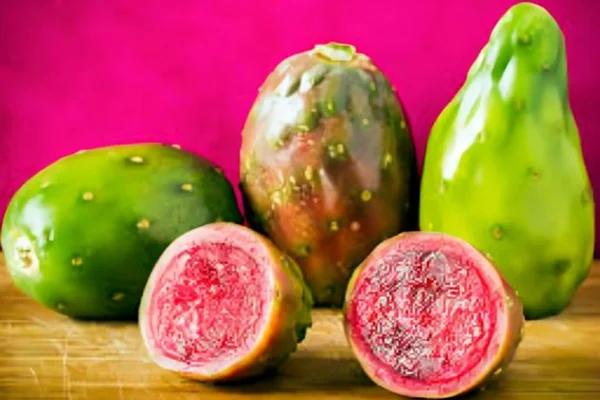
Tuna
Tuna is the fruit of the prickly pear cactus and is commonly found in Peru’s dry and highland areas. It comes in different colors, including green, red, and purple, with a juicy interior containing small seeds.
This fruit has been an important part of Andean communities for generations. It represents how peruvian fruits can adapt to different environments, from mountain landscapes to agricultural areas where local traditions continue today.
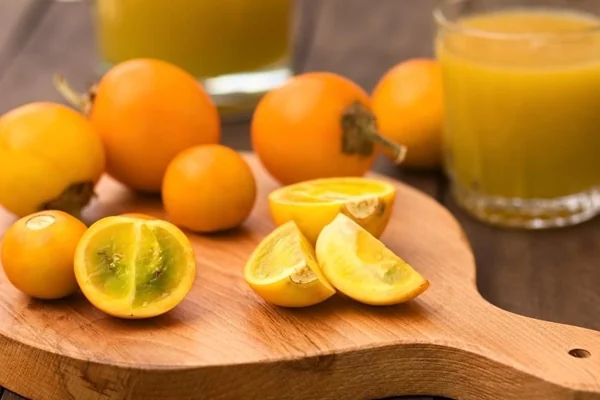
Cocona
Cocona is a fruit native to the Peruvian Amazon with a yellow orange color and a slightly acidic flavor. Its taste is often compared to a combination of citrus fruits and tomatoes, giving it a unique profile.
Used in juices, sauces, and traditional preparations, cocona is another example of the diversity of peruvian fruits that come from the Amazon rainforest. It helps showcase the many lesser known species that contribute to Peru’s natural richness.
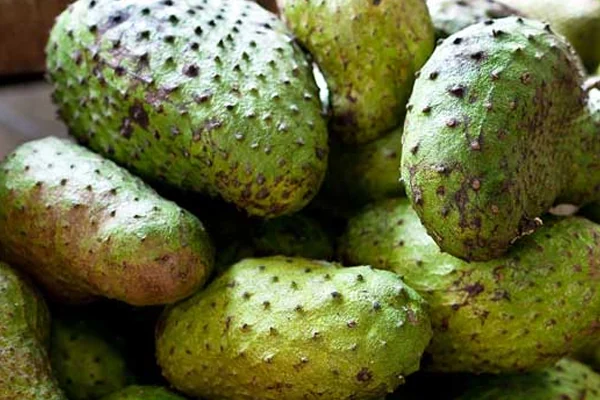
Soursop
Soursop, known as guanábana in Peru, is a tropical fruit with green spiky skin and soft white pulp. Its sweet and creamy flavor makes it a popular ingredient in drinks, desserts, and fresh preparations.
This fruit grows in warmer regions and has been enjoyed by communities across Peru for generations. Its versatility has also helped introduce more people to the wide range of peruvian fruits available throughout the country.
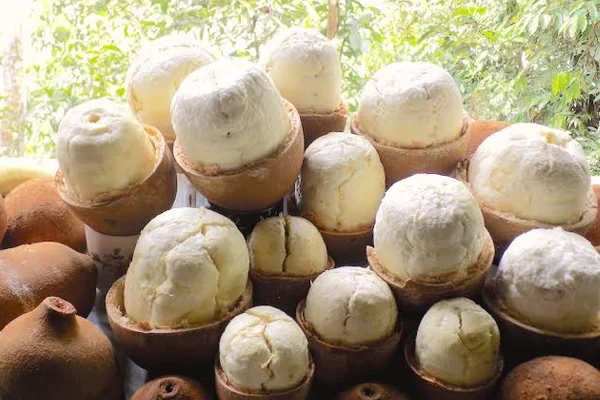
Copoazú
Copoazú is a tropical fruit native to the Amazon rainforest and is closely related to cacao. It has a thick brown shell and a creamy white pulp with a rich flavor that combines notes of chocolate, pineapple, and pear.
In Peru, copoazú is used to prepare juices, desserts, jams, and sweets, making it an important ingredient in Amazonian cuisine. As one of the lesser known peruvian fruits, it reflects the remarkable biodiversity of the rainforest and the variety of native species found in the region.
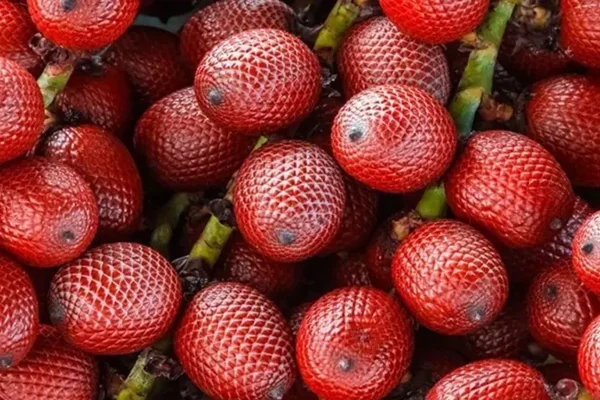
Fruits from the coast, Andes, and Amazon
Peru’s diverse geography plays an important role in the variety of fruits that grow throughout the country. The combination of coastal valleys, high altitude areas, and tropical forests creates different environments where many native species can develop and become part of local traditions.
From dry coastal landscapes to the mountains and the Amazon rainforest, each region has its own selection of fruits with unique flavors and characteristics. Understanding where these fruits come from helps highlight the connection between Peru’s ecosystems and its agricultural heritage.
Coastal fruits of Peru
The Peruvian coast is known for its valleys surrounded by desert landscapes, where agriculture has developed thanks to irrigation systems and favorable conditions. Fruits grown in this region often benefit from warm temperatures and fertile areas near rivers.
Some fruits commonly found along the coast include grapes, mangoes, avocados, and citrus fruits. These crops have become an important part of Peru’s agricultural production and complement the variety of native peruvian fruits found in other regions.
Andean fruits
The Andes Mountains provide a unique environment where fruits can grow at high altitudes and adapt to cooler climates. Many of these fruits have been cultivated by Andean communities for generations and continue to be part of local diets.
Fruits such as cherimoya, aguaymanto, and pacay are examples of species connected to the Andean landscape. These peruvian fruits represent the knowledge of communities that have maintained traditional cultivation practices across mountain regions.
Amazonian fruits
The Peruvian Amazon is one of the richest areas in terms of biodiversity, offering a wide variety of tropical fruits that are not commonly found in other parts of the world. The warm and humid environment allows many native species to grow naturally.
Camu camu, cocona, and other Amazonian fruits are valued for their distinctive flavors and characteristics. These peruvian fruits showcase the natural richness of the rainforest and the importance of preserving the ecosystems where they grow.
You might be interested in: 15 incredible animals from Peru that you can see in the trip
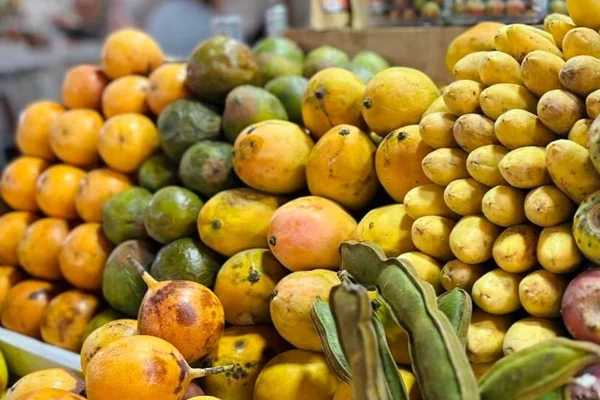
How peruvian fruits are part of local traditions
Fruits have always been connected to daily life in Peru, from traditional recipes passed down through generations to ingredients used in celebrations and family gatherings. Beyond their flavors, many fruits represent the relationship between communities and the landscapes where they are cultivated.
Today, peruvian fruits continue to be appreciated both locally and internationally. They are used in different preparations that reflect Peru’s culinary creativity while preserving the importance of native ingredients.
Fruits used in traditional drinks
Many fruits in Peru are commonly transformed into refreshing beverages enjoyed throughout the country. Fresh juices made with ingredients such as camu camu, passion fruit, lucuma, and other local fruits are popular choices in homes, markets, and restaurants.
These drinks highlight the natural flavors of Peru’s different regions and provide a simple way to enjoy the diversity of local produce. For many communities, fruit based beverages are also connected to traditional ways of sharing food and hospitality.
Fruits in peruvian desserts and cuisine
Peruvian fruits are widely used in desserts and culinary preparations, adding unique flavors and textures to traditional recipes. Lucuma, for example, is especially appreciated in ice creams and sweets, while other fruits are used in jams, sauces, and baked products.
The use of these ingredients shows how Peru’s natural resources continue to influence its cuisine. By combining native fruits with different cooking techniques, Peru maintains a connection between its past traditions and modern culinary expressions.
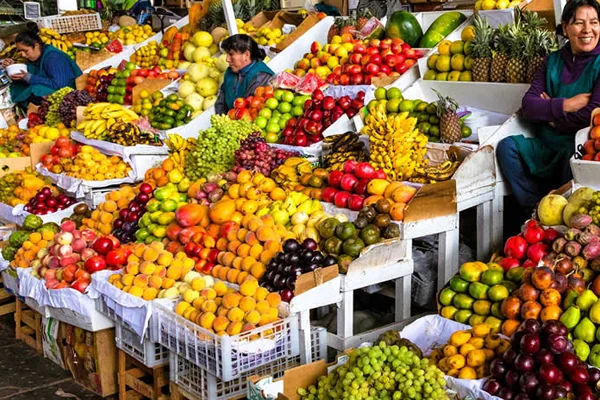
The importance of Peru’s native fruits
Native fruits are an important part of Peru’s natural and cultural heritage. Many of these species have grown in the country for centuries and have been connected to the traditions, knowledge, and lifestyles of different communities across the coast, Andes, and Amazon.
Beyond their unique flavors, these fruits represent the biodiversity of Peru and the relationship between people and their environment. Today, they continue to gain recognition as more people become interested in the origins and characteristics of peruvian fruits.
Biodiversity and agricultural heritage
Peru’s wide range of ecosystems allows many native fruits to grow in different environments, from high altitude valleys to tropical forests. This diversity has helped preserve unique species that are adapted to specific regions of the country.
For generations, local communities have cultivated and used these fruits as part of their daily lives. This agricultural knowledge has been passed down over time, helping maintain traditional practices and protect the connection between native plants and Peru’s landscapes.
Growing interest around the world
In recent years, many peruvian fruits have gained attention internationally due to their distinctive flavors and unique origins. Ingredients such as lucuma, camu camu, and aguaymanto are increasingly recognized in global markets and used in different food products.
This growing interest has helped introduce Peru’s biodiversity to a wider audience while highlighting the value of preserving native species. As more people learn about these fruits, they also gain a better understanding of the natural richness found throughout the country.
| Fruit | Main region | Notable characteristic |
|---|---|---|
| Lucuma | Andes | Sweet orange flesh commonly used in desserts. |
| Camu camu | Amazon | Small fruit known for its high vitamin C content. |
| Cherimoya | Andes | Creamy texture with a naturally sweet flavor. |
| Aguaymanto | Andes | Small golden fruit with a sweet and tangy taste. |
| Pacay | Coast and Andes | Long green pod with soft, sweet white pulp. |
| Granadilla | Andes | Sweet pulp filled with edible seeds. |
| Tuna | Andes | Fruit of the prickly pear cactus with juicy flesh. |
| Cocona | Amazon | Tropical fruit with a refreshing acidic flavor. |
| Soursop (Guanábana) | Amazon and tropical regions | Soft white flesh with a sweet tropical flavor. |
| Copoazú (Cupuaçu) | Amazon | Creamy pulp with a rich tropical flavor. |
You might be interested in: Kenko Adventures: An Authentic Way to Explore Peru’s Most Iconic Destinations
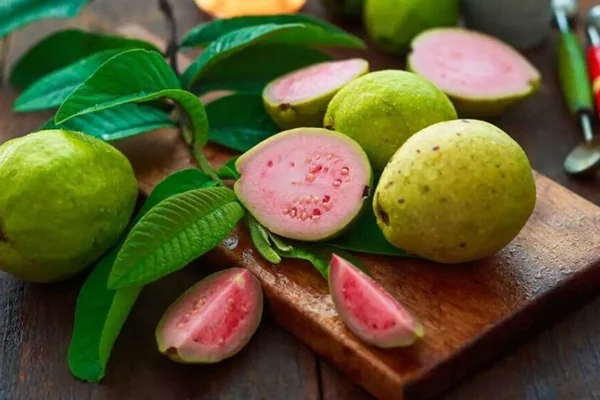
Frequently asked questions about Peruvian fruits
Peruvian fruits are known for their variety, unique flavors, and connection to different regions of the country. From native Andean species to Amazonian fruits, many options reflect Peru’s diverse ecosystems and long agricultural history.
Below are some common questions about these fruits and their origins, popularity, and where they can be experienced.
What fruits are native to Peru?
Some fruits native to Peru include lucuma, camu camu, aguaymanto, pacay, cocona, and cherimoya. These fruits come from different regions, including the Andes and the Amazon rainforest, where local communities have cultivated and consumed them for generations.
Each native fruit has its own characteristics, from unique flavors to specific growing conditions. Together, they represent the incredible biodiversity found across Peru.
What is the most popular fruit in Peru?
There is no single fruit considered the most popular in Peru, as preferences vary depending on the region and local traditions. However, fruits such as lucuma, chirimoya, mango, and passion fruit are widely appreciated throughout the country.
Among native options, lucuma is especially recognized because of its distinctive flavor and its frequent use in desserts and other culinary preparations.
Where can you try Peruvian fruits?
The best places to try Peruvian fruits are local markets, traditional food markets, and restaurants throughout the country. Cities such as Lima and Cusco offer many opportunities to taste fresh fruits from different regions.
Visitors can also find these fruits in juices, desserts, and traditional dishes, allowing them to experience the variety of flavors that make Peru’s natural produce unique.
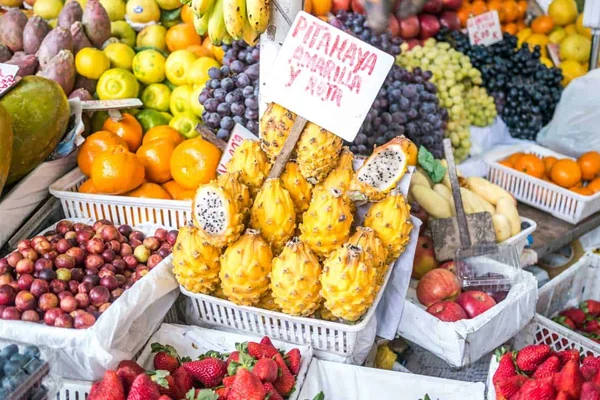
The legacy of Peru’s native fruits
The variety of Peruvian fruits highlights the importance of Peru’s ecosystems and agricultural heritage. Fruits such as lucuma, camu camu, cherimoya, and aguaymanto represent the different regions of the country and the traditions associated with them.
Beyond their flavors and uses, these fruits are part of Peru’s natural identity. Their continued appreciation helps preserve knowledge about native species and the connection between communities, landscapes, and local traditions.

