
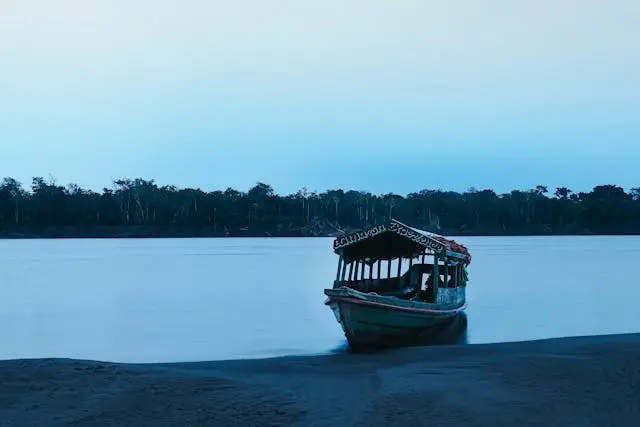
The Peruvian jungle is one of the most biodiverse, magical, and fascinating destinations on the planet. This immense green lung is not only home to thousands of unique species of flora and fauna, but also a land filled with stories, ancestral traditions, and a deep connection with nature. Walking through its trails, navigating its rivers, or listening to its sounds is an experience that awakens all the senses and invites us to see the world differently.
In addition to being the green heart of Peru, the Peruvian jungle is a living stage where Amazonian cultures, surprising animals, and otherworldly landscapes coexist in perfect harmony. Traveling to this region is not only a natural adventure but also an opportunity to immerse yourself in a cultural richness that transforms you.
If you’re planning your journey, choosing a trusted Peru tour operator can make all the difference helping you explore the jungle responsibly, connect with local communities, and truly experience the heart of the Amazon.
In this post, we share 10 must-visit tourist destinations in the Peruvian jungle, along with key information about its flora, fauna, iconic animals, and useful tips on what clothes to pack. Because more than a trip, visiting the jungle is an experience that stays engraved in your soul.
You may also like: Key dates for a complete Peruvian experience: wildlife, trees, and ancient routes
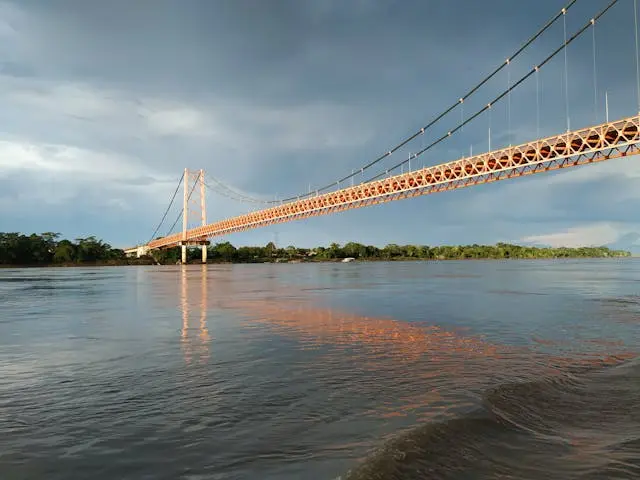
Top 10 Must-Visit Destinations in the Peruvian Jungle
1. Manu National Park (Madre de Dios)
Considered one of the most diverse ecosystems on Earth, Manu National Park is a paradise for nature lovers. With limited access to preserve its richness, you can come face to face with over 1,000 species of birds, including the Andean cock-of-the-rock and the harpy eagle. You’ll also see giant otters, tapirs, jaguars, and an enormous variety of monkeys. The clay licks, where parrots and macaws feed, are one of its most spectacular sights. Many expeditions include visits to Machiguenga native communities, where you can learn about their worldview and lifestyle.
You may also like: Traditional Festivals in Peru That Will Blow Your Mind
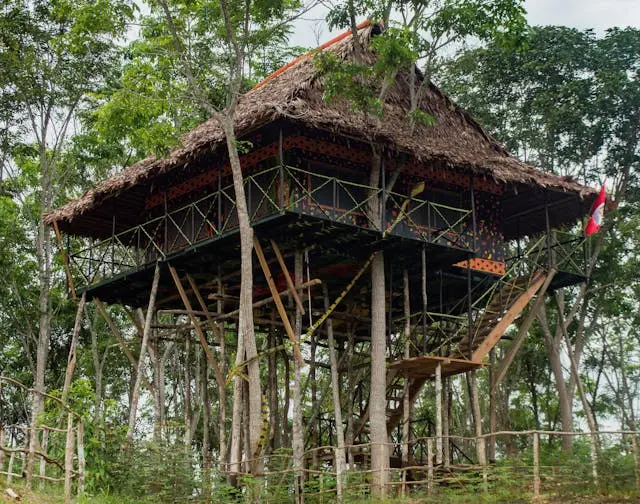
2. Pacaya Samiria National Reserve (Loreto)
Nicknamed “The Jungle of Mirrors” for the perfect reflection of its calm waters, this is the second-largest protected natural area in Peru. It’s home to the pink river dolphin, one of the most iconic and elusive animals to spot in the wild. You can canoe through its rivers, camp deep in the jungle, and witness impressive wildlife: manatees, anacondas, howler monkeys, taricaya turtles, and birds like the hoatzin. It’s ideal for travelers seeking total disconnection and direct contact with nature.
You may also like: Unique Adventures in the Peruvian Amazon
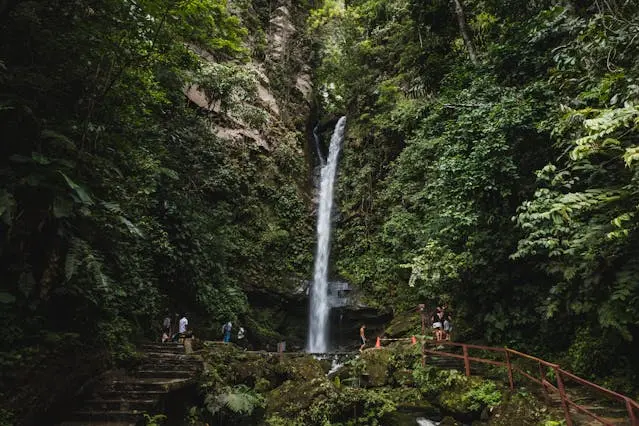
3. Tarapoto and the Blue Lagoon (San Martín)
Tarapoto is one of the most accessible gateways to the Peruvian jungle. Just two hours away by car, the Blue Lagoon in Sauce offers warm waters ideal for swimming, kayaking, or relaxing on a raft while watching the mountains. The warm weather year-round and the range of hotels and eco-lodges make it perfect for all types of travelers. You can also explore nearby waterfalls like Huacamaillo or enjoy Amazonian cuisine at lakeside restaurants perfect for a relaxing escape with mild doses of adventure.
You may also like: Travel Guide to Peru: Destinations That Connect History
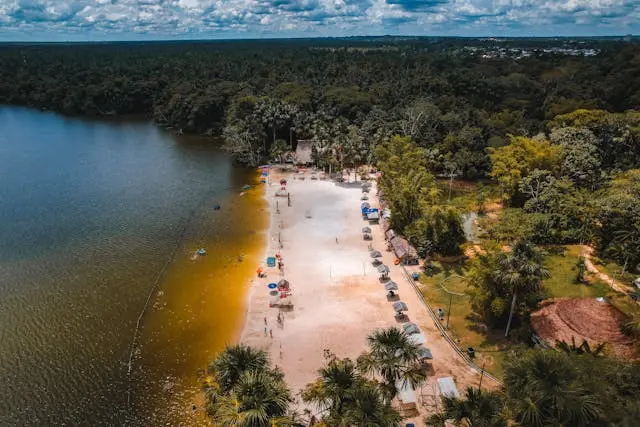
4. Iquitos and the Amazon River (Loreto)
The largest city in the world with no road access is the heart of the Peruvian Amazon. From Iquitos, you can sail along the mighty Amazon River, visit animal rescue centers like CREA or Pilpintuwasi (butterfly sanctuary), and join cultural experiences with Bora and Yagua communities. It’s also a popular destination for spiritual retreats using traditional Amazonian medicine. Its floating markets, colonial architecture, and life centered around the river make it a fascinating stop.
You may also like: Secret Paths of Machu Picchu: An Unforgettable Experience
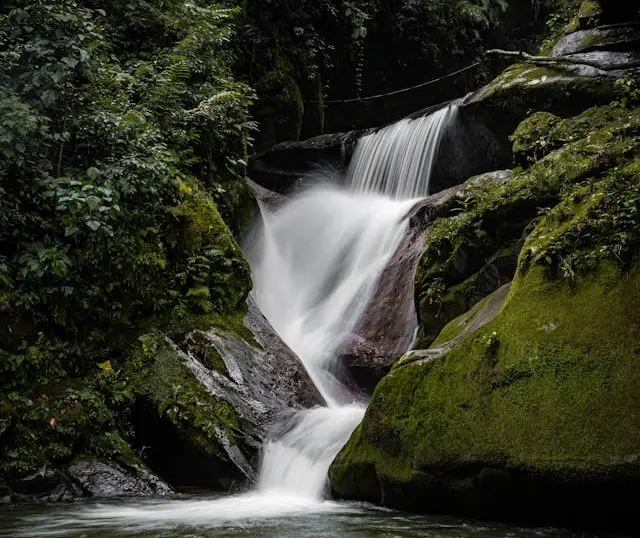
5. Ahuashiyacu Waterfall (San Martín)
Just 30 minutes from Tarapoto, this 40-meter waterfall is one of the region’s most visited. With easy access and surrounded by tropical vegetation, it’s perfect for a refreshing dip or a picnic. The path to the falls is filled with butterflies, ferns, and birdsong an essential stop for nature lovers visiting Tarapoto.
You may also like: Chachapoya Culture: Peru’s Hidden Legacy
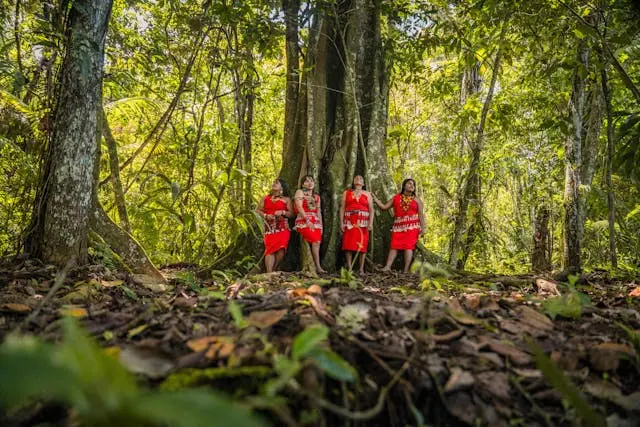
6. Pucallpa and Lake Yarinacocha (Ucayali)
Less known than other Amazonian cities, Pucallpa has its own charm. At Lake Yarinacocha, you can ride in a small boat called “peque peque,” spot waterbirds and gray dolphins, and visit Shipibo Conibo communities, famous for their visionary art and symbolic weaving. The area is also great for spiritual retreats and traditional medicine, making it an attractive choice for travelers seeking off the beaten path experiences and cultural immersion.
You may also like: Trekking in Peru: Explore the best trails beyond the Inca trail
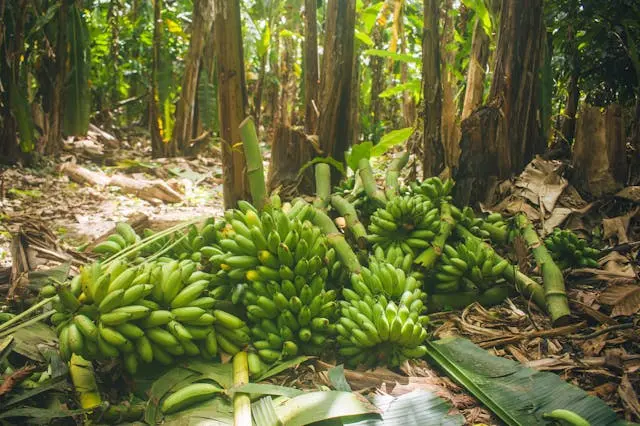
7. Tingo María and the Cave of the Owls (Huánuco)
Tingo María is the gateway to the central jungle. Its famous national park houses the Cave of the Owls, inhabited by guacharos rare nocturnal birds along with bats, stalactites, and stalagmites. You can also hike to the Sleeping Beauty Mountain, explore underground rivers, and enjoy hot springs. It’s a great option for travelers who want jungle access without giving up adventure.
8. Sierra del Divisor National Park (Ucayali and Loreto)
One of the most remote and unexplored parks in Peru. Its mountainous landscapes, inactive volcanoes, and virgin forests make it a unique destination for extreme trekking and photography. Access is difficult, preserving its wild magic. It’s home to Asháninka and Kakataibo communities and an incredibly diverse fauna: tapirs, jaguars, woolly monkeys, guans, and more. Nature here is in its purest form.
You may also like: Shamanism in Peru: Exploring ancestral spiritual practices
9. Puerto Maldonado and Tambopata Reserve (Madre de Dios)
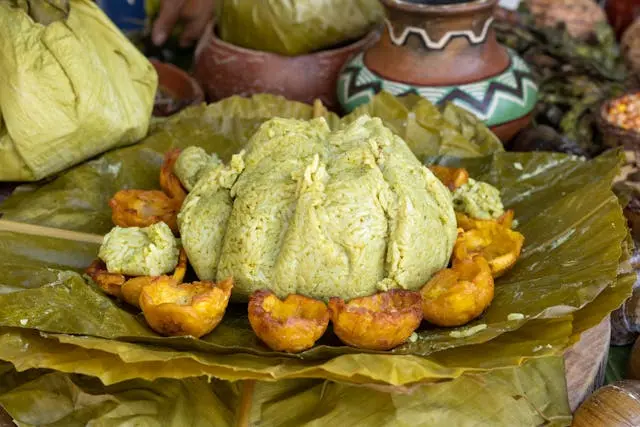
A well-connected destination with plenty of sustainable lodging options. Tambopata is a dream for birdwatchers: over 600 species have been recorded, including toucans, macaws, and hawks. You can explore Lake Sandoval, walk on hanging bridges among the treetops, and spend the night in eco-lodges surrounded by jungle sounds. It’s also one of the best places to spot giant otters and capuchin monkeys.
10. Oxapampa and Pozuzo (Pasco)
Though technically part of the high jungle, these destinations offer a unique mix of lush nature and Austro German cultural heritage. Pozuzo, founded by Tyrolean and Prussian settlers in the 19th century, retains its architecture and traditions. The scenery of cloud forests, coffee farms, and crystal clear rivers is perfect for light hikes, cycling, and agritourism. Ideal for those seeking peace, culture, and immersion in a green setting.
You may also like: Sacred Valley: gateway to Cusco’s most iconic routes
Flora and Fauna of the Peruvian Jungle
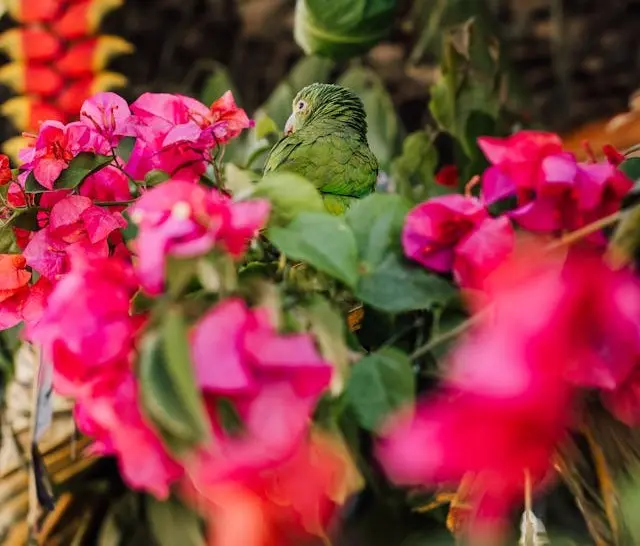
The flora includes thousands of species of trees, medicinal plants, orchids, bromeliads, and vines. The quinine tree, cat’s claw, and ayahuasca are just a few examples of its botanical wealth.
As for fauna, iconic animals include:
- Jaguar: an endangered feline, very elusive.
- Pink dolphin: lives in Amazonian rivers.
- Macaws and toucans: vibrant-colored birds.
- Howler and capuchin monkeys: common in reserves like Tambopata.
- Anacondas and boas: large snakes that inhabit wet areas.
- Poison frogs, sloths, giant otters, among others.
Each region has its own mix of species adapted to the climate, altitude, and humidity of the area.
What to Wear in the Peruvian Jungle
Traveling to the jungle requires preparation. The right clothing can make a big difference:
- Long-sleeve shirts and lightweight pants: protect from sun and mosquitoes.
- Quick-dry clothing: ideal due to humidity and sudden rain.
- Raincoat or poncho: essential during the rainy season (November to March).
- Trekking boots or shoes with good grip: for walking on muddy trails.
- Hat or cap and sunglasses: for protection from tropical sun.
- Insect repellent and sunscreen: must-haves in your backpack.
If you plan to stay in lodges or go on long excursions, consider packing a flashlight, reusable water bottle, binoculars, and a light backpack.
Exploring the Peruvian jungle is one of the most enriching experiences you can live in South America. From its mesmerizing landscapes to the warmth of its people, everything invites a deep connection with nature. You just need to be prepared, travel respectfully, and let yourself be amazed by the green lungs of Peru.
Many travelers combine their jungle trip with other breathtaking destinations in the country. After your jungle adventure, you might want to explore Puno tours, where the culture of Lake Titicaca will leave you speechless, or enjoy the desert landscapes and vineyards through Ica tours, perfect for those who want to complete their Peruvian experience with contrasting yet equally magical settings.
But beyond the tourist spots, the Peruvian jungle teaches you something essential: to see with new eyes. To understand that every tree, every river, every bird’s song, and every community is part of an ancestral balance worth protecting. Traveling to the jungle is also about committing to care for it, support sustainable tourism, and value the cultural richness that beats among its trees.
So, if you’re looking for a trip that will awaken all your senses and transform you from within, the Peruvian jungle awaits with open arms. It won’t be just another trip it will be a living, powerful, and deeply human experience.

