
If you’re planning to travel to South America and want to dive deep into its vibrant culture, traditional festivals in Peru are a must-see. These celebrations go far beyond colorful parades they are windows into centuries of indigenous, colonial, and spiritual history that still pulse through modern Peruvian life. From highland rituals to coastal parades, traditional festivals in Peru will blow your mind with their intensity, color, and meaning.
Why Traditional Festivals in Peru Are So Unique
Peru is home to a cultural fusion like no other. The blend of Andean traditions with Spanish colonial influence has created an extraordinary calendar of events. Traditional festivals in Peru often combine Catholic elements with ancient indigenous beliefs, resulting in ceremonies that are both sacred and joyful. These aren’t just performances for tourists they’re lived, felt, and deeply rooted in local identity.
Top Traditional Festivals in Peru You Can’t Miss
Let’s take a look at some of the most unforgettable traditional festivals in Peru, where you can witness sacred rituals, dazzling costumes, and a sense of community that transcends time.
Inti Raymi : The Festival of the Sun (Cusco)
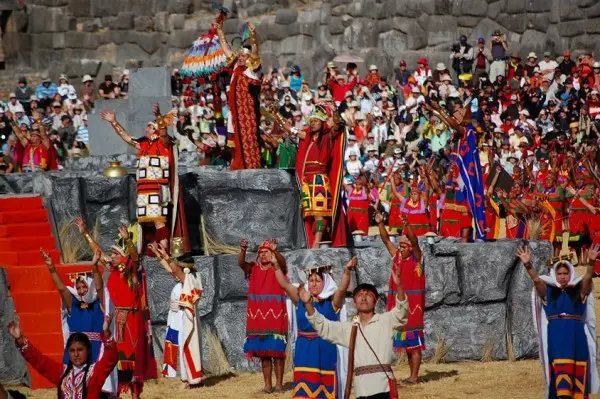
Every June 24th, Cusco becomes the center of the ancient Inca Empire. Inti Raymi is one of Peru’s most iconic traditional festivals, honoring the sun god Inti. It consists of a dramatic reenactment of Inca rituals at Sacsayhuamán, just outside the city.
Parades in traditional Inca costumes, ancestral music, ceremonial sacrifices, and thousands of locals and travelers gather in Cusco’s historic center. The city transforms into a stage, and the energy is electrifying as ancient customs are revived before your eyes. It’s a journey through time that leaves spectators in awe.
Virgen de la Candelaria (Puno)
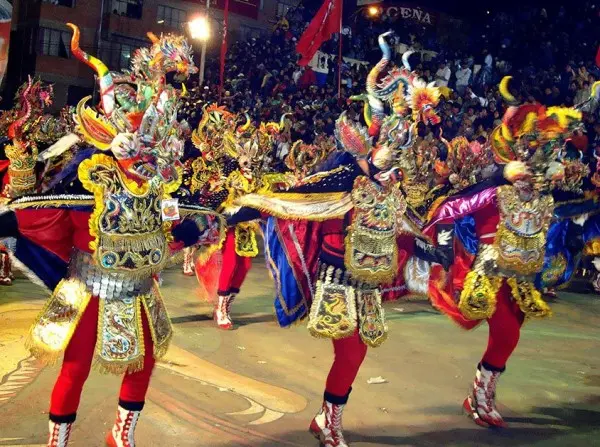
Held in February in the city of Puno, this festival is one of the most important cultural events in South America. It combines Catholic worship with Andean traditions, making it one of Peru’s richest traditional festivals.
There is a variety of music, dance competitions, elaborate masks, and more than 40,000 dancers and musicians. The festival lasts two weeks and includes religious processions and fierce dance battles that demonstrate local pride and talent. The devotion to the Virgin is palpable, and the rhythm of the drums resonates throughout the city’s hills and lake shores.
Qoyllur Rit’i : The Snow Star Festival (Sinakara Valley)
A spiritual pilgrimage in the Andes held in late May or early June, this festival is celebrated at over 4,000 meters above sea level. Qoyllur Rit’i stands out among Peru’s traditional festivities for its deep connection with nature and spirituality.
On that day, thousands of pilgrims walk for days to reach the sacred valley of Sinakara, where rituals are performed at the foot of the glaciers. Sacred dances, nightly ceremonies, and a deep religious faith dominate the scene. It is a physically and spiritually demanding experience that reveals the strong ties between the Andean peoples and the Apus, the spirits of the mountains.
Señor de los Milagros (Lima)
Every October, Lima is painted purple as thousands of devotees take part in processions honoring “The Lord of Miracles.” As one of the most important religious traditional festivals in Peru, it showcases deep faith and community unity.
Giant religious processions with an image of Christ painted on a canvas that miraculously survived earthquakes, purple robed participants chanting and praying, and streets covered in flower petals. Businesses, homes, and even public transportation reflect the color of devotion. For many Peruvians, this is the most sacred time of the year.
Fiesta de la Vendimia (Ica)
In March, Ica celebrates the grape harvest with wine tastings, food fairs, and traditional dances. It’s one of the few traditional festivals in Peru that focuses on agriculture and gastronomy.
What to expect: Wine competitions, grape stomping contests, beauty pageants, parades, and live music. It’s a festive, relaxed event where visitors can indulge in Pisco ,Peru’s national drink ,and enjoy the bounty of the desert oasis region. This festival beautifully blends cultural pride with culinary celebration.
Carnaval (Throughout Peru)
Carnaval in Peru varies by region, but it always involves vibrant colors, water fights, and community fun. Among the most energetic traditional festivals in Peru, Carnaval is especially wild in Cajamarca and Ayacucho.
Expect to get wet water balloons, buckets, and foam are all part of the fun. There are street dances, traditional costumes, humorous skits, and spontaneous celebrations that blur the line between performer and audience. In the highlands, locals perform yunza , cutting down decorated trees full of gifts ,while others dance in circles. It’s chaotic, loud, and incredibly joyful.
Corpus Christi (Cusco)
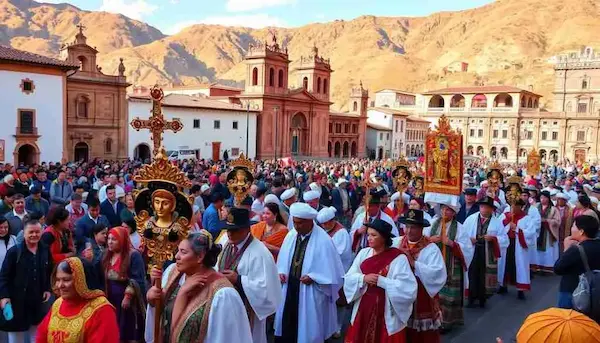
This Catholic festival, held in June, blends religious devotion with Andean flair. Corpus Christi stands out among traditional festivals in Peru for its grand processions and symbolic offerings.
Ornate saints’ statues from 15 Cusco parishes are carried to the Cathedral in a majestic procession. The air smells of incense and local delicacies like chiriuchu, a traditional Andean dish served only during the festival. There’s a powerful sense of unity as people gather in Plaza de Armas, honoring both their Christian and indigenous roots.
You may also be interested in: Chachapoya Culture: Peru’s Hidden Legacy
When Is the Best Time to Experience Traditional Festivals in Peru?
Peru has traditional festivals throughout the year, but the times with the greatest concentration are from February to March when Carnival and the Virgin of Candelaria are celebrated. There are also the months from June to August when Inty Raymi, Corpus Christi and Qoyllur Rit’i are celebrated, and finally we have the Lord of Miracles. Each season offers unique celebrations depending on the region, from coastal towns to mountain cities.
You may also be interested in: Unique Adventures in the Peruvian Amazon

Tips for Travelers Attending Traditional Festivals in Peru
Below we will show you some types so that you can have a good trip and an unforgettable experience in Peru, even more so during these holidays.
- Book Early: Hotels and transportation fill up fast, especially in Cusco and Puno.
- Respect Local Customs: Many traditional festivals in Peru are sacred to locals. Dress appropriately and ask before taking photos.
- Be Prepared for Altitude: Festivals in the Andes are held at high elevations ,acclimatize before participating.
- Bring Cash: Not all towns have ATMs, especially during crowded festival days.
- Stay Hydrated and Protected: Dancing and walking under the sun can be exhausting ,sunscreen and water are essentials.
- Learn a Bit of Spanish or Quechua: A few phrases can go a long way in connecting with locals.
You may also be interested in:Secret Paths of Machu Picchu: An Unforgettable Experience
Final Thoughts: Dive into the Heart of Peru’s Culture
If you want to do more than just visit Peru if you want to feel it then joining one of the many traditional festivals in Peru is your ticket in. They’re not just events; they’re memories that stay with you long after the music ends and the costumes are packed away. From the mystical mountaintops of Qoyllur Rit’i to the lively streets of Lima during Señor de los Milagros, traditional festivals in Peru are a celebration of the country’s soul.
So pack your bags and bring your curiosity the traditional festivals in Peru are waiting to blow your mind.

