
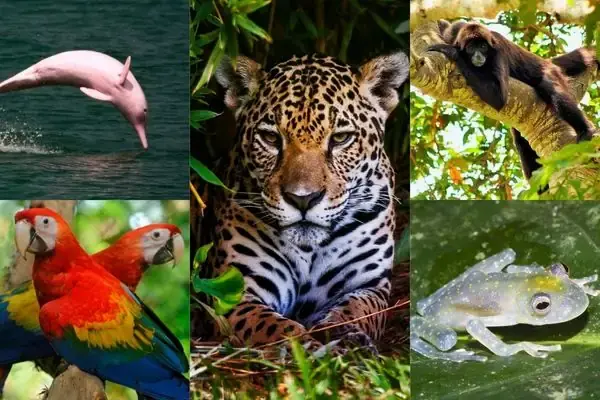
Peru is one of the most biodiverse countries on the planet, offering an incredible variety of landscapes where wildlife has adapted to completely different environments. From the high peaks of the Andes Mountains to the vast Amazon rainforest and the Pacific coastline, the country is home to thousands of species that cannot be found anywhere else in the world.
For travelers interested in nature, discovering the animals from Peru is one of the most memorable experiences they can have during their journey. The country’s wildlife reflects its unique geography, with species adapted to extreme altitudes, tropical forests, coastal ecosystems, and protected natural areas.
Many visitors know Peru because of Machu Picchu, Cusco, and its ancient Inca history, but the country’s natural heritage is equally impressive. During a trip through Peru, travelers can encounter iconic Andean animals such as llamas, alpacas, and condors, as well as Amazonian species like jaguars, pink river dolphins, and colorful birds.
Whether you are planning a trekking adventure through the Andes, exploring the Amazon rainforest, or visiting coastal reserves, learning about the animals from Peru will help you better understand the incredible ecosystems that make this destination unique.
What animals are native to Peru?
Peru is considered one of the most biologically diverse countries in the world because it contains three major geographic regions: the coast, the Andes, and the Amazon rainforest. Each ecosystem provides a different habitat where hundreds of mammals, birds, reptiles, amphibians, and marine species can thrive.
Some of the most representative animals from Peru are native species that have lived in these landscapes for thousands of years. Many of them also have a deep cultural connection with local communities, especially in the Andes, where animals such as llamas, alpacas, and vicuñas have played an important role in transportation, agriculture, clothing production, and traditions.
Among the most famous native species are camelids adapted to high-altitude environments, powerful birds that fly above mountain valleys, and mammals that inhabit some of the most remote forests on Earth.
Some examples of native wildlife in Peru include:
- Llamas and alpacas: Andean camelids traditionally raised by local communities.
- Vicuñas: Wild camelids known for producing one of the finest natural fibers in the world.
- Andean condors: One of the largest flying birds on the planet.
- Spectacled bears: The only bear species native to South America.
- Jaguars: Powerful predators that inhabit the Amazon rainforest.
- Pink river dolphins: Unique aquatic mammals found in Amazonian rivers.
Many of these species can be observed in national parks and protected areas such as Manu National Park, Tambopata National Reserve, Huascarán National Park, Colca Canyon, and the Ballestas Islands.
Understanding the native animals from Peru is not only a way to appreciate the country’s biodiversity but also an opportunity to travel more responsibly and support conservation efforts.
15 amazing animals from Peru you should know
Llama
The llama is one of the most recognizable animals from Peru and one of the strongest symbols of Andean culture. For centuries, these animals have been an essential part of life in the highlands, especially among communities located in Cusco, Puno, and the surrounding Andes.
Llamas belong to the camelid family and are perfectly adapted to living at high elevations. Their ability to carry heavy loads made them extremely valuable during the Inca Empire, when they were used as transportation animals along mountain trails.
Today, llamas continue to have cultural and economic importance. Many Andean communities raise them for their wool, meat, and traditional uses. Travelers visiting Peru often encounter llamas while exploring places such as the Sacred Valley, Machu Picchu surroundings, and rural areas of Cusco.
Although they are commonly confused with alpacas, llamas are generally larger and were historically valued more for transportation. Their calm personality and distinctive appearance make them one of the favorite animals for visitors photographing the Andes.
Alpaca
Among all the animals from Peru, alpacas are perhaps the ones most associated with traditional Andean textiles. These gentle camelids are famous worldwide because their soft and high-quality fiber is used to create warm clothing, scarves, sweaters, and handmade products.
Alpacas have been domesticated for thousands of years and remain an important part of many communities in the Peruvian Andes. Their thick wool allows them to survive cold temperatures at elevations above 3,000 meters.
There are two main types of alpacas: Huacaya alpacas, known for their fluffy and dense fiber, and Suri alpacas, recognized by their longer and silky wool.
Travelers can often see alpacas during trips to Cusco, the Sacred Valley, the Rainbow Mountain area, and the highlands near Puno. Many local farms also offer experiences where visitors can learn about traditional weaving techniques and understand the relationship between communities and these iconic animals.
Beyond their appearance, alpacas represent the connection between Peru’s natural environment and ancestral traditions.
Vicuña
The vicuña is one of the most valuable and fascinating animals from Peru. This wild camelid lives in some of the highest areas of the Andes and is internationally recognized for producing extremely fine fiber.
Unlike llamas and alpacas, vicuñas are not domesticated. They live freely in high-altitude grasslands, where their bodies have adapted to harsh weather conditions, limited oxygen levels, and cold temperatures.
The vicuña is also considered Peru’s national animal and appears on the country’s coat of arms, representing the natural wealth of the nation.
For many years, vicuñas faced serious threats due to illegal hunting because of the high value of their fiber. Conservation programs have helped protect their populations, allowing travelers today to observe them in protected areas such as Pampa Galeras National Reserve.
Seeing vicuñas in their natural habitat is a unique experience because these animals represent the wild spirit of the Andes and the importance of preserving Peru’s biodiversity.
Andean Condor
Flying above the dramatic landscapes of the Andes, the Andean condor is one of the most impressive animals from Peru. With an enormous wingspan that can exceed three meters, this bird is considered one of the largest flying birds in the world.
For centuries, the condor has held great spiritual importance in Andean cultures. Ancient civilizations considered it a sacred animal that represented strength, freedom, and a connection between the earthly world and the heavens.
One of the best places to observe Andean condors is Colca Canyon, located near Arequipa. Every year, thousands of travelers visit this destination hoping to see these magnificent birds soaring above the canyon walls.
Unlike many birds that constantly flap their wings, condors use air currents to glide effortlessly across mountain landscapes. Watching one of these birds flying over the Andes is often described as one of the most unforgettable wildlife experiences in Peru.
Spectacled Bear
The spectacled bear, also known as the Andean bear, is another remarkable species among the animals from Peru. It is the only bear species native to South America and can be found in forest areas along the Andes.
Named after the lighter markings around its eyes that resemble glasses, this bear plays an important role in maintaining the balance of mountain ecosystems. It helps spread seeds and contributes to forest regeneration.
Spectacled bears are shy and difficult to spot because they usually avoid humans. They inhabit cloud forests and protected areas, including regions near the northern Andes and areas connected to Machu Picchu’s surrounding ecosystems.
Although seeing one in the wild is rare, learning about this species highlights the incredible biodiversity hidden within Peru’s mountains and forests.
Jaguar
The jaguar is one of the most impressive animals from Peru and the largest feline in the Americas. This powerful predator inhabits the Amazon rainforest, where it plays an essential role in maintaining the balance of the ecosystem.
Although many travelers associate Peru mainly with the Andes, nearly 60% of the country’s territory is covered by Amazon rainforest, creating an ideal environment for species such as the jaguar. These animals are excellent swimmers and climbers, allowing them to move through dense forests and rivers.
Seeing a jaguar in the wild is a rare experience because they are solitary animals that usually avoid human presence. However, destinations such as Manu National Park and Tambopata National Reserve offer some of the best opportunities for wildlife enthusiasts interested in discovering Amazonian fauna.
For indigenous communities, the jaguar has also held deep cultural significance for centuries. It has been associated with strength, protection, and the spiritual connection between humans and nature.
A visit to the Peruvian Amazon provides travelers with the possibility of learning about this incredible species while understanding the importance of protecting its habitat.
Pink River Dolphin
The pink river dolphin is one of the most unique animals from Peru and one of the most fascinating creatures found in the Amazon basin. Unlike marine dolphins, this species lives exclusively in freshwater rivers, where it navigates through flooded forests and winding waterways.
Known locally as the “bufeo colorado,” the pink river dolphin changes color as it grows older, with adults often developing a distinctive pinkish tone. This adaptation, combined with its intelligence and unusual appearance, has made it one of the most iconic animals of the Amazon.
Travelers can observe pink river dolphins during boat excursions in destinations such as Pacaya Samiria National Reserve, one of the largest protected areas in Peru.
These experiences usually involve navigating Amazonian rivers during early mornings or late afternoons when dolphins are more active. Besides seeing these animals, visitors can discover an incredible ecosystem filled with birds, reptiles, monkeys, and tropical plants.
The pink river dolphin represents the extraordinary biodiversity hidden within Peru’s rainforest and remains one of the wildlife encounters most remembered by travelers.
Giant River Otter
The giant river otter is another remarkable species among the animals from Peru that inhabit the Amazon rainforest. As one of the largest otter species in the world, it can reach impressive lengths and is known for its social behavior.
Unlike many solitary predators, giant river otters usually live in family groups. They are excellent swimmers and spend much of their time hunting fish, exploring rivers, and protecting their territory.
These animals can be found in protected Amazonian areas, including Pacaya Samiria National Reserve and other rainforest regions with healthy river ecosystems.
Because they depend on clean waterways and abundant fish populations, giant river otters are considered an important indicator of the health of Amazon ecosystems.
For visitors exploring Peru’s rainforest, spotting a group of giant river otters moving through the water is an unforgettable experience that reveals the incredible wildlife diversity beyond the country’s famous archaeological attractions.
Cock-of-the-rock
The cock-of-the-rock is one of the most colorful animals from Peru and one of the most beautiful birds found in the country. Known in Spanish as “gallito de las rocas,” it is recognized as Peru’s national bird.
This spectacular bird lives mainly in cloud forests located on the eastern slopes of the Andes. The male is especially famous for its bright orange plumage and unique courtship displays, where several males gather to attract females through movement and vocalizations.
One of the best places to observe this species is Manu National Park, a region considered one of the most biodiverse areas on Earth.
For birdwatchers and nature lovers, seeing the cock-of-the-rock is one of the highlights of exploring Peru’s cloud forests. Its vibrant colors demonstrate the incredible variety of species that exist between the Andes Mountains and the Amazon rainforest.
Humboldt Penguin
Although Peru is famous for its mountains and rainforest, the country also has fascinating coastal wildlife. The Humboldt penguin is one of the most interesting animals from Peru found along the Pacific Ocean.
These penguins are named after the cold Humboldt Current, which brings nutrient-rich waters along Peru’s coastline. This current supports one of the richest marine ecosystems in the world.
One of the best places to see Humboldt penguins is the Ballestas Islands, located near Paracas. Boat tours allow visitors to observe these birds along with sea lions, marine birds, and other coastal species.
Despite their popularity among travelers, Humboldt penguins face conservation challenges due to habitat changes, climate variations, and human activities.
Responsible tourism helps raise awareness about the importance of protecting these unique coastal animals.
Capybara
The capybara is one of the most recognizable animals from Peru found in Amazonian environments. As the largest rodent species in the world, it is easily identified by its large body, semi-aquatic lifestyle, and calm behavior.
Capybaras usually live near rivers, lakes, and wetlands, where they spend time feeding on vegetation and staying close to water. They are social animals and often move in groups, making them easier to observe compared to more elusive Amazon species.
Travelers exploring rainforest reserves may encounter capybaras along riverbanks or near protected lagoons. Their peaceful behavior makes them a favorite among wildlife photographers.
Taruca (Andean Deer)
The taruca, also known as the Andean deer, is one of the lesser-known animals from Peru, but it plays an important role in the ecosystems of the high Andes.
This deer species has adapted to mountainous environments, surviving at high elevations where temperatures can change dramatically throughout the day.
Tarucas are found in areas such as Huascarán National Park and other Andean regions. Because they are more cautious and less commonly seen than llamas or alpacas, spotting one in the wild can be a special experience for travelers interested in wildlife.
Guanaco
The guanaco is another fascinating camelid among the animals from Peru. Although less famous than llamas and alpacas, guanacos are one of the wild ancestors of domesticated camelids.
They inhabit dry and high-altitude landscapes, adapting easily to areas with limited vegetation and extreme weather conditions.
Guanacos can be found in southern regions of Peru, especially in areas with open grasslands. Their elegant appearance and wild nature make them an interesting species for visitors exploring less crowded destinations.
Yellow-tailed Woolly Monkey
The yellow-tailed woolly monkey is one of the rarest animals from Peru and one of the most important species for conservation efforts.
This primate is endemic to Peru, meaning it is found naturally only in this country. It lives in cloud forests of the northern Andes, particularly in regions of Amazonas and San Martín.
Recognized by the distinctive yellow fur on its tail area, this monkey depends on healthy forests for survival. Habitat loss has made conservation programs essential to protect its remaining populations.
Viscacha
The viscacha is a small Andean mammal that is often compared to a rabbit because of its appearance. It is one of the most charming animals from Peru that travelers can encounter in mountainous areas.
Living among rocky landscapes at high elevations, viscachas are perfectly adapted to cold environments. They are commonly seen resting on rocks or moving quickly between cliffs.
Visitors trekking through destinations such as the Sacred Valley, Rainbow Mountain, and other Andean routes may have the opportunity to observe these agile animals.
Where can you see animals from Peru?
Peru’s biodiversity is distributed across different ecosystems, meaning the best place to observe wildlife depends on the species you want to discover.
| Ecosystem | Best places to visit | Animals you may see |
| Andes Mountains | Cusco, Colca Canyon, Huascarán National Park | Llama, alpaca, vicuña, condor, viscacha |
| Amazon Rainforest | Manu National Park, Tambopata, Pacaya Samiria | Jaguar, pink river dolphin, giant river otter, monkey species |
| Cloud Forests | Northern Andes, Manu region | Cock-of-the-rock, spectacled bear, woolly monkey |
| Pacific Coast | Paracas, Ballestas Islands | Humboldt penguin, sea lions, marine birds |
From the highest mountains to the deepest rainforest, the variety of animals from Peru shows why this country is considered one of the world’s greatest wildlife destinations.
What is Peru’s most famous animal?
When people think about the animals from Peru, the first image that usually comes to mind is the llama. Thanks to its strong connection with Andean culture, traditional communities, and iconic landscapes such as Cusco and Machu Picchu, the llama has become the animal most internationally associated with Peru.
However, Peru’s wildlife is much more diverse than just one species. The country is home to incredible animals that represent different ecosystems, from the Andes Mountains to the Amazon rainforest and the Pacific coast.
While the llama is probably the most recognizable symbol, other species such as the alpaca, vicuña, and Andean condor also have enormous cultural importance. Each one represents a different part of Peru’s natural and historical identity.
For many travelers, encountering these species is not only a wildlife experience but also a way to understand the relationship between nature and local communities. The animals from Peru are deeply connected to traditions, beliefs, and ways of life that have existed for centuries.
Why the llama became Peru’s symbol
Among all the animals from Peru, the llama is perhaps the most famous because of its historical importance and its close relationship with Andean civilization.
For thousands of years, llamas have been part of daily life in the Peruvian Andes. Long before modern transportation existed, these animals helped communities move goods across difficult mountain landscapes. During the Inca Empire, llamas were essential for transporting food, textiles, and other resources between different regions.
Their ability to survive at high altitudes made them perfectly adapted to the Andes. They can walk through steep terrain, tolerate cold temperatures, and live in areas where other animals would struggle.
Beyond their practical value, llamas also had cultural and spiritual significance. Ancient Andean societies considered them important animals that connected humans with the natural world. They appeared in ceremonies, artwork, and traditional practices.
Today, travelers visiting Peru often encounter llamas in destinations such as:
- Cusco.
- The Sacred Valley.
- Machu Picchu surroundings.
- Rainbow Mountain.
- Rural Andean communities.
Their calm personality and unique appearance have made them one of the most photographed animals from Peru, especially among international visitors experiencing the Andes for the first time.
Although llamas are sometimes confused with alpacas, they have different characteristics. Llamas are larger and historically used mainly as pack animals, while alpacas are better known for their valuable fiber.
Alpacas and Peru’s textile tradition
Alpacas are another iconic species among the animals from Peru, especially because of their connection with traditional Andean textiles.
For centuries, Andean communities have used alpaca fiber to create clothing, blankets, and handmade products designed to protect people from the cold mountain climate. Today, Peruvian alpaca wool is internationally recognized for being soft, warm, and durable.
Unlike synthetic materials, alpaca fiber has natural properties that make it highly valued. It provides excellent insulation while remaining lightweight, which is why alpaca products are popular among travelers looking for authentic souvenirs.
Visitors exploring Peru can learn more about alpaca traditions by visiting:
- Textile workshops in Cusco.
- Artisan markets.
- Rural communities in the Andes.
- Alpaca farms near tourist destinations.
These experiences allow travelers to understand that alpacas are not simply attractive animals for photographs. They are part of a living cultural tradition that supports many Andean families.
The relationship between people and alpacas demonstrates how the animals from Peru are closely connected to local economies and ancestral knowledge.
The vicuña: Peru’s national animal
The vicuña is one of the most important animals from Peru because it represents the country’s natural heritage. In fact, the vicuña is officially considered Peru’s national animal and appears on the national coat of arms.
Unlike llamas and alpacas, vicuñas are wild animals that live freely in the high Andes. They are smaller and more delicate-looking than other camelids, but they are incredibly well adapted to extreme environments.
Their fine golden-colored fiber is considered one of the most luxurious natural fibers in the world. However, because of its high value, vicuña populations suffered from illegal hunting in the past.
Conservation programs have helped protect these animals, and today travelers can observe them in protected areas such as:
- Pampa Galeras National Reserve.
- High Andean grasslands.
- Protected mountain ecosystems.
Seeing a group of vicuñas running across an open Andean landscape is one of the most authentic wildlife experiences in Peru. These animals represent the importance of protecting biodiversity while respecting traditional relationships between communities and nature.
Why the Andean condor is culturally important
The Andean condor is one of the most impressive animals from Peru and has played a significant role in Andean mythology and traditions.
For many Indigenous communities, the condor represents strength, freedom, and a connection between the earth and the spiritual world. Its ability to fly high above the mountains made it a powerful symbol in Andean beliefs.
This bird has appeared in ancient artwork and continues to be respected today. Many travelers visit places such as Colca Canyon near Arequipa specifically to observe condors flying above the cliffs.
The experience of watching an Andean condor glide through the sky is unforgettable because it connects visitors with the landscapes and traditions that define Peru.
Beyond its cultural importance, the condor also plays an ecological role as a scavenger, helping maintain balance within mountain ecosystems.
Tips for seeing wildlife responsibly in Peru
Observing the animals from Peru in their natural environments can be one of the highlights of your trip, but responsible tourism is essential to protect these species for future generations.
Here are some recommendations for respectful wildlife experiences:
Visit protected areas
Many species survive thanks to conservation areas and national parks. Visiting these places supports preservation efforts while giving travelers better opportunities to observe wildlife.
Some recommended destinations include:
- Manu National Park.
- Tambopata National Reserve.
- Huascarán National Park.
- Colca Canyon.
- Ballestas Islands.
Hire local guides
Local guides have valuable knowledge about animal behavior, ecosystems, and conservation practices. They also increase the chances of seeing wildlife without disturbing natural habitats.
A professional guide can explain the importance of each species and help travelers understand the environment they are exploring.
Keep a safe distance
Even animals that appear calm should always be observed respectfully.
Avoid approaching, touching, or attempting to feed wild animals. Maintaining distance protects both visitors and wildlife.
Never feed wild animals
Feeding animals can change their natural behaviors and make them dependent on humans. Responsible travelers allow wildlife to continue living according to its natural patterns.
Travel during the best wildlife season
Some species are easier to observe during specific seasons. Researching the best time to visit each region can significantly improve your experience.
For example:
- The Amazon offers excellent wildlife opportunities during different river seasons.
- Condors are commonly observed during morning hours in Colca Canyon.
- Andean animals are often easier to spot in open landscapes.
Animals from Peru: why Peru is one of the world’s greatest wildlife destinations
Peru is much more than a destination known for ancient ruins and incredible landscapes. It is also one of the most diverse countries on Earth when it comes to wildlife.
From the iconic llama and alpaca of the Andes to jaguars and pink river dolphins in the Amazon, the variety of animals from Peru reflects the incredible ecosystems that exist throughout the country.
Each species tells a different story. The llama represents the connection between people and the mountains. The alpaca represents ancestral craftsmanship. The vicuña represents conservation and natural heritage. The Andean condor represents freedom and cultural identity.
For travelers, discovering the animals from Peru offers an opportunity to experience the country from a different perspective. Beyond visiting famous attractions, wildlife encounters allow visitors to connect with local traditions, protected landscapes, and the natural world.
Whether you explore the Andes, the Amazon rainforest, or the Pacific coast, Peru offers unforgettable opportunities to discover unique species and understand why its biodiversity is considered among the most remarkable on the planet.
A journey through Peru is not only a visit to beautiful places—it is an opportunity to meet the extraordinary animals that make this country truly unique.

