
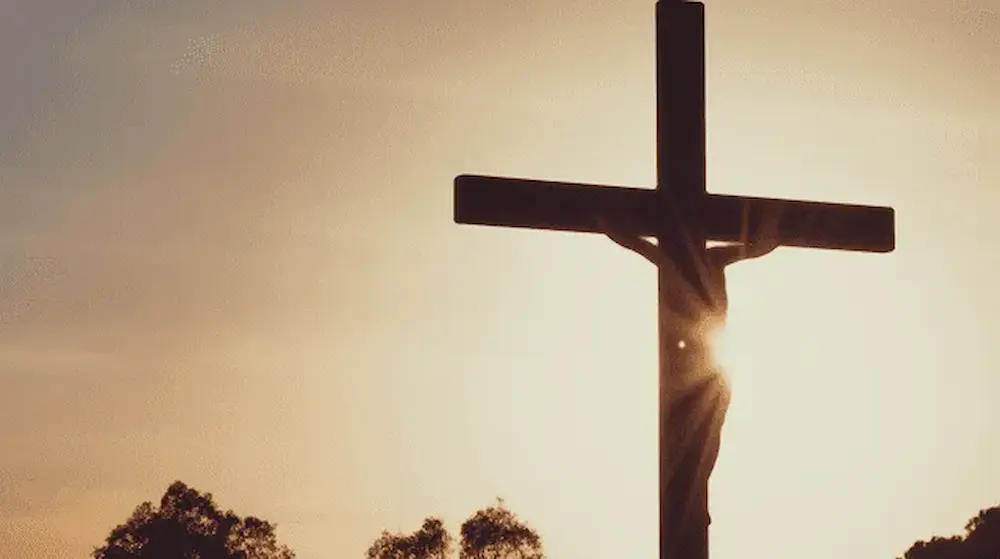
Holy Week represents one of the most meaningful periods of the year for Peruvian society, combining faith, tradition, and collective reflection. Throughout this time, cities and communities slow their pace to honor deeply rooted customs that have been preserved for generations. Religious devotion blends naturally with cultural expression, creating a unique atmosphere that is felt across the country. Understanding how this celebration unfolds allows travelers and readers to appreciate not only religious rituals, but also the social values and historical depth that define Holy Week in Peru.
You may also be interested in: Salkantay vs Lares trek: inca trail alternatives to reach Machu Picchu
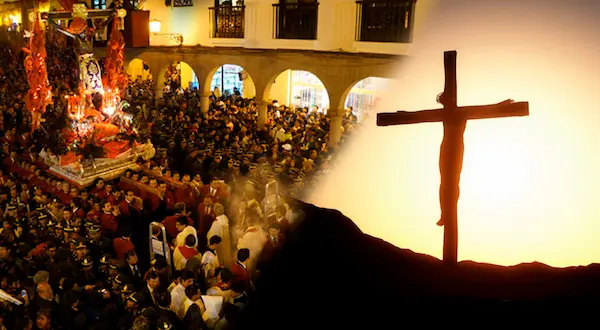
What Is Holy Week in Peru
Holy Week is a religious commemoration that recalls the final days of Jesus Christ, from his arrival in Jerusalem to his resurrection. In the Peruvian context, this period goes beyond liturgical ceremonies and becomes a collective experience that involves families, neighborhoods, and entire cities. It is a time when daily routines slow down, allowing space for reflection, prayer, and remembrance.
Throughout the country, public spaces take on a different atmosphere. Streets are decorated, churches become centers of gathering, and silence often replaces the usual noise of urban life. Processions, prayers, and symbolic acts dominate these days, creating an environment marked by solemnity and respect. Holy Week in Peru is observed with deep reverence, reflecting the nation’s strong Catholic roots and the lasting influence of colonial history on local customs. This combination of faith and tradition gives the celebration a unique character that distinguishes it from other religious observances in the region.
Why Holy Week in Peru Is One of the Most Important Religious Events
Holy Week is a religious commemoration that recalls the final days of Jesus Christ, from his arrival in Jerusalem to his resurrection. In the Peruvian context, this period goes beyond liturgical ceremonies and becomes a collective experience that involves families, neighborhoods, and entire cities. It is a time when daily routines slow down, allowing space for reflection, prayer, and remembrance.
Throughout the country, public spaces take on a different atmosphere. Streets are decorated, churches become centers of gathering, and silence often replaces the usual noise of urban life. Processions, prayers, and symbolic acts dominate these days, creating an environment marked by solemnity and respect. Holy Week in Peru is observed with deep reverence, reflecting the nation’s strong Catholic roots and the lasting influence of colonial history on local customs. This combination of faith and tradition gives the celebration a unique character that distinguishes it from other religious observances in the region.
The Cultural and Spiritual Meaning of Holy Week in Peru
Beyond its religious foundation, this period carries deep cultural and symbolic meaning. It represents sacrifice, renewal, and communal reflection, themes that resonate strongly within Peruvian society. Artistic expressions such as music, floral arrangements, handcrafted decorations, and traditional clothing accompany the ceremonies, demonstrating how cultural creativity and spiritual devotion coexist naturally.
Holy Week in Peru also reflects a respectful blending of indigenous and Catholic influences, resulting in rituals that feel both historical and deeply rooted in local identity. This fusion can be seen in the symbolism used during processions, the rhythms of sacred music, and the way communities organize their celebrations. The spiritual depth of this period allows it to be meaningful even for those who observe it from a cultural or historical perspective rather than a strictly religious one, making it an inclusive and unifying national tradition.
You may also be interested in: Interesting Facts About the Incas: Unsolved Mysteries and Theories
Main Religious Traditions During Holy Week in Peru
Palm Sunday and the Beginning of Holy Week
Palm Sunday marks the official beginning of the celebration, commemorating Jesus’ entry into Jerusalem. On this day, churches across the country welcome large gatherings of believers who carry palm leaves or olive branches to be blessed during mass. These palms are later taken home and often placed near religious images or doorways as symbols of protection, faith, and hope.
In Holy Week in Peru, Palm Sunday sets a reflective and respectful tone for the days that follow. It represents humility and devotion, reminding participants of the importance of faith expressed through simple gestures. The communal nature of this day reinforces unity, as families and neighbors begin the week together, sharing the same spiritual intention.
Holy Thursday and the Visit to the Seven Churches
Holy Thursday commemorates the Last Supper and introduces one of the most symbolic traditions: the visit to the seven churches. This ritual represents Jesus’ journey through different locations before his crucifixion and is practiced in many cities throughout the country. Families and groups walk together from church to church, often in silence or prayer, creating an atmosphere of introspection.
During Holy Week in Peru, this tradition emphasizes humility, patience, and remembrance. The physical act of walking becomes a form of devotion, allowing participants to disconnect from daily concerns and focus on spiritual reflection. It also reinforces the sense of community, as people share the experience with others, turning the journey into a collective expression of faith.
Good Friday Processions and Acts of Reflection
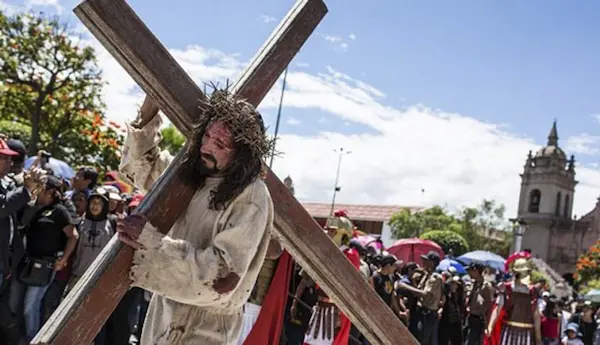
Good Friday is one of the most solemn days of the entire celebration. It is marked by processions that reenact moments of suffering and sacrifice, often accompanied by silence, prayer, and slow movement through the streets. Religious images, carried by devotees, become powerful visual representations of compassion, sacrifice, and human suffering.
Holy Week in Peru reaches its most reflective point on this day. Many people observe moments of silence or fasting, using the occasion to meditate on values such as forgiveness, empathy, and solidarity. The emotional weight of the day reinforces the spiritual gravity of the celebration and invites both believers and observers to reflect deeply on its meaning.
Easter Sunday Celebrations Across the Country
Easter Sunday marks the conclusion of the celebration and introduces a shift in atmosphere. Churches are filled with music, light, and expressions of joy as the resurrection of Jesus is celebrated. The solemn tone of previous days gives way to hope, renewal, and gratitude.
Across the country, Holy Week in Peru concludes with communal gatherings that emphasize unity and optimism. Families attend mass together and often share meals afterward, symbolizing new beginnings and spiritual renewal. This joyful closing reinforces the message of faith and continuity, leaving participants with a sense of peace and collective celebration
You may also be interested in: Where to eat in Arequipa to feel like a true local
How Holy Week in Peru Is Celebrated in Different Regions
Holy Week in Cusco and Andean Traditions
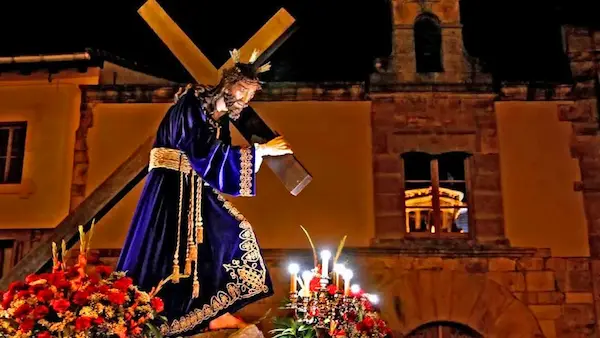
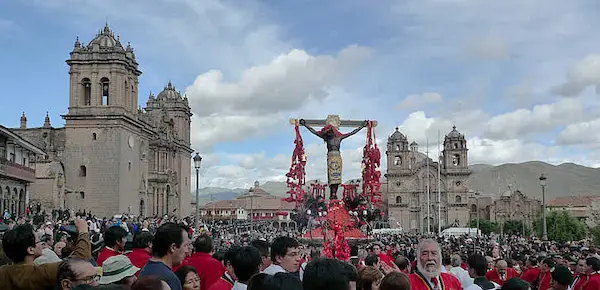
In Cusco, Holy Week in Peru takes on a deeply symbolic character, combining Catholic rituals with strong Andean spiritual roots. Processions are marked by solemn music, traditional garments, and the presence of religious icons that reflect centuries of devotion. One of the most significant events is the procession of the Lord of the Earthquakes, a figure closely tied to the city’s history and resilience.
This region offers a unique atmosphere where spirituality and ancestral beliefs coexist harmoniously. Visitors often complement religious ceremonies with cultural experiences such as the Waqrapukara tour full day, which allows them to explore ancient Inca sites while reflecting on the spiritual significance of the season. In Cusco, Holy Week in Peru becomes both an act of faith and a journey into living history.
Holy Week in Arequipa and Southern Peru
Arequipa is known for celebrating Holy Week in Peru with great solemnity and visual elegance. The city’s white stone architecture creates a striking backdrop for processions and religious gatherings, enhancing the reflective nature of the celebrations. Churches and plazas become central meeting points where faith, silence, and tradition converge.
Religious events in Arequipa are often accompanied by cultural and historical exploration. Many travelers take advantage of the season to join Arequipa tours, which offer insight into the city’s colonial heritage, gastronomy, and local customs. In southern Peru, Holy Week is not only a time for devotion but also an opportunity to deepen one’s understanding of the region’s identity and artistic legacy.
Holy Week in Northern Peru and Nature-Based Experiences
In northern Peru, Holy Week in Peru is observed in a more tranquil and intimate way. Celebrations tend to focus on community gatherings, simple processions, and moments of personal reflection. The strong connection to nature in this region influences how people experience the season, creating a calm and contemplative atmosphere.
Visitors often combine spiritual observance with outdoor activities, such as the Poc Poc waterfall hike full day, which offers a peaceful setting for reflection and renewal. In these regions, Holy Week in Peru encourages a slower pace, allowing individuals to reconnect with nature, tradition, and inner balance while honoring the spiritual meaning of the celebration.
Traditional Food and Gastronomy During Holy Week in Peru
Gastronomy becomes an essential expression of tradition during this sacred period. Food choices are closely linked to religious beliefs, emphasizing moderation, reflection, and respect. During Holy Week in Peru, many families avoid red meat, especially on Good Friday, and instead prepare dishes based on fish, seafood, grains, and vegetables. These culinary customs reinforce the spiritual meaning of the season while preserving long-standing traditions.
Each region contributes its own recipes, creating a diverse yet unified gastronomic experience. Soups, stews, and seafood dishes are shared within families and communities, turning meals into moments of connection and reflection. Traditional food during Holy Week in Peru is not only nourishment but also a way to honor faith, ancestry, and cultural continuity through simple yet meaningful flavors.
You may also be interested in: The story behind the chiribaya dog
Holy Week in Peru Today: Tradition and Modern Life
In contemporary society, Holy Week in Peru reflects a balance between tradition and modern life. While core religious rituals remain intact, daily practices have adapted to current lifestyles. Processions are now shared through digital platforms, allowing families and communities to connect beyond physical spaces while maintaining emotional closeness to the celebration.
Younger generations participate in both religious and cultural aspects, blending reflection with social interaction. Tourism has also influenced how the celebration is experienced, introducing new perspectives while respecting tradition. Despite these changes, Holy Week in Peru continues to preserve its spiritual essence, demonstrating that cultural identity can evolve without losing its foundational values.
Tips for Experiencing Holy Week in Peru as a Visitor
Experiencing this important celebration requires awareness and preparation. Visitors should understand that Holy Week in Peru is deeply meaningful for local communities, and respectful behavior enhances the experience for everyone. Observing ceremonies quietly and following local customs allows for a more authentic connection.
Key considerations include:
- Planning accommodations and transportation in advance, as demand increases
- Dressing modestly when attending religious events
- Respecting moments of silence and reflection during processions
- Being mindful when taking photographs in sacred spaces
By approaching Holy Week in Peru with cultural sensitivity and openness, visitors gain a deeper appreciation of the country’s traditions, spirituality, and communal values.
Holy Week in Peru: Faith, Culture, and Living Traditions
Holy Week is a living expression of Peru’s spiritual and cultural heritage. It brings together faith, tradition, and collective memory in a way that remains meaningful across generations. Through rituals, community participation, and regional diversity, Holy Week in Peru continues to inspire reflection and unity. More than a religious event, it is a reminder of shared values, respect for tradition, and the importance of cultural continuity in an ever-changing world.

