
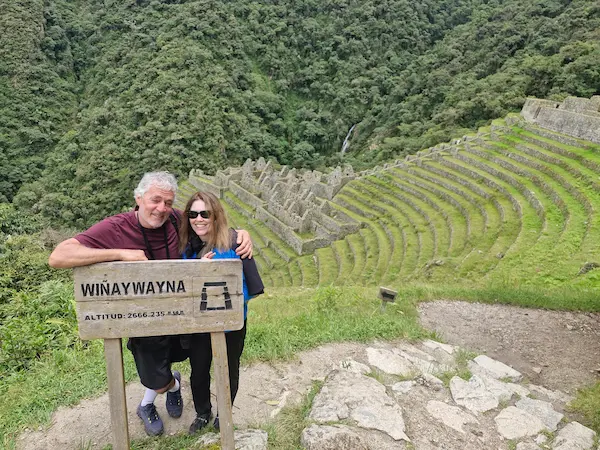
Preparing for the Inca Trail requires more than excitement and good physical condition. Having a well-structured inca trail packing list is essential to ensure comfort, safety, and efficiency during your multi-day trek through the Peruvian Andes.
Weather conditions can change quickly, campsites are basic, and the terrain is demanding. This comprehensive and evergreen inca trail packing list will help you understand exactly what to bring, how to pack smart, and how to adapt your gear depending on the season.
You might also be interested in: The 5 best Inca Trail tour operators
Why an Inca Trail Packing List Is Essential
The Inca Trail is a regulated, high-altitude trek that includes steep stone steps, mountain passes, and long hiking days. Without a proper inca trail packing list, hikers often struggle with unnecessary weight, poor layering, or inadequate footwear.
The trail reaches elevations above 4,000 meters (13,000+ feet), where oxygen levels are lower and weather conditions can shift rapidly within hours. Mornings may begin with intense sun exposure, followed by cold winds at higher passes and damp evenings at camp. These constant changes make preparation critical.
A strategic inca trail packing list allows you to:
- Stay prepared for temperature changes
- Prevent blisters and injuries
- Manage altitude exposure
- Reduce backpack weight
- Stay organized throughout the trek
In addition, regulations on the trail limit the amount of weight that can be carried by support staff, which means hikers must pack efficiently and responsibly. Overpacking not only causes physical strain but also slows down your pace and increases fatigue over multiple days.
Proper preparation also improves mental comfort. Knowing you have the right layers, sun protection, hydration system, and personal essentials reduces stress and allows you to focus on the landscape, the archaeological sites along the route, and the overall trekking experience.
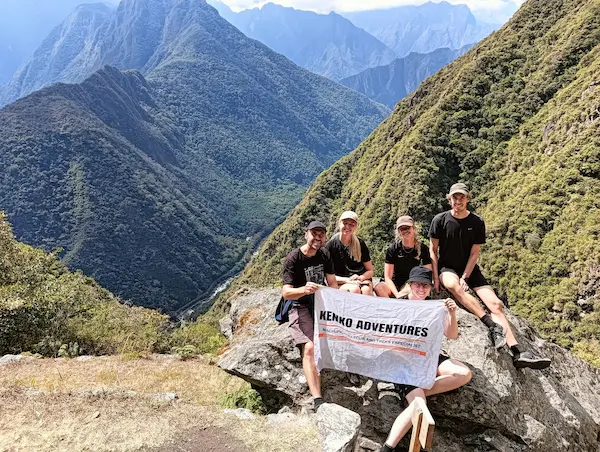
Reputable local operators such asKenko Adventures provide detailed pre-trek guidance to help hikers prepare effectively. Reviewing your packing checklist in advance and confirming which equipment is included in your trekking package can prevent overpacking, reduce unnecessary weight, and ensure a smoother overall experience on the trail.
Clothing Essentials for Your Inca Trail Packing List
Layering is key when trekking in the Andes. A functional inca trail packing list always includes clothing that adapts to fluctuating temperatures.
Because the trail crosses multiple microclimates and high mountain passes, hikers often experience intense sun exposure during the day and sharp temperature drops in the early morning or after sunset. Dressing in layers allows you to adjust quickly without overheating or becoming too cold. The goal is thermal regulation, moisture control, and weather protection all without adding unnecessary weight.
Base Layers
- 2–3 moisture-wicking hiking shirts
- Thermal long-sleeve top
- Breathable underwear
- Sports bras (if applicable)
Base layers sit directly against the skin and are responsible for moisture management. During steep ascents, your body generates heat quickly. If sweat remains trapped, it can cause discomfort and rapid cooling once you stop moving.
Synthetic fabrics dry fast and are lightweight, making them practical for multi-day treks. Merino wool is another excellent option because it regulates temperature naturally, resists odor buildup, and remains warm even when slightly damp.
Cotton should be avoided because it retains moisture, dries slowly, and increases the risk of chafing and cold-related discomfort over consecutive hiking days.
Mid Layers
Your inca trail packing list should include insulating pieces for colder mornings and evenings:
- Fleece jacket
- Lightweight insulated jacket
- Hiking pants (convertible recommended)
- Thermal leggings
Mid layers trap body heat while remaining breathable. A fleece jacket is versatile and dries quickly, while a lightweight insulated jacket (down or synthetic) provides additional warmth at higher elevations.
Convertible hiking pants are particularly useful because they adapt to temperature changes throughout the day. Thermal leggings add extra insulation at camp or during early departures.
Temperatures can drop significantly at higher elevations, even during dry season. Having at least one reliable insulating layer is essential for comfort and energy conservation.
Outer Layers
Weather protection is critical in any inca trail packing list:
- Waterproof jacket
- Rain poncho
- Windproof layer
Outer layers shield you from rain, wind, and sudden weather shifts. A high-quality waterproof jacket with breathable fabric helps prevent overheating while protecting against moisture. Sealed seams and adjustable hoods add extra protection.
Even during months with less rainfall, sudden showers are possible. Wind exposure at mountain passes can also increase perceived cold, making windproof protection an important safety factor.
Choosing lightweight, packable outerwear ensures you stay prepared without overloading your backpack.
You might also be interested in:Machu Picchu architecture: The Inca buildings explained

Footwear: The Foundation of Your Inca Trail Packing List
Footwear can determine whether your experience is comfortable or painful. Every effective inca trail packing list prioritizes foot care.
The trail includes uneven stone steps, steep ascents, descents, and sections that may become slippery after rain. Proper footwear provides stability, ankle support, and traction across different terrains. Investing in quality hiking boots significantly reduces the risk of blisters, rolled ankles, and knee strain.
Essential items include:
- Waterproof hiking boots (well broken in)
- 3–4 pairs of moisture-wicking socks
- Camp sandals or lightweight recovery shoes
Waterproof boots help keep feet dry during wet conditions or early morning dew. Look for boots with good grip and ankle support, especially if you are not accustomed to hiking at altitude.
Moisture-wicking socks made from merino wool or technical fibers prevent friction and reduce blister formation. Bringing multiple pairs allows you to rotate them and keep your feet dry throughout the trek.
Never bring brand-new boots. Testing your footwear before the trek is crucial. Breaking in boots during shorter hikes weeks in advance helps prevent painful hotspots and ensures proper fit.
Backpack and Organization Tips
A practical inca trail packing list considers not only what to bring but how to carry it.
Efficient weight distribution is essential for balance and endurance. Most trekkers carry a daypack while larger items may be transported separately depending on trekking arrangements. Your daypack should be comfortable, adjustable, and supportive enough for long hours of hiking.
Most trekkers use:
- 20–30L daypack
- Rain cover for backpack
- Packing cubes
- Dry bags
A 20–30 liter daypack is ideal for carrying water, snacks, layers, and daily essentials without adding excessive bulk. Adjustable shoulder straps and a waist belt help distribute weight evenly.
A rain cover protects gear from sudden showers and humidity. Even if the forecast looks clear, weather in the mountains can change rapidly.
Keeping gear organized reduces stress and saves time during early departures. When everything has its place, mornings at camp become smoother and more efficient, conserving both energy and focus for the day ahead.
TToiletries and Hygiene Essentials
Campsites along the trail are simple. Your inca trail packing list should focus on lightweight, eco-friendly products.
Facilities are typically basic, and access to running water can be limited. Maintaining hygiene during a multi-day trek is not just about comfort it also helps prevent skin irritation, infections, and digestive issues.
Recommended items:
- Biodegradable soap
- Toothbrush and toothpaste
- Wet wipes
- Hand sanitizer
- Sunscreen (SPF 50+)
- Lip balm with SPF
- Small quick-dry towel
- Toilet paper
Biodegradable soap helps minimize environmental impact, which is especially important in protected natural areas. Wet wipes are useful when showers are unavailable, but they should always be packed out if required by regulations.
Sunscreen and lip balm are essential due to high UV exposure at altitude. Even on cloudy days, UV radiation is stronger in the mountains and can cause sunburn quickly.
Hygiene is especially important when hiking multiple consecutive days. Clean hands before meals and proper sun protection contribute significantly to overall well-being on the trail.
You might also be interested in:What is the most popular food in Peru?
Health and Safety Items to Include
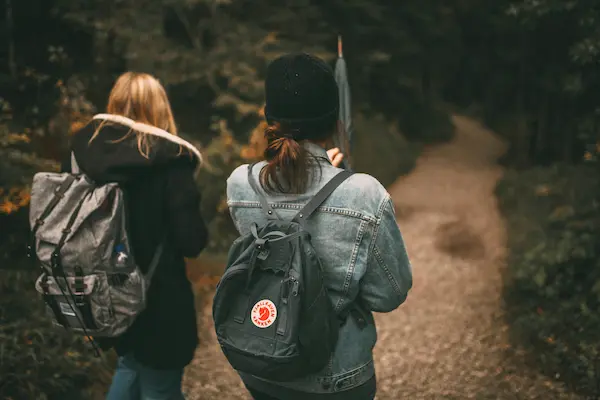
Altitude and sun exposure are significant factors. A complete inca trail packing list should always include basic health essentials.
The trail reaches high elevations where oxygen levels are lower, and the body may need time to adapt. While acclimatization before starting the trek is strongly recommended, carrying basic health supplies adds an extra layer of security.
Add:
- Personal medication
- Small first aid kit
- Pain relievers
- Blister treatment supplies
- Electrolyte tablets
- Reusable water bottle or hydration system
- Water purification tablets
A compact first aid kit should include bandages, antiseptic wipes, and any personal prescriptions. Blister prevention and treatment supplies are particularly important due to repeated friction from long hiking days.
Electrolyte tablets help maintain hydration balance, especially during steep ascents or hot weather. Proper hydration supports energy levels and reduces fatigue.
Preparation reduces risk and increases comfort during long hiking days. Being proactive about health and hydration allows you to maintain steady performance and focus throughout the trek.
Electronics and Practical Extras
When building your inca trail packing list, keep electronics minimal and practical.
Mountain environments are not ideal for carrying excessive technology. Weight, battery limitations, and exposure to moisture or dust make it important to prioritize only essential devices.
Bring:
- Power bank
- Headlamp
- Charging cables
- Camera (optional)
- Travel adapter
A high-capacity power bank is essential since charging opportunities are extremely limited along the trail. Choosing one that balances capacity and weight is important to avoid unnecessary load.
A headlamp is far more practical than a handheld flashlight. Early departures before sunrise and nighttime movements around camp require hands-free lighting. Look for lightweight models with adjustable brightness settings.
Electricity access is limited, so conserving battery is important. Switching devices to airplane mode, lowering screen brightness, and turning off unnecessary features can extend battery life significantly.
Sleeping Gear Considerations
Depending on your trekking arrangements, certain equipment may be provided. However, your inca trail packing list should account for nighttime comfort.
Even after warm days, nighttime temperatures in the Andes can drop close to freezing, particularly at higher elevations. Proper insulation during sleep is critical for recovery and maintaining energy levels for the following day.
Consider including:
- Sleeping bag rated for cold temperatures
- Sleeping bag liner
- Earplugs
- Eye mask
Nights in the Andes can be much colder than expected. Preparing properly for sleeping conditions ensures better recovery, improved mood, and sustained energy throughout the trek.
You might also be interested in:Eco Tourism vs Traditional Tourism in 2026
Seasonal Variations in Your Inca Trail Packing List
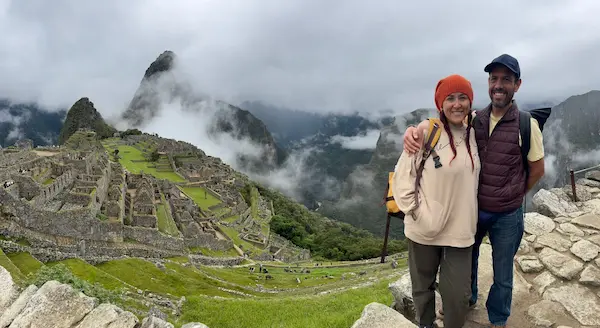
Although this guide is evergreen, adjustments may be necessary depending on the season.
The Andes present distinct seasonal patterns that directly affect trail conditions, temperature fluctuations, and overall trekking comfort. Understanding these differences helps you refine your preparation and avoid common mistakes related to underpacking or overpacking.
Dry Season (May to September)
- Strong sun protection
- Extra warm layers for cold nights
- Lightweight gloves and beanie
Dry season often means clear skies but colder mornings. With less cloud cover, daytime UV radiation increases significantly, making sunscreen, sunglasses, and protective clothing especially important.
While afternoons may feel comfortably warm, nighttime temperatures can drop sharply due to the lack of atmospheric humidity. Thermal layers and proper insulation become essential after sunset and during early departures.
Rainy Season (November to March)
Your inca trail packing list should prioritize waterproof gear:
- Extra dry socks
- Waterproof backpack cover
- Quick-dry clothing
- Gaiters (optional)
Humidity and rainfall require extra preparation. Showers may be frequent, and trails can become muddy or slippery. Waterproof protection is not optional during this period it is critical for maintaining body temperature and preventing gear from becoming saturated, which is why reviewing your inca trail packing list before departure becomes even more important.
Quick-dry materials are particularly valuable during rainy season because they reduce the discomfort of prolonged moisture exposure. Bringing additional dry socks ensures foot health and helps prevent blisters.
Weight Limits and Smart Packing Strategy
Porter regulations and weight limits are strictly controlled on the Inca Trail. Your personal belongings are usually limited to a specific weight allowance, which makes an efficient inca trail packing list even more important.
Weight restrictions are designed to protect both trekkers and support staff, ensuring safe and ethical working conditions. Because your allocated allowance is limited, every item you pack must serve a clear purpose. Overpacking not only exceeds limits but also adds unnecessary strain during long hiking days.
Smart strategies include:
- Choosing lightweight fabrics
- Rolling clothes instead of folding
- Packing multi-purpose items
- Minimizing duplicates
Lightweight technical fabrics provide warmth and protection without bulk. Modern hiking gear is designed to compress easily, saving valuable space inside your duffel or daypack and helping you stay within the limits defined by your inca trail packing list.
Rolling clothes instead of folding reduces wrinkles and maximizes packing efficiency. Using compression sacks can further decrease volume, particularly for insulated layers.
Multi-purpose items are especially valuable on multi-day treks. For example, a buff can function as a neck warmer, sun shield, or lightweight hat. Convertible clothing reduces the need for additional pieces.
You might also be interested in:Peruvian culture and traditions: a living heritage for travelers
Expert Packing Tips for the Inca Trail
Experienced trekkers recommend:
- Testing gear before travel
- Acclimatizing properly before starting
- Keeping snacks accessible
- Protecting electronics in waterproof bags
- Labeling personal items
Testing gear before travel is one of the most overlooked steps. Wearing your hiking boots on shorter hikes, adjusting backpack straps, and trying out layers in different weather conditions helps identify potential discomfort before you reach high altitude. Small adjustments made in advance can prevent major issues on the trail and ensure your inca trail packing list works in real conditions, not just in theory.
Acclimatizing properly before starting is equally important. Spending a few days at elevation allows your body to adapt to lower oxygen levels, reducing fatigue and discomfort. While physical preparation cannot be packed into your bag, it is a critical part of overall readiness.
Keeping snacks accessible inside your daypack helps maintain energy levels during long ascents. Easy-to-reach pockets allow you to refuel without stopping for extended breaks, which supports steady pacing throughout the day.
Final Thoughts on Creating the Perfect Inca Trail Packing List
A well-prepared inca trail packing list is one of the most important steps before beginning your trek. By focusing on layering, lightweight materials, health essentials, and smart organization, you set yourself up for a safer and more comfortable journey.
Preparation directly influences performance. When your gear works with you instead of against you, energy is conserved, discomfort is minimized, and mental focus improves. Multi-day trekking requires endurance, adaptability, and efficiency all of which begin with thoughtful packing decisions and a carefully planned inca trail packing list.
This evergreen guide is designed to help hikers prepare year-round. While weather conditions may vary, the core principles of an effective inca trail packing list remain consistent: prioritize function, reduce weight, and pack intentionally.
Rather than packing for every possible scenario, concentrate on versatility. Choose items that layer well, dry quickly, and serve more than one purpose. Organize your belongings so daily essentials are easily accessible. Small details such as proper sock selection or waterproof storage can make a significant difference over consecutive hiking days.

