
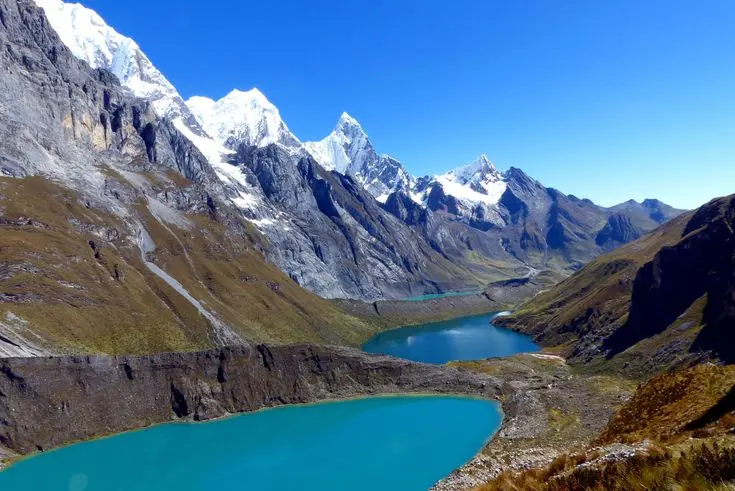
Traveling through Peru is not only about seeing beautiful landscapes. It is about walking through layers of history, understanding ancient knowledge, and feeling how the past still shapes everyday life. When people talk about places to visit in Peru, they often think of Machu Picchu first, but the country offers much more than one iconic site.
Peru was the heart of the Inca Empire, one of the most sophisticated civilizations in the world. Its architectural precision, agricultural intelligence, and spiritual worldview continue to inspire historians, travelers, and locals alike. Visiting Peru means entering a territory where mountains, cities, and rituals were designed to coexist with nature rather than dominate it.
In this guide, I will walk you through some of the most iconic places to visit in Peru, focusing on their historical value, cultural meaning, and the Inca legacy that still lives within them. I will speak directly to you, as if we were planning this journey together, step by step, place by place.
You may also like: Where to eat cheap in Cusco: Route and Tips
The Andes and iconic places to visit in Peru
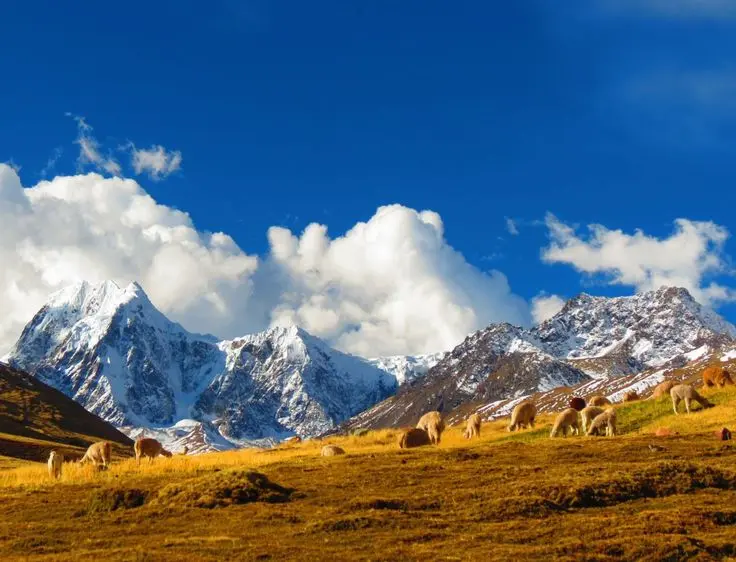
Before focusing on individual destinations, it is essential to understand why the Andes are at the heart of the most significant places to visit in Peru. For the Incas, mountains were not just geographical features; they were sacred entities known as Apus. These towering forms were believed to protect communities and maintain balance between humans, nature, and the cosmos. This spiritual relationship with the land shaped every aspect of Inca life.
The Inca worldview was centered on harmony rather than domination. Architecture adapted to the natural terrain, agriculture responded to changes in altitude, and cities were designed in alignment with astronomical events. Many places to visit in Peru still preserve this philosophy, allowing you to experience history as something living and continuous, rather than distant or disconnected.
Historical significance
Cusco was carefully planned as the political and spiritual center of the Inca Empire. Its streets, temples, and plazas were aligned with celestial movements, reflecting a deep understanding of astronomy. Even today, many colonial buildings rest on original Inca foundations, showcasing stonework so precise that no mortar was needed. This fusion of ancient and colonial architecture makes Cusco one of the most meaningful places to visit in Peru.
Cultural experience
Walking through Cusco, you will notice that Inca heritage is not confined to museums. Quechua traditions remain visible in daily life through local markets, traditional festivals, and distinctive clothing. Imagine standing in the Plaza de Armas at sunset, watching the light touch the stone walls. You can clearly see how Inca engineering continues to support modern structures, a powerful reminder that history here is not behind glass, but right beneath your feet.
Sacsayhuamán and the military genius behind places to visit
Located just outside Cusco, Sacsayhuamán is one of the most impressive architectural achievements of the Inca civilization and a clear example of strategic intelligence. This monumental complex was not built randomly; its location on elevated ground allowed full visibility of the surrounding valley, giving the Incas a defensive advantage while also reinforcing the site’s symbolic power.
Architectural mastery
The massive stones, some weighing over 100 tons, fit together with astonishing precision, without the use of mortar. This level of engineering made the walls resistant to earthquakes and attacks. The iconic zigzag design was intentional: it helped disperse impact during conflicts and represented strength and protection. Among places to visit in Peru, Sacsayhuamán shows how military function and architectural beauty were designed as one unified concept.
Spiritual role
Beyond its defensive purpose, Sacsayhuamán was a sacred space. It played a central role in religious ceremonies such as Inti Raymi, where the Incas honored the Sun as a life-giving force. Standing in this place allows you to see how warfare, spirituality, and astronomical knowledge were not separate ideas, but deeply connected elements of Inca civilization.
You may also like: Hidden places in Cusco: Discover the best-kept secrets
Sacred valleys and agricultural innovation
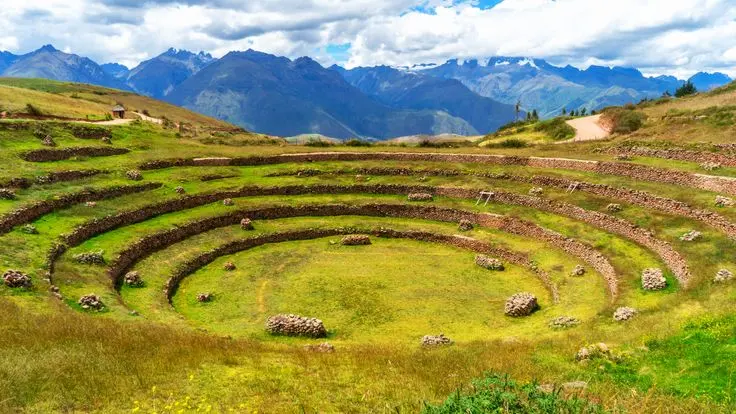
The Sacred Valley played a crucial role in the survival and expansion of the Inca Empire. Thanks to its mild climate, fertile soil, and proximity to Cusco, it became the main agricultural hub that fed large populations. More than just farmland, the valley was a carefully planned space where agriculture, astronomy, and spirituality worked together. Among the most meaningful places to visit in Peru, the Sacred Valley helps you understand how the Incas transformed challenging geography into a source of abundance and balance.
Pisac as a living example of places to visit in Peru
Pisac stands out because it reflects everyday Inca life beyond royal cities. Its combination of agricultural terraces, ceremonial areas, and residential zones shows how work, worship, and community were deeply connected. Walking through Pisac allows you to see how the Incas organized their society around the land, making it one of the most illustrative places to visit in Peru for understanding their way of life.
Terraces and sustainability
The agricultural terraces of Pisac were an advanced response to the mountainous terrain. These structures controlled water flow, reduced soil erosion, and created microclimates suitable for different crops. The Incas understood sustainability long before it became a modern concept, designing systems that worked with nature rather than against it. Among places to visit in Peru, Pisac clearly demonstrates how food production and spiritual respect for the earth were inseparable.
Local connection
What makes Pisac especially meaningful today is that it remains a living landscape. Local families continue to cultivate the same fields using ancestral techniques, maintaining a direct link between past and present. If you visit Pisac early in the morning, you might see farmers tending crops on ancient terraces, using the same knowledge passed down for generations, a powerful reminder of how Inca wisdom remains part of daily life.
- Example : If you visit Pisac early in the morning, you might see local farmers tending crops exactly where the Incas once worked, showing how ancient knowledge remains relevant.
You may also like: Untold secrets in the history of the Inca
Ollantaytambo and strategic places to visit
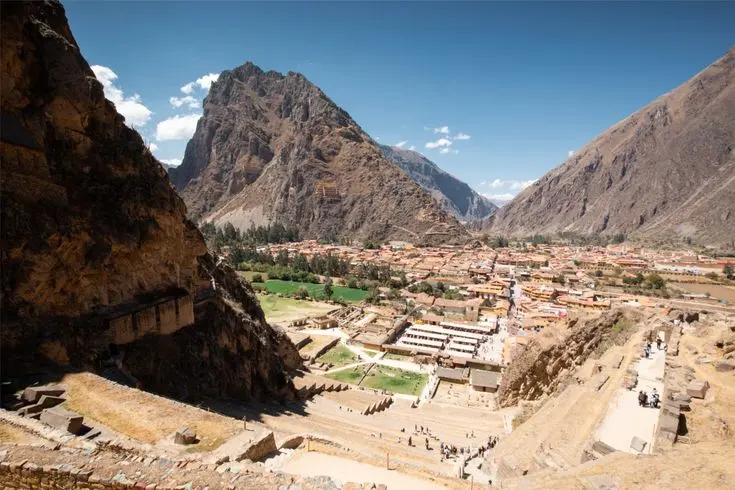
Ollantaytambo is one of the few places to visit in Peru where the Inca past is not only preserved but still actively lived in the present. Built as a strategic military, religious, and administrative center, its location at the entrance of the Sacred Valley made it vital for controlling access to Cusco. The surrounding mountains, terraces, and fortifications reflect the Inca ability to combine defense with sacred geography.
Urban planning
What makes Ollantaytambo exceptional is that its original urban design remains intact. The stone streets, water channels, and residential blocks follow the same layout established by the Incas centuries ago. People still live in these spaces, using infrastructure originally designed for ritual cleanliness and community organization. Among places to visit in Peru, Ollantaytambo offers one of the clearest examples of how Inca city planning was practical, sustainable, and deeply symbolic.
Resistance history
Ollantaytambo is also remembered for its role in Inca resistance during the Spanish invasion. It served as a stronghold where Inca forces successfully defended the area using the natural terrain and complex terrace systems. This history gives the site a powerful sense of resilience and identity, reminding visitors that these places were not only ceremonial, but also centers of political and military strength.
Today, many travelers pass through Ollantaytambo on their way to Machu Picchu, often as part of structured routes such as inca trail treks, which follow ancient paths once used by Inca messengers, soldiers, and pilgrims moving across the empire.
Machu Picchu and the spiritual peak of places to visit
No list of places to visit in Peru would be complete without Machu Picchu. However, its value goes far beyond its fame.
Purpose and mystery
Although its exact function is still debated, many historians agree that Machu Picchu likely served as a royal estate or spiritual retreat for the Inca elite. The precision of its stonework, combined with structures aligned to solstices and astronomical events, reveals deep knowledge of the sky and its cycles. This careful design places Machu Picchu among the most meaningful places to visit in Peru, where science, spirituality, and architecture converge.
Connection to nature
One of the most striking aspects of Machu Picchu is how seamlessly it blends into its surroundings. The terraces follow the natural contours of the mountains, and the buildings appear to rise organically from the landscape. Rather than dominating nature, the site honors it, reflecting the Inca belief that humans are part of a larger natural order.
Some travelers choose alternative routes to reach the site, such as the adventurous inca jungle trail 4 days to machu picchu, which allows a deeper appreciation of the diverse ecosystems that surround this sacred place. Reaching Machu Picchu at sunrise, as the fog slowly lifts from the ruins, helps you understand why this location was chosen. It feels protected, hidden, and profoundly sacred.
You may also like: Tourism in Northern Peru: Authentic Experiences for Travelers

The Amazon and spiritual places to visit in Peru
While the Andes formed the political and ceremonial core of the Inca Empire, the Amazon represents another essential layer of Peru’s identity. This vast region embodies a different, yet complementary, relationship with nature one based on coexistence, observation, and deep spiritual respect. Understanding the Amazon broadens the meaning of places to visit in Peru, showing that the country’s heritage is not defined by a single landscape or worldview.
Tambopata and natural places to visit in Peru
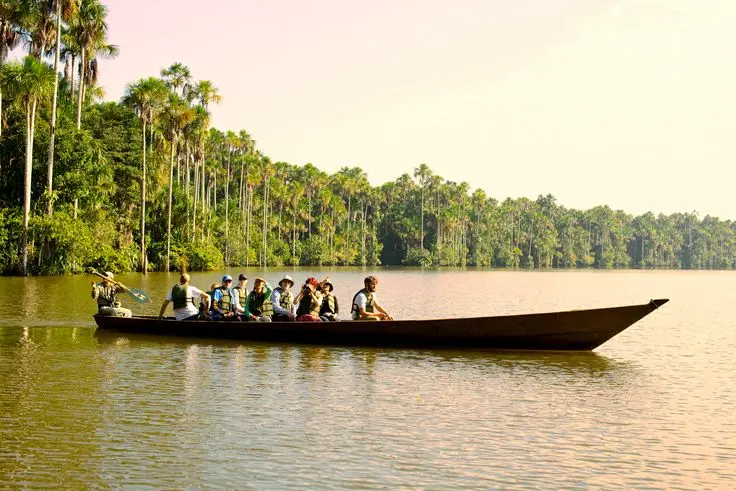
Located in the heart of the Peruvian Amazon, Tambopata is recognized as one of the most biodiverse regions on Earth. Its dense forests, winding rivers, and abundant wildlife make it one of the most unique places to visit in Peru, especially for those seeking a deeper connection with nature beyond archaeological sites.
Indigenous knowledge
Although Tambopata was not part of the Inca heartland, it maintained strong connections through trade routes and shared spiritual understandings of the natural world. Indigenous communities developed profound knowledge of medicinal plants, ecosystems, and seasonal cycles. Today, many visitors experience this region through responsible activities such as tambopata tours, which prioritize conservation and respect for local traditions and communities.
Balance with nature
Tambopata reinforces a fundamental Andean principle: humans are not separate from nature, but an integral part of it. Time spent in this region highlights the importance of listening to the environment and living in balance with it, offering a powerful perspective that complements the experience of other places to visit in Peru.
You may also like: Legends of Cusco: Alien theories
Coastal civilizations and overlooked places to visit
Peru’s cultural history extends far beyond the rise of the Inca Empire. Long before the Incas unified large portions of the Andes, advanced coastal civilizations developed complex societies adapted to desert environments and maritime resources. Understanding these cultures is essential for appreciating the full depth of places to visit in Peru, as they provided knowledge, techniques, and social structures that later influenced the empire.
Chan Chan and ancient
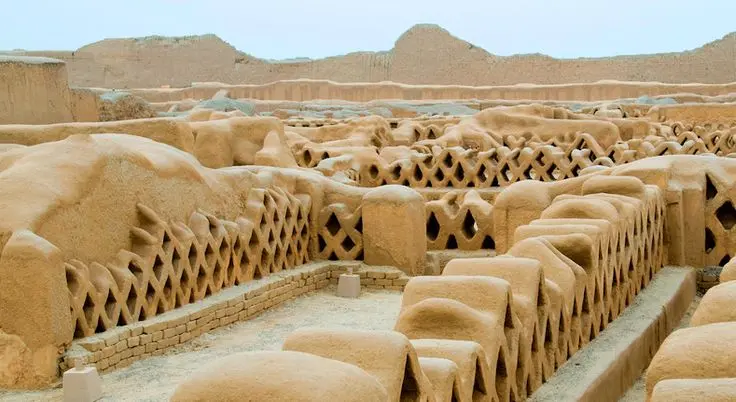
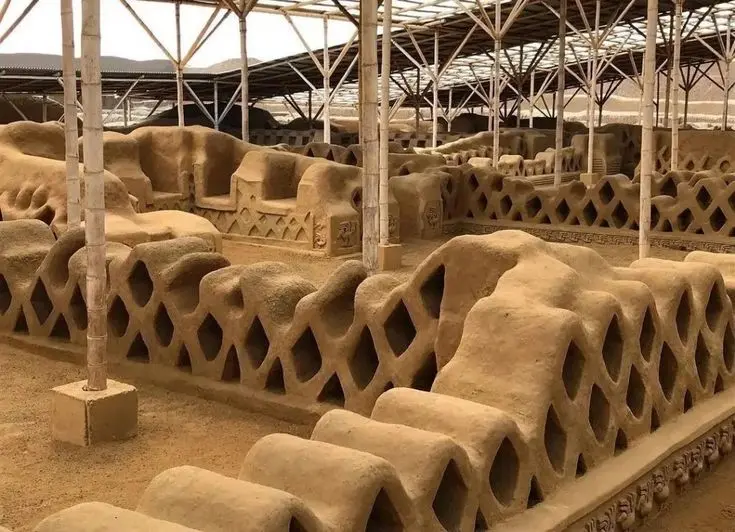
Chan Chan was the capital of the Chimú civilization and is considered the largest adobe city ever built. Located near the northern coast, this vast urban center was once home to tens of thousands of people. Its scale and preservation make it one of the most remarkable places to visit in Peru for understanding pre-Inca urban development.
Urban complexity
The city was carefully organized into walled compounds, ceremonial plazas, storage areas, and residential zones. Intricate reliefs depicting marine life reflect the Chimú reliance on the ocean and their sophisticated artistic expression. This level of planning reveals an advanced social hierarchy and strong administrative control.
Cultural continuity
When the Incas expanded into Chimú territory, they did not erase this civilization’s knowledge. Instead, they absorbed key practices, particularly in metallurgy, craftsmanship, and administrative systems. Visiting Chan Chan broadens your perspective by showing that the greatness of the Inca Empire was built upon earlier cultures, expanding your understanding of places to visit in Peru beyond a single historical narrative.
You may also like: Where to eat cheap in Cusco: Route and Tips
Why understanding places changes how you travel?
Traveling through Peru takes on a deeper meaning when you understand the history, beliefs, and intentions behind each place. These sites are not isolated attractions; they are part of a cultural system shaped by centuries of knowledge and experience. When you learn the stories behind the most important places to visit in Peru, your journey shifts from simple sightseeing to a more conscious and enriching experience.
Cultural respect
Understanding the spiritual and historical importance of these places naturally leads to greater respect. You become more aware of why certain sites are protected, why traditions are preserved, and why local communities value these spaces so deeply. This awareness encourages responsible travel, where appreciation replaces consumption and curiosity is guided by respect.
Personal connection
As you gain context, you stop being a passive observer and begin to feel personally connected to what you see. Walking through ancient streets or standing among centuries old structures becomes an emotional experience, not just a visual one. The most memorable places to visit in Peru are not only the ones you photograph, but the ones you truly understand and carry with you long after the journey ends.
You may also like: Hidden places in Cusco: Discover the best-kept secrets
A Journey that stays with you
Traveling through Peru is an experience that goes far beyond visiting famous landmarks. Each place carries layers of history, belief, and human ingenuity that invite you to slow down and truly observe. As you move through ancient cities, sacred valleys, and diverse landscapes, you begin to understand how deeply the Inca worldview shaped not only architecture, but also the way people related to nature and to each other. These places are not silent ruins; they are living reminders of a civilization that valued balance, respect, and continuity. When you leave Peru, what stays with you is not just the memory of what you saw, but the feeling of having connected with something timeless that continues to shape the present.

