
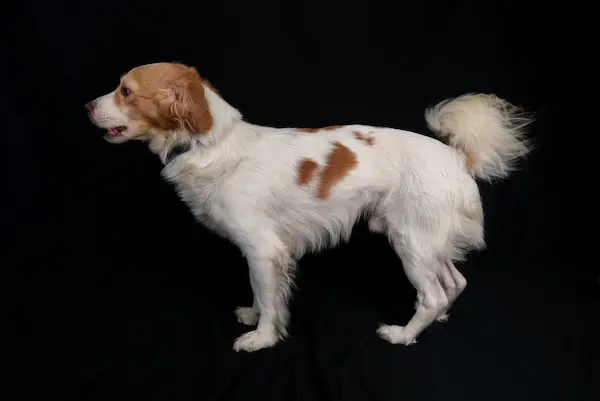
Chiribaya dogs are an ancient breed of animals with strong ties to culture, nature, and spirituality in Ancient Peru. Although pet ownership as we know it did not exist in Ancient Peru, the chiribaya dog was a vital animal for survivorship, community, and ritualistic behavior. While the information about chiribaya dogs started from oral tradition, our current understanding continues to be shaped by research done through archaeology in the Andes before the arrival of Columbus.
The study of chiribaya dogs, and the lessons learned through our understanding of the chiribaya dog throughout its past and present, help demonstrate the significance of these animals to the way Chiribaya people define themselves and give us insight into the way Chiribaya people lived.
The lessons learned through the narrative of the chiribaya dog raise questions about the way that people interacted with other species and cause us to reflect on historical people’s thoughts about coexistence, responsibility, and the relationship of human beings and other living creatures. Humans thought about their relationships with birds as central to their existence, as part of a community, and not only as a source of food. The exchange of gifts between humans and chiribaya dogs represents the foundation for our value of the spiritual aspect of reciprocal relationships and respect for the natural world and continuing practices and beliefs that establish a spiritual connection between ourselves and the natural world.
Who was the chiribaya dog
A medium-sized, fox-like canine lived alongside the Chiribaya people between approximately 900 and 1350 AD, mainly in the southern coastal regions of what is now Peru. Unlike many ancient dogs that are known only through symbolic references or limited records, this animal is exceptionally well documented thanks to preserved remains discovered at archaeological sites.
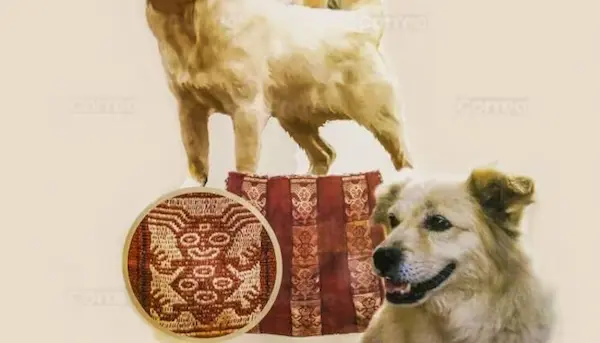
What makes this canine especially remarkable is not only its physical appearance, but the emotional and symbolic value it held within the community. These animals were not treated as disposable or purely utilitarian; they were carefully buried, sometimes wrapped in textiles, and placed near humans in ceremonial contexts. Such practices suggest they were regarded as companions with strong social and spiritual significance, reflecting a deep and respectful bond between people and animals in Chiribaya society.
You may also like: Top 20 lima nightlife spots: rooftop bars, clubs & live music venues
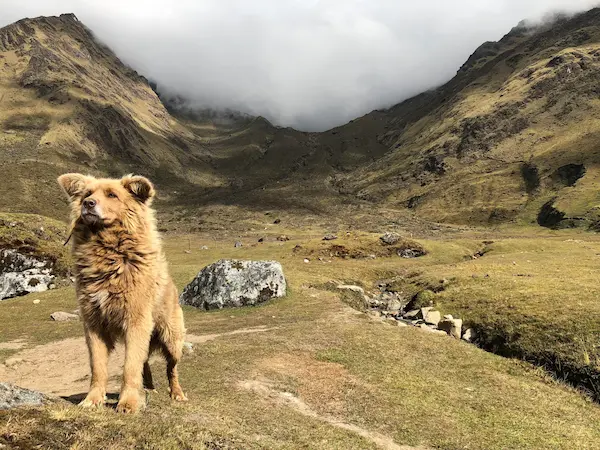
Origins of the chiribaya dog in ancient Peru
The origins of this ancient canine are closely linked to the development of the Chiribaya culture, which flourished between approximately 900 and 1350 AD along the southern coastal valleys of Peru. In a landscape shaped by deserts, river oases, and maritime resources, these dogs evolved as resilient and adaptable companions, well suited to harsh environmental conditions. Archaeological evidence indicates that they were intentionally bred and carefully cared for, reflecting their importance in daily life as herders, protectors, and companions. Their presence in ceremonial burials alongside humans reveals that they were valued not only for practical purposes, but also for their cultural and spiritual significance within ancient Peruvian society.
The chiribaya culture and its environment
To understand this ancient canine, it is essential to first look at the culture that shaped its existence. The Chiribaya civilization developed in a demanding environment defined by arid deserts, fertile river valleys, and coastal plains. Survival in such conditions required constant adaptation, strong cooperation, and a deep understanding of the surrounding landscape.
Within this context, dogs emerged as vital allies. The harsh coastal climate demanded resilience, and animals capable of withstanding temperature changes, scarce water resources, and vast open terrain became indispensable. Over generations, these dogs adapted naturally to these conditions, developing physical traits that allowed them to thrive in the environment.
The relationship between humans and these animals was practical, but it extended far beyond simple functionality. They were deeply woven into the cultural fabric of Chiribaya life, appearing in burial practices and likely in belief systems or narratives that were never recorded in written form.
Why dogs were essential in pre-Columbian societies
Across the Andes, dogs played multiple roles in pre-Columbian societies. They assisted in hunting, herding, protection, and ritual activities, forming an essential part of daily and ceremonial life. In some cultures, however, their presence in burial contexts suggests a bond that went beyond utility, reflecting a particularly close relationship between humans and animals.
Dogs often symbolized loyalty, guidance, and protection within the spiritual realm. In Andean belief systems, animals were viewed as intermediaries between worlds, capable of guiding souls or safeguarding communities from unseen forces. This symbolic role likely made dogs indispensable not only during life, but also in death, reinforcing their importance within social and spiritual traditions.
Archaeological discoveries of the chiribaya dog
Archaeological discoveries in southern Peru have provided some of the clearest evidence of the close relationship between humans and animals in ancient coastal societies. Excavations at burial sites have uncovered exceptionally well-preserved canine remains, including naturally mummified specimens placed with clear intention within funerary contexts. These findings suggest respectful burial practices, sometimes involving textiles or positioning near human remains, which point to emotional and symbolic value rather than simple disposal. Through these discoveries, researchers have gained insight into physical traits, health conditions, and ritual behaviors, shedding light on how these animals were integrated into both daily life and spiritual traditions.
Mummified dogs and burial rituals
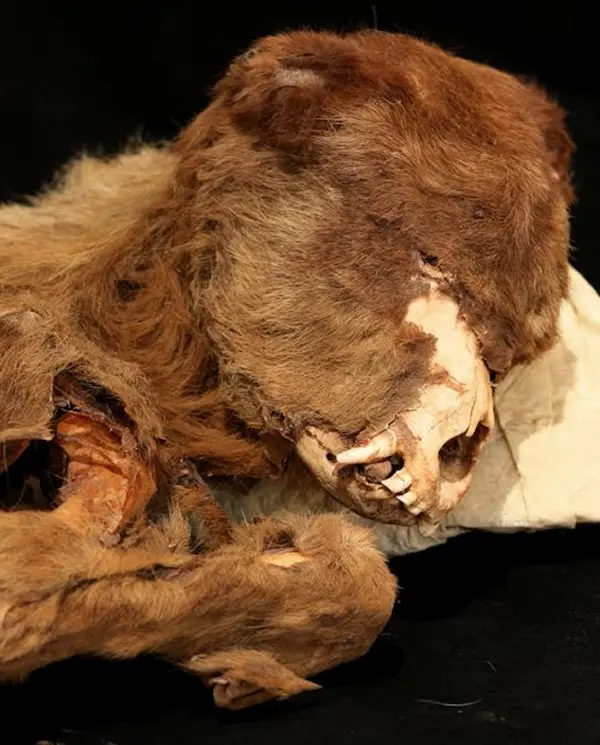
Some of the most compelling evidence comes from the discovery of naturally mummified canine remains preserved in the dry coastal soils of southern Peru. These mummies reveal animals buried with clear care and intention, often carefully positioned and accompanied by offerings, which points to meaningful funerary practices.
The presence of these burials alongside human remains suggests a shared journey into the afterlife. In several cases, the animals were wrapped in textiles similar to those used for people, reinforcing the idea that they were regarded as members of the community rather than simple possessions.
These discoveries have enabled researchers to analyze diet, health conditions, and physical structure, offering rare and valuable insight into how ancient societies cared for and valued their animals within both daily and ceremonial contexts.
What these findings reveal about human dog relationships
The archaeological record shows that these animals lived in close proximity to humans, likely sharing living spaces and daily routines. Evidence of good nutrition and healed injuries points to long-term care and attention rather than neglect or abandonment.
This challenges many modern assumptions about ancient domestication. These animals were not merely tolerated; they were clearly valued. The bond between humans and dogs reflects a worldview in which animals were seen as respected partners in survival and as meaningful participants in social and spiritual life.
You may also like: Is Puno worth visiting for first time travelers to Peru
Physical characteristics of the chiribaya dog
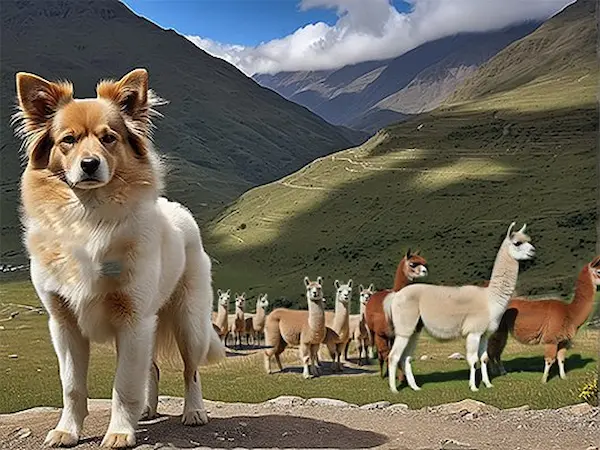
These ancient dogs displayed a distinctive physical appearance shaped by both environment and function. They were generally medium-sized, with lean yet sturdy bodies that allowed for endurance and agility across open terrain. Their features often included pointed ears, elongated snouts, and alert expressions, suggesting animals well adapted for awareness and responsiveness in challenging landscapes.
Coat colors tended to blend naturally with the surrounding desert and coastal environments, ranging from sandy and reddish tones to darker shades. This physical adaptation likely helped regulate body temperature and provided protection from intense sunlight. Overall, their build and traits reflect a close process of adaptation to arid climates, where resilience and efficiency were essential for survival.
Size, coat, and distinctive traits
The chiribaya dog was typically medium-sized, with a lean but sturdy build. Its coat varied in color, often displaying reddish, brown, or sandy tones that blended naturally with the desert landscape. This coloration may have provided camouflage and protection from the sun.
Its pointed ears and alert expression suggest a dog bred for awareness and responsiveness. These traits would have been ideal for herding and guarding, tasks essential in Chiribaya society.
Adaptation to coastal and desert climates
One of the most remarkable features of the chiribaya dog is its adaptation to extreme environments. Living in arid coastal regions required efficient temperature regulation and endurance.
The chiribaya dog’s physical structure suggests it could travel long distances with minimal water, making it an ideal companion for herders moving livestock across open terrain. These adaptations highlight the close relationship between environment, culture, and selective breeding.
The role of the chiribaya dog in daily life
These dogs played a central role in daily life within Chiribaya communities, supporting both practical needs and social dynamics. They were likely used to help herd and protect llamas and other livestock, guarding them from predators and assisting people as they moved across open coastal and desert landscapes. Beyond their working roles, they served as constant companions, providing security and a sense of closeness within households. Their presence in everyday activities reflects a relationship built on trust and cooperation, where animals were fully integrated into family life rather than treated as separate or secondary beings.
Herding, protection, and companionship
Daily life in Chiribaya communities revolved around agriculture, fishing, and herding. Dogs likely played a crucial role in managing herds of llamas and alpacas, protecting them from predators and helping maintain order across open landscapes.
Beyond work, they were constant companions. Their presence provided security and emotional support, reinforcing social bonds within families and strengthening a sense of community based on trust, cooperation, and shared daily experience.
Symbolism and spiritual meaning
These animals may also have held symbolic meaning related to protection, guidance, and loyalty. In many Andean cultures, animals were associated with specific spiritual attributes, and dogs in particular often represented guardianship and vigilance.
The careful burial of these animals suggests they were believed to continue their protective role in the afterlife, guiding souls or watching over descendants. Such practices reflect a spiritual worldview in which the bond between humans and animals extended beyond death, reinforcing ideas of continuity, care, and cosmic balance.
You may also like: Horseback Riding in Cusco: Explore the Andes in a Unique Way
The chiribaya dog and Andean belief systems
Andean cosmology viewed the world as an interconnected system of humans, animals, nature, and spirits. The chiribaya dog fit seamlessly into this worldview, acting as a bridge between realms.
Dogs were often associated with journeys both physical and spiritual. The chiribaya dog may have been seen as a guide through unknown landscapes, whether across deserts or into the afterlife.
This belief system reinforces why the chiribaya dog was honored in death, not forgotten.
Connection between the chiribaya dog and modern Peruvian identity
Today, the chiribaya dog represents a tangible link to Peru’s deep past. Its story contributes to a broader understanding of Andean civilizations and their respect for life in all forms.
For travelers exploring Peru, learning about the chiribaya dog adds depth to visits across the southern regions. Cultural experiences often connect naturally with journeys through Mother Earth Contact | Pachamama, where ancient traditions and landscapes still echo the past.
Similarly, those exploring Andean heritage through cusco tours encounter the same worldview that once shaped the relationship between humans and the chiribaya dog.
Even thematic experiences like a Surfing lessons in Lima through Peru gain richer meaning when framed within the timeless bond between people, animals, and the land.
You may also like: Tracing the Andean Map: From Cusco’s Sacred Valley to the Floating Islands of Puno

Visiting the land of the chiribaya dog today
The regions once inhabited by the Chiribaya people remain rich in history and cultural significance. Arid valleys, coastal plains, and ancient burial sites offer glimpses into a world shaped by close relationships between humans, animals, and the land they shared.
Museums and archaeological sites preserve this legacy, allowing visitors to connect with a story that feels surprisingly modern in its emotional depth. Through preserved remains, artifacts, and interpretive displays, the past becomes tangible and deeply human.
Walking through these landscapes, it is easy to imagine loyal animals moving alongside their human companions—alert, protective, and fully integrated into everyday life, reflecting a bond built on trust, coexistence, and shared survival.
Archaeological sites linked to the chiribaya culture
The southern regions of Peru are home to archaeological landscapes that reveal how ancient communities adapted to challenging coastal and desert environments. Burial sites, ceremonial areas, and remnants of settlements provide insight into social organization, daily routines, and belief systems. Exploring these spaces allows visitors to better understand how humans and animals once coexisted as part of a shared cultural and environmental system.
Museums preserving the legacy of the chiribaya dog
Museums play a crucial role in preserving and interpreting the heritage of pre-Columbian societies from southern Peru. Through exhibitions featuring artifacts, textiles, and preserved remains, visitors gain a deeper appreciation of ancient worldviews and emotional connections that feel strikingly familiar. These institutions help bridge the past and present, turning archaeological discoveries into accessible and meaningful stories.
You may also like: Cusco adventure travel for beginners
Why the chiribaya dog still matters
The story of the chiribaya dog reminds us that human–animal relationships have always been complex and meaningful. Long before modern concepts of pets and animal rights, ancient cultures like the Chiribaya recognized the value of companionship, loyalty, and mutual respect. These relationships were built not only on utility, but on emotional connection and shared experience within a demanding environment.
The chiribaya dog is not just an archaeological curiosity; it is a symbol of coexistence. Its presence in daily life, ritual practices, and burial traditions reflects a worldview in which animals were acknowledged as active participants in society. This legacy challenges us to reconsider how we relate to animals today and how deeply cultural values influence those relationships.
By preserving and sharing the story behind the chiribaya dog, we honor a forgotten bond that continues to resonate across centuries. It invites modern audiences to look beyond technological progress and reconnect with ancient lessons about respect, interdependence, and the enduring ties between humans, animals, and the natural world.

