
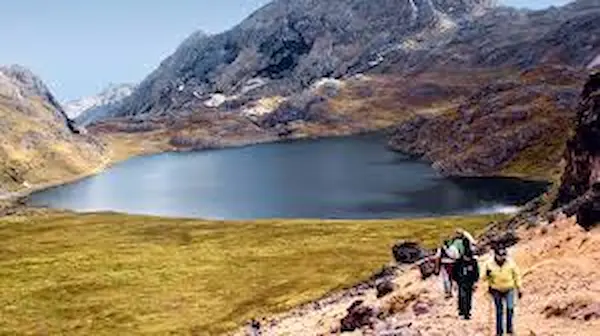
Peru is world renowned for its stunning landscapes and offers some of the best hikes in Peru, attracting outdoor enthusiasts and mountain lovers from across the globe. Whether you’re a beginner or an experienced hiker, Peru’s diverse mountain trails provide both challenging and rewarding adventures. This guide explores the best hikes in Peru, focusing on mountain routes that reveal breathtaking landscapes, unique ecosystems, and vibrant local cultures.
If you’re planning a South American trip and love hiking, Peru should top your list. This article will introduce you to both popular and hidden hiking trails, practical tips to prepare, and insights into what makes these treks unforgettable.
Why hiking in Peru?
When it comes to trekking, few destinations can match the diversity and beauty found in Peru. The best hikes in Peru showcase the country’s incredible geography, from towering peaks in the Andes to colorful mountains and deep canyons. Trekking in Peru is more than a physical challenge ,it’s a cultural immersion. Many trails pass through traditional villages where indigenous communities preserve centuries-old customs.
The Andes Mountains dominate Peru’s landscape, providing some of the most spectacular mountain hiking routes worldwide. Trails traverse high-altitude passes, turquoise glacial lakes, and dramatic valleys. Peru’s biodiversity also stands out, offering rare wildlife and unique flora throughout your journey.
The perfect blend of nature, history, and culture makes hiking in Peru immensely popular. While the Inca Trail is legendary, many lesser known trails offer equally stunning and less crowded experiences. Let’s dive into the best hikes in Peru suitable for all types of travelers.
You may also be interested in: Low budget plans to explore the best of southern Peru
The most spectacular hiking Regions in Peru
Explore Peru’s diverse landscapes and unique ecosystems through these remarkable hiking regions. Each offers distinct experiences, from iconic Inca paths to hidden gems tucked within mountain ranges and canyons.
Inca Trail to Machu Picchu
The iconic Inca Trail is undeniably one of the best hikes in Peru. Over four days, you’ll cover around 43 km along ancient paths built by the Incas. Crossing three mountain passes over 4,200 meters high, the route offers constantly changing scenery cloud forests, Inca terraces, and significant archaeological sites accompany you every step of the way.
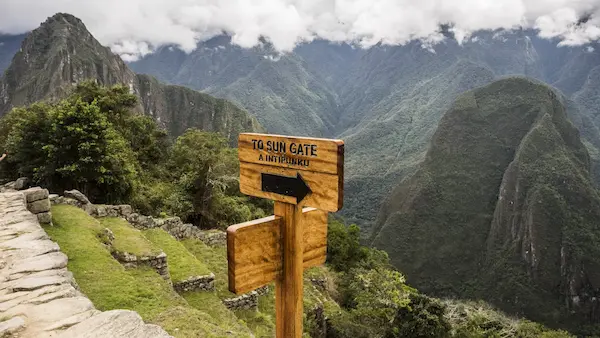
Wiñay Wayna, an Inca site perched atop steep slopes, provides panoramic views of the Urubamba Valley. On your final day, you’ll arrive at Inti Punku (the Sun Gate) to witness Machu Picchu at sunrise a moment few experiences rival.
Cultural immersion adds depth to this trek. You’ll interact with local guides and porters, savor traditional dishes, and hear ancestral legends. Booking your spot six months in advance is crucial due to limited daily capacity. For organized tours and expert guides, explore this Inca trail treks provider for a professional experience.
Vinicunca: Rainbow Mountain Hike
Vinicunca, or Rainbow Mountain, has quickly become one of the best hikes in Peru. Though a one day hike, the high altitude and rocky terrain make it physically demanding. From Cusco, you’ll travel to Cusipata and start your ascent along marked trails.
As you climb, small stalls offer coca leaf infusions helpful for altitude adjustment. Upon reaching the summit, you’ll marvel at the mountain’s vibrant colors, formed by mineral deposits. Early morning departures help avoid crowds and offer the best lighting for photographs.
Pack trekking poles, wear light layers, and avoid carrying excessive weight. The return journey is easier and offers chances to photograph llamas and alpacas grazing the highlands.
Santa Cruz Trek in Cordillera Blanca
The Santa Cruz Trek is considered one of the best hikes in Peru for multi-day trekking enthusiasts seeking solitude. Over four days, you’ll journey through the heart of the Cordillera Blanca, home to peaks like Alpamayo and Huascarán. Each day, covering 10 to 16 km, reveals turquoise lagoons, Andean grasslands, and impressive glaciers.
The highest point is Punta Unión at 4,750 meters, offering breathtaking views of snow capped summits and glacial valleys. Camp near streams and savor the peacefulness of the mountains. Starry night skies provide unforgettable moments.
For safety and cultural insights, hiring a local guide is advisable. Supporting local professionals also benefits rural communities. For high quality tour services, consider this Peru tour operator specializing in customized hiking experiences.
Colca Canyon Hike
The Colca Canyon Hike is often overlooked, yet it ranks among the best hikes in Peru. Starting from Chivay, you’ll pass through picturesque villages like Yanque and enter one of the world’s deepest canyons.
Trekkers enjoy hot springs, ancient terraces, and the famous Cruz del Cóndor viewpoint, where you can spot Andean condors soaring above. Trails descend steep canyon walls, pass through oasis-like valleys, and provide ample opportunities for cultural interactions with locals.
Expect to walk 10-15 km daily over two to three days. Footwear with good traction and walking sticks are recommended for the steep sections.
Choquequirao Trek
Often dubbed the “sister city” of Machu Picchu, Choquequirao is an archaeological marvel accessible only by foot. This trek, less crowded than the Inca Trail, offers raw adventure and cultural immersion. Over four to five days, hikers descend deep valleys and ascend steep slopes to reach this isolated site.
En route, you’ll witness diverse ecosystems, cascading rivers, and ancient Inca terraces. The sense of discovery upon reaching Choquequirao larger and arguably as impressive as Machu Picchu makes this trek stand out among the best hikes in Peru.
This trail is physically demanding but richly rewarding. To organize your adventure, explore specialized providers like Choquequirao treks for guided excursions.
You may also be interested in: The 10 Best Peru tour companies
Tips for hiking the best trails in Peru
When preparing for the best hikes in Peru, proper planning is crucial. Consider the following tips to ensure a safe and enjoyable experience:
Acclimatization
Many of the best hikes in Peru take place at elevations above 3,000 meters. Your body needs time to adapt to these altitudes to avoid altitude sickness, which can cause headaches, nausea, and fatigue. Spend at least two to three days in acclimatization-friendly cities like Cusco, Arequipa, or Huaraz before beginning your trek. During this period, engage in light activities, stay hydrated, and consume local remedies like coca tea to ease the adjustment process.
Smart Packing
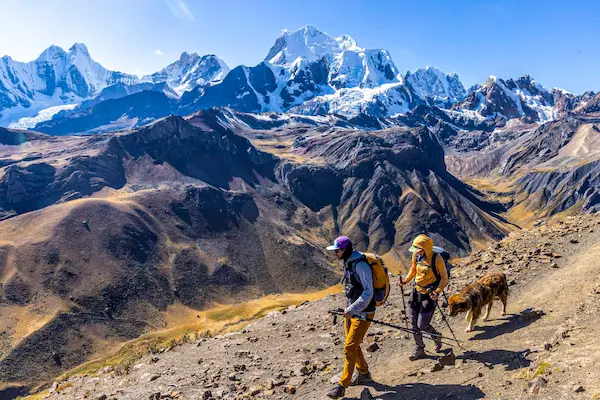
Your backpack is your lifeline during your hike. Focus on packing versatile clothing layers, including moisture-wicking base layers, thermal wear, waterproof jackets, and insulating layers for cold nights. Trekking poles provide stability on uneven terrain, while a headlamp is essential for pre-dawn starts or navigating campsites at night. A lightweight, high-quality sleeping bag suitable for sub-zero temperatures is a must for multi-day hikes. Avoid overpacking to reduce strain during long climbs.
Nutrition and hydration
Proper nutrition and hydration are critical when tackling the best hikes in Peru. Your body burns more calories at high altitudes, so pack energy-dense foods like nuts, dried fruits, granola bars, and dark chocolate. Eating small, frequent snacks helps maintain energy levels throughout the day. Equally important is drinking small sips of water regularly to prevent dehydration, especially at altitude where you may not feel as thirsty. Carry electrolyte-replacement drinks or tablets to maintain your mineral balance during long ascents.
Guided tours
While some trails can be explored independently, hiring certified local guides enhances both safety and cultural understanding. Professional guides are trained in first aid and knowledgeable about weather conditions, navigation, and the region’s cultural history. They can also enrich your experience by sharing local legends, stories, and ecological insights. For expertly guided adventures, explore reputable providers such as your preferred Peru tour operator, Inca Trail treks, or Choquequirao treks specialists mentioned throughout this guide.
Environmental respect
Peru’s natural beauty and cultural heritage deserve protection. Adopt Leave No Trace principles: carry out all waste, avoid disturbing wildlife, and stick to established trails to minimize erosion. When passing through villages, respect local customs ask for permission before taking photographs and avoid handing out sweets or money to children. Purchasing locally made crafts and produce supports sustainable tourism and benefits rural economies. By hiking responsibly, you help preserve Peru’s trails for future generations.
You may also be interested in: Top 7 Peru tourist attractions you must visit in 2025
Unique experiences along the best hikes in Peru
What distinguishes the best hikes in Peru is the combination of natural beauty, history, and cultural richness. From ancient Inca roads to hidden archaeological gems, these trails tell stories of past civilizations.
The Inca Trail immerses you in ancient history, while the Santa Cruz and Choquequirao treks offer raw Andean landscapes rarely seen by tourists. Rainbow Mountain’s colorful slopes showcase nature’s artistry, and Colca Canyon blends rugged trails with authentic village life.
Each trail provides a chance to connect with nature, history, and local communities. Whether you’re admiring turquoise lagoons, crossing hanging bridges, or sharing meals with indigenous families, every experience adds depth to your journey.
Conclusion
The best hikes in Peru offer an unmatched blend of stunning landscapes, cultural encounters, and adventurous challenges. Whether you opt for the iconic Inca Trail, the vibrant Rainbow Mountain, or the isolated Choquequirao, each trek promises unforgettable moments.
Trekking in Peru is not just about physical endurance; it’s about connection. Every step brings you closer to the soul of the Andes and its ancient heritage. Before you set out, prepare well, acclimate properly, and travel mindfully.

