

Cusco is not only the old capital of the Inca Empire or the gateway to Machu Picchu. For me, it’s a city where food speaks louder than words, where every plate has a story behind it. Many travelers end up saying that finding good food in Cusco was just as memorable as wandering through its narrow cobbled streets or visiting its ruins. And honestly, I understand why. From small market stalls filled with colors and noise to elegant restaurants mixing tradition with modern ideas, the city’s kitchens never fail to surprise.
What makes Cusco unique is the way its gastronomy remains connected to the land. Local ingredients like corn, potatoes, quinoa, and fresh herbs are not only staples but also cultural symbols. Dishes are often prepared in ways that have been passed down for generations, and yet you will also find chefs reinterpreting those recipes for today’s visitors. This balance between authenticity and creativity makes exploring food in Cusco an experience in itself.
Whether you are sitting down for a traditional Andean meal, grabbing a quick bite from a street vendor, or enjoying a contemporary twist on Peruvian cuisine, you will notice one thing in common: food here is more than nourishment—it’s a way of sharing identity and hospitality. That is why searching for good food in Cusco is not just about taste, but also about understanding the spirit of the region.
In this guide, we will take you through the most authentic flavors, local dishes, and hidden gems that make Cusco one of the most exciting culinary destinations in Peru. From hearty traditional plates to modern restaurants that push boundaries, here is where to find the best local flavors and truly enjoy good food in Cusco.
You may also like: Why Peru in october is the best month to visit
The Culinary Heritage of Cusco
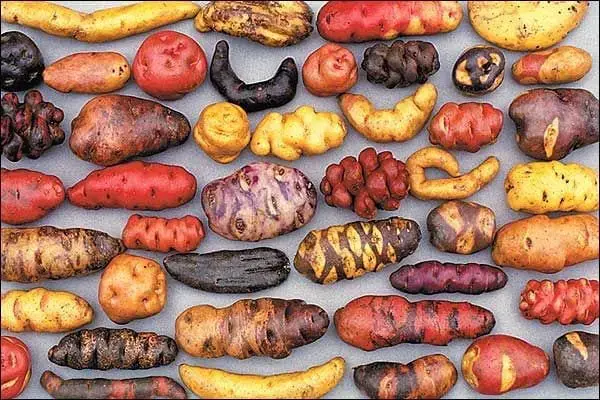
The roots of Cusco’s gastronomy stretch back to the Inca civilization. Long before Spanish influence arrived, the Andean people cultivated an extraordinary variety of crops. Peru is home to more than 3,000 types of potatoes, and many of them have been part of Cusco’s diet for centuries. Quinoa, corn, and herbs like huacatay were daily staples that shaped the foundation of Andean cuisine.
When the Spanish colonizers arrived in the 16th century, they brought their own ingredients such as wheat, rice, and livestock including cattle, pigs, and chickens. Over time, these elements fused with native crops, creating a culinary identity that is distinctly Peruvian yet global in scope. It is this blend that travelers experience when looking for good food in Cusco today.
Walking through the markets or tasting a local dish in a family-owned eatery, you quickly realize how much history is embedded in every plate. Traditional cooking techniques, such as slow roasting in clay ovens or preparing food underground in a huatia, are still practiced. At the same time, Cusco is also home to innovative chefs who reinterpret classic dishes with modern techniques, proving that food in Cusco evolves without losing its heritage.
Where Tradition Meets the Table: Classic Dishes to Try
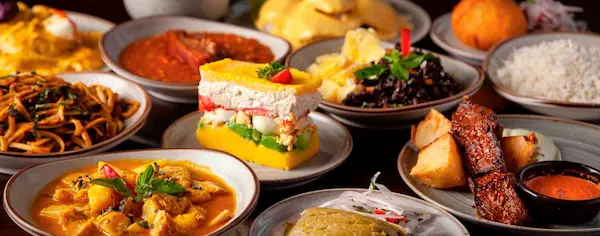
If you want to understand Cusco’s culture through its cuisine, the best way is to taste the dishes that locals have cherished for generations. Some of the must-try meals include:
Ceviche Andino
While coastal Peru is known for its fresh fish ceviche, Cusco has its own highland version. Instead of seafood, locals prepare ceviche using trout from the Andes or even mushrooms. The citrus marinade combined with Andean spices creates a refreshing and unique twist.
Chiriuchu
Chiriuchu is one of Cusco’s most traditional festival dishes, often served during Corpus Christi. It is a complex plate that combines guinea pig, chicken, sausages, cheese, corn, and even seaweed. Though unusual for some visitors, it reflects the variety of influences that define Cusco’s cuisine.
Cuy al Horno (Roasted Guinea Pig)
For centuries, guinea pig has been a staple protein in the Andes. In Cusco, it is often roasted whole and served with potatoes and corn. While it might seem surprising to some travelers, tasting cuy al horno is one of the most authentic ways to experience good food in Cusco.
Lomo Saltado & Fusion Plates
Lomo Saltado, a stir-fry that blends Chinese cooking with Peruvian ingredients, is a favorite among visitors and locals alike. Tender beef strips, onions, tomatoes, and soy sauce are served over rice and potatoes. This dish highlights the multicultural nature of food in Cusco, where traditional Andean ingredients meet global culinary traditions.
You may also like: Fishing in the amazon river of Perú
Best Places for Good Food in Cusco
Finding good food in Cusco does not require much effort—almost every corner of the city offers something worth tasting. Still, certain places stand out:
Local Markets
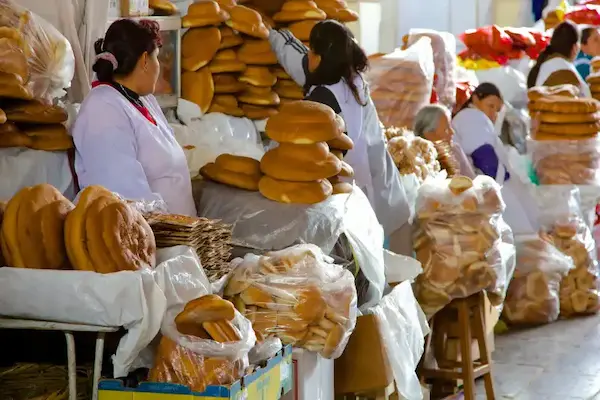
The San Pedro Market is perhaps the most famous food hub in the city. Here you can find freshly squeezed juices, traditional soups, and hearty stews at modest prices. The Wanchaq Market is another excellent option, less touristy but equally authentic. These markets are perfect for travelers who want to taste everyday food in Cusco.
Family-Owned Picanterías
Picanterías are traditional eateries where local families serve homemade dishes. These restaurants often feature wood-fired ovens and recipes passed down through generations. Eating in a picantería gives visitors a chance to connect with Cusco’s culture beyond what is found in guidebooks.
Modern Restaurants Blending Old & New
Cusco has become a hub for creative gastronomy. Restaurants run by young chefs experiment with local ingredients, giving traditional dishes a modern twist. Whether it is quinoa risotto, alpaca steak, or a dessert inspired by Andean fruits, these establishments show that good food in Cusco is constantly evolving.
You may also like: Exploring Peru: 6 hidden gems worth discovering
Exploring Street Food in Cusco
No guide to Cusco’s gastronomy would be complete without highlighting the richness of its street food. For many travelers, tasting snacks prepared right on the sidewalks is the fastest and most authentic way to discover good food in Cusco. Vendors set up on busy corners, near markets, and in plazas, serving dishes that locals enjoy every day.
Among the favorites are anticuchos, skewers of marinated beef heart grilled over hot coals and seasoned with spicy sauces. Another classic is the tamale, wrapped in corn husks and filled with either savory meats or sweet ingredients. These traditional bites show how deep the culture of good food in Cusco runs—every recipe carries history, family traditions, and flavors that represent the Andes.
During festivals, the streets become an open-air food court. You’ll find choclo con queso, a perfect combination of giant kernels of corn with fresh cheese, or picarones, golden dough rings covered with syrup made from chancaca. Each stand offers something different, and exploring them one by one is part of the adventure of searching for good food in Cusco.
Street food is also one of the most budget-friendly ways to enjoy the city. You don’t need a fancy restaurant to experience flavors that leave a mark; instead, you can stand side by side with locals, enjoying a quick bite while watching daily life unfold. For many visitors, this is where they truly understand that good food in Cusco is not about price, but about authenticity, tradition, and connection.
Whether it’s a late-night anticucho after a festival, a tamale to start the morning, or a plate of choclo with cheese while wandering the Sacred Valley, street vendors prove that the essence of good food in Cusco lives in the simplest and most heartfelt dishes.
Beyond the City: Good Food Around the Sacred Valley
The Sacred Valley, located just a short drive from Cusco, is one of the most rewarding areas to explore if you are looking for good food in Cusco and its surroundings. The valley is not only breathtaking in terms of landscapes and archaeological treasures, but also a place where traditional Andean cooking is still very much alive. Each town offers unique specialties that highlight the close relationship between food, geography, and culture.
Pisac: Wood-Fired Empanadas and Local Snacks
Pisac is famous for its lively market, but it is also one of the best spots to discover good food in Cusco’s wider region. The town is particularly known for empanadas baked in traditional clay, wood-fired ovens. Filled with cheese, meat, or vegetables, these empanadas are rustic, warm, and deeply satisfying. Pairing one with a cup of locally made herbal tea or freshly squeezed juice is a simple yet unforgettable experience.
Urubamba: Fresh Trout and Corn-Based Dishes
Urubamba, often called the heart of the Sacred Valley, is surrounded by fertile farmland that produces corn, vegetables, and fruit. It is one of the top places to try good food in Cusco if you want something fresh and authentic. Local restaurants often serve grilled trout straight from the rivers, accompanied by giant kernels of choclo corn and Andean potatoes. Many chefs in Urubamba also experiment with farm-to-table menus, offering visitors a more contemporary way of experiencing the valley’s natural abundance.
Ollantaytambo: Hearty Stews and Mountain Herbs
Ollantaytambo, known for its impressive Inca fortress, is equally memorable for its traditional cuisine. Travelers in search of good food in Cusco often make a stop here to try hearty stews, soups made with quinoa, and dishes flavored with native mountain herbs. Because of its high altitude and colder climate, the meals in Ollantaytambo tend to be more filling and comforting, perfect for recharging after exploring the archaeological site.
Experiencing Food in the Sacred Valley
Exploring the Sacred Valley gives you a deeper understanding of how good food in Cusco is inseparable from its geography. The fertile lands, clean rivers, and traditional farming methods provide the ingredients that make each dish special. Whether you are sampling street snacks in Pisac, enjoying trout in Urubamba, or savoring a rustic stew in Ollantaytambo, every meal is a reflection of the valley’s culture and traditions.
For travelers who are passionate about gastronomy, the Sacred Valley is not just a side trip but an essential part of discovering the best food in Cusco. Taking the time to eat like the locals do in these towns allows you to experience flavors that are as authentic as the landscapes themselves.
You may also like: The Best Trekking in Peru: Routes, Tips, and Unique Experiences
Food in Cusco for Vegetarians and Vegans
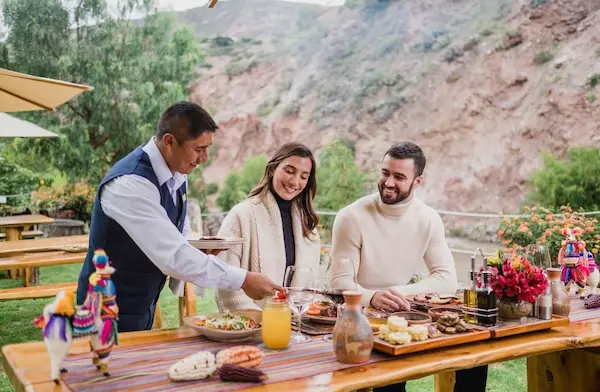
Peruvian cuisine may be known for meat-based dishes, but Cusco has embraced vegetarian and vegan options. Many restaurants offer quinoa soups, vegetable stews, and plates featuring native tubers. International travelers will also find cafes and restaurants dedicated entirely to plant-based cuisine.
This growing trend ensures that everyone, regardless of dietary preference, can enjoy food in Cusco while staying true to their lifestyle.
Tips for Enjoying the Food Scene in Cusco
Exploring the food in Cusco is one of the most rewarding parts of visiting the city, but knowing how to approach it can make the experience even better. Whether you’re sampling street snacks, dining at a family-run eatery, or sitting down in a fine restaurant, these tips will help you enjoy good food in Cusco with confidence.
Timing Matters
Lunch is the main meal of the day in Peru, and Cusco is no exception. Most restaurants offer affordable set menus called menú del día, which often include a starter, main dish, drink, and sometimes even dessert. For travelers looking for good food in Cusco at a reasonable price, this is the best way to eat like a local.
Respect Traditions
Some dishes may seem unusual to outsiders, but they are a reflection of centuries-old culinary traditions. Guinea pig (cuy), alpaca, and dishes made with Andean grains are part of daily life here. If you want to truly discover good food in Cusco, approach these dishes with curiosity and an open mind—you may find new favorites while also respecting the culture.
Stay Mindful of the Altitude
Cusco sits at over 3,300 meters above sea level, which can affect digestion. Heavy meals might feel different than they would at sea level, so it’s wise to pace yourself. Drinking coca tea or muña tea helps with digestion and altitude adjustment. Knowing this makes it easier to enjoy good food in Cusco without discomfort.
Hygiene Tips for Street Food
Street food is an essential part of experiencing food in Cusco. From anticuchos (grilled skewers) to tamales, the flavors are rich and authentic. To make sure you enjoy good food in Cusco safely, stick to popular stalls with a high turnover—fresh ingredients and constant cooking usually mean better hygiene.
You may also like: Cusco adventure travel for beginners
Final Thought
Cusco is a city that speaks through its food as much as through its history. A walk through the markets or a meal in a small picantería shows how much tradition still lives in everyday life. At the same time, new restaurants keep pushing creativity with Andean products, so you always find something unexpected on the table. That mix of old and new is what makes food in Cusco so memorable.
For me, eating here isn’t only about the dishes—it’s about the atmosphere. It’s sitting down with locals during a festival, grabbing something quick and tasty from a street stall, or warming up with a bowl of soup after a long day. Every meal feels connected to the place and to the people.
In the end, looking for good food in Cusco is really about enjoying the culture in the most simple and delicious way. You don’t just leave with the memory of flavors—you carry a little bit of the city with you.

