
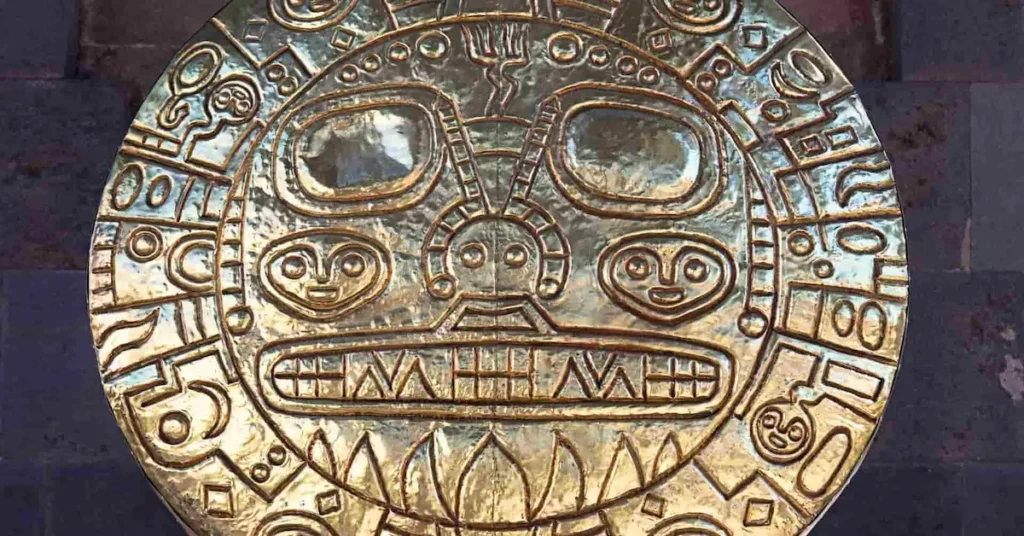
Before Cristobal Colon imbued the Inca Empire with beliefs from a different world, the gods of incas created a complex and appealing religious system in the Americas, which was part of the origin of the Inca Empire. They believed that each natural element, such as rain, mountains, and the sun, possessed a spiritual force that had to be honored. Their worldview guided their existence in the social, political, and agricultural spheres.
The Tahuantinsuyo Empire, at its height between the 15th and 16th centuries, was sustained by faith in its gods, who were seen as guardians of harmony among the celestial, terrestrial, and subterranean worlds. This spirituality influenced their art, architecture, and rituals, many of which endure in the Andean communities of Peru.
You might be interested in Hidden places in Cusco: Discover the best-kept secrets
Inca gods and religion: an overview of the Inca spiritual world
The reciprocity between humans and gods was the foundation of Inca religion. Every ceremony, oration, and offering was an act of gratitude to the gods who upheld the universe’s order. The most significant of the gods of incas was Inti, the god of the sun, who was regarded as the father of the Incas’ emperors. Viracocha, the creator god, held the second position, followed by Pachamama, the mother of the earth and the source of life and fertility.
The Inca spirituality was not limited to temples; it existed in everyday life. The mountains, or most recognized like apus, were viewed as guardians, while rivers and lakes represented purity and fertility. Offerings to Inca gods were made with coca, chicha, maize, seashells, and occasionally animals, with deep respect and devotion.
How the Incas honored their gods
Sacerdotes, also known as willka umu, were responsible for organizing religious ceremonies. The Coricancha, Cusco’s Sun Temple, hosted important rituals such as the Inti Raymi, a celebration held every June in honor of the Sun. During these festivals, the Inca and his court offered symbolic sacrifices to ensure good harvests and political stability.
Inca worship also included pilgrimages to sacred places known as huacas, such as stones, caves, mountains, or manantiales considered sacred to the gods of incas. These locations were energy centers where believers sought spiritual connection with nature.
How many gods did the Incas have
One of the most common questions among students is how many gods of incas have. The exact figure is unknown due to the polite and regional nature of Inca religion, which allowed each region of the empire to have their own local deities. However, it is estimated that more than a hundred deities were recognized in various Tahuantinsuyo communities.
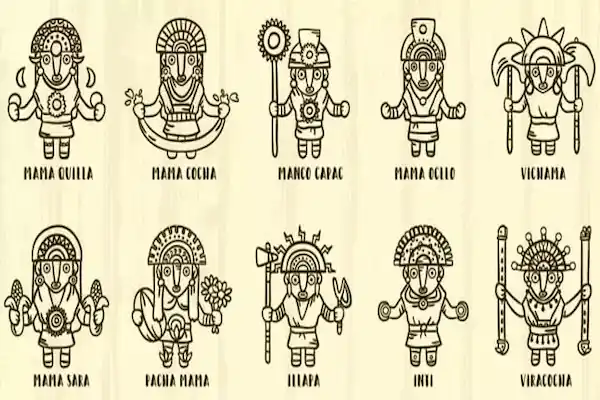
Viracocha, the creator of the earth, the sky, and humankind, was the principal deity of the Inca pantheon. Next came Inti, the sun god, who gave legitimacy and life to imperial power. Beside him stood Mama Quilla, the goddess of the Moon, and Illapa, the god of lightning and storms, who symbolized the power of the weather. The gods of incas were followed by hundreds of minor gods who protected lakes, mountains, and valleys.
The main deities of the Inca Empire
- Inti: the Sun god and father of the Incas, a symbol of power and wisdom.
- Viracocha: creator of the universe, considered the origin of everything.
- Pachamama: Mother Earth, source of fertility and natural balance.
- Mama Quilla: Goddess of the Moon, protector of women and the lunar calendar.
- Illapa: god of lightning and war, capable of controlling the rains.
- Supay: spirit of the underworld, lord of the dead.
- Mama Cocha: goddess of the sea and of the waters.
Every one of these Inca deities was honored with grand temples, a dedicated priesthood, and vibrant festivals, all of which showcased the profound spiritual richness and cultural significance of Tahuantinsuyo. for that reason if you want to see the sacred paths that lead to the Inca temples up close, the Classic Inca Trail to Machu Picchu tour offers an unforgettable experience in which history and spirituality are combined at every step.
You might be interested in The best time to visit Arequipa and experience its magic
List of Inca gods: The main gods of the Tahuantinsuyo
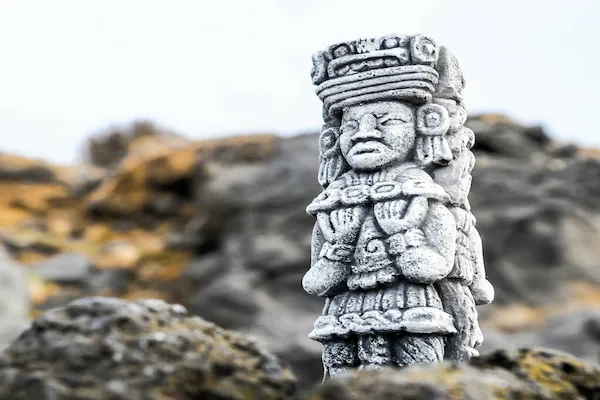
The Inca God List demonstrates how the Incas interpreted the world through divine forces. For them, life was a cycle in which the Inca gods regulated every aspect of nature. The religious system also served as a political organization, as the Inca, as ruler, was regarded as a divine figure and son of the sun.
Some deities had specific functions. Apu Catequil, for example, was a thunder god revered in Peru’s northern region. Urcaguary was the god of metals and underground wealth, whereas Pariacaca was the goddess of rain in the central Sierra. These beliefs demonstrate how the Incas adapted their gods to the geographical surroundings of each region.
Influence of the Inca gods today
Numerous traditions linked to the gods of incas persist even after the Spanish conquest and the spread of Christianity. In rural regions like Cusco, Puno, and Apurímac, offerings to Pachamama, the Earth Mother, are crucial for agriculture and construction. Community rituals express gratitude for the land’s fertility and seek her blessings for successful harvests, often involving coca leaves and chicha. This practice reflects a profound respect for nature and the spiritual ties the Andean people maintain with their environment, showcasing how the gods of incas continue to influence daily life and cultural heritage.
The ceremonies known as “payments to the earth” are essential for maintaining the balance between humans and nature. Annual festivities such as Pachamama Raymi and Inti Raymi combine ancient traditions with modern elements, reflecting the spiritual legacy of the Inca gods and inspiring admiration and respect.
If you want to experience these ancient traditions up close, you can do so through the nature-based experiences offered by manu reserved zone tours, which combine Peru’s history and biodiversity into a spiritual journey.
You might be interested in Tips for Traveling to Peru as a Couple or with Friends
The connection between the Inca gods and daily life
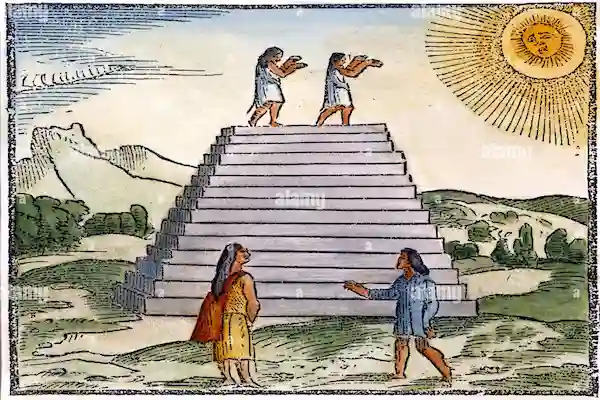
The Inca gods governed every aspect of the Incas’ lives. The Inca gods had influence over warfare, agriculture, marriages, and even state decisions. Farmers would ask Pachamama for permission before plowing the land, and rulers would offer sacrifices to Inti before launching a military campaign. Nothing was done without God’s approval.
This dedication is also evident in architecture. The temples and buildings were aligned with the stars, allowing sunlight to enter at precise times of the year. This level of precision demonstrates how the Incas combined science and religion to honor the gods of Incas.
Agricultural rituals and their spiritual significance
Agriculture was the empire’s economic foundation, and its success relied on divine favor. Before harvesting, the Incas performed the first harvest ritual, offering cacao, chicha, and maize to Pachamama. In the cosecha, they expressed gratitude through songs and dances for the fruits received. Each act had a sacred meaning, as they believed the earth had life and deserved respect.
Andean communities continue to honor ancient traditions, showcasing their cultural heritage. Farmers perform rituals, offering prayers and food to Pachamama, the Earth Mother, as a sign of gratitude. This practice not only pays homage to Pachamama but also highlights the reverence for the gods of incas, who are seen as guardians of nature and agricultural success. By upholding these customs, the Andean people maintain a crucial connection to their ancestors and the spiritual beliefs that influenced their civilization, ensuring the enduring legacy of the gods of incas in modern society.
For those interested in exploring the rich traditions that honor the gods of Incas, a visit to Cusco is a must. You can immerse yourself in the vibrant cultural heritage through various tours offered by local operators, such as Peru Tour Operator, which focuses on providing authentic and sustainable experiences that connect you deeply with the spiritual practices and rituals dedicated to the gods of Incas.
Andean worldview: balance among the three worlds
According to the Incas, the universe was divided into three planes: Hanan Pacha (home to celestial gods such as Inti and Viracocha), Kay Pacha (the world of humans and animals), and Ukhu Pacha (the underworld where ancestral spirits resided). The gods of incas maintained harmony among these three spaces, ensuring the cycle of life.
Each human action had consequences in the three worlds. Therefore, the Inca religion promoted respect, cooperation, and balance. This philosophical principle can be summarized by the phrase “Ama sua, ama llulla, ama quella” (no robar, no mentir, no ser perezoso), which is a spiritual teaching passed down by the gods through prophets.
You might be interested in Why did the incas build Machu Picchu?
The eternal legacy
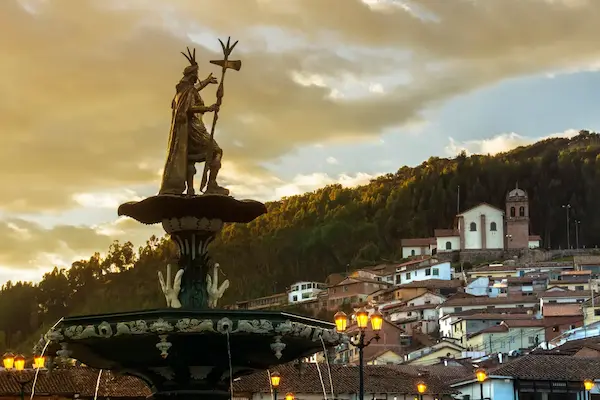
The gods of incas have left not only a legacy of power and culture but also physical vestiges. from every wall, offering, and vessel to drawings made by the ancient Incas that endure to this day as relics, passed down through generations of families or discovered and incorporated into Peru’s history.
Currently, there are extraordinary routes to explore all these legacies, allowing you to discover both the history of wars and the stories of worship of these gods of incas, who served as a means to achieve their agricultural goals. a vital activity for the Andean people. If you’re willing to feel like a true Inca and experience everything they went through, dare to explore every place they inhabited on tours offered by specialized agencies.

