
Peru is world renowned for Machu Picchu, its Amazon rainforest, and its rich culinary scene. But beyond the classic tourist circuit, there lies a deeper layer of Peru that is equally breathtaking, its living traditions, ancient engineering, and untouched natural beauty. These are the cultural treasures that not every traveler gets to experience, yet they define the spirit of the Andes and the soul of Peru.
In this blog, we’ll take you on a journey to three spectacular destinations that embody the essence of Peru’s lesser-known cultural wealth: the Q’eswachaka rope bridge, the spiritual festival of Qoyllur Riti, and the majestic Perolniyoc waterfall. Each of these spots tells its own story, passed down from generation to generation, connecting modern-day Peruvians with their Incan and pre-Incan heritage.
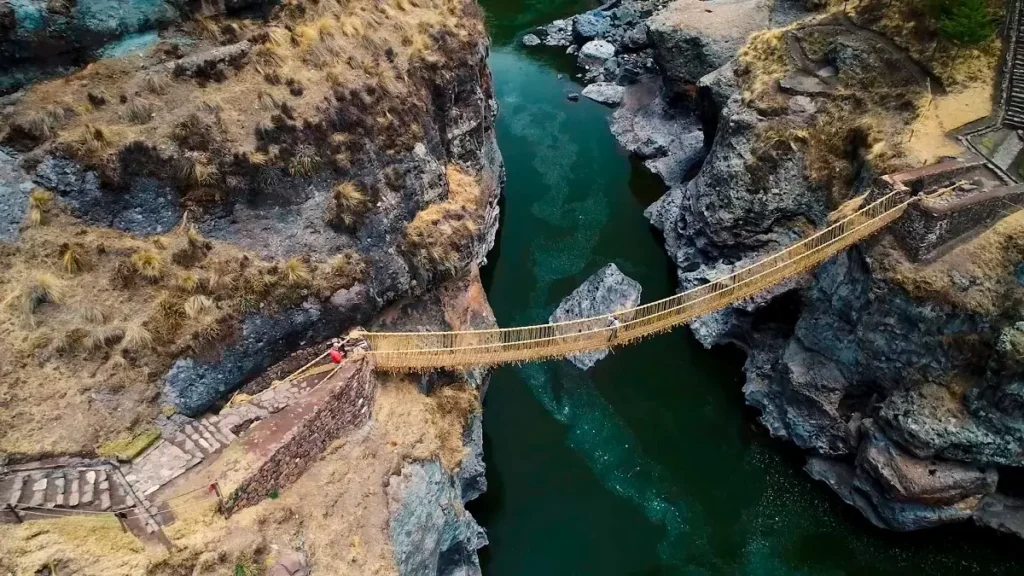
Q’eswachaka Rope Bridge: Incan Engineering Still Alive
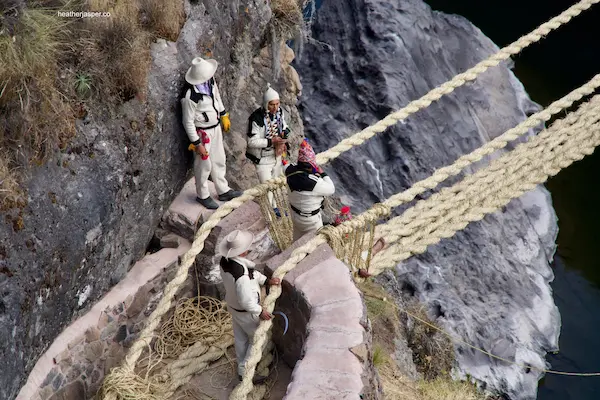
Imagine walking across a suspension bridge woven entirely by hand from natural fibers, stretched across a roaring river high in the Andes. This isn’t a museum piece or a re-creation, it’s a real, functioning structure that gets rebuilt every year using the same traditional techniques employed by the Inca centuries ago.
Taking a q’eswachaka rope bridge tour is like stepping into a living history book. The bridge itself is located in the Canas Province, about four hours from Cusco. For four days each June, local communities from the surrounding areas come together in a communal act called “minka” to rebuild the bridge using ichu grass. No nails. No metal. Just tradition, collaboration, and centuries of inherited knowledge.
Walking on the bridge is both exhilarating and humbling. It swings slightly with every step, and the sensation beneath your feet is a tactile reminder that you’re treading on something entirely unique—one of the last living Incan legacies.
This cultural treasure is a celebration of resilience and identity. The people who maintain it are not just keeping a structure alive they’re keeping a worldview alive. They show that culture isn’t just in the past. It’s happening right now, under your feet.
You may also like: How to visit Machu Picchu in 2 days: discover the routes
Qoyllur Riti: The Sacred Pilgrimage in the Snow
While the Q’eswachaka bridge shows us the strength of Incan engineering, Qoyllur Riti reveals the depth of Andean spirituality. Often referred to as one of the most extraordinary religious pilgrimages in the world, Qoyllur Riti is held annually in the Sinakara Valley, at over 4,000 meters above sea level.
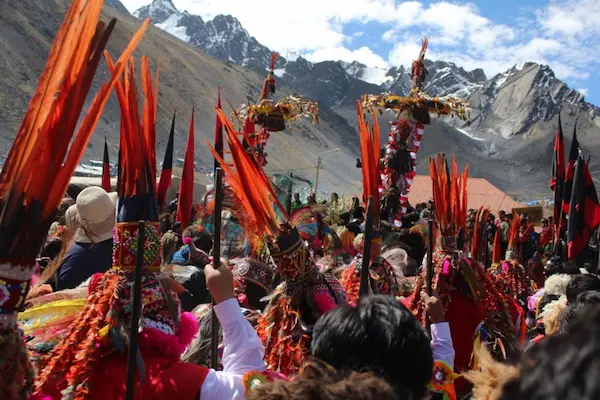
Thousands of pilgrims make the journey each May or June, walking for days through cold, thin air and rugged mountain terrain to reach the sacred site. The festival blends pre Columbian traditions with Catholicism, honoring both the mountain gods (Apus) and the image of the Lord of Qoyllur Riti, said to have miraculously appeared on a rock.
The experience is intense and emotionally charged. Participants dress in traditional clothing, perform dances like the Ukukus (bear men), and endure extreme conditions to reaffirm their faith and cultural roots. There’s no doubt that this pilgrimage is one of the most powerful cultural treasures in all of Latin America.
Attending Qoyllur Riti isn’t like watching a show it’s about witnessing a sacred rite in action. It’s a journey of devotion, identity, and communion with nature. Whether you observe or participate, the energy of this experience stays with you long after the snow melts.
Perolniyoc Waterfall: Nature, History, and Spiritual Silence
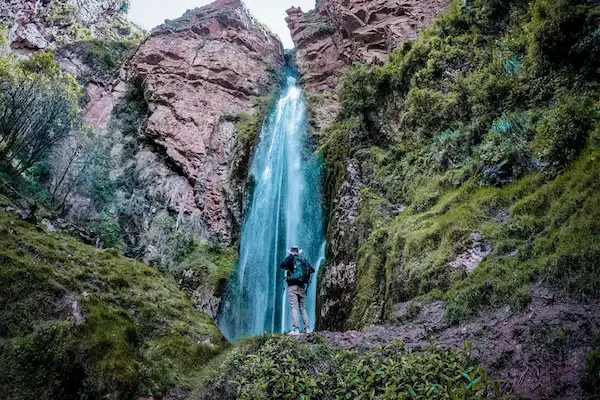
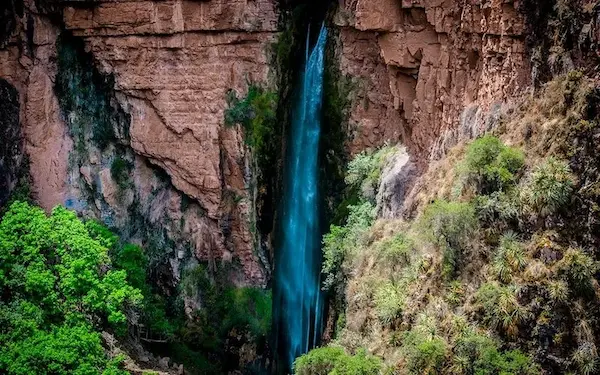
If you’re looking for a blend of stunning natural scenery and quiet reflection, a visit to the Perolniyoc waterfall will not disappoint. Located in the Sacred Valley near Ollantaytambo, this lesser-known destination combines breathtaking views with archaeological intrigue.
To reach the waterfall, you’ll take a short but scenic hike that winds through agricultural terraces, small forests, and remote Andean villages. The hike isn’t too strenuous, which makes it ideal for those who want an immersive experience without high physical demands.
At the top, you’ll find the beautiful Perolniyoc waterfall cascading down a cliff, surrounded by lush greenery and an aura of tranquility. Just above the falls lies the archaeological site of Raqaypata, thought to be a ceremonial center or resting point for messengers during the Inca Empire.
Few places in Peru offer such a peaceful blend of natural wonder and cultural mystery. Sitting quietly beside the waterfall, listening to the sound of the rushing water, you get a sense of connection—to the land, to the past, and perhaps to yourself.
This location might not have the fame of Machu Picchu, but it’s one of those cultural treasures that speaks to the quieter parts of the human spirit.
You may also like: 12 Best hotels in Cusco: Where to stay for every type of traveler
Why These Places Matter
Peru is often marketed through postcards of Cusco’s Plaza de Armas or drone shots of Machu Picchu. But the country’s soul is much more layered than that. The cultural treasures found in remote villages, mountain valleys, and ancient footpaths are what give Peru its depth and complexity.
What makes sites like Qoyllur Riti, Q’eswachaka, and Perolniyoc so special is that they are alive. They are not static ruins frozen in time; they are evolving, breathing, and meaningful to the communities that maintain them. When you visit these places, you are not just a tourist, you become part of a living story.
Travel Tips for Exploring Cultural Treasures in Peru
- Acclimatize first: Many of these destinations are located at high altitude. Spend a day or two in Cusco to acclimate before heading to the mountains.
- Go with a guide: A local guide can provide historical and spiritual context that you won’t find in travel books. This is especially important for events like Qoyllur Riti.
- Pack for all weather: Even during the dry season, Andean weather can be unpredictable. Bring layers, rain gear, and sun protection.
- Travel responsibly: Respect local customs, ask before taking photos, and support community-based tourism initiatives whenever possible.
You may also like: Key dates for a complete Peruvian experience: wildlife, trees, and ancient routes
Extend Your Itinerary: Other Cultural Experiences in Peru
If these three spots have piqued your interest, consider expanding your itinerary to include more cultural experiences in Peru. Here are a few ideas:
- Visit the weaving communities of Chinchero, where traditional textile techniques are passed down through generations.
- Explore the pre-Inca ruins of Pikillacta, a Wari civilization site southeast of Cusco that predates the Inca Empire.
- Participate in a Pachamama ceremony, an offering to Mother Earth led by a traditional Andean shaman.
Each of these options adds more depth to your understanding of what makes Peru’s cultural landscape so rich and enduring.
Preserving Cultural Treasures for Future Generations
One of the most important aspects of recognizing and visiting cultural treasures is understanding the responsibility that comes with it. Travelers who seek out sacred places like Qoyllur Riti or historical marvels like the Q’eswachaka bridge play a part in their preservation. By choosing respectful and sustainable tourism, you help ensure that these traditions and places are passed down, not just remembered.
Supporting local communities, hiring native guides, and participating in eco-conscious tours directly contributes to cultural resilience. When you take the time to engage with Peru beyond its most popular attractions, you honor a living heritage and become part of its story.
These experiences stay with you. They don’t end when your trip ends. They shape how you see the world and deepen your respect for the people who protect these sacred traditions.
You may also like: Traditional Festivals in Peru That Will Blow Your Mind
Final Reflections: What Cultural Treasures Really Mean
The phrase “cultural treasures” doesn’t just refer to artifacts in a museum or ruins on a mountaintop. It includes living traditions, communal values, artistic expression, and sacred landscapes. Peru is one of those rare countries where all of this still thrives not only in history books, but in daily life.
To truly appreciate Peru is to step beyond the beaten path and embrace its diversity. Whether you’re standing on a handwoven bridge, witnessing a snow-capped pilgrimage, or resting beside a hidden waterfall, you’re experiencing something priceless. Something that no photograph can fully capture.
So the next time you think of traveling to Peru, don’t stop at the usual stops. Seek out the stories still being told by people and places like these. They are the heart of the Andes and the living legacy of a nation proud of its roots.

