
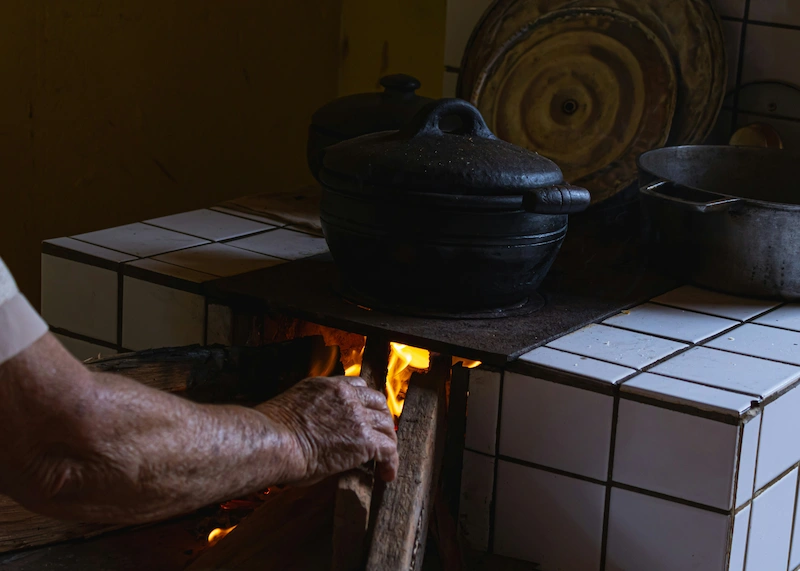
The best places to eat in Cusco represent a journey into a world of unique flavors, where Andean ingredients and ancestral techniques coexist with modern offerings. Visitors are not only looking to satisfy their appetite, but also to connect with Peru’s history and identity.
In this city, every dish tells a story. From the giant corn of the Sacred Valley to the native potato grown in the Andes, Cusco gastronomy reflects the richness of a territory that preserves ancient traditions. Eating here is a journey in itself: it’s not just about tasting, but about learning.
You may also like: Why Peru in october is the best month to visit
The importance of Cusco gastronomy
The Cultural Importance of Andean Food
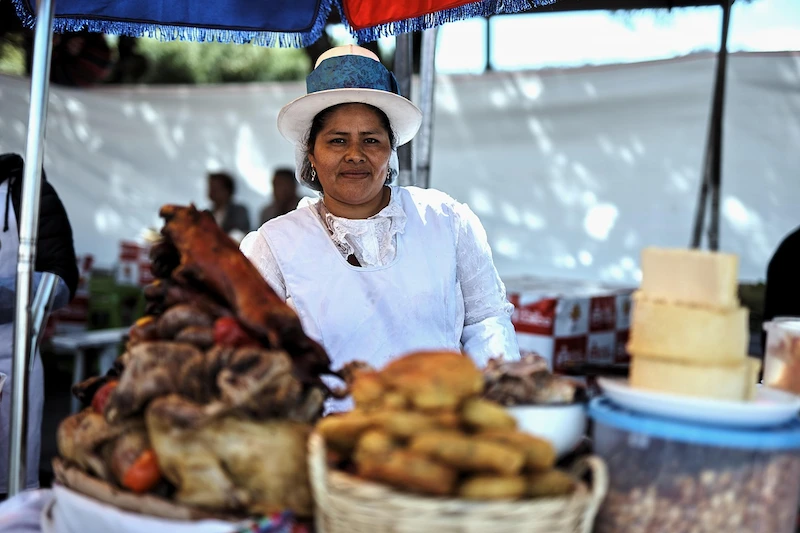
In the Andes, food is not limited to nourishment; it is also part of rituals and celebrations. A clear example are the traditional markets, where you can find dishes like chiri uchu, typical of the Corpus Christi festival. Therefore, when choosing the best places to eat in Cusco, you value much more than just the menu: you look for authenticity and the opportunity to experience local customs.
Traditional Ingredients You’ll Find in Cusco
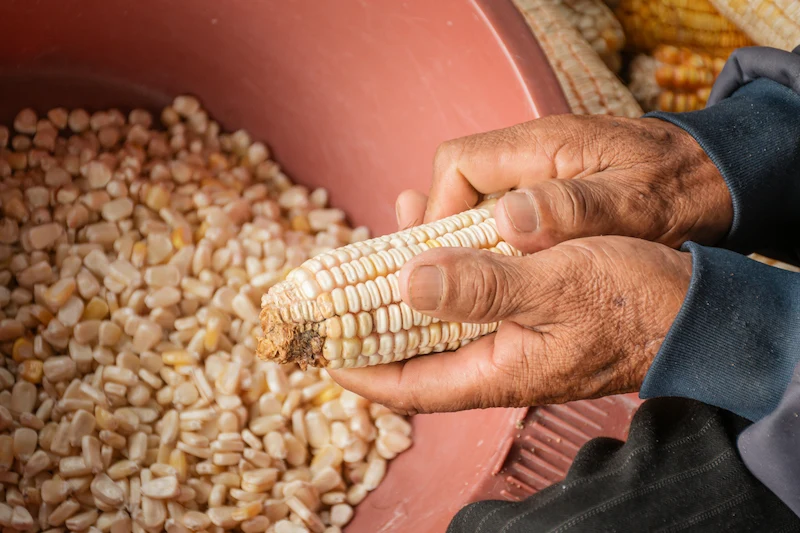
Those who come to the city discover a surprising natural pantry: multicolored potatoes, quinoa, kiwicha, corn, aromatic herbs like huacatay, and traditional meats like guinea pig. These elements, along with a colonial and contemporary fusion, enrich the gastronomic offering. The best places to eat in Cusco always include recipes based on these ingredients, turning each dish into a cultural testament.
Why Find the Best Places to Eat in Cusco
Many travelers consider food to be as important as visiting a church or an archaeological site. And they’re right: exploring Cusco’s culinary scene allows you to discover the essence of the city through its aromas, flavors, and people.
The Connection Between History and Gastronomy
Cusco was the political and religious center of the Inca Empire, which influenced its relationship with the land and food. Potatoes and corn were considered sacred foods, present in ceremonies and offerings. Today, restaurants that respect tradition pass on part of this heritage, offering more than just a meal: a cultural experience.
The influence of Inca and colonial cuisine
Culinary fusion also plays an important role. Andean techniques fused with Spanish influences, generating recipes that are still preserved. When talking about the best places to eat in Cusco, we think of those that manage to maintain this balance: preserving the Andean essence without neglecting innovation.
Types of Cusco Cuisine
One of the city’s most attractive aspects is the diversity of its culinary options. From family-run picanterías to haute cuisine restaurants, there are options for all tastes and budgets. Cusco’s cuisine reflects its unique history a blend of Inca heritage and Spanish influence creating flavors that are both ancient and contemporary.
Traditional Food Restaurants
Travelers seeking to savor authentic Andean cuisine will find traditional food restaurants especially appealing. Dishes such as roasted guinea pig (cuy al horno), quinoa soup, and Cusco adobo stand out, preserving recipes passed down through generations. These places often use local ingredients from nearby valleys and farms, keeping the food fresh and sustainable. Dining here is not only about taste, but also about connecting with the ancestral customs that still live in the city’s daily rhythm.
Gourmet and Fusion Options
Cusco’s haute cuisine scene showcases how renowned chefs reinterpret local ingredients with modern techniques. This blend of innovation and heritage allows visitors to enjoy visually stunning and flavorful culinary experiences. Some menus feature creative versions of classics like alpaca steak with native tubers or trout ceviche flavored with local herbs. These dishes highlight how tradition can evolve without losing its soul, transforming the city into one of Peru’s most exciting gastronomic destinations.
Places for Fast and Light Food
Not all menus are elaborate many tourists prefer quick, practical alternatives to continue exploring. Cafés, bars, and small eateries offer sandwiches made with Andean bread or maca-based drinks, maintaining the local essence while meeting travelers’ needs.
You may also like: Fishing in the amazon river of Perú
The best restaurants in Cusco by location
Location is a key factor for travelers, as every area of the city offers a distinct atmosphere and culinary personality. Dining in the heart of the historic center is not the same as enjoying a meal in a traditional neighborhood or on a terrace with a panoramic view of the Andes. The surroundings, architecture, and even the type of service can completely transform the dining experience. For many visitors, exploring the best places to eat in Cusco also means discovering how each location whether it’s a colonial courtyard, a bustling market, or a hillside restaurant adds its own flavor to the city’s vibrant gastronomic identity.
Dining in the Historic Center
Around the Plaza de Armas, visitors find everything from elegant restaurants to cozy family-run spots. This area is perfect for dining while admiring Cusco’s colonial charm, with its stone streets and lively evening ambiance. Some restaurants even occupy restored colonial mansions, where diners can enjoy Andean music performances or exhibitions by local artists.
Restaurants with a City View
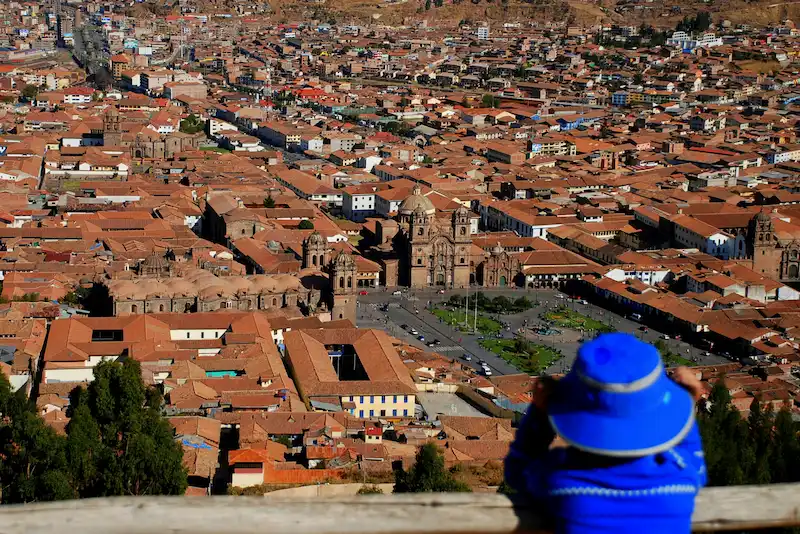
Some establishments located on hills or terraces offer breathtaking views of the Cusco Valley, turning a meal into a multisensory experience that combines flavor and landscape. Watching the sunset over the red rooftops while enjoying a traditional dish or a glass of pisco sour is one of the city’s most memorable moments.
Gastronomic corners in traditional neighborhoods
Neighborhoods like San Blas offer a different experience steep streets, artisan shops, and welcoming restaurants known for their atmosphere, fair prices, and proximity to local life. Here, travelers can interact directly with locals and discover hidden gems that serve home-cooked meals prepared with care and authenticity.
Best Locals recommended in Cusco
There’s no better reference than a Cusco resident. Locals know the authentic spots, the markets where you can eat like at home, and the hidden restaurants that aren’t listed in every guidebook. Their advice helps travelers discover the best places to eat in Cusco, where tradition, warmth, and genuine flavors meet.
Suggested Food Tours
Exploring Cusco’s gastronomy through local recommendations is an experience in itself. A suggested route could include:
- Start at the San Pedro Market, the city’s culinary heart, where you can try homemade soups, leche con quinua, or freshly squeezed juices.
- Continue at a traditional picantería, tasting chicha morada, frutillada, or a portion of chicharrón cusqueño prepared in the old-fashioned way.
- Finish at a contemporary Andean restaurant, where local ingredients meet modern techniques, creating dishes that blend past and present in every bite.
- Some guided tours even include cooking workshops, allowing visitors to prepare their own versions of iconic dishes under the guidance of local chefs.
This type of tour highlights the city’s culinary diversity and proves that the best places to eat in Cusco go beyond luxury they embody the spirit of the Andes through authentic experiences.
Must-Try Dishes
When following local recommendations, there are certain dishes no visitor should miss:
- Roast suckling pig (lechón al horno) – tender meat seasoned with herbs and slow-cooked for hours.
- Chairo – a hearty Andean soup made with lamb, vegetables, and chuño (freeze-dried potato).
- Sacred Valley trout – often grilled or prepared with Andean spices.
- Stuffed rocoto (rocoto relleno) – a spicy pepper filled with meat, raisins, and cheese, symbolizing the perfect balance between heat and flavor.
- Quinua or corn-based desserts – a sweet way to end the meal, celebrating the region’s most traditional ingredients.
These dishes represent more than food they are a reflection of Cusco’s identity, where every recipe carries centuries of history and the pride of a living culture.
You may also like: Exploring Peru: 6 hidden gems worth discovering
Tips for Enjoying Cusco’s Gastronomy
Planning your dining experience well is essential to making the most of your trip. It’s not enough to simply read online reviews; each visitor may have different expectations and needs. Therefore, it’s important to know a few things before choosing where to eat in Cusco.
Ideal Visiting Times
Lunch typically starts around noon and is the busiest time in restaurants and markets, while dinner begins around 7 p.m., often accompanied by live performances. Booking in advance is recommended during peak season.
How to Choose from the Wide Variety
To appreciate Cusco’s culinary diversity, alternate experiences: enjoy a typical lunch at a market, dine at a signature restaurant, and relax in a neighborhood café.
Budget Tips for Eating in Cusco
Prices vary by location—meals at local markets can cost under 15 soles, while gourmet restaurants may exceed 150 soles per person. Regardless of budget, every dining experience contributes to discovering the best places to eat in Cusco.
Tourist Experiences That Complement Cusco’s Gastronomy
The city is a cultural destination par excellence. Museums, markets, and craft fairs showcase the essence of Andean life, and food plays a central role in each of these activities. Savoring quinoa soup at the San Pedro market or trying chiriuchu at a traditional festival allows travelers to understand how history is reflected on the table. In fact, visiting the places to eat in Cusco becomes a way to experience this living heritage firsthand, where every dish tells a story of identity, tradition, and community.
Many travelers, before embarking on adventures like the inca jungle trek 4 days, enjoy breakfast at one of the traditional places to eat in Cusco, where quinoa soup, artisan bread, or fresh trout become the perfect preparation for the trek. This balance of energy, tradition, and flavor makes Cusco’s gastronomy inseparable from the tourist experience.
Tours and Cultural Activities Related to Cuisine
Some tours offer cooking classes, visits to farms, and tastings of local products. These activities allow you to understand where the ingredients come from and how they are transformed into unique recipes. In this way, travelers learn that the best places to eat are not only in restaurants, but also in experiences that bring you closer to rural and community life.
Combining a gastronomic tour with adventure activities
A trip to the Andes always brings with it the opportunity to hike ancient trails. It’s common for tourists, after enjoying a nutritious lunch in the city, to prepare for mountain excursions. In other cases, travelers opt for multi-day adventures. After enjoying a hearty breakfast at one of the best places to eat in Cusco, many begin the salkantay trek 3 days, which connects snow-capped landscapes with valleys full of vegetation. This type of experience demonstrates the importance of local food: without Andean products, it would be impossible to have the energy needed for the trek.
Before leaving, travelers often seek out local restaurants to refuel with comforting dishes like quinoa soup or fresh trout. In this way, gastronomy becomes an essential companion to adventure tourism, offering both energy and a deeper connection to the region’s culture.
How Gastronomy Enhances the Travel Experience
Whether a visitor is arriving for the first time or returning after several years, they will always find new flavors and offerings. Eating in Cusco is about rediscovering its culture. That’s why the best places to eat in Cusco end up being some of the most valuable memories of the trip, on par with a photo at Machu Picchu or a walk through the colonial streets.
You may also like: The Best Trekking in Peru: Routes, Tips, and Unique Experiences
Tourism in Cusco and its Connection to Gastronomy
Tourism in Cusco isn’t limited to exploring its temples or colonial streets; it’s also complemented by a rich culinary tradition. Visitors discover that the best places to eat in Cusco are an essential part of the travel experience, bringing energy and culture to every trip.
Cultural Tourism and Local Gastronomy
The city is a cultural destination par excellence. Museums, markets, and craft fairs showcase the essence of Andean life, and food plays a central role in each of these activities. Savoring quinoa soup at the San Pedro market or trying chiriuchu at a traditional festival allows travelers to understand how history is reflected on the table.
Adventure Tourism and Gastronomic Experiences
Adrenaline lovers often combine their hikes and excursions with stops at traditional restaurants or local markets. Specialized agencies such as incas expeditions have designed tours that include not only visits to archaeological and natural sites, but also culinary experiences that connect travelers with the daily life of the region. Thus, the best places to eat in Cusco become part of the tourist itinerary and reinforce the connection between adventure and culture.
Conclusion
Traveling to Cusco is more than just appreciating landscapes or visiting archaeological sites: it is an immersion in one of the richest cuisines of the Andean world. The city is the quintessence of a culture that has managed to preserve its traditions while incorporating the innovative spirit of contemporary cuisine.
Each dish served carries a historical and symbolic context. Potatoes, corn, and quinoa are not just food, but foods that were part of ancestral rituals. To savor its food is to give significance to this legacy and understand how food connects visitors with the past.
Ultimately, those who come to the historic capital of Peru should not only admire its monuments, but also enjoy its cuisine. It is by doing this that you will find that the best places to eat in Cusco are true spaces of culture in which stories, customs, and ancestral knowledge are passed down.

