
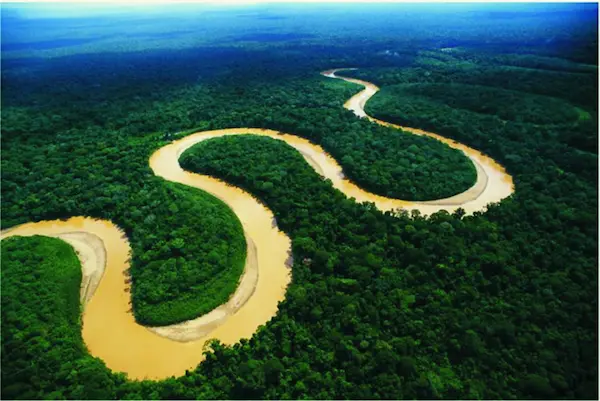
Surely, you’ve dreamed of traveling to a world where nature still reigns and continues to rule the land and you’ve probably thought of the Amazon. At the same time, you may have wondered: Is the Amazon in Peru dangerous? Here, rivers seem endless, unique species thrive some not even fully discovered yet and everything intertwines to offer a living experience that can transform any traveler. This destination is perfect if you’re searching for something unique and full of life. So, if you’ve ever asked yourself that question, here you’ll discover just how dangerous the Amazon in Peru really is.
You may also like to read: All about the cultural traditions of Peru
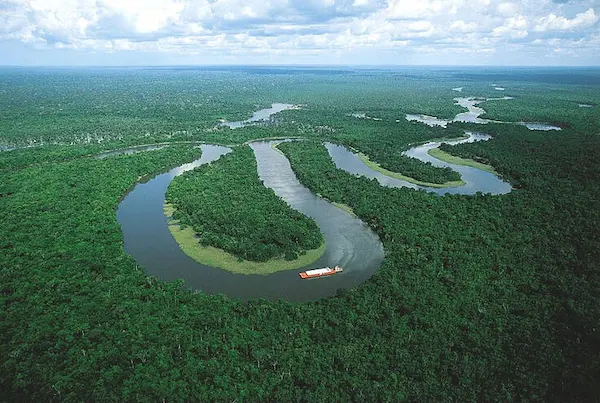
Is the Amazon in Peru really dangerous?
Many travelers feel a certain uncertainty when thinking about exploring the Peruvian Amazon rainforest. In the collective imagination—shaped by movies, documentaries, and sensational stories—the Amazon is often portrayed as an inhospitable place, full of wild animals and constant risks. This perception, while understandable, does not reflect the reality experienced by thousands of tourists every year. The truth is that the danger does not lie in the jungle itself, but in how one chooses to approach it. For this reason, many people ask themselves: Is the Amazon in Peru dangerous? The answer depends largely on preparation and the choices made before and during the journey.
A visitor who improvises their trip, without planning or proper guidance, might face avoidable difficulties: poorly marked trails, lack of information about the weather, or contact with insects that can be bothersome. On the other hand, those who plan their adventure with professionals, travel accompanied by expert guides, and choose a good lodge in the Peruvian Amazon rainforest discover an entirely different environment. The jungle, instead of being a threat, becomes a safe space where every activity is designed to protect the traveler while showcasing the greatness of one of the most biodiverse ecosystems on the planet. And ultimately, asking Is the Amazon in Peru dangerous? becomes less of a concern once you experience how safe and enriching the journey can truly be.
Amazon wildlife: are the animals really dangerous?
The Amazon’s biodiversity is immense: thousands of species of birds, mammals, reptiles, and insects coexist in this ecosystem. Although names like “anacondas,” “tarantulas,” and “piranhas” may sound intimidating, human contact is actually minimal.
- Snakes and reptiles: Most hide when they sense vibrations. A close encounter is rare if you stay on marked trails.
- Caimans and piranhas: On organized tours, they are observed in a controlled, risk-free manner. Even piranha fishing is a supervised tourist activity.
- Insects: These are perhaps the most annoying. Mosquitoes and gnats are abundant, but good repellent and appropriate long-sleeved clothing significantly reduce bites. So, the answer to Is the Amazon in Peru dangerous? is no—provided you are well prepared and rely on experienced guides to explore safely.
Amazon climate and nature: rain, heat, and how to get ready
The Amazon is a warm, humid, and ever-changing ecosystem. During the day, temperatures can range from 25°C to 32°C (77°F to 89°F), while at night the climate becomes cooler. Rainfall is frequent, especially between November and April, and it can quickly turn trails into muddy paths.
Rather than being a threat, this climate simply calls for good preparation:
- Lightweight, quick-dry clothing that keeps you comfortable despite the humidity.
- A poncho or rain jacket for sudden showers.
- Hiking boots or non-slip shoes to avoid slipping on wet trails.
- A hat or cap and sunscreen to reduce sun exposure.
- Health and vaccines you should consider before traveling
Far from being a threat, this climate only requires good preparation. And if you’re still wondering, Is the Amazon in Peru dangerous?, keep in mind that the main challenge here is adapting to the humidity and occasional rains, not facing real dangers.
Health is a key factor when answering the question: Is the Amazon in Peru dangerous? Proper medical preparation helps avoid unnecessary concerns during the trip.
- Vaccines: It is recommended to get the yellow fever vaccine at least 10 days before traveling. While not mandatory in all cases, it is strongly advisable.
- Malaria and dengue prevention: Although not common in every area, it’s wise to bring repellents with DEET and consult your doctor about prophylactic medication.
- Basic first aid kit: Include pain relievers, rehydration salts, band-aids, and any personal medication.
- Hygiene: Always drink bottled or boiled water, avoid raw foods, and wash your hands frequently.
Health is a key factor when answering the question: Is the Amazon in Peru dangerous? With proper vaccines, repellents, and a basic first aid kit, most health concerns can be avoided, ensuring a safe and enjoyable trip.
You may also like to read: Traditional Inca food: What to eat and what it means
Where to stay: how to choose the right lodge in the Peruvian Amazon
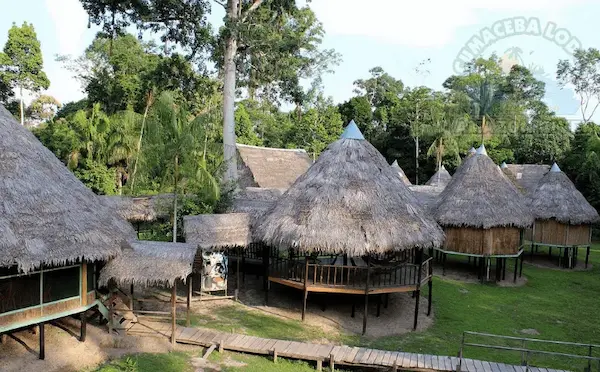
When it comes to traveling to the Amazon, choosing the right accommodation makes the difference between a comfortable and safe experience or a trip full of complications. A well-managed lodge in the Peruvian Amazon rainforest not only provides a place to rest but also serves as a bridge between the visitor and nature. These lodges are equipped with infrastructure designed to protect travelers from insects, mosquito nets in every room, safe drinking water, and staff trained in first aid. In addition, they offer guided activity programs that allow visitors to explore the surrounding biodiversity in an organized way and with constant support. For travelers still wondering, Is the Amazon in Peru dangerous?, selecting the right lodge is one of the main steps to ensure safety and peace of mind. And the more you experience how these lodges operate, the clearer the answer becomes to the question Is the Amazon in Peru dangerous?—it is not, as long as you travel prepared and guided by professionals.
Experiencia en amazon garden lodge
A good example of this type of accommodation is Amazon Garden Lodge, which combines the tranquility of the jungle with a high level of comfort. The facilities are surrounded by lush vegetation, allowing guests to feel immersed in nature from the very first moment. Every detail is designed with safety and well-being in mind: rooms protected with mosquito nets, clearly marked trails, and local guides who accompany guests on every excursion. The experience goes beyond rest, as the lodge organizes daily activities such as wildlife spotting, boat rides, and responsible jungle explorations. This ensures that travelers can enjoy the Amazon worry-free while experiencing one of the most unique environments in the world.
How Tambopata lodges compare to other accommodations
In the Tambopata region, lodges have gained international prestige thanks to their high standards of sustainability and safety. Unlike improvised or informal accommodations, Tambopata lodges offer complete packages that include balanced meals, planned excursions, and safe transfers by river or road. This provides visitors with peace of mind, as everything is organized in advance and supervised by tourism experts. In addition, many of these lodges work directly with local communities, enriching the experience by fostering a more authentic and respectful cultural exchange. Compared to other lodging alternatives, lodges in Tambopata stand out not only for their comfort but also for the professionalism with which they ensure the safety of travelers. And once again, if you’re asking yourself, Is the Amazon in Peru dangerous?, the reliability of these lodges is proof that the jungle can be explored with confidence.
Safe and recommended activities in the Amazon
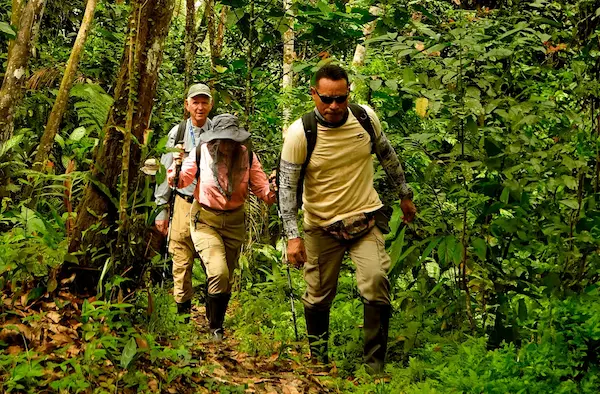
Once settled into a good lodge in the Peruvian Amazon rainforest, the next step is to enjoy the activities that make the region such a unique destination. Many first-time travelers ask themselves, Is the Amazon in Peru dangerous? The truth is that, when accompanied by specialized guides, the jungle is not a place where you must remain constantly on alert. Instead, it becomes a safe and fascinating setting where unforgettable adventures can be experienced. From daytime and nighttime hikes to early morning boat rides, every activity is designed to keep travelers protected while allowing them to enjoy the beauty of the rainforest.
Among the highlights of trips to the Peruvian Amazon is the visit to the macaw clay lick, a natural phenomenon where hundreds of brilliantly colored macaws gather on clay walls to feed on essential minerals. This breathtaking spectacle, usually seen in the early morning hours, is carefully managed under strict conservation protocols that protect both the birds and the visitors. It is one of the safest and most extraordinary ways to connect with Amazonian wildlife, further proving the answer to the question Is the Amazon in Peru dangerous?—that with proper guidance, it is not.
Birdwatching in general is another unforgettable activity, as the Peruvian Amazon is home to some of the most spectacular species on Earth. With binoculars in hand and the guidance of expert ornithologists, travelers can spot toucans, eagles, herons, and macaws in full flight. Even nighttime jungle walks—initially intimidating for some—turn into magical experiences when guides reveal tiny frogs, glowing insects, and the reflective eyes of small mammals in the darkness.
Birdwatching in the Amazon and the macaw clay lick
Once settled into a good lodge in the Peruvian Amazon rainforest, the next step is to enjoy the activities that make the region such a unique destination. For many first-time travelers, the question often arises: Is the Amazon in Peru dangerous? Contrary to popular belief, the jungle is not a place where you must remain constantly on alert. With specialized guides, it becomes a setting where unforgettable adventures can be experienced in complete safety. From daytime and nighttime hikes to early morning boat rides, the options are varied and designed to keep travelers safe at all times.
Among the most impressive experiences during trips to the Peruvian Amazon is a visit to the macaw clay lick, a natural phenomenon that brings together hundreds of brilliantly colored macaws on clay walls as they feed on essential minerals. This spectacle, which usually takes place in the early morning hours, is carried out under strict observation protocols that ensure the protection of both the birds and the visitors. It is a unique opportunity to connect with the majesty of Amazonian wildlife in a controlled and respectful environment.
Cultural connection with Amazonian communities
When someone wonders, Is the Amazon in Peru dangerous?, they rarely think about its people. Yet one of the most valuable experiences of traveling to the jungle is getting to know the local communities that have lived there for generations. For them, the Amazon is not a hostile place but rather a home that provides food, natural medicine, and traditions they have proudly preserved.
Visitors have the chance to share authentic moments: tasting typical dishes made with ingredients from the jungle, such as juane or tacacho con cecina; participating in artisan demonstrations where baskets, textiles, or pottery are crafted; and listening to oral stories about the spirits of the forest, the rivers, and the animals that inhabit them. These experiences reveal that, far from being a dangerous place, the Amazon is a land of life, culture, and ancestral wisdom.
Moreover, many communities actively participate in sustainable tourism by guiding travelers along trails, teaching them about the medicinal use of plants, or demonstrating traditional fishing techniques. This interaction not only enhances visitors’ safety—since they are accompanied by those who know the environment best—but also contributes to the local economy and the conservation of the rainforest. And so, the next time someone asks, Is the Amazon in Peru dangerous?, the cultural connection with its people clearly shows that the jungle is far more welcoming than it is threatening.
You may also like to read: The 10 best travel companies in Peru
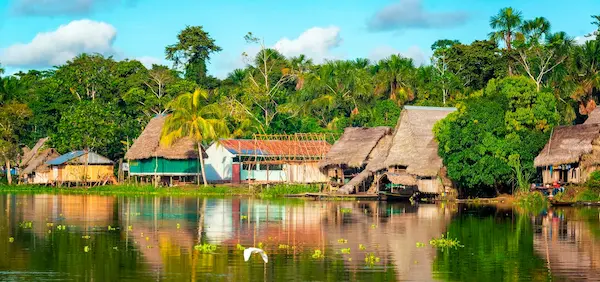
Transportation and safety in the Amazon
Getting around the Amazon often involves boat rides along its rivers or short flights to remote towns. For some travelers, this may raise the question, Is the Amazon in Peru dangerous? The reality is that transportation is generally safe when arranged through certified operators and lodges, which provide life jackets, professional boat drivers, and planned routes. Choosing organized transfers not only saves time but also ensures that visitors travel securely while enjoying the breathtaking views of the rainforest.
In fact, one of the main reasons why people ask Is the Amazon in Peru dangerous? is because they imagine unpredictable travel conditions. However, modern lodges and tour companies work with strict safety protocols, using reliable boats equipped with communication systems and trained staff. Whether you are crossing the Madre de Dios River at sunrise or taking a short domestic flight to reach Puerto Maldonado, transportation services are planned to minimize risks and guarantee comfort.
Ultimately, the question Is the Amazon in Peru dangerous? fades once travelers experience how well-organized transportation is in this region. Far from being unsafe, the journey itself often becomes part of the adventure, allowing visitors to witness pink river dolphins, lush riverbanks, and local communities along the way—all while traveling with the peace of mind that certified operators provide.
Best time to visit the Peruvian Amazon
Choosing the right season to explore the rainforest can make a big difference in your experience. The dry season, from May to September, is ideal for jungle hikes, while the wet season, from November to April, offers greener landscapes and fuller rivers. Many travelers wonder, Is the Amazon in Peru dangerous?, especially during the rainy months. The truth is that, with proper gear and guidance, both seasons are perfectly safe and each offers its own unique charm.
In fact, the question Is the Amazon in Peru dangerous? often arises because people associate heavy rains with risks such as flooding or difficult trails. However, most tours and lodges are fully prepared for these conditions, providing waterproof gear, safe transportation, and well-trained guides. Rather than being unsafe, the rainy season can be one of the most rewarding times to visit, as wildlife is more active and the forest is at its most vibrant.
Ultimately, whether you choose the dry or wet season, asking Is the Amazon in Peru dangerous? is less about fear and more about preparation. With the right support, both times of year allow travelers to experience the magic of the rainforest in complete safety.
Guided tours and why they matter
One of the safest ways to experience the Amazon is by joining guided tours led by local experts. These professionals know the trails, the wildlife, and the safest routes through the jungle. Travelers sometimes ask, Is the Amazon in Peru dangerous?, but guided excursions are specifically designed to eliminate risks and maximize enjoyment. From spotting wildlife to learning about medicinal plants, tours with expert guides transform potential fears into unforgettable adventures.
Many visitors arrive with doubts and wonder again, Is the Amazon in Peru dangerous? The answer becomes clear the moment they set out with a professional guide: the jungle is no longer intimidating, but instead a fascinating classroom of nature. Every explanation, every observation of animals, and every safe path chosen by the guide proves that exploring with experts not only keeps travelers safe but also enriches the experience.
In reality, guided tours are the reason why thousands of tourists return home feeling reassured. Rather than worrying about “Is the Amazon in Peru dangerous?”, they leave with memories of learning from indigenous knowledge, watching unique species in their natural habitat, and feeling protected throughout their journey.
Amazon wildlife encounters and safety
For many travelers, one of the most fascinating parts of the journey is seeing animals in their natural habitat. Yet this also sparks the recurring question: Is the Amazon in Peru dangerous? While the region is home to snakes, caimans, and countless insects, most encounters are harmless when guided by professionals. In reality, the jungle’s wildlife tends to avoid humans, and expert guides know exactly how to keep visitors safe.
That’s why asking Is the Amazon in Peru dangerous? becomes less about fear and more about respect. By following simple instructions—such as staying on marked trails, wearing proper clothing, and listening to your guide—wildlife sightings turn into extraordinary highlights of the trip rather than sources of concern.
You no longer have to ask yourself: Is the Amazon in Peru dangerous?
All of this is far more than just another trip. It’s about immersing yourself in a universe of nature, culture, and adventure. From navigating the Amazon River to living alongside indigenous communities, the rainforest is not just a tourist destination. The Peruvian Amazon invites you to connect deeply and truly appreciate the importance of protecting this treasure that the world has given us. It’s an experience that continues long after you return home. Now, you won’t have to think twice the next time you ask yourself: Is the Amazon in Peru dangerous?

