
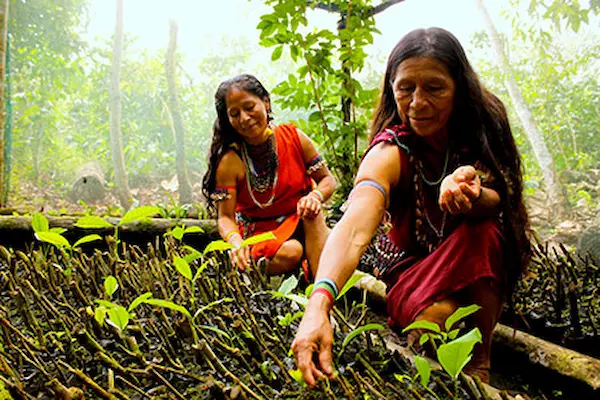
Peru is a country that fascinates the world for its biodiversity, its ancient history, and its vibrant cultures. But beyond Machu Picchu and the Andean landscapes, there is a deeply rooted legacy in the jungle: the ancestral knowledge of medicinal plants. These plant species have not only been the foundation of traditional Amazonian medicine, but also a bridge between nature and the human soul.
Deep in the Peruvian jungle, native communities have used and protected this natural knowledge for generations, making medicinal plants the protagonists of rituals, healing, and experiences of spiritual connection. Today, this ancestral knowledge is available to those who wish to travel, explore, and heal.
The Ancestral Value of Medicinal Plants in the Jungle
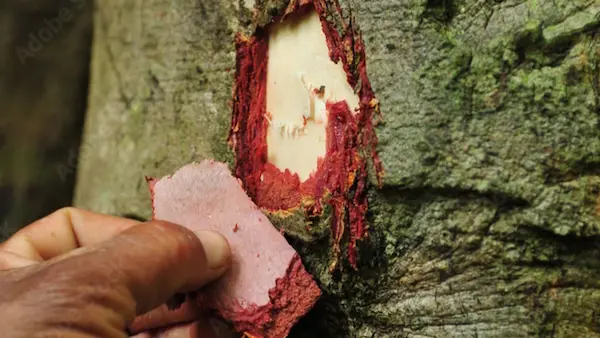
Traditional Amazonian medicine is based on the use of hundreds of plant species that grow in the region. Among the best known are ayahuasca, cat’s claw, chuchuhuasi, sangre de grado, and toé. Each has therapeutic properties that range from strengthening the immune system to treating muscle pain, inflammation, and digestive problems.
But the use of these plants goes far beyond the physical. Healing ceremonies, guided by healers or shamans, are a cultural practice that blends spirituality, energy, and respect for nature. By participating in these ceremonies, visitors come into contact with a worldview that understands health as a balance between body, spirit, and environment.
You may also like: From past to present: the paths of Chaski still beat in Peru
Tambopata: Biodiversity, Culture, and Natural Healing
One of the richest places in biodiversity and ancestral knowledge is the Tambopata region in Madre de Dios. This area offers privileged access to the Peruvian Amazon rainforest, where local culture and nature intertwine in every corner.
During Tambopata jungle tours, travelers have the opportunity to walk trails guided by local experts, who explain the properties of various medicinal plants, their history, and their everyday uses. Many of these tours include visits to native communities or botanical research centers, where it is possible to learn directly from the guardians of the forest.
Harmonizing Accommodations: Tambopata Lodges
Those seeking a deeper immersion in the jungle can choose to stay at Tambopata lodges. These eco-lodges are designed to blend in with the environment, offering comfort without disrupting the natural balance of the forest.
From these accommodations, it is possible to organize activities focused on exploring medicinal plants, participate in workshops with local herbalists, or simply enjoy hikes along trails surrounded by lush vegetation. Sunrises in Tambopata, accompanied by birdsong and the scent of wet leaves, become part of the natural healing process.
Medicinal Plants and Spiritual Exploration
Interest in medicinal plants in the Peruvian rainforest is not new. For decades, researchers, travelers, and spiritual seekers have come to the heart of the Amazon, drawn by its healing power. Today, this interest is growing among those seeking conscious, ecological, and transformative tourism experiences.
The combination of pristine nature, experienced guides, and ancestral knowledge makes the Peruvian Amazon one of the best places in the world to learn about and experience the benefits of these plants. In this context, San Juan, a popular festival celebrated in June, also becomes a space where spirituality, culture, and nature converge.
The Inca Jungle Trail: An Alternative Route with Natural Richness
Although most people associate the Inca Trail with the history of the Andes and Machu Picchu, there is a less crowded and more adventurous alternative route that also connects with the jungle: the Inca Jungle Trail. This route, which combines trekking, biking, and outdoor activities, is an excellent way to discover Peru’s diverse landscapes.
Along the way, it is common to encounter communities that still preserve knowledge of medicinal plants. The route allows you to experience the transition from the Andean to the Amazonian ecosystem, with stops where you can learn about the traditional use of healing herbs, local infusions, and healing techniques that have been passed down orally for generations.
Transmission of Botanical Knowledge in Amazonian Communities
One of the most valuable aspects of medicinal plants is the way in which knowledge is passed down from generation to generation. In many Amazonian communities in Peru, grandparents are responsible for teaching the youngest children the names, uses, and preparation methods of each species.
This learning does not take place in classrooms or through books, but through direct experience with nature. Children accompany their elders on walks through the forest, observing, listening, and participating. In this way, centuries-old wisdom remains alive and rooted in the earth.
You may also like: The 14 best restaurants in Cusco
Sustainability and Conservation of Medicinal Plants
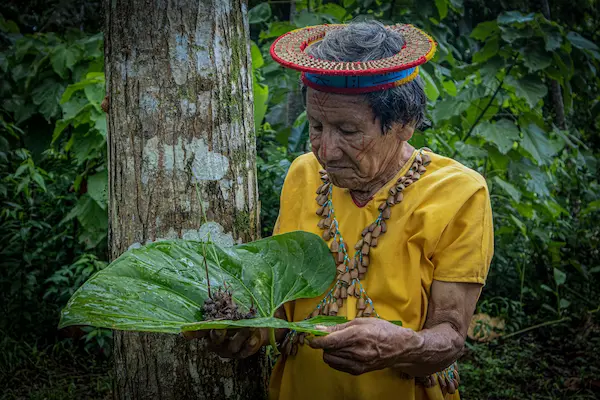
As interest in medicinal plants grows, so does the need to protect them. Many of these species are at risk due to deforestation, climate change, and unregulated extraction. Therefore, it is essential that both tourists and local operators adopt sustainable practices.
Participating in reforestation projects, supporting communities that cultivate plants responsibly, and choosing eco-tours with an educational focus are concrete ways to contribute. Caring for medicinal plants not only protects the future health of humanity, but also the ecosystems that sustain them.
Peruvian Medicinal Plants in the World
The impact of Peru’s medicinal plants is not limited to its borders. More and more Peruvian natural products are reaching international markets, where they are valued for their healing properties and sustainable origins. Teas, oils, extracts, and supplements based on Amazonian plants are becoming increasingly popular.
However, it is important that this globalization be carried out with respect and justice for the communities that have safeguarded this knowledge for centuries. Bioethics and fair trade must guide the way so that this legacy is shared without being exploited.
A Journey to Inner Balance
Visiting the Peruvian rainforest and discovering its medicinal plants is much more than a tourist trip: it is an experience of self-discovery. Whether through a tour in Tambopata, a stay in eco-lodges, or a trek along the Inca Jungle Trail, every step represents an opportunity to connect with the land and with oneself.
These types of experiences revalue Peru’s role as a destination for conscious, ecological, and spiritual tourism. In a world increasingly disconnected from nature, returning to the origins through medicinal plants is a way to heal the body, mind, and spirit.
The Diversity of Medicinal Plants in Peru
Peru is home to over 25,000 plant species, with more than 1,400 classified as having medicinal properties. The Amazon basin, particularly in regions like Tambopata and Madre de Dios, is a living pharmacy where each tree, vine, and root has a role to play. Some plants serve as painkillers, others as digestive aids, and many have antimicrobial, antifungal, or anti-inflammatory properties.
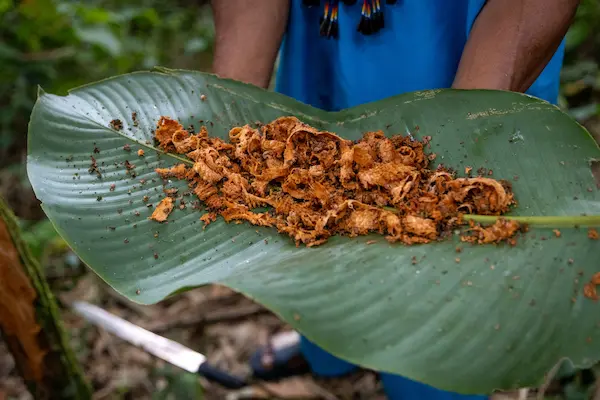
Sangre de grado, a tree that oozes a red sap, is used to treat cuts, ulcers, and even gastrointestinal issues. Achiote, known for its bright red seeds, serves both culinary and medicinal purposes, commonly used as an anti-inflammatory and to treat skin conditions. Bark from the chuchuhuasi tree is steeped in alcohol and consumed to relieve joint pain and boost energy.
These plants are often combined, with recipes handed down through generations and adapted to individual needs. The knowledge is not written in books, it’s carried in stories, daily practices, and the hands of elders.
Women and Medicinal Knowledge
In many Amazonian communities, women play a central role in maintaining and transmitting knowledge of medicinal plants. Mothers and grandmothers are often the family’s first healers, using herbal teas, poultices, and baths to treat children and family members.
They are also caretakers of small gardens known as “chacras,” where healing herbs are grown close to home. These gardens serve not just as sources of medicine, but as spaces for teaching and preserving ancestral wisdom. By learning from the women who steward this knowledge, visitors gain a more intimate understanding of how deeply health is interwoven with daily life and family traditions.
Seasons of Medicine: When to Visit
While the jungle is accessible year-round, certain seasons offer better opportunities to observe and experience medicinal plants in action. The rainy season, from November to March, brings an explosion of life—plants bloom, vines grow rapidly, and fruits are abundant. During this time, many medicinal plants are at their most potent, and traditional healers are busy preparing remedies.
The dry season, from May to October, is more favorable for travel and jungle tours. Trails are more accessible, wildlife is easier to spot, and visitors can participate in longer treks or multiday learning experiences. Both seasons offer unique insights into the lifecycle of medicinal plants and their importance in jungle life.
Medicinal Plants and Fauna: A Symbiotic Connection
One fascinating aspect of the Amazon is the relationship between plants and animals. Many jungle animals rely on medicinal plants to self-medicate a behavior known as zoopharmacognosy. For instance, monkeys have been observed rubbing aromatic leaves on their fur to repel insects, while certain birds consume clay to neutralize toxins from berries.
This behavior reflects the deep biological intelligence present in the ecosystem. Observing animals interact with these plants during a Tambopata jungle tour can be both eye-opening and humbling. It reminds us that the healing potential of the forest isn’t just for humans, it’s a resource shared by all living beings.
Learning Without Taking: Respecting Indigenous Knowledge
Travelers interested in medicinal plants must approach the subject with respect and humility. Indigenous knowledge is not something to extract or appropriate, it’s something to honor. This means asking permission before photographing or documenting, compensating local guides fairly, and avoiding the temptation to remove plants or seeds from the forest.
Many responsible ecotourism operators in Tambopata now include educational programs led by local experts. These programs emphasize experiential learning: tasting infusions, learning to identify leaves and barks, and understanding how different communities use plants differently. By supporting these efforts, travelers become allies in preserving both the forest and the cultures that care for it.
You may also like: Cusco tourism week: Living culture, history, and celebration
Practical Tips for a Healing-Focused Jungle Experience
If you’re planning to explore Peru’s jungle through a healing lens, here are a few tips to enhance your journey:
- Do your research: Learn about the ethical and ecological importance of medicinal plants before you go.
- Pack light but prepared: Eco-lodges and tours often provide basic necessities, but bringing eco-friendly insect repellent, reusable water bottles, and breathable clothing will help.
- Keep an open mind: Healing in the jungle isn’t always linear or predictable. It may come through a conversation, a quiet moment, or a plant you’ve never heard of before.
- Support local initiatives: Choose accommodations like remote Tambopata lodges that promote sustainability and local employment.
Connecting the Andes and the Amazon Through Healing
The Inca jungle trail is more than a route to Machu Picchu. It’s a symbolic bridge between two worlds: the rugged spirituality of the Andes and the fluid, life-giving pulse of the Amazon. Walking this trail today offers more than scenic views and physical challenge, it opens a path to understanding how ancient Peruvians viewed plants as sacred allies.
Some trekkers include a visit to herbal gardens or spend time with local communities that still use jungle plants in their daily lives. These experiences show how the wisdom of the Inca era continues to flow like a river through today’s landscapes, nourishing those who take the time to listen and learn.
Why Tambopata is the Ultimate Living Pharmacy
Of all the regions in Peru, Tambopata stands out as one of the most biodiverse—and therefore medicinally rich—territories. With thousands of plant species, many yet to be classified, the area is a treasure trove of natural remedies. On a well-guided Tambopata jungle tour, you’re likely to encounter plants used for treating anxiety, fevers, infections, wounds, parasites, and even spiritual blockages.
Visitors staying in authentic Tambopata lodges can engage in immersive experiences like medicinal plant walks, herbal preparation workshops, and community visits. These lodges not only provide comfort but are deeply integrated with local conservation and education efforts.
Medicinal Plants as a Path to Mental and Emotional Wellness
Beyond relieving physical pain, many Amazonian plants are used by local communities to treat anxiety, insomnia, sadness, or stress. Infusions of leaves such as Andean valerian or lemon balm are common in relaxation and spiritual cleansing rituals. In a rapidly evolving world, Peruvian herbal medicine offers a comforting respite that connects body and mind in balance with nature.
You may also like: Letting yourself go is the first step to a great experience
The Future of Medicinal Plants: Innovation Rooted in Tradition
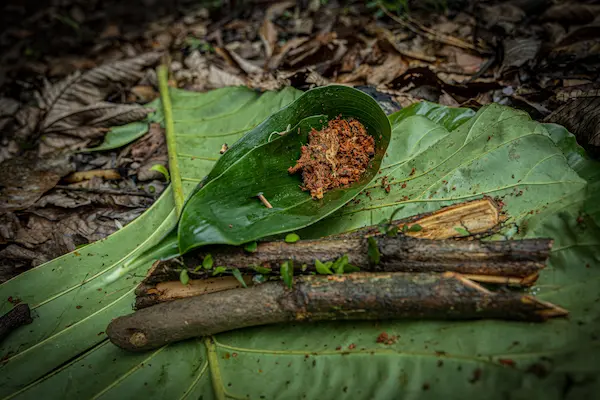
Currently, international laboratories and researchers are collaborating with Amazonian communities to study the properties of still little-known plants. This dialogue between modern science and ancestral wisdom opens doors to new natural treatments, provided it is carried out with ethics, respect, and shared benefits. Peru not only preserves the past of natural medicine: it also cultivates its future.
Let the Jungle Teach You
Medicinal plants are more than remedies, they are storytellers, connectors, and teachers. In Peru, they remind us that the land holds answers not only for our bodies, but for our hearts and minds. Whether you’re walking along ancient trails, navigating jungle rivers, or resting under a canopy of stars, the wisdom of the forest is always present.
To truly receive what these plants offer, we must arrive with respect, curiosity, and stillness. Because in the heart of the Peruvian jungle, healing is not something you find, it’s something that finds you.

