
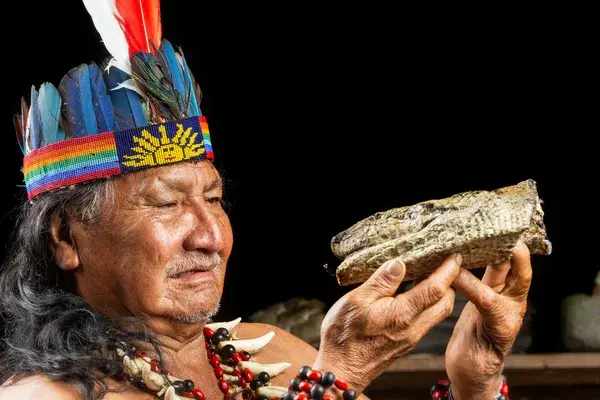
Have you ever wondered what’s behind shamanism in Peru? How do they use all of those medicinal plants? Or simply how does it work? If you’re a curious traveler or just someone enthusiastic that likes learning about different cultures, you probably have.
Peru is a country full of rich history, culture and traditions that come in a package with ther beautiful natural wonders. Among its most fascinating traditions is shamanism, an ancient practice deeply rooted in the connection between humans and nature. Shamanism in Peru has been passed down through generations, with its roots reaching back to the earliest indigenous cultures. This spiritual practice involves using medicinal plants to heal and connect with the spiritual world, offering a profound and transformative experience. In this blog, we’ll dive into what shamanism is, the role of medicinal plants, and how you can experience this ancient and mysterious tradition firsthand.
You may also like: What is Ayahuasca?
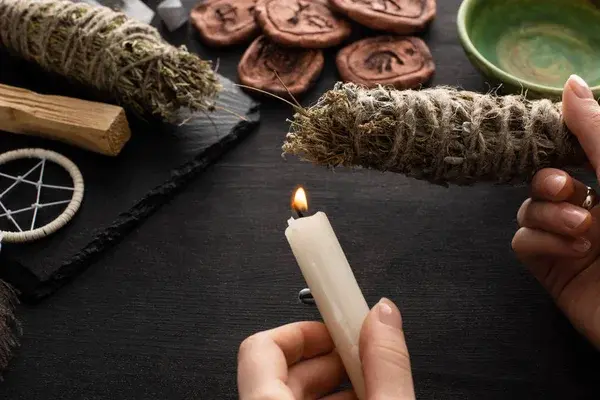
What is shamanism?
Shamanism is an ancient and deeply spiritual practice that connects humans with nature, the earth, and the unseen forces that govern the world. In Peru, it is not just a belief system, but a way of life that has been integral to indigenous cultures for centuries. Shamans—also known as curanderos—are spiritual leaders who guide individuals through healing ceremonies and rituals, often using sacred plants to facilitate these profound experiences.
Who is a shaman?
A shaman is a spiritual healer and guide who is deeply connected to the natural and spiritual worlds. In Peru, shamans are often seen as intermediaries between humans and the divine forces of nature. They possess an in-depth understanding of the spiritual realms and the healing properties of plants, using this knowledge to help individuals find balance, heal physical and emotional wounds, and gain spiritual insights.
Shamans in Peru typically undergo years of training and apprenticeship, learning from their elders and the wisdom of the earth. They are not only healers but also spiritual leaders who are deeply respected in their communities. A shaman’s role goes beyond just administering medicinal plants; they are custodians of ancient knowledge, guiding individuals on their personal journeys of self-discovery and healing.
In the context of shamanic practices in Peru, the shaman represents a bridge between the physical world and the spiritual world. Through rituals, ceremonies, and the use of sacred plants, they guide participants toward inner peace, clarity, and healing.
You may also like: Colonial Peru | A Deep Dive into Its History, Society, and Legacy
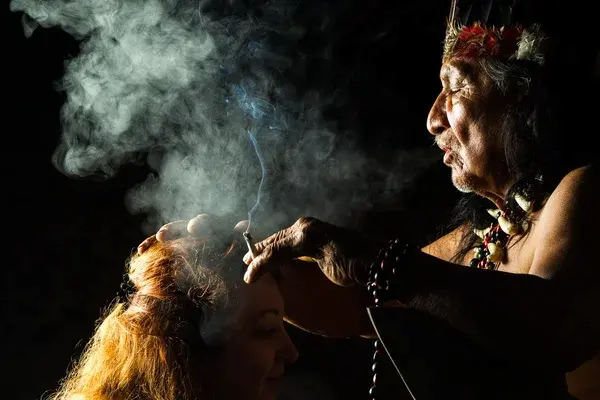
The role of medicinal plants in shamanism
In Peruvian shamanism, during rituals like andean ceremonys in Cusco, medicinal plants play an essential rol, because they are considered to be sacred entities with their own consciousness and spiritual power. These plants are used not only for their physical healing properties but also for their ability to connect individuals to the spiritual realms.
Sacred plants and their healing properties
Several plants are considered sacred in Peru due to their potent healing properties. Shamans use these plants during ceremonies to open the mind, heal the body, and facilitate communication with the spirit world. Some of the most well-known medicinal plants include:
- Ayahuasca: Known for its ability to induce profound spiritual visions, ayahuasca is one of the most powerful and famous sacred plants in Peru. It is often used in ceremonial settings to help individuals confront personal challenges and find healing.
- San Pedro (Huachuma): This cactus is often used in rituals to expand consciousness, encourage personal reflection, and connect with the earth’s energy. Unlike ayahuasca, San Pedro ceremonies are usually more grounding and focused on spiritual awakening.
- Puca Puca: This plant is used for its medicinal properties, particularly in treating physical ailments and injuries.
- Sangre de Grado: Known for its antibacterial and anti-inflammatory properties, this resin is used in shamanic practices for healing wounds and infections.
These plants have been used for centuries by indigenous communities and are integral to the practice of shamanism. They are not just tools for physical healing but also conduits to the spiritual and energetic realms.
You may also like: Inca temples: 7 sacred sites that still whisper history
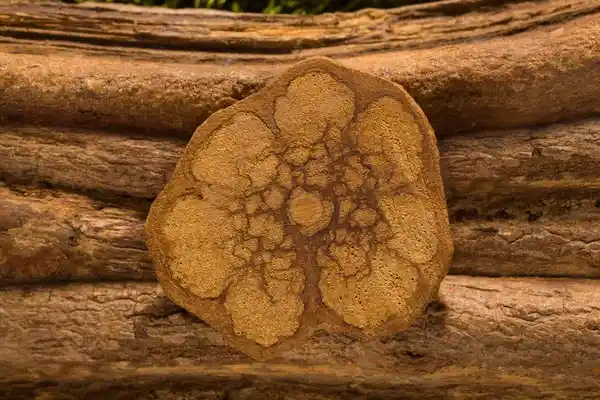
Experiencing shamanism in Peru
If you’re interested in experiencing shamanism firsthand, Peru offers some of the best opportunities to witness these ancient practices. Whether you’re visiting the Amazon jungle or the highlands of the Andes, Peru’s deep spiritual traditions are alive and accessible to those seeking to explore them.
Traditional shamanic ceremonies in the Andes
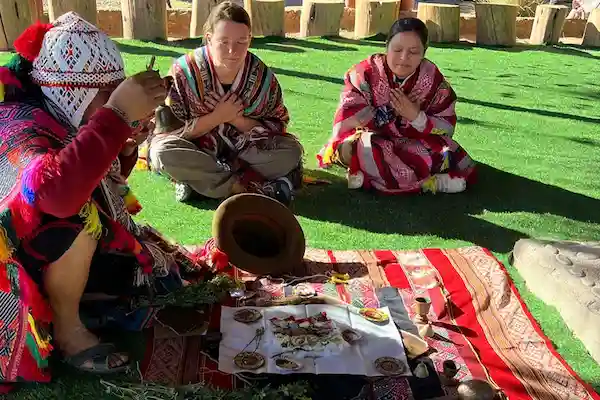
In the Andean region, shamanic ceremonies often take place in sacred natural settings, such as mountains or forests, where participants can connect deeply with the earth. These ceremonies, led by experienced shamans, typically involve the use of sacred plants like ayahuasca or San Pedro. The rituals may include chanting, music, and offerings to the spirits, creating a rich and transformative experience for participants.
These ceremonies are not just about physical healing but about spiritual awakening and personal growth. The shaman helps participants navigate their experiences and integrate the teachings of the plants.
How you can embark on a shamanic journey
For those seeking to embark on a shamanic journey in Peru, there are numerous ways to participate in authentic ceremonies. By choosing reputable guides who work closely with local shamans, you can ensure that you’re experiencing shamanism in its true form. These guides offer a safe and supportive environment where you can connect with the sacred plants and gain insights into your own spiritual journey.
For example, if you are about to travel to Peru and looking for a tour package, you could look for one that includes an experience of cleaning with medicinal plants, this way you will not only learn about the Peruvian culture from the outside, but also from the inside throughout this kind of ceremonies.
You may also like: Sacred Valley: gateway to Cusco’s most iconic routes
How to prepare for a shamanic experience in Peru
To ensure a safe and meaningful shamanic experience, preparation is key. The right mindset, physical readiness, and respect for the traditions play an essential role in connecting with the healing powers of the ceremony.
Respecting the tradition and the sacred plants
Participating in a shamanic ceremony is not something to be taken lightly. It’s important to approach the experience with respect and reverence for the traditions of the indigenous communities and the sacred plants. Many shamans will provide guidelines on how to prepare for the ceremony, such as following a specific diet or abstaining from certain activities before the ritual. This preparation is essential for ensuring that you have a safe and meaningful experience.
Finding authentic experiences
When looking to experience shamanism in Peru, it’s crucial to seek out authentic and responsible tour operators who work directly with local shamans. These experiences allow you to connect with the spiritual traditions of Peru in a respectful and transformative way.
Ready to explore shamanism and the use of medicinal plants?
Daring to experience a ritual of shamanism in Peru is a pretty brave move for a tourist, if you are one of those, you have my admiration. These kinds of spiritual practices hold a lot of mystery and deep meaning behind them so, for locals, we are talking about sacred practices they are willing to share, therefore people from other countries who come eager to experience them should understand and respect that.
So, if you ever travel to Peru, go ahead and try out this spiritual experience, this way you will gain a deeper understanding of the culture, history, and sacred practices that have been passed down through generations.

