
Peruvian desserts reflect the country’s diverse culinary heritage, bringing together local ingredients, regional traditions, and cultural influences that have shaped Peruvian food over generations. From sweets associated with coastal cities to recipes connected to the Andes and southern Peru, each dessert has its own history and place within local food culture.
Many of these recipes continue to be prepared in homes, markets, and during traditional celebrations. Ingredients such as purple corn, sweet potato, lucuma, squash, and chancaca have helped give Peruvian sweets their distinctive flavors while maintaining a connection to the country’s agricultural traditions.
You might be interested in: 5 traditional peruvian drinks
The role of desserts in Peruvian food culture
Desserts are an important part of Peru’s culinary heritage, reflecting the country’s history, regional diversity, and the ingredients used by local communities. Many traditional recipes have been prepared for generations, becoming part of family gatherings, celebrations, and everyday food traditions.
The variety of Peruvian desserts also reflects the cultural influences that have shaped the country over time. Indigenous ingredients, European techniques, and African and other cultural traditions contributed to a culinary heritage where different flavors and preparation methods continue to coexist.
A sweet tradition shaped by different cultures
Peruvian desserts developed through the interaction of cultures that became part of the country’s history. Indigenous communities contributed ingredients and traditional preparation methods, while European influences introduced new cooking techniques and ingredients that became incorporated into local recipes.
African communities also had an important influence on Peru’s culinary traditions, particularly along the coast. Over time, these different influences contributed to desserts that are now closely associated with specific regions and celebrations throughout the country.
Regional ingredients and traditional recipes
The ingredients used in Peruvian desserts often reflect the environment where each recipe developed. Purple corn, sweet potatoes, lucuma, quinoa, cinnamon, and different fruits have all found a place in traditional sweets, giving them distinctive flavors and textures.
Many recipes continue to be prepared using methods passed down through families and communities. This connection between local ingredients and traditional preparation helps preserve the character of Peruvian desserts while keeping them relevant within the country’s food culture.
8 Peruvian desserts you should know
The variety of Peruvian desserts reflects the different ingredients, traditions, and cultural influences that have shaped Peru’s cuisine. Some recipes have been passed down through generations, while others developed from the combination of local ingredients and techniques introduced over time.
From classic sweets found throughout the country to desserts strongly associated with specific regions, each one has its own history and character. These Peruvian desserts offer a look at how Peru’s culinary traditions have evolved while maintaining strong connections to local ingredients.
Picarones
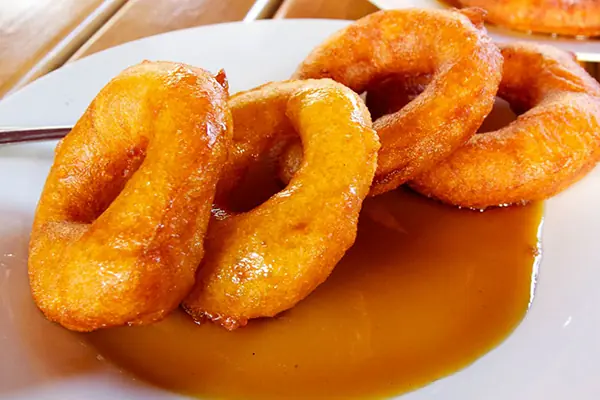
Picarones are one of the most recognizable Peruvian desserts, especially along the country’s coast. These ring shaped fritters are traditionally made with sweet potato and squash, then served warm with chancaca syrup, which gives them their characteristic sweetness.
Their history is connected to the culinary traditions of Lima and the influence of different cultures throughout Peru. Today, picarones remain a familiar sight at local food stands, markets, and traditional celebrations, where they continue to be prepared using classic methods.
Suspiro a la limeña
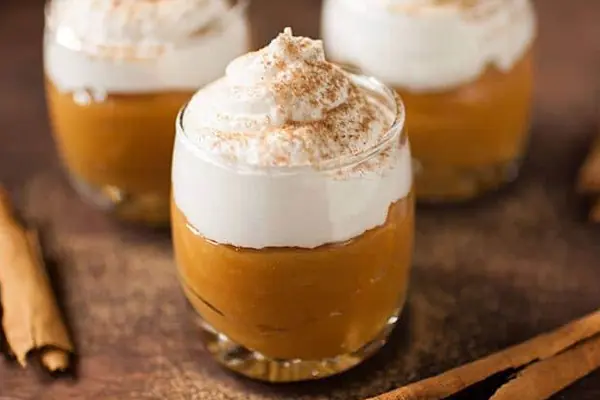
Suspiro a la limeña is a traditional dessert from Lima made with a creamy base of sweetened condensed milk and evaporated milk, topped with a light meringue. Its soft texture and rich sweetness have made it one of the best known Peruvian desserts.
The dessert is strongly associated with Lima and has become part of the city’s culinary identity. Its name and history are also connected to the traditions of nineteenth century Lima, making it a dessert with both culinary and cultural significance.
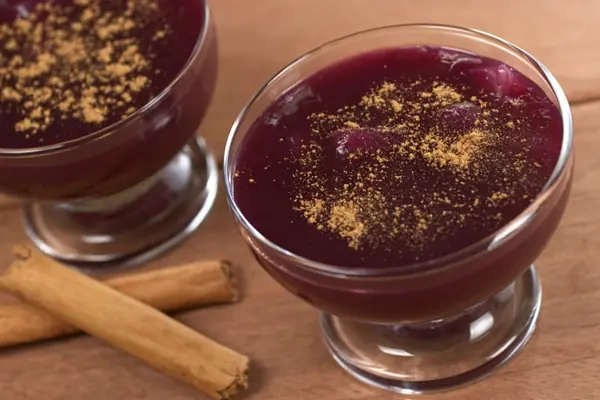
Mazamorra morada
Mazamorra morada is a traditional Peruvian dessert prepared primarily with purple corn. The mixture is usually combined with fruits, spices, and sweeteners to create a thick dessert with a distinctive dark purple color.
As one of the most traditional Peruvian desserts, mazamorra morada has a strong connection to local ingredients and Peruvian food culture. It is especially associated with Lima and is commonly enjoyed alongside arroz con leche.
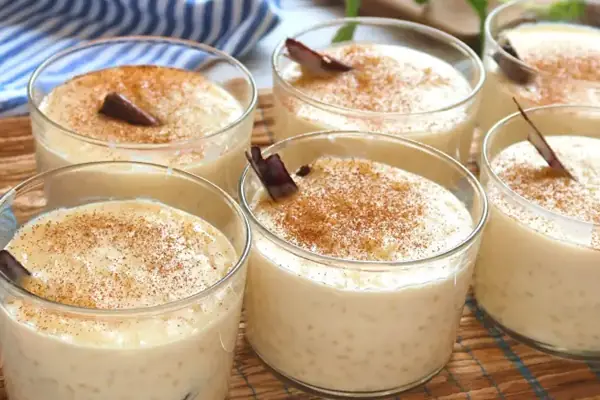
Arroz con leche
Arroz con leche is a creamy rice dessert prepared with milk, sugar, and spices such as cinnamon. Although versions of this dessert exist in different countries, the Peruvian preparation has become a familiar part of the country’s culinary traditions.
It is commonly served at homes, restaurants, and family gatherings, making it one of the most accessible Peruvian desserts. Its simple ingredients and familiar flavor have helped it remain popular across generations.
You might be interested in: 10 peruvian fruits you should know
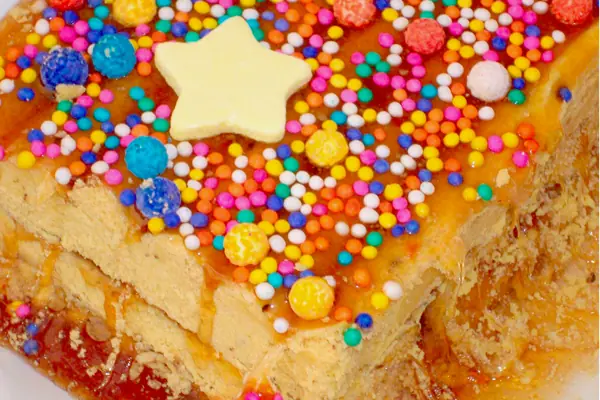
Turrón de Doña Pepa
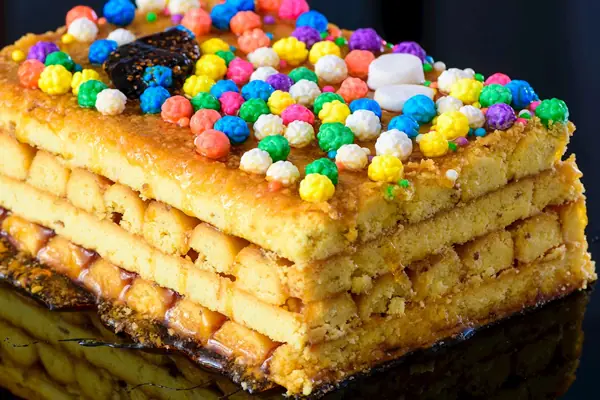
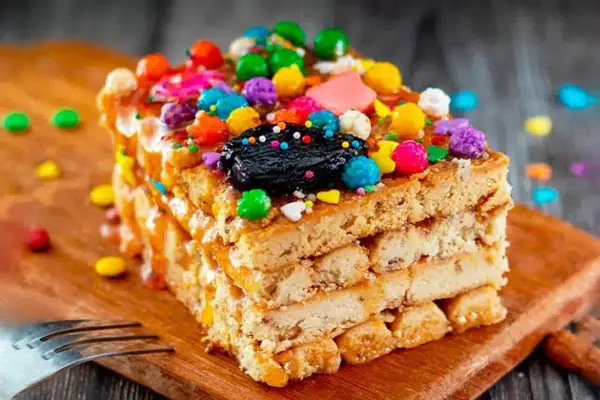
Turrón de Doña Pepa is a traditional Peruvian sweet made with layers of dough covered with chancaca syrup and colorful sprinkles. It is particularly associated with Lima and the religious celebrations held in October.
Its history is closely connected to the Señor de los Milagros tradition, giving the dessert an important cultural role beyond its flavor. Among Peruvian desserts, it stands out for its strong connection to a specific celebration and season.
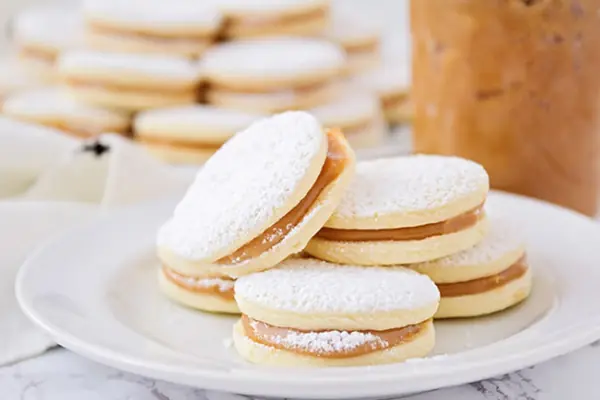
Alfajores
Alfajores are delicate cookies made with two layers of dough and a sweet filling, commonly dulce de leche or manjar blanco. They are found in several Latin American countries, but Peru has its own versions that form part of its traditional pastry culture.
Different regions and bakeries may prepare alfajores with variations in size, texture, and filling. Their versatility has helped make them one of the most familiar Peruvian desserts, enjoyed both at home and during special occasions.
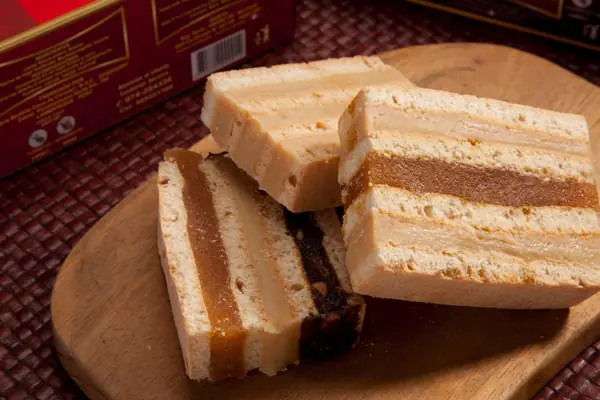
King Kong
King Kong is a traditional dessert from Lambayeque in northern Peru. It consists of layers of large cookies combined with fillings such as manjar blanco, fruit preserves, and other sweet ingredients, creating a substantial layered dessert.
Its name and distinctive structure have made it one of the most recognizable regional Peruvian desserts. King Kong is particularly connected to the culinary identity of northern Peru and remains an important local specialty.
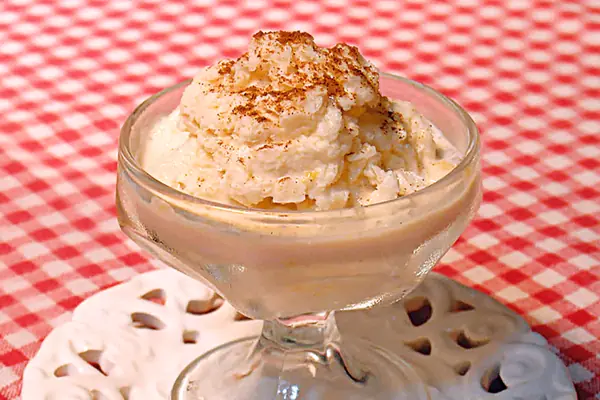
Queso helado
Queso helado is a traditional frozen dessert from Arequipa, despite its name suggesting that it contains cheese. It is traditionally prepared with milk, cinnamon, coconut, and other ingredients, resulting in a creamy texture and distinctive flavor.
The dessert has become closely associated with Arequipa’s food culture and is commonly served in local markets and traditional settings. Among Peruvian desserts, queso helado stands out because of its regional identity and unusual name.
Regional diversity in Peruvian desserts
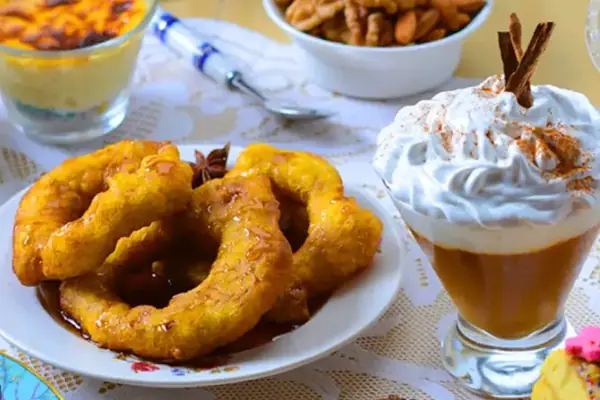
Peru’s geography has a strong influence on its culinary traditions, and desserts are no exception. The coast, Andes, and southern regions have developed their own specialties based on local ingredients, climate, and the traditions of the communities that live there.
This regional variety is one of the defining characteristics of Peruvian desserts. Some sweets are closely associated with a particular city or region, while others have spread throughout the country and developed different versions depending on where they are prepared.
Desserts from the coast
The Peruvian coast has a particularly rich dessert tradition, especially in Lima and other coastal cities. Ingredients such as sweet potato, squash, purple corn, and chancaca have been used in recipes that became part of local food culture over generations.
Picarones, suspiro a la limeña, and mazamorra morada are some of the best known Peruvian desserts from the coast. Their recipes reflect the cultural influences that shaped coastal cuisine and remain popular in homes, markets, and traditional food establishments.
Andean sweets and ingredients
The Andes have their own selection of traditional sweets, often incorporating ingredients that have been cultivated in high altitude regions for centuries. Corn, quinoa, potatoes, fruits, and other local products have influenced the development of different Andean recipes.
Many Peruvian desserts connected to the Andes reflect the relationship between local communities and their agricultural environment. Traditional preparation methods have helped preserve these flavors while allowing regional recipes to remain part of local food traditions.
Desserts from southern Peru
Southern Peru is home to desserts with distinctive regional characteristics, particularly in areas such as Arequipa and Cusco. Local ingredients and culinary traditions have contributed to sweets that are strongly connected to the identity of their respective regions.
Queso helado is one of the best known examples from southern Peru, particularly in Arequipa. Its preparation and distinctive flavor demonstrate how Peruvian desserts can vary significantly from one region to another while remaining part of the country’s broader culinary heritage.
You might be interested in: Quechuas expeditions tour operator in Peru for 2027
How Peruvian desserts remain part of local traditions
Traditional desserts continue to have a place in Peruvian homes and communities, where recipes are often shared between parents, grandparents, and younger generations. This process allows preparation methods and familiar flavors to remain part of everyday food culture.
Many Peruvian desserts are also connected to specific celebrations and cultural events. Their presence during these occasions gives traditional sweets a role that goes beyond food, linking them to memories, customs, and community traditions.
Family recipes and homemade preparation
Families have played an important role in preserving traditional dessert recipes throughout Peru. Preparation methods are often learned at home, where ingredients, measurements, and techniques are shared through practical experience rather than written instructions.
This continuity helps maintain the character of Peruvian desserts even as recipes develop small variations from one family or region to another. Homemade preparation also keeps traditional sweets connected to everyday life and family gatherings.
Desserts during festivals and celebrations
Many Peruvian desserts are associated with religious celebrations, regional festivals, and important community events. Turrón de Doña Pepa, for example, has a strong connection to the Señor de los Milagros celebrations in Lima and is especially popular during October.
Other sweets are prepared during local festivities and family occasions, depending on the region. These traditions give Peruvian desserts a lasting cultural role and help ensure that recipes continue to be prepared and shared across generations.
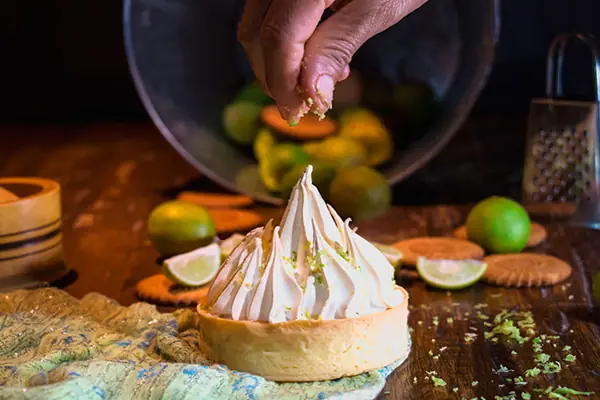
The cultural legacy of Peruvian desserts
Peruvian desserts are part of a culinary tradition shaped by generations of local knowledge, regional ingredients, and cultural influences. Their importance goes beyond their flavors, as many recipes are connected to family customs, religious celebrations, and the history of particular communities.
From coastal sweets to Andean and southern specialties, these desserts reflect the diversity of Peru’s food heritage. Preserving their recipes and ingredients helps maintain the connection between traditional cuisine and the communities that have kept these preparations part of daily life.
Preserving traditional recipes
Traditional dessert recipes have often been passed down within families, with preparation methods shared from one generation to another. This has allowed many classic sweets to retain their characteristic flavors while leaving room for small variations between regions and households.
Keeping these recipes alive also protects an important part of Peru’s culinary history. When younger generations learn how to prepare traditional Peruvian desserts, they help maintain knowledge that might otherwise become less common over time.
The influence of local ingredients
Local ingredients have played an important role in shaping the flavors and textures of Peruvian desserts. Purple corn, sweet potato, squash, lucuma, quinoa, fruits, and chancaca are examples of products that have become closely associated with different traditional preparations.
The use of these ingredients reflects the connection between Peru’s diverse environments and its food traditions. Their continued presence in traditional sweets demonstrates how local agricultural products have influenced the country’s culinary identity.
You might be interested in: How to behave respect in Andean communities: guidelines for a respectful visit
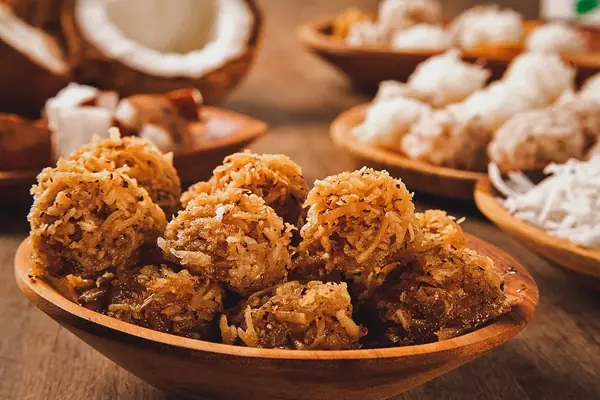
The sweet legacy of Peru’s culinary traditions
The history of Peruvian desserts shows how food can preserve cultural knowledge while adapting to different regions and generations. From recipes connected to religious celebrations to sweets prepared at home, each tradition reflects a part of Peru’s diverse culinary heritage.
These desserts continue to hold a place in Peruvian food culture because their recipes, ingredients, and preparation methods remain connected to local communities. Their lasting presence helps preserve the flavors and traditions that have shaped Peru’s culinary identity over time.

