
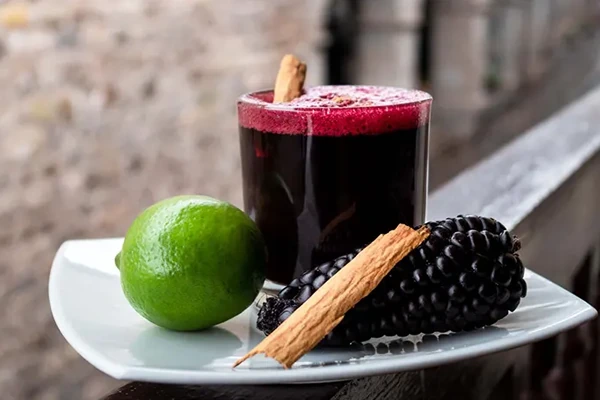
Traditional Peruvian drinks are an important part of Peru’s cultural and culinary heritage, reflecting the ingredients, customs, and regional traditions that have developed across the coast, Andes, and Amazon. Many of these beverages have been prepared for generations and continue to be enjoyed in homes, markets, and community celebrations throughout the country.
From refreshing corn based drinks to herbal infusions and Amazonian recipes, these traditional beverages offer insight into the relationship between local communities and their natural surroundings. Their continued presence in everyday life shows how food and drink remain closely connected to Peru’s history and cultural identity.
The importance of traditional drinks in Peru’s culture
Traditional beverages have long been part of Peru’s cultural heritage, reflecting the customs, ingredients, and knowledge developed by communities across the country. Many recipes have been passed down through generations, preserving flavors that continue to be enjoyed in both rural and urban areas.
Today, traditional Peruvian drinks represent more than refreshments. They are closely connected to local traditions, regional identities, and the natural resources found throughout Peru, offering a glimpse into the country’s rich cultural diversity.
A tradition influenced by different regions
Peru’s varied geography has shaped the development of many traditional beverages. The coast, the Andes, and the Amazon each provide unique ingredients that have influenced local recipes and the way drinks are prepared in different communities.
As a result, traditional Peruvian drinks vary from one region to another, reflecting local climates, agricultural products, and cultural practices. This regional diversity has helped preserve recipes that continue to represent the identity of the places where they originated.
Drinks that remain part of everyday life
Many traditional beverages continue to be enjoyed as part of daily life in Peru. Some are commonly prepared at home, while others are found in local markets, restaurants, and community gatherings where they remain an important part of local food traditions.
Beyond their refreshing qualities, traditional Peruvian drinks help maintain a connection between generations. Families and local communities continue to prepare these recipes using ingredients that have been valued for many years, preserving an important part of Peru’s cultural heritage.
5 traditional Peruvian drinks
The variety of traditional Peruvian drinks reflects the country’s cultural diversity and the ingredients that have been used for generations. Many of these beverages originated in different regions of Peru and continue to be prepared using recipes that have been preserved over time.
From refreshing corn based drinks to herbal infusions and Amazonian beverages, these traditional recipes highlight the relationship between local communities and their natural surroundings. Each drink has its own history and remains an important part of Peru’s culinary heritage.
Chicha morada
Chicha morada is one of the most recognized traditional Peruvian drinks and is prepared using purple corn, a crop that has been cultivated in Peru for centuries. The drink is commonly flavored with fruits and spices, creating a naturally sweet and refreshing taste.
Today, chicha morada is enjoyed throughout the country as part of everyday meals and family gatherings. Its distinctive color and connection to native ingredients have made it one of Peru’s best known non alcoholic beverages.
Emoliente
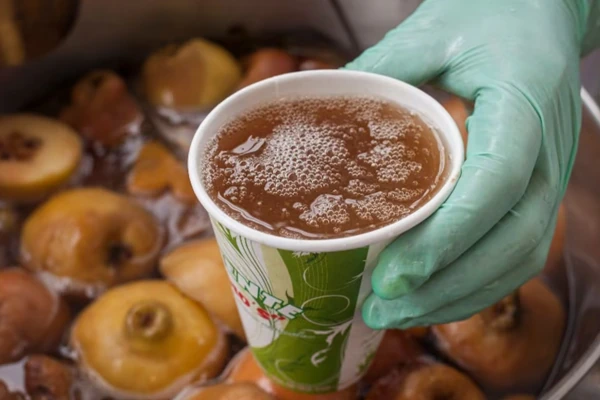
Emoliente is a traditional herbal drink prepared with a blend of grains, herbs, and natural ingredients. It has long been sold by street vendors and continues to be a familiar sight in many Peruvian cities, especially during cooler weather.
Among traditional Peruvian drinks, emoliente stands out because of its long history and its connection to daily life. Many people continue to enjoy this warm beverage as part of local customs that have been maintained for generations.
Chicha de jora
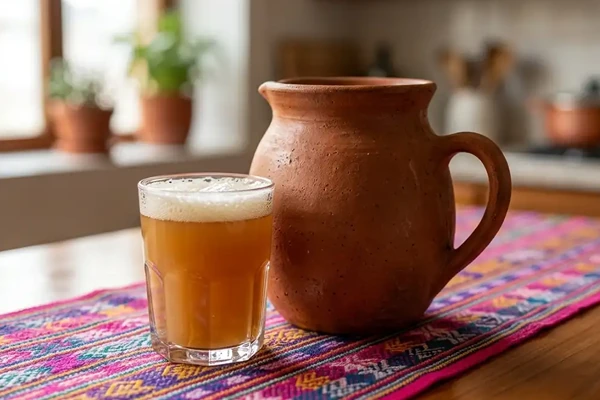
Chicha de jora is one of Peru’s oldest traditional beverages, made from fermented corn using methods that date back to pre Columbian times. For centuries, it has been associated with ceremonies, celebrations, and social gatherings in different parts of the country.
This drink remains an important example of how traditional Peruvian drinks preserve historical practices and local knowledge. Although preparation methods may vary by region, its cultural significance continues to be recognized throughout Peru.
Mate de coca
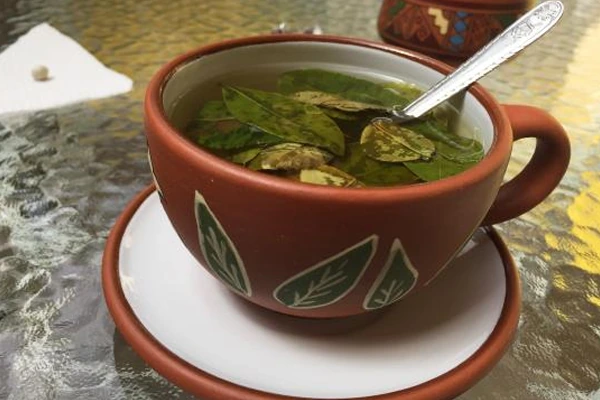
Mate de coca is a traditional herbal infusion prepared from coca leaves, a plant that has been part of Andean culture for centuries. It is commonly consumed in high altitude regions and has become one of the most familiar beverages for both local communities and visitors.
As one of the best known traditional Peruvian drinks, mate de coca reflects the relationship between the Andes and the native plants that have supported local traditions for generations. Its preparation remains simple while preserving a practice with deep historical roots.
Masato
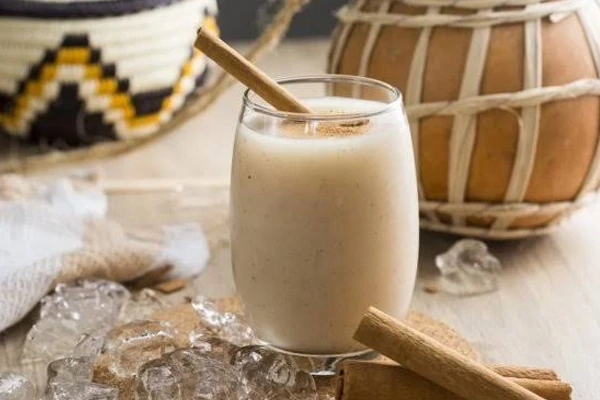
Masato is a traditional beverage that originates in the Peruvian Amazon and has long been prepared by Indigenous communities. It is commonly made using cassava and follows preparation methods that have been passed down through generations.
Among the many traditional Peruvian drinks, masato represents the cultural diversity of the Amazon region. It continues to be served during community gatherings and special occasions, reflecting the traditions and customs of the people who have preserved this recipe over time.
You might be interested in: 10 peruvian fruits you should know
How traditional Peruvian drinks are enjoyed today
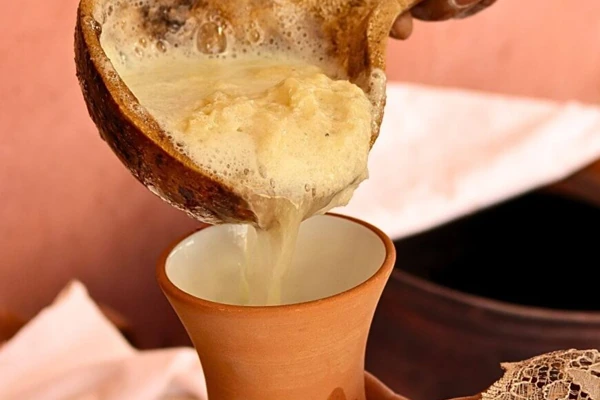
Many traditional Peruvian drinks continue to be part of everyday life across the country. While some recipes have been prepared for centuries, they are still enjoyed in homes, local businesses, and community gatherings, showing how these beverages remain connected to Peru’s culinary traditions.
Although preparation methods may differ from one region to another, the ingredients and techniques used to make these drinks continue to reflect local customs. Their presence in daily life demonstrates how traditional recipes remain relevant while preserving their cultural value.
Homemade recipes and local markets
Many families continue to prepare traditional beverages at home using recipes that have been shared through generations. Fresh ingredients, regional products, and simple preparation methods help preserve the original flavors that have long been part of Peruvian cuisine.
Local markets also play an important role in keeping traditional Peruvian drinks accessible. Vendors and small businesses continue to prepare beverages such as chicha morada and emoliente, allowing these recipes to remain part of everyday food culture.
Celebrations and cultural traditions
Traditional beverages are often served during festivals, family gatherings, and community celebrations throughout Peru. Depending on the region, certain drinks may be associated with local customs, seasonal events, or cultural ceremonies that have been maintained for many years.
These occasions help preserve the importance of traditional Peruvian drinks within Peru’s cultural heritage. Sharing these beverages continues to strengthen community traditions while passing local knowledge from one generation to the next.
The legacy of traditional Peruvian drinks
The history of traditional Peruvian drinks reflects the relationship between Peru’s diverse regions, native ingredients, and cultural traditions. Many of these beverages have remained part of local communities for centuries, preserving recipes that continue to be valued today.
Beyond their role in Peruvian cuisine, these drinks represent knowledge that has been passed from one generation to another. Their continued preparation helps maintain traditions that connect people with the country’s history and natural resources.
Preserving recipes across generations
Traditional recipes have often been preserved through families and local communities, where preparation methods are shared with younger generations. This exchange of knowledge has helped many beverages remain part of Peru’s cultural identity over time.
As new generations continue preparing these drinks, they contribute to protecting an important part of Peru’s culinary heritage. Maintaining these recipes allows traditional ingredients and preparation techniques to remain relevant in everyday life.
The connection between local ingredients and tradition
Many traditional Peruvian drinks are closely connected to ingredients that have grown in Peru for centuries, including purple corn, coca leaves, herbs, and cassava. These local products have shaped regional recipes and continue to reflect the country’s environmental diversity.
The use of native ingredients also highlights the relationship between Peru’s landscapes and its culinary traditions. By preserving these recipes, communities continue to celebrate the resources and knowledge that have defined Peruvian food culture for generations.
You might be interested in: Quechuas expeditions tour operator in Peru for 2027
Frequently asked questions about traditional Peruvian drinks
Traditional Peruvian drinks are closely connected to the country’s history, regional diversity, and culinary traditions. Many of these beverages have been enjoyed for generations and continue to be prepared using local ingredients that reflect Peru’s cultural heritage.
The following questions provide more information about some of the best known traditional beverages and where they can still be enjoyed today.
What is the most popular traditional drink in Peru?
Chicha morada is widely considered one of the most popular traditional beverages in Peru. Made from purple corn and flavored with fruits and spices, it is commonly served with meals and enjoyed throughout the country by people of all ages.
Among traditional Peruvian drinks, chicha morada stands out because of its connection to native ingredients and its presence in homes, restaurants, and local markets. It has become one of the best known symbols of Peru’s culinary traditions.
Which traditional Peruvian drinks are non alcoholic?
Several traditional beverages in Peru are naturally non alcoholic. Chicha morada, emoliente, and mate de coca are among the most recognized examples and continue to be enjoyed as part of everyday life in different regions of the country.
These traditional Peruvian drinks are prepared using ingredients such as purple corn, herbs, and coca leaves. Their popularity reflects the diversity of Peru’s culinary traditions and the importance of locally sourced ingredients.
Where can you try traditional Peruvian drinks?
Traditional Peruvian drinks can be found in many parts of the country, including local markets, traditional restaurants, community festivals, and family owned businesses. Different regions often feature beverages that reflect their own local ingredients and customs.
Visitors can also enjoy traditional Peruvian drinks in cities such as Lima, Cusco, and Arequipa, where many restaurants and markets continue to prepare recipes that have been preserved through generations.
The lasting value of Peru’s traditional beverages
The history of traditional Peruvian drinks highlights the diversity of Peru’s regions and the importance of preserving recipes that have been shared for generations. Ingredients such as purple corn, coca leaves, herbs, and cassava continue to reflect the close relationship between local traditions and the environments where these beverages originated.
These drinks remain more than simple refreshments. They represent cultural knowledge, family traditions, and regional identities that continue to be passed down through communities across Peru, helping preserve an important part of the country’s culinary heritage.

