
Visiting new places involves much more than exploring landscapes or taking photographs; it also means connecting with ways of life, values, and traditions that have been built over generations. When a person arrives in a territory with its own cultural identity, the way they interact with local residents can make the difference between a superficial experience and a genuine exchange based on respect.
Andean communities preserve traditions, organizational systems, and knowledge passed down through generations, which is why interacting with them requires an open and mindful attitude. Understanding their way of life, listening before acting, and valuing their local practices helps create more authentic connections and allows visitors to enjoy a meaningful cultural experience for everyone involved.
You might be interested in: 10 sustainable tourism places around the world in 2026
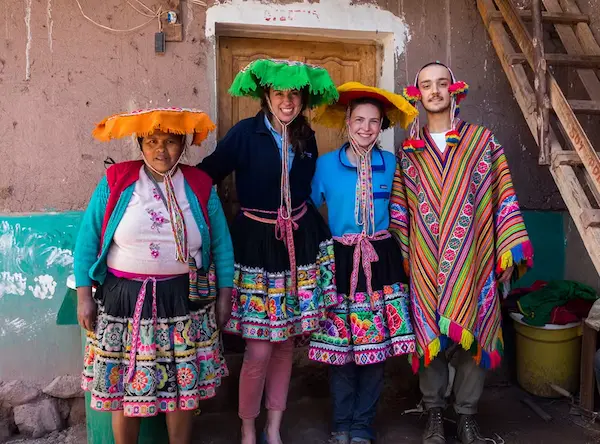
The importance of respecting the traditions of Andean communities
Approaching a different cultural environment requires understanding that each community has its own values, forms of communication, and ways of interacting with its territory. Respect is not only demonstrated by following certain behavioral guidelines, but also by showing genuine interest in learning about a reality different from one’s own. In the case of Andean communities, many of their practices are connected to collective living, their relationship with nature, and knowledge passed down through generations. Therefore, a responsible visit should begin with observation and consideration toward their inhabitants.
Having a respectful attitude allows for closer interactions and helps prevent behaviors that may feel uncomfortable or intrusive. Each encounter represents an opportunity to learn from different ways of understanding life, where listening, patience, and appreciation for traditions play a fundamental role. Rather than arriving as just a visitor, it is important to participate with humility and recognize that communities have their own identity, which deserves to be understood and valued.
You might be interested in: 15 incredible animals from Peru that you can see in the trip
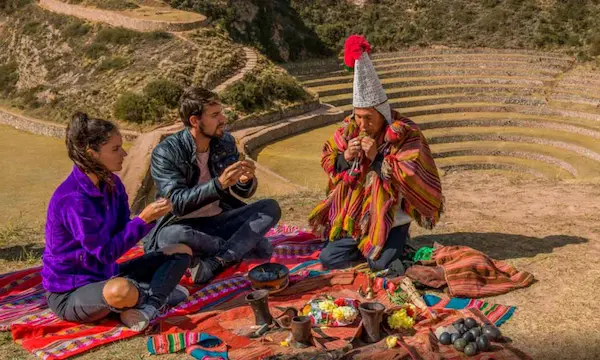
How to behave properly when visiting Andean communities
Visiting a place with its own cultural identity requires adapting the way you act and understanding that each location has different dynamics. It is not about changing who you are, but rather approaching others with respect, curiosity, and a willingness to learn. Within Andean communities, interactions with residents are often based on trust, kindness, and recognition of their traditions. Therefore, simple gestures such as greeting people, listening, and asking for permission can create a much more positive experience.
Appropriate behavior allows the visit to become more meaningful for both the traveler and the community welcoming them. Respecting local rhythms, appreciating traditional activities, and avoiding intrusive attitudes help build a more balanced relationship. The goal should not only be to observe a different way of life, but to understand it with respect and recognize the importance of preserving these cultural spaces.
1. Ask for permission before photographing people or important places
Taking photographs during a visit can be a way to preserve memories, but it is important to understand that an image also represents an interaction with another person and their surroundings. In many cases, residents may feel uncomfortable when they are photographed without permission, especially during family activities, ceremonies, or moments considered meaningful within the community. For this reason, asking for consent before taking a photo is a basic gesture of respect and consideration toward those who share their space.
In addition, not every element of a community has only visual or tourism value. Some places, objects, or activities may have deep cultural significance for their inhabitants, so it is advisable to ask before taking photographs. This simple gesture demonstrates sensitivity toward local traditions and allows the experience with Andean communities to be based on a more respectful relationship, where people are not seen merely as part of the landscape, but as the true protagonists of their own culture.
A good practice is to first approach through a friendly conversation, explain the purpose of the photograph, and accept any response respectfully. The possibility of obtaining a memorable image should never come before the comfort or decision of the people involved. A responsible visitor understands that every photograph represents an exchange and that trust must be built before capturing a moment.
2. Greet people and show interest in the local culture
The first interaction with a community can influence how the entire visit develops. A friendly greeting, a kind attitude, and a willingness to engage in conversation are simple gestures that help build trust and show respect toward local residents. In Andean communities, closeness and recognition of others are an important part of daily life, so approaching people with courtesy helps establish a more natural and respectful relationship.
Showing interest in local culture does not mean asking intrusive questions or treating traditions as a simple tourist attraction. The best approach is to listen carefully, observe the community’s dynamics, and allow residents themselves to share what they wish to communicate. Asking about their activities, traditions, or ways of life with curiosity and respect can lead to more authentic conversations and a deeper understanding of their reality.
It is also important to avoid comparisons or comments that may diminish their cultural practices. Each community has its own ways of organizing and interacting with its surroundings, so maintaining an open attitude encourages a more meaningful exchange. Small gestures such as learning a few local expressions, showing gratitude for the attention received, or demonstrating genuine interest can transform a visit into an experience based on respect and human connection.
3. Respect traditions and community organization systems
Many communities maintain forms of organization that have been developed over generations and play an important role in their daily lives. The way they make decisions, distribute responsibilities, or participate in collective activities may differ from other places, which is why it is important to approach these communities with an attitude of observation and respect. When visiting Andean communities, understanding these dynamics makes it possible to appreciate that their traditions are not simply tourist attractions, but rather part of a cultural identity that remains active and meaningful.
During a visit, it is advisable to respect the times and spaces established by the community itself. Some activities may follow traditional processes, involve local authorities, or require prior coordination before allowing visitor participation. Attempting to speed up these processes or impose external ways of organization can create discomfort and affect the relationship with local residents.
Recognizing these ways of living together helps create a more conscious and meaningful experience. Instead of expecting the community to fully adapt to the visitor, it is important to understand that cultural exchange involves listening, adapting, and appreciating different ways of understanding collective life. This attitude helps build more respectful connections and allows visitors to enjoy an experience where local culture is appreciated within its own context.
4. Learn some local expressions before your visit
Learning a few basic words or expressions from the language spoken in the area you are visiting can become a meaningful gesture of respect and connection. It is not necessary to master an indigenous language to create a positive interaction, but making an effort to greet or express gratitude using local words shows interest in the culture and a willingness to engage in a more authentic way. In Andean communities, where many people preserve traditional languages as part of their identity, these small efforts can be positively appreciated during an encounter.
Beyond practical communication, learning some expressions allows visitors to better understand the relationship that local residents have with their environment and traditions. Each word can reflect unique ways of understanding family, nature, collective work, and community life. Therefore, approaching the local language should not be seen only as a communication tool, but as an opportunity to show appreciation for knowledge that has been passed down through generations.
In addition, it is important to use these expressions respectfully and avoid repeating words without understanding their meaning or proper context. The main intention should be to demonstrate openness rather than imitate a different culture. A visitor who makes an effort to communicate with consideration creates a closer experience and strengthens cultural exchange with the people who are part of the community.
5. Consume products and services responsibly
One direct way to contribute positively during a visit is by valuing the products, activities, and services offered by local residents. Many families in Andean communities maintain economic activities related to handicrafts, agriculture, gastronomy, and cultural experiences, where each product represents knowledge, techniques, and work passed down over time. Choosing to consume responsibly allows part of the economic benefit to remain within the community and supports the continuity of their traditional activities.
When purchasing handicrafts, food, or other local products, it is important to recognize the effort behind each creation. In Andean communities, many of these activities are part of a family-based economy that preserves practices learned over generations. Therefore, valuing their work means understanding the meaning behind each product. Avoiding negotiations that unfairly reduce prices and choosing conscious purchases helps strengthen a more balanced relationship between visitors and local residents.
It is also recommended to prioritize initiatives managed by community members themselves and participate in experiences where there is respectful cultural exchange. Beyond purchasing a product, these actions allow visitors to better understand local culture and create a positive impact during their visit. Responsible tourism is not only about taking home a memory of the place, but also about contributing to the well-being of the people who keep their traditions alive.
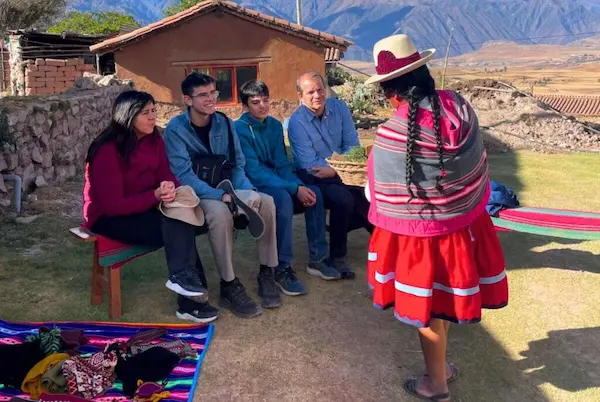
Attitudes to avoid within Andean communities
Visiting a place with its own cultural identity also means recognizing certain behaviors that may create discomfort or affect the relationship with local residents. Many times, some actions happen due to a lack of knowledge rather than negative intentions, but they can still convey a lack of respect toward local traditions. Therefore, when interacting with Andean communities, it is important to understand that the visit should be based on empathy, active listening, and a willingness to adapt to the dynamics of the place.
A positive cultural experience does not depend only on what is observed, but also on how visitors participate and interact with local people. Avoiding intrusive attitudes, disrespectful comments, or behaviors that reduce local culture to a simple tourist experience helps create a more respectful encounter. Understanding which actions to avoid allows visitors to enjoy the environment without affecting traditions or the sense of tranquility of those who welcome them.
Do not assume that all communities have the same customs
One of the most common mistakes when visiting cultural areas is assuming that all communities share exactly the same traditions, organizational systems, or ways of interacting. Although there are common elements within Andean culture, each location has developed its own practices based on its history, territory, and collective experiences. Therefore, approaching Andean communities requires avoiding generalizations and understanding that each group has a unique identity that deserves to be recognized.
Before making judgments or comparing one community with another, it is advisable to observe, listen, and respectfully ask about the aspects you wish to understand. Customs related to celebrations, productive activities, family organization, or relationships with nature can vary considerably between different locations. This diversity is precisely one of the most valuable aspects of Andean culture, as it reflects the richness of knowledge and ways of life that exist within each community.
Maintaining an open attitude allows the visit to become more meaningful and prevents local practices from being interpreted from a single perspective. Instead of expecting to find an experience identical to previous visits, it is better to approach each encounter with curiosity and a willingness to learn. Respecting differences helps create a more authentic cultural exchange and demonstrates consideration toward the people who share their way of life with visitors.
Avoid treating local culture as a simple tourist attraction
A cultural visit should go beyond observing traditions as if they were merely part of a performance. The customs, knowledge, and activities that are part of the daily lives of Andean communities have deep meaning for their inhabitants, as they represent their history, identity, and the way they maintain their connection with their territory. For this reason, it is important to approach these experiences with respect and understand that behind every practice there is a cultural value that deserves recognition.
A common mistake is to focus only on taking photographs or having quick experiences without considering the relationship established with local residents. Within Andean communities, their inhabitants are not part of a tourist setting, but rather people with their own stories, knowledge, and ways of life that deserve to be valued. Interaction should be based on dialogue, empathy, and recognition of their traditions, avoiding any attitude that may reduce their culture to a simple attraction for visitors.
Adopting a responsible attitude also means participating consciously in the activities offered by the community. Listening to their stories, learning about their work processes, and respecting their spaces helps create a more authentic experience. When visitors understand that they are entering an environment with its own identity, they can enjoy cultural exchange without turning it into a simple tourist consumption experience.
Do not impose your own ways of doing things
When visiting a place with a different culture, it is important to remember that there is not only one correct way to organize life, work, or interact with the environment. Andean communities have developed their own ways of living together based on their experiences, knowledge, and relationship with their territory. Therefore, trying to change their practices or constantly comparing them with other realities can create an inaccurate and disrespectful perspective.
In Andean communities, many daily activities are based on traditions that have been passed down through generations and hold important social value for their inhabitants. Aspects such as collective work organization, the relationship with nature, or family participation may operate under different dynamics compared to other places. Understanding these differences allows visitors to approach the experience from a place of learning rather than from the intention to correct or judge.
A responsible visit means accepting that each culture has its own rhythms, priorities, and ways of addressing its needs. Instead of imposing opinions or suggesting changes from an external perspective, it is recommended to listen, observe, and recognize the knowledge that exists within the community. This attitude encourages a more respectful exchange and allows the experience to be truly enriching for both visitors and those who welcome them.
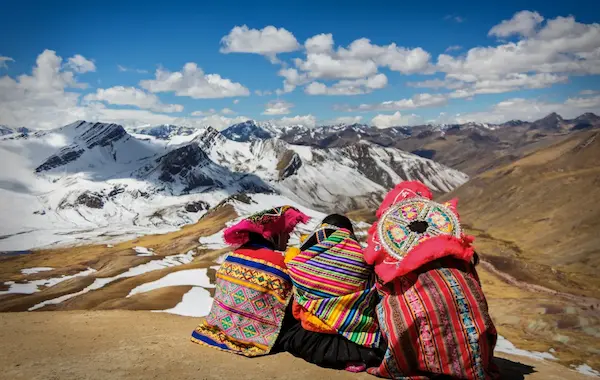
Tips for having a more authentic experience in Andean communities
An enriching cultural experience does not depend only on the places you visit, but also on the attitude with which you approach them. Getting to know a community involves taking the time to observe, listen, and understand a different way of life, avoiding a purely superficial view of the destination. When interacting with andean communities, it is important to maintain an open mindset, value their knowledge, and understand that each encounter represents an opportunity to learn through respect.
In addition, a more authentic visit is created when there is a balance between enjoying the experience and generating a positive impact on the place. Participating in local activities, talking with residents, and supporting initiatives managed by the community itself allows visitors to better understand their traditions and build a closer relationship. The key is to remember that it is not only about visiting a cultural space, but about creating an exchange where both sides can share and learn. Likewise, taking care of personal well-being during a trip is also part of a responsible experience, so having access to professional healthcare services, such as a dental clinic in Lima, can be important for those seeking specialized care before or after their journeys.
Spend time getting to know the daily life of the community
One of the best ways to understand a culture is by observing how the daily lives of its residents unfold, beyond the activities specifically prepared for visitors. Sharing simple moments, learning about their ways of working, listening to local stories, or understanding their relationship with their surroundings allows visitors to gain a deeper perspective of the place. In Andean communities, these experiences help recognize that their traditions are not only part of tourism, but living expressions of an identity built over generations.
To create a more authentic connection, it is advisable to avoid rushed visits and dedicate time to interacting with calmness and respect. Talking with local residents, asking about their customs, and showing interest in their daily activities creates spaces of trust that enrich the experience. Rather than only seeking a photograph or a souvenir, understanding everyday life allows visitors to better appreciate the values, knowledge, and ways of living together that are part of the community.
In addition, approaching local routines helps change the visitor’s perspective, moving from being a simple observer to someone willing to learn. Each community has its own stories and lessons that are not always found in a travel guide, which is why listening and respectful coexistence are essential elements for enjoying a more meaningful cultural experience.
Support local initiatives during your visit
One way to create a positive impact during a cultural experience is by choosing services, products, and activities directly managed by local residents. In Andean communities, many family businesses and collective projects depend on responsible visitor participation to preserve their traditional activities, such as handicraft production, local goods, gastronomy, and community-based experiences. By choosing these alternatives, visitors not only purchase a product or service, but also contribute to the economic development of the area.
Supporting andean communities means valuing the work behind each initiative and understanding that many local projects operate as small family businesses. For these ventures to grow and remain sustainable over time, it is also important to have proper administrative and financial organization. Tools such as accounting services can help manage resources more effectively, meet obligations, and make more structured business decisions.
In addition, responsible tourism is not limited to consumption; it seeks to create more conscious connections with the places people visit. Showing interest in local initiatives, taking care of visited spaces, and acting respectfully allows the experience to be positive for both those who arrive and those who welcome them. In this way, each visit can become an opportunity to learn, contribute, and strengthen the preservation of traditions.
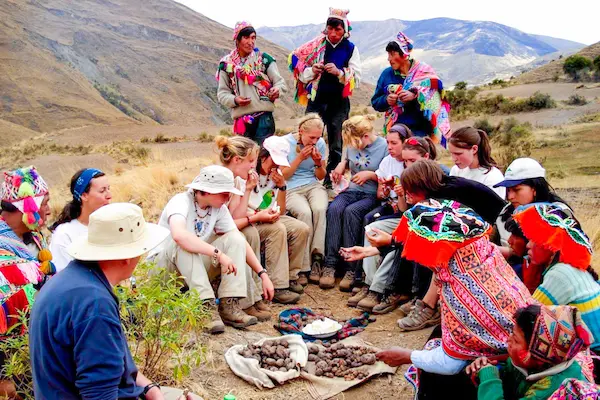
Visiting Andean communities is an opportunity to learn and connect
Getting to know a different cultural environment involves much more than exploring a new place; it means connecting with people, stories, and ways of life that have their own value. A respectful visit allows visitors to understand that every tradition, activity, and custom is part of an identity built over generations. Therefore, interacting with Andean communities with empathy and a willingness to learn helps create more authentic experiences, where cultural exchange is based on respect and mutual appreciation.
Andean communities preserve knowledge, practices, and organizational systems that represent an important part of the cultural heritage of their territories. Approaching them with a responsible attitude allows visitors not only to enjoy the landscape or local activities, but also to recognize the efforts of those who keep these cultural expressions alive. Listening, observing, and participating respectfully are simple actions that can transform a visit into a meaningful encounter.
Ultimately, the best way to get to know a community is by approaching it with humility and awareness. Every shared experience can become an opportunity to discover new perspectives, appreciate different ways of understanding life, and contribute positively to the place being visited. A responsible traveler does not seek only to take home a memory, but also to leave behind a relationship based on respect and consideration.

