
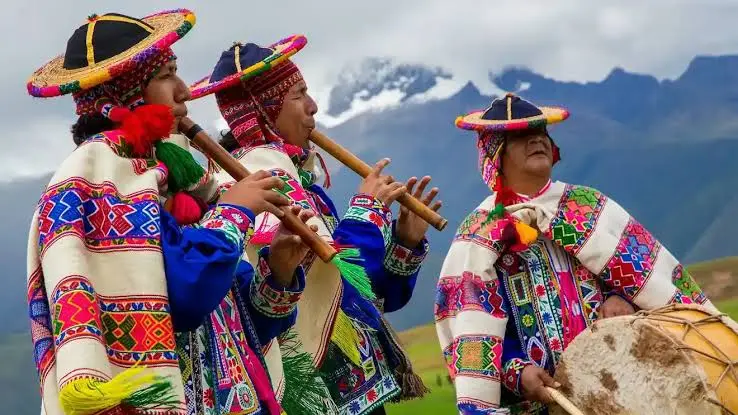
Peru is widely recognized for iconic destinations like Machu Picchu and the Sacred Valley, but its cultural richness extends far beyond its archaeological treasures. Across the country, ancient beliefs, traditional music, colorful festivals, legends, and customs continue to shape the daily lives of local communities, preserving a heritage that has been passed down for generations.
Understanding Peruvian folklore offers travelers a deeper appreciation of the country’s identity. It reflects the traditions of Indigenous civilizations, the influence of Spanish colonial history, and the unique customs that have evolved across the coast, highlands, and Amazon rainforest. Rather than existing only in museums or history books, these traditions remain an essential part of modern Peruvian culture.
Whether you are planning your first visit or returning to discover new regions, learning about Peru’s folklore can help you experience the country from a different perspective. Here are ten fascinating facts that reveal why Peruvian folklore continues to captivate visitors from around the world.
You may also like: Travel inspiration: How to plan a trip to Machu Picchu
What makes Peruvian folklore so unique?
Every country has traditions that define its cultural identity, but Peru stands out because of the remarkable diversity found within its borders. The country’s geography has allowed different civilizations to develop unique customs while maintaining strong connections with their ancestors.
Today, Peruvian folklore is the result of centuries of cultural exchange between Indigenous communities, the Inca civilization, Spanish colonial influences, and later immigrant populations. This combination has created traditions that vary from one region to another while sharing common values such as respect for nature, family, spirituality, and community.
Many folkloric expressions remain deeply connected to everyday life. Music accompanies celebrations, dances tell stories about historical events, handcrafted textiles preserve ancestral symbols, and local legends continue to be shared from one generation to the next.
Some of the elements that make Peruvian folklore so distinctive include:
- Oral traditions preserved for centuries.
- Regional dances and traditional music.
- Indigenous languages that remain widely spoken.
- Religious celebrations blended with ancient beliefs.
- Traditional clothing that reflects local identity.
- Legends inspired by mountains, rivers, forests, and sacred places.
Exploring these traditions allows visitors to understand Peru beyond its famous landmarks and discover the cultural heritage that continues to shape the country’s identity.
You may also like: Fishing in the amazon river of Perú
10 fascinating facts about Peruvian folklore
Peru’s folklore is far more than a collection of old customs. It represents a living cultural legacy that continues to evolve while preserving traditions inherited from ancient civilizations. Each region contributes unique stories, celebrations, artistic expressions, and beliefs that make the country one of the most culturally diverse destinations in South America.
1. Oral traditions have preserved ancient stories for centuries
Long before written records became common, stories were shared through spoken word. Elders passed legends, myths, historical events, and moral lessons to younger generations, ensuring that important cultural knowledge would survive over time.
This oral tradition remains one of the strongest foundations of Peruvian folklore, particularly in rural Andean and Amazonian communities where storytelling continues to play an important role in family and community life.
Many well-known legends, including tales about enchanted lakes, mountain spirits, hidden treasures, and mysterious creatures, have survived because they were carefully preserved through generations.
Some characteristics of Peru’s oral traditions include:
- Stories passed down within families.
- Legends connected to specific landscapes.
- Narratives that explain natural phenomena.
- Moral lessons embedded in traditional tales.
- Preservation of Indigenous worldviews.
2. Many legends are connected to the Andes
The Andes Mountains are not only spectacular landscapes but also one of the most important settings for traditional Peruvian legends. For centuries, local communities have believed that mountains, known as Apus, possess spiritual significance and protect the people living nearby.
Because many of these legendary locations are found at high elevations, travelers exploring the Andean region should also prepare for environmental conditions that may differ significantly from those at sea level. Learning more about altitude sickness in Cusco before visiting can help travelers understand how altitude affects the body and how to better prepare for their journey.
Within Peruvian folklore, the Andes are often portrayed as places where nature, spirituality, and history come together. Numerous legends describe sacred mountains, hidden civilizations, mysterious caves, and guardian spirits that continue to be respected by local communities today.
Some recurring themes found in Andean legends include:
- Sacred mountains protecting nearby villages.
- Hidden treasures linked to the Inca civilization.
- Lakes believed to possess spiritual powers.
- Respect for nature as a living force.
- Stories explaining the origin of natural landmarks.
3. Music is part of everyday life
Music has always been one of the most recognizable expressions of Peruvian culture. Across the country, traditional melodies accompany family gatherings, religious celebrations, agricultural activities, and community festivals. Although musical styles vary from region to region, they all reflect the history, identity, and values of the people who created them.
Today, Peruvian folklore continues to thrive through instruments such as the quena, zampoña, charango, cajón, and traditional drums. Many of these instruments have been used for centuries and remain an essential part of cultural celebrations throughout Peru.
Traditional music also serves as a way to preserve Indigenous languages, local stories, and ancestral customs, allowing younger generations to maintain a strong connection with their heritage.
Some of the most representative characteristics of Peruvian folk music include:
- Instruments made from natural materials.
- Songs inspired by everyday life and nature.
- Regional rhythms unique to each area of the country.
- Music that accompanies dances and ceremonies.
- Cultural influences from Indigenous, African, and Spanish traditions.
4. Traditional dances tell historical stories
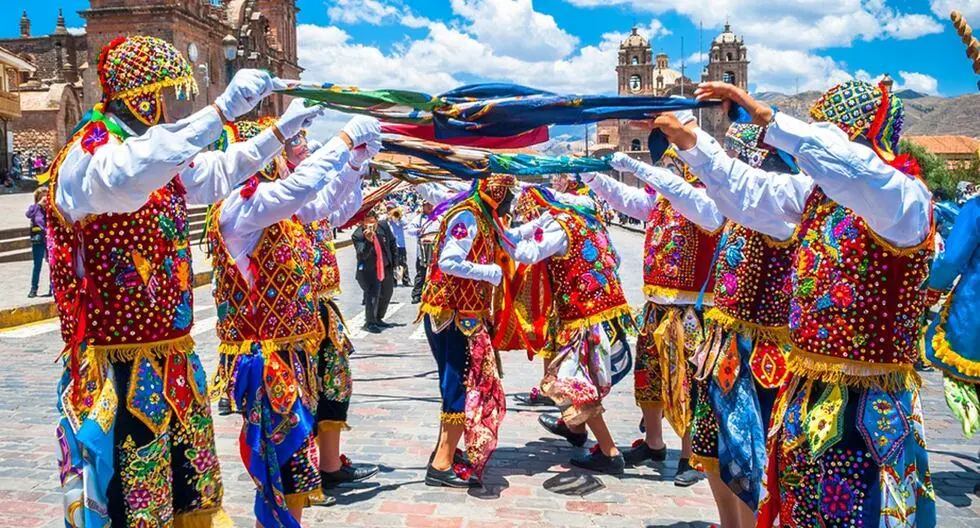
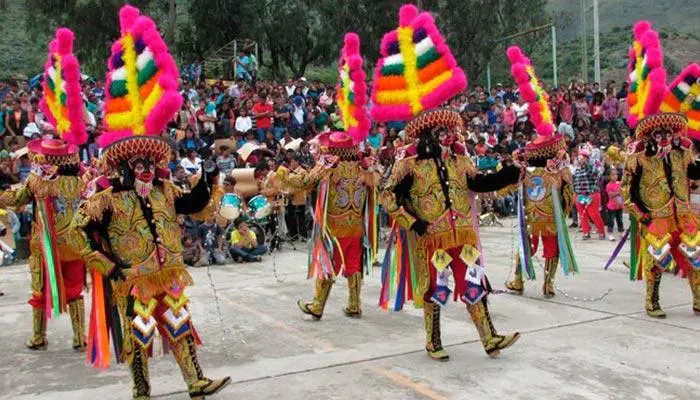
Dance is much more than entertainment in Peru. Many traditional performances narrate historical events, agricultural cycles, religious beliefs, and the relationship between local communities and nature. Costumes, choreography, and music work together to preserve centuries of cultural history.
One of the reasons Peruvian folklore remains so vibrant is that these dances continue to be performed during local celebrations, religious festivities, and national cultural events. Some have pre-Hispanic origins, while others combine Indigenous traditions with colonial influences.
Many dances symbolize themes such as gratitude for harvests, respect for ancestral spirits, or important moments in regional history. Watching these performances offers visitors an opportunity to better understand the cultural diversity found across Peru.
Among the most well-known elements of traditional dances are:
- Colorful handmade costumes.
- Symbolic masks and accessories.
- Live performances with traditional music.
- Stories representing local history.
- Strong participation from entire communities.
5. Festivals keep folklore alive
One of the best opportunities to experience living traditions is by attending local celebrations. Throughout the year, communities across Peru organize festivals that combine music, dance, gastronomy, religious ceremonies, and ancestral customs passed down for generations.
These events play an essential role in preserving Peruvian folklore, allowing both residents and visitors to experience traditions in their original cultural setting. While every region has its own unique celebrations, the capital also hosts numerous cultural events that showcase the country’s diversity. Travelers interested in seasonal celebrations can explore festivals in Lima, Peru to discover events that highlight Peruvian music, dance, gastronomy, and artistic traditions.
Participating respectfully in these festivities allows visitors to connect with local communities while gaining a deeper appreciation for Peru’s rich cultural heritage.
Some common features of Peruvian festivals include:
- Traditional dances performed by local groups.
- Religious processions blended with Indigenous customs.
- Regional cuisine prepared for special occasions.
- Handcrafted clothing and decorations.
- Music that reflects each community’s identity.
6. Textiles communicate identity
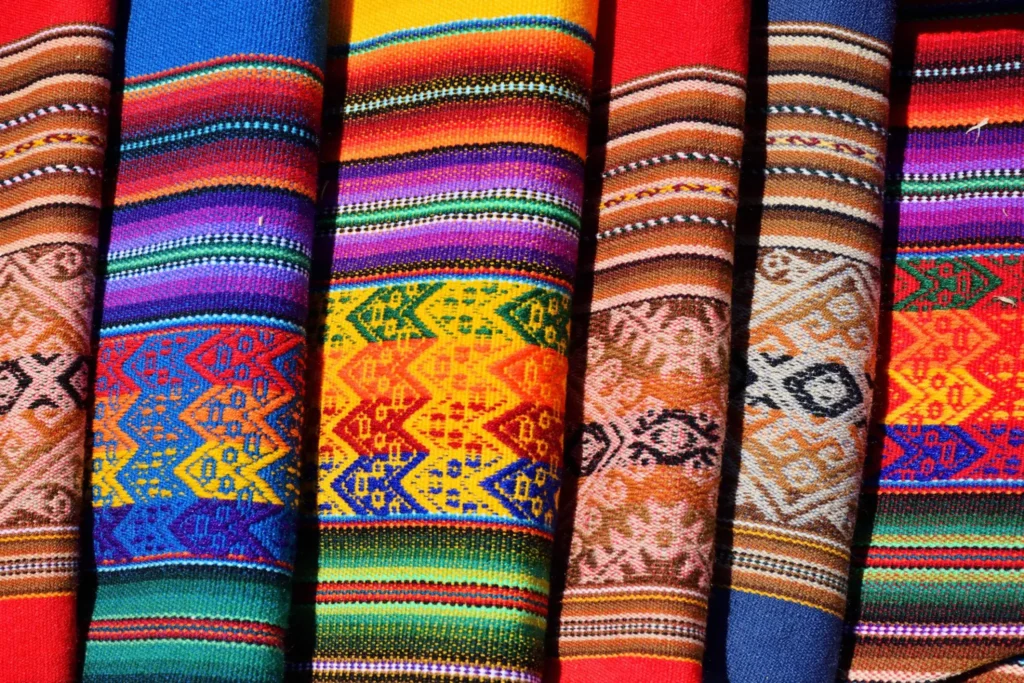
Traditional textiles are among the oldest artistic expressions preserved in Peru. For centuries, weaving techniques have been passed from one generation to another, allowing communities to maintain patterns, symbols, and colors that represent their history and identity.
Within Peruvian folklore, textiles are more than decorative objects. Every design can communicate information about a person’s community, family traditions, or cultural heritage. In many Andean villages, weaving remains an important economic activity as well as a way of preserving ancestral knowledge.
Natural fibers such as alpaca and sheep wool are commonly used to create garments, blankets, bags, and ceremonial textiles. Many artisans continue to use natural dyes obtained from plants, insects, and minerals, following techniques that have existed since pre-Columbian times.
Visitors who purchase handmade textiles directly from local artisans not only acquire meaningful souvenirs but also help preserve traditional craftsmanship that continues to play an important role in Peru’s cultural identity.
7. Nature has a spiritual meaning
For many Indigenous communities, nature is much more than the environment in which they live. Mountains, rivers, forests, lakes, and even certain rocks are believed to possess spiritual significance and deserve respect. These beliefs have been preserved for centuries and continue to influence traditions in different regions of the country.
One of the central elements of Peruvian folklore is the relationship between people and the natural world. Concepts such as Pachamama (Mother Earth) and the Apus (sacred mountain spirits) remain important in Andean culture, where ceremonies of gratitude are still performed before planting crops, beginning important journeys, or celebrating community events.
These traditions remind visitors that many cultural practices in Peru are closely connected to respect for the land and the balance between humans and nature.
Some examples of these beliefs include:
- Ceremonies honoring Pachamama.
- Offerings made to sacred mountains.
- Respect for lakes and rivers considered spiritual places.
- Agricultural rituals linked to seasonal changes.
- Community celebrations centered on gratitude for nature.
8. Every region has unique traditions
Peru’s geographical diversity has given rise to a remarkable variety of customs and cultural expressions. While some traditions are shared across the country, others are unique to specific regions, making every destination a different cultural experience.
The richness of Peruvian folklore can be appreciated through the customs of the coast, the Andes, and the Amazon. Coastal communities often celebrate traditions influenced by Afro-Peruvian and Spanish heritage, the highlands preserve many Indigenous ceremonies and ancestral practices, while the Amazon is home to communities with distinct languages, music, and spiritual beliefs.
This regional diversity is one of the reasons travelers often discover something new each time they visit a different part of Peru.
Among the cultural differences found across the country are:
- Regional music and dance styles.
- Distinct traditional clothing.
- Local legends and myths.
- Unique culinary customs.
- Different Indigenous languages and dialects.
9. Indigenous languages help preserve folklore
Language plays a vital role in protecting cultural heritage. Many traditional stories, songs, ceremonies, and expressions have been preserved because Indigenous communities continue to speak their ancestral languages.
Today, Peruvian folklore remains closely connected to languages such as Quechua, Aymara, and many Amazonian languages that continue to be spoken throughout the country. These languages contain concepts, beliefs, and cultural knowledge that often cannot be translated exactly into Spanish or English.
Supporting language preservation also helps protect oral traditions that have survived for centuries, allowing future generations to continue sharing the stories that define Peru’s cultural identity.
Some ways Indigenous languages contribute to folklore include:
- Preserving ancient legends.
- Maintaining traditional songs.
- Passing down ceremonial practices.
- Protecting ancestral knowledge.
- Strengthening cultural identity within local communities.
10. Travelers can experience folklore respectfully
Learning about local traditions is one of the most rewarding aspects of visiting Peru. However, experiencing cultural heritage responsibly also requires respect for local communities, customs, and sacred places.
Exploring Peruvian folklore becomes even more meaningful when travelers choose experiences that support local artisans, community tourism initiatives, and cultural preservation projects. Working with a reliable Peru Tour Operator can also help visitors discover authentic cultural experiences while respecting local traditions and contributing to sustainable tourism.
Whether visiting an Andean village, attending a traditional festival, or learning about ancient weaving techniques, responsible travel allows visitors to appreciate Peru’s living heritage while helping protect it for future generations.
Some recommendations for respectful cultural tourism include:
- Support local artisans and family-owned businesses.
- Follow community guidelines during cultural events.
- Ask permission before photographing people.
- Respect sacred sites and ceremonial spaces.
- Learn about local customs before visiting Indigenous communities.
You may also like: Travel inspiration: How to plan a trip to Machu Picchu
How folklore shapes modern Peruvian culture
Although many traditions have ancient origins, they continue to influence everyday life across Peru. Music, dance, art, gastronomy, language, and religious celebrations all reflect the cultural legacy passed down through generations. As a result, Peruvian folklore is not simply a reminder of the past but an active part of the country’s present identity.
Modern artists, musicians, designers, and cultural organizations continue to draw inspiration from traditional practices while adapting them to contemporary audiences. Festivals, museums, community events, and educational programs all contribute to preserving these traditions and introducing them to new generations.
For travelers, understanding this connection between history and modern life offers a richer perspective on Peru, allowing every destination to become more than just a sightseeing experience.
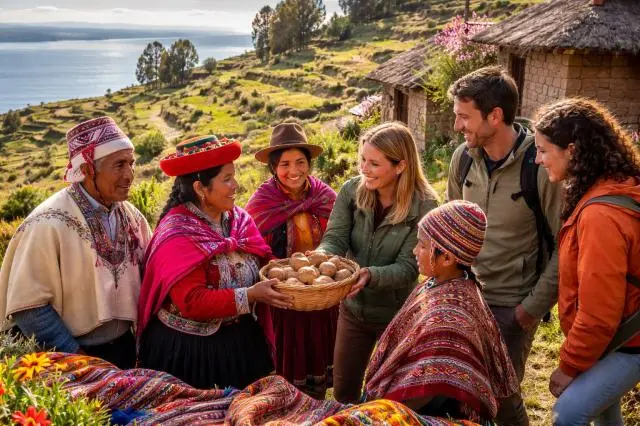
Tips for experiencing Peruvian folklore respectfully
Every cultural experience becomes more meaningful when approached with curiosity and respect. Visitors who take the time to understand local customs often enjoy deeper connections with the people and communities they encounter throughout their journey.
To fully appreciate Peruvian folklore, consider these practical recommendations:
- Learn about local traditions before your visit.
- Participate in cultural activities with respect.
- Support artisans by purchasing authentic handmade products.
- Attend community events responsibly.
- Respect photography guidelines during ceremonies.
- Protect archaeological and natural sites.
- Be open to learning from local guides and residents.
Traveling with cultural awareness not only enriches your own experience but also helps preserve Peru’s extraordinary heritage for future generations.
Also you can be interest in: History of Sacsayhuamán for first time visitors
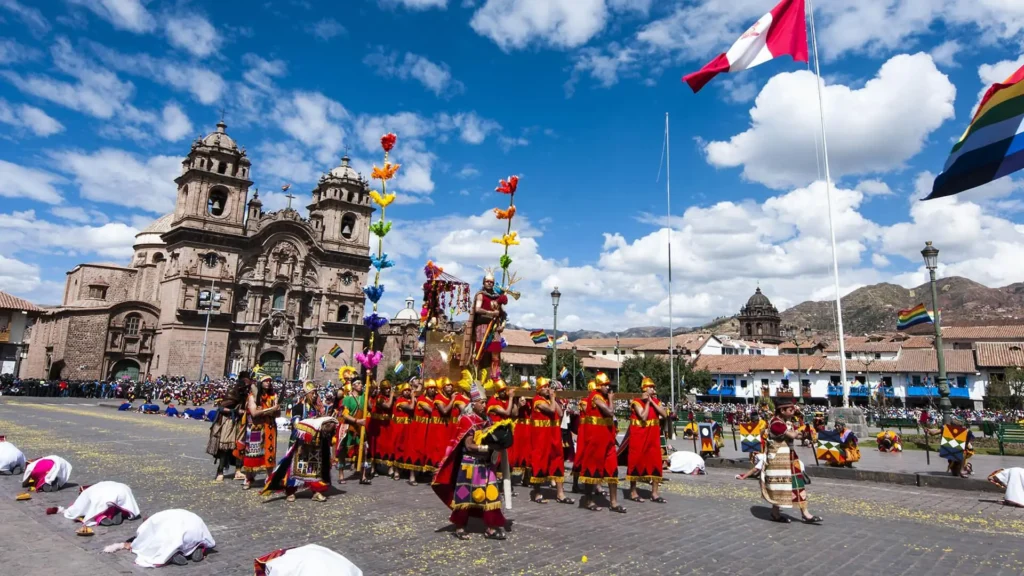
Discover Peru through its living traditions
Exploring Peru means much more than visiting famous landmarks. Behind every mountain, village, celebration, and handcrafted textile lies a story that reflects centuries of history, resilience, and cultural diversity.
Understanding Peruvian folklore allows travelers to connect with the traditions that continue to shape communities across the country. From ancient legends shared in the Andes to colorful festivals, traditional music, and ancestral ceremonies, these living expressions offer a deeper appreciation of Peru’s remarkable cultural identity.
Whether you are planning your first adventure or returning to discover new regions, taking time to experience Peru’s folklore will transform your journey into an opportunity to learn, connect, and better understand one of South America’s richest cultural landscapes.

