
The Andes are one of the most biodiverse mountain ranges in the world, stretching across seven South American countries and providing a habitat for thousands of unique plant species. These native plants have supported Andean civilizations for centuries by providing food, medicine, textiles, and materials for daily life. Long before modern science recognized their value, Indigenous communities understood how to cultivate and use these resources sustainably while maintaining a deep spiritual connection with nature.
Today, native plants remain an essential part of Andean culture and attract travelers interested in experiencing Peru beyond its famous archaeological sites. Exploring the country’s mountains, valleys, and cloud forests allows visitors to discover remarkable ecosystems where ancient traditions continue to thrive. Many travelers choose a Quechuas Expeditions to experience these landscapes responsibly, learning not only about the history of the Incas but also about the native flora that has shaped Andean life for generations.
You might be interested in: 10 datos fascinantes sobre el folclore peruano que todo viajero debería conocer.
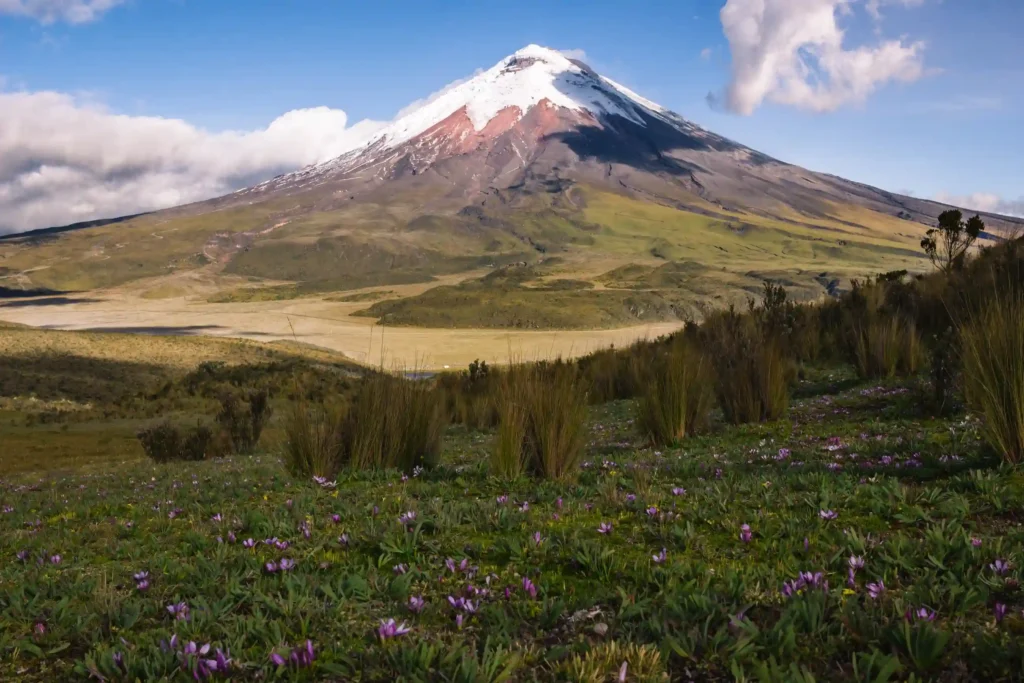
The biodiversity of native plants in the Andean region
The Andes are considered one of the world’s biodiversity hotspots, containing thousands of endemic plant species found nowhere else on Earth. Peru alone is home to more than 19,000 plant species, many of which grow in mountainous ecosystems ranging from cloud forests to puna grasslands. Among the most recognizable native plants are ichu grass, queuña trees (Polylepis), kantuta flowers, muña, maca, oca, and tarwi. Each species has evolved to perform specific ecological functions while supporting local communities through food production, medicine, and traditional crafts. The remarkable diversity of climates within the Andes creates unique habitats where different plant species flourish. Lower valleys support fruit-bearing plants and medicinal herbs, while higher elevations are dominated by shrubs and grasses capable of withstanding freezing temperatures.
You might be interested in: ¿Es caro visitar Perú? Consejos para viajar de forma inteligente en 2026
Traditional Uses of Native Plants in the Andes
Native plants have shaped the daily lives of Andean communities for thousands of years. Their uses extend far beyond food production, providing natural remedies, nutritional value, construction materials, and ceremonial elements that continue to play an important role in local traditions. Many of these practices have been preserved through generations, demonstrating the deep relationship between people and the environment. Today, both researchers and travelers recognize the value of these ancestral traditions as part of Peru’s rich cultural heritage. Visiting local markets, farming communities, and mountain villages offers an opportunity to learn how native plants remain essential to everyday life in the Andes.
Medicinal native plants used for generations
Traditional Andean medicine relies heavily on native plants that have been used for centuries to treat common ailments and improve overall well-being. Although modern medicine has advanced significantly, many rural communities continue to complement healthcare with herbal remedies passed down through generations.
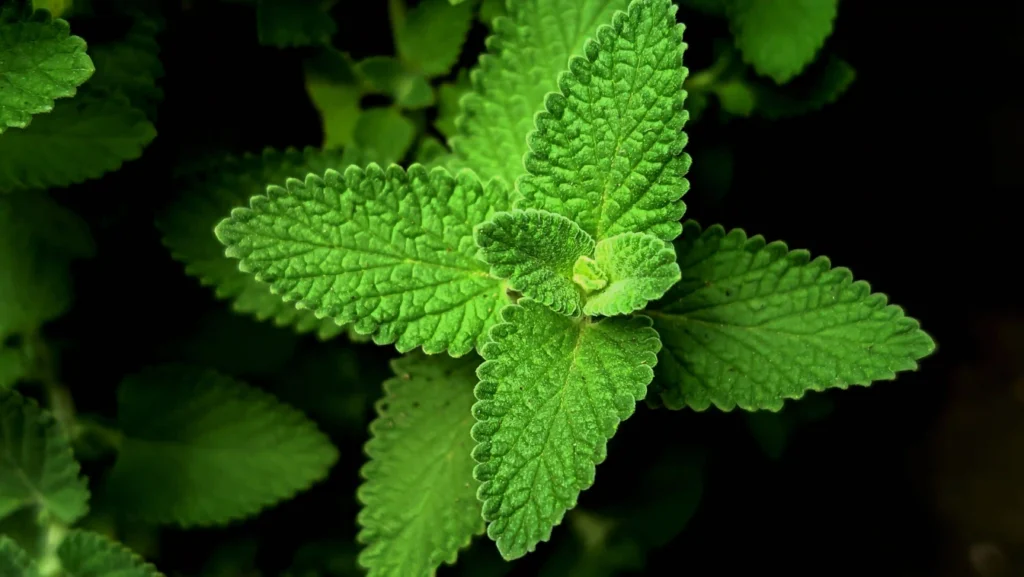
One of the best-known medicinal plants is muña (Minthostachys mollis), an aromatic herb traditionally consumed as tea to relieve digestive discomfort and altitude sickness. Travelers visiting high-altitude destinations often encounter this refreshing infusion, especially after long hikes through the mountains.Those planning an inca trail 2027 adventure often enjoy muña tea as a natural way to acclimatize to the altitude while experiencing the breathtaking landscapes of the Peruvian Andes.
Another important species is maca (Lepidium meyenii), cultivated in the high Andes for over two thousand years. Rich in nutrients, maca has traditionally been valued for supporting energy levels and physical endurance. Likewise, herbs such as matico, chachacoma, and wira wira continue to be used in traditional medicine for respiratory conditions, inflammation, and general wellness.The continued use of these plants reflects the extensive botanical knowledge developed by Indigenous communities, who carefully observed the natural properties of local species over centuries.
Native plants in traditional Andean cuisine
Native plants also form the foundation of Andean gastronomy. Long before the arrival of Europeans, civilizations cultivated an extraordinary variety of crops that remain central to Peruvian cuisine today. Potatoes alone include thousands of native varieties adapted to different climates and elevations. Other traditional crops such as quinoa, oca, mashua, tarwi, and cañihua provide essential nutrients while preserving agricultural biodiversity. Many local recipes continue to feature aromatic herbs collected from surrounding mountains, giving traditional dishes their distinctive flavors. These ingredients reflect the close relationship between agriculture, biodiversity, and cultural identity.
Ceremonial and spiritual uses of native plants
Native plants have always held profound spiritual significance within Andean culture. Flowers, herbs, and sacred leaves are frequently incorporated into ceremonies that express gratitude toward nature and seek harmony between humans and the environment. Perhaps the most symbolic example is the coca leaf, which has been revered in the Andes for thousands of years. Traditionally offered during ceremonies honoring Pachamama, coca leaves also accompany important community gatherings and agricultural rituals. Flowers such as the kantuta, Peru’s national flower, are equally associated with cultural identity and historical symbolism. Their vibrant colors often decorate festivals, celebrations, and religious events throughout the Andean region.
You might be interested in: Guía gastronómica peruana: platos que todo viajero debe probar
The Future of Native Plants in the Andes
The future of native plants depends on a combination of conservation efforts, scientific research, sustainable tourism, and the preservation of Indigenous knowledge. Although many native species continue to thrive across the Andes, increasing environmental pressures such as climate change, habitat loss, and unsustainable land use present significant challenges. Protecting these plants is essential not only for biodiversity but also for maintaining the cultural traditions and livelihoods of Andean communities. Governments, universities, conservation organizations, and local populations are increasingly working together to restore degraded ecosystems, promote sustainable agriculture, and raise awareness about the ecological importance of native flora. These collaborative initiatives demonstrate that protecting nature and supporting local development can go hand in hand.
Climate change and its impact on native plant species
Climate change is altering ecosystems throughout the Andes. Rising temperatures, irregular rainfall patterns, glacier retreat, and prolonged droughts are affecting the distribution and survival of many native plant species. Some high-altitude plants are particularly vulnerable because they have evolved to survive under very specific environmental conditions. These environmental changes can also be observed along popular trekking routes, including salkantay hikes, where travelers witness firsthand the diversity of native vegetation and the importance of protecting these fragile mountain ecosystems. As temperatures increase, certain species are forced to migrate to higher elevations in search of suitable habitats. However, mountain ecosystems offer limited space, making adaptation increasingly difficult for many endemic plants. Changes in flowering seasons also affect pollinators such as hummingbirds, butterflies, and native bees, disrupting ecological relationships that have existed for centuries. Researchers are studying these changes to better understand how native vegetation responds to environmental stress. Their findings are helping conservation programs develop strategies to protect vulnerable ecosystems while encouraging sustainable land management practices that benefit both nature and local communities.
Preserving traditional knowledge for future generations
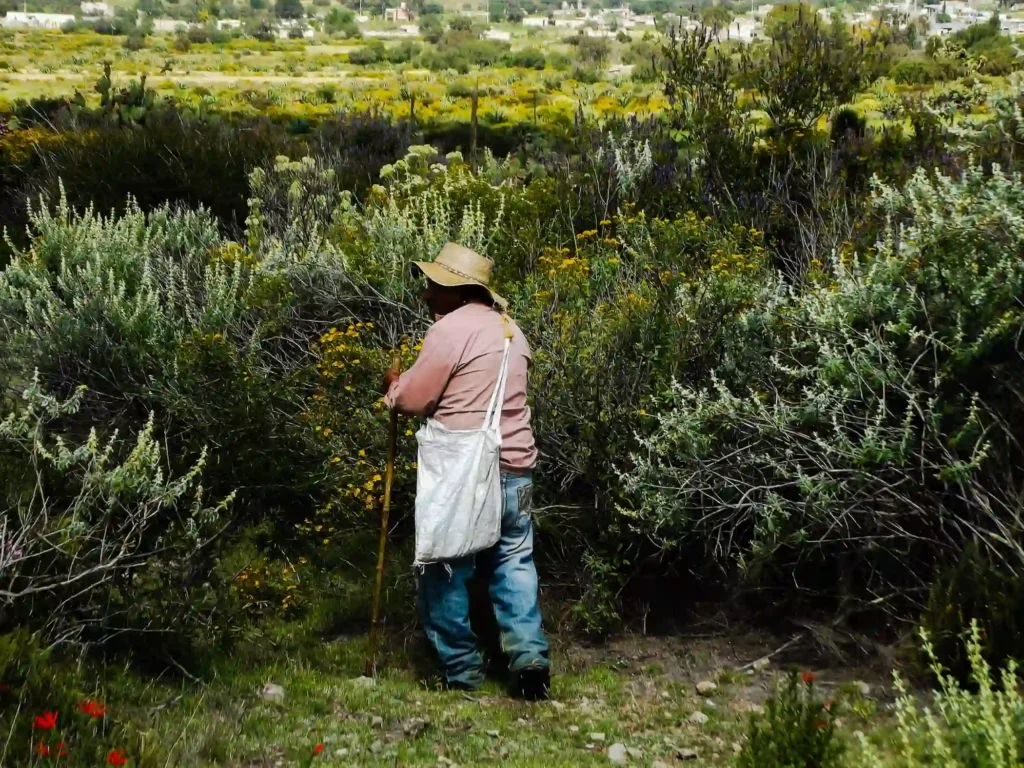
For centuries, Indigenous communities have safeguarded valuable knowledge about native plants, including their medicinal properties, agricultural uses, and ecological importance. This wisdom has been transmitted orally from one generation to another and remains an essential part of Andean cultural identity. Today, educational initiatives, community-led conservation projects, and ethnobotanical research play an important role in documenting and preserving this knowledge before it is lost. Local schools, cultural organizations, and environmental programs increasingly involve young people in activities that promote respect for traditional practices while integrating modern scientific understanding. Community gardens, seed banks, and sustainable farming projects are also helping preserve native crops and medicinal species that have supported Andean societies for thousands of years. These initiatives strengthen food security while encouraging younger generations to value their cultural heritage.
The remarkable diversity of native plants reflects the extraordinary natural and cultural wealth of the Andes. From medicinal herbs and nutritious crops to sacred ceremonial species, these plants have supported Andean civilizations for thousands of years while maintaining the ecological balance of one of the world’s most unique mountain ecosystems. Today, they remain indispensable for biodiversity conservation, sustainable agriculture, traditional medicine, and cultural identity. At the same time, responsible tourism provides valuable opportunities for travelers to appreciate this heritage while contributing to its protection. As environmental challenges continue to grow, preserving native plants requires collaboration between local communities, scientists, conservation organizations, and visitors. By respecting fragile ecosystems and supporting sustainable initiatives, everyone can help ensure that these remarkable species continue to thrive for generations to come. The story of the Andes is inseparable from its native plants, whose legacy continues to connect nature, culture, and history across one of the most fascinating regions on Earth.

