
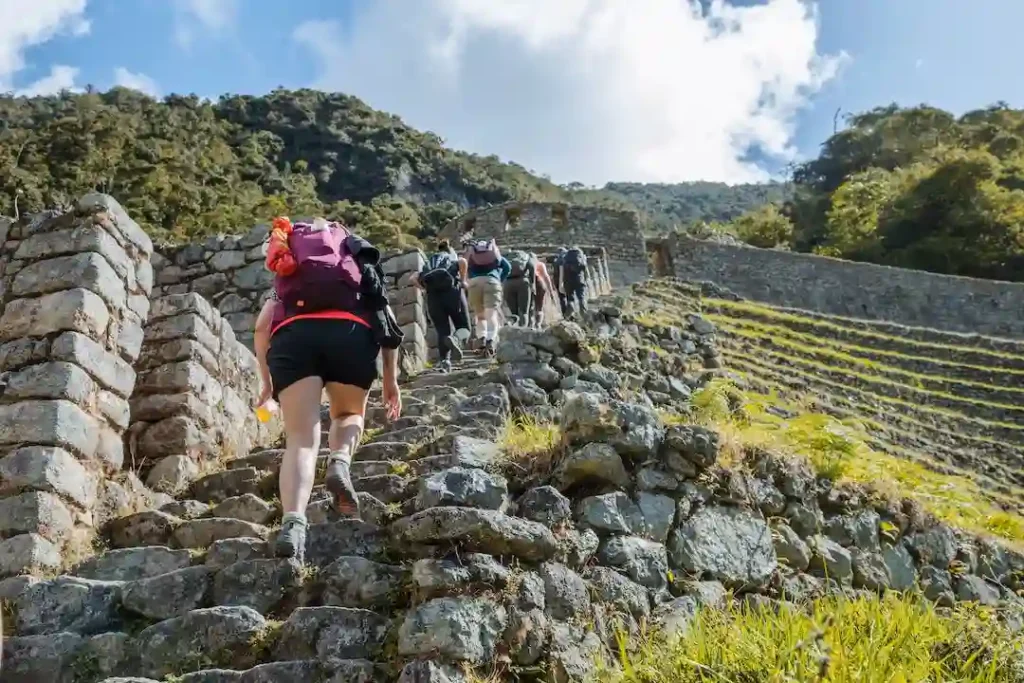
If you are planning a trip to Peru, one of the first questions you may ask is: what is the inca trail? This legendary trekking route is considered one of the most iconic hikes in the world, attracting thousands of travelers every year. More than just a trail, it is a journey through history, culture, breathtaking landscapes and ancient Inca engineering.
Understanding what is the inca trail helps travelers prepare physically and mentally for an unforgettable experience. The route combines archaeological sites, mountain scenery, cloud forests and the incredible reward of arriving at Machu Picchu through the famous Sun Gate.
Many people wonder if the hike is too difficult, whether beginners can complete it or what makes it so special compared to other treks in Peru. In this guide, you will discover everything you need to know about what is the inca trail, including its history, difficulty level, preparation tips and why it remains one of the greatest adventures in South America.
What Is the Inca Trail and Why Is It So Famous?
To fully understand what is the inca trail, it is important to know that it is an ancient network of paths created by the Inca civilization centuries ago. Today, the term commonly refers to the famous four-day trek leading to Machu Picchu.
The route crosses the Andes Mountains, passing through valleys, cloud forests and archaeological ruins before reaching the ancient citadel. What makes this experience unique is that hikers arrive directly through Inti Punku, also known as the Sun Gate, which offers the first panoramic view of Machu Picchu.
One reason why travelers constantly search for what is the inca trail is because the experience is much more than a hike. It combines physical challenge, history, spirituality and natural beauty in one journey.
When discussing what was the inca trail, historians explain that it originally formed part of the extensive Qhapaq Ñan road system used by the Incas for communication, trade and military movement across South America.
Today, the Inca Trail tours remains famous because of its exclusivity, cultural importance and emotional impact. Only a limited number of permits are issued each day, making it one of the most desired trekking experiences in the world.
This also answers a common question: What is so special about the Inca Trail? The answer lies in its combination of history, scenery, adventure and the unforgettable arrival at Machu Picchu.
You might be interested in: Go Treks Peru your best tour operator in Cusco 2026
The History Behind the Inca Trail
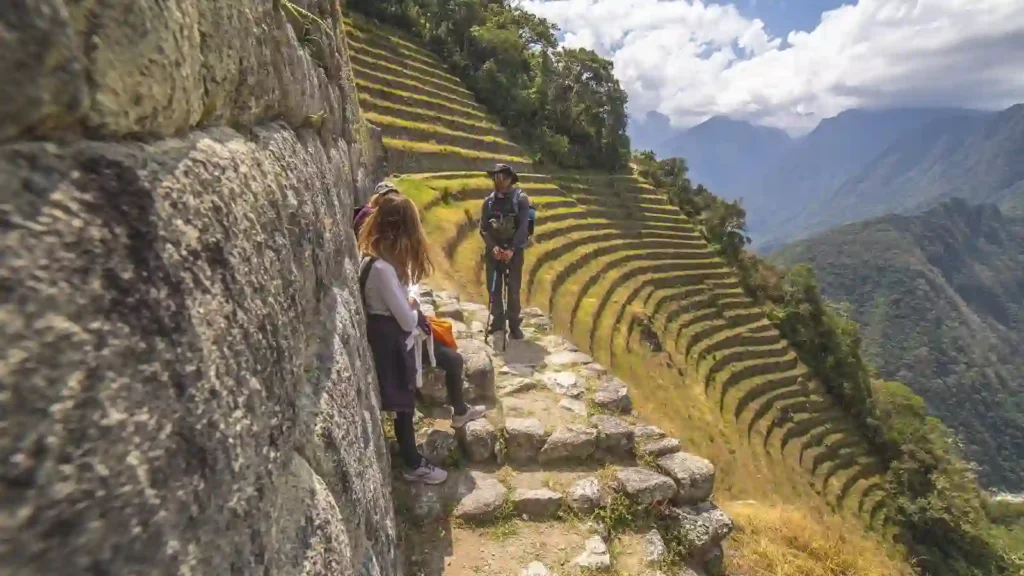
Learning about the history behind what is the inca trail adds a deeper meaning to the experience. The trail dates back to the 15th century during the height of the Inca Empire.
The Incas built an enormous road network connecting different regions of their empire, which stretched across modern Peru, Ecuador, Bolivia, Chile and Argentina. These roads were designed with impressive engineering techniques adapted to mountainous terrain.
When people ask what was the inca trail, they are often referring to the original purpose of these ancient pathways. The routes allowed messengers, soldiers and officials to travel efficiently through the empire.
The section now known as the Inca Trail likely had ceremonial and religious importance as well. Some historians believe it was used as a pilgrimage route leading toward Machu Picchu, which may have served as a sacred royal retreat.
Spanish conquistadors never fully discovered or destroyed Machu Picchu, which helped preserve both the city and parts of the trail system for centuries.
Today, understanding what is the inca trail means recognizing it as both a historical treasure and a living connection to the Inca civilization.
What Makes the Inca Trail Special?
There are many hiking routes in the world, but few compare to the emotional and cultural impact of the Inca Trail. Understanding what is the inca trail also means understanding why travelers describe it as life-changing.
1. Ancient archaeological sites
One of the most impressive aspects of the trail is the number of archaeological ruins found along the route. Sites such as Wiñay Wayna and Sayacmarca provide a direct connection to Inca history.
These ruins are only accessible through the trek itself, making the journey even more unique.
2. Stunning mountain landscapes
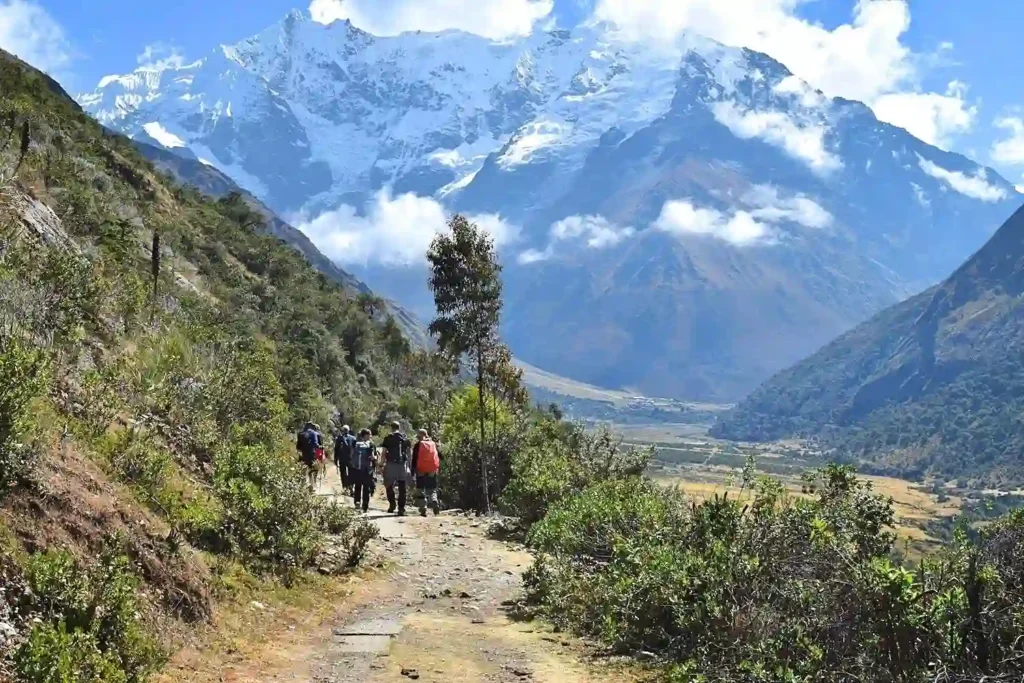
The scenery constantly changes throughout the hike. Travelers pass through mountain passes, forests, valleys and cloud-covered landscapes.
The diversity of environments is one reason why so many people search for what is the inca trail before visiting Peru.
3. The experience of reaching Machu Picchu through the Sun Gate
Arriving at Machu Picchu through Inti Punku is considered one of the greatest moments in adventure travel.
After several days of hiking, seeing the ancient citadel appear through the mountains creates an unforgettable emotional experience.
4. Cultural and spiritual connection
Many travelers describe the trail as spiritually meaningful. Walking the same paths once used by the Incas creates a strong sense of connection with history and nature.
5. Limited permits and exclusivity
Another factor that makes the trail special is its limited availability. Only a restricted number of hikers are allowed each day to protect the environment and archaeological sites.
This exclusivity increases the appeal of the experience and contributes to the global fascination with what is the inca trail.
How Hard Is the Inca Trail? What Beginners Should Expect
One of the most common questions people ask after learning what is the inca trail is about difficulty.
So, how hard is the Inca Trail?
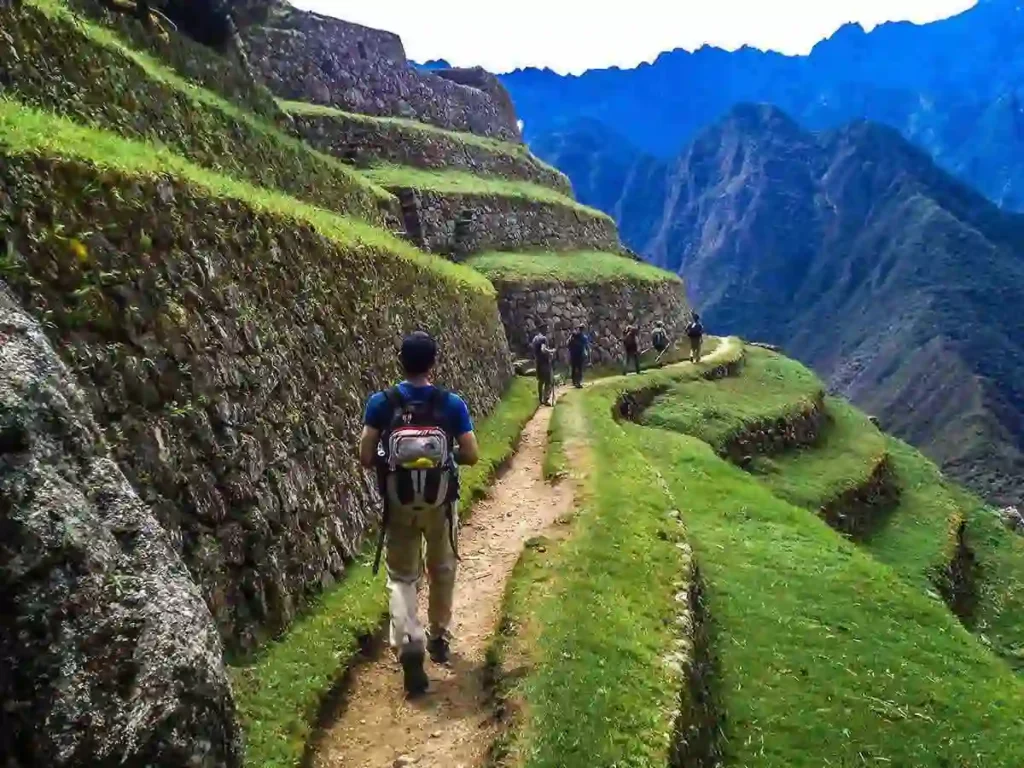
The answer depends on your physical condition, altitude adaptation and hiking experience. The classic route covers approximately 42 kilometers over four days and includes steep ascents and descents.
The most difficult section is usually Dead Woman’s Pass, which reaches an altitude of over 4,200 meters above sea level.
This also explains why many travelers ask: is the Inca Trail hard?
Yes, it can be physically demanding, especially because of the altitude. Even experienced hikers may feel shortness of breath or fatigue.
However, beginners can absolutely complete the trek with proper preparation.
Can a beginner do the Inca Trail?
Yes. Many first-time trekkers successfully complete the route every year. The key is preparing in advance with regular walking, cardio exercises and time to acclimatize in Cusco before the trek begins.
Understanding what is the inca trail also means recognizing that the challenge is part of what makes the experience rewarding.
The combination of physical effort and emotional achievement is one reason why hikers often describe the trail as transformative.
You might be interested in: Peruvian Tourist Attractions Guide 2026
Essential Tips Before Hiking the Inca Trail
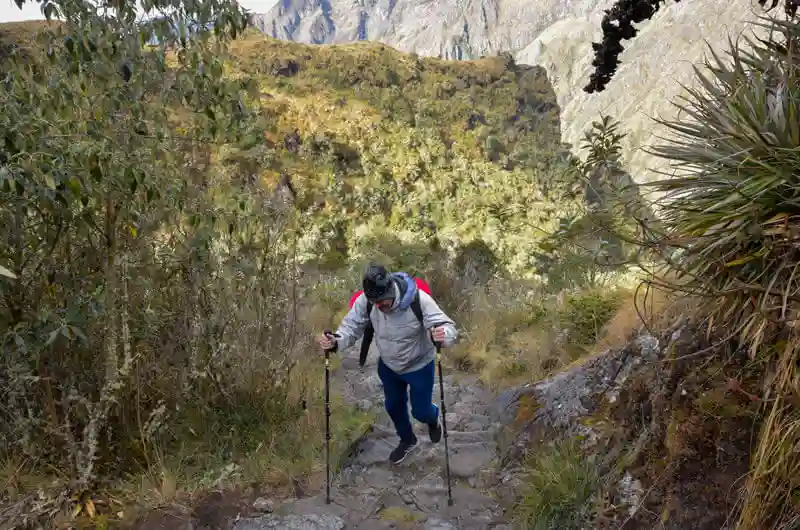
Preparing properly is essential if you want to fully enjoy the experience of what is the inca trail.
How to acclimatize in Cusco
Altitude sickness can affect anyone, regardless of fitness level. Spending at least two or three days in Cusco before the trek helps your body adapt.
Drinking water, avoiding alcohol and resting properly are important during acclimatization.
What to pack for the trek
Packing correctly can make a huge difference during the hike. Essential items include hiking boots, layered clothing, sunscreen, rain protection and a reusable water bottle.
Travelers researching what is the inca trail often underestimate how quickly weather conditions can change in the Andes.
What not to wear in Cusco
A common mistake is wearing heavy or inappropriate clothing. Avoid uncomfortable shoes, excessive cotton clothing and items that do not dry quickly.
Understanding what not to wear in Cusco is important because temperatures can vary significantly throughout the day.
Mental preparation for the hike
The Inca Trail is not only physically demanding but also mentally challenging. Staying positive and pacing yourself are essential for enjoying the journey.
Choosing the right tour operator
Since independent hiking is not allowed, selecting a reliable operator is crucial. Good companies provide experienced guides, proper logistics and support throughout the trek.
Researching operators carefully is an important part of preparing for what is the inca trail.
What Is the Scariest Part of the Inca Trail?
When researching what is the inca trail, many travelers wonder about the scariest part of the experience.
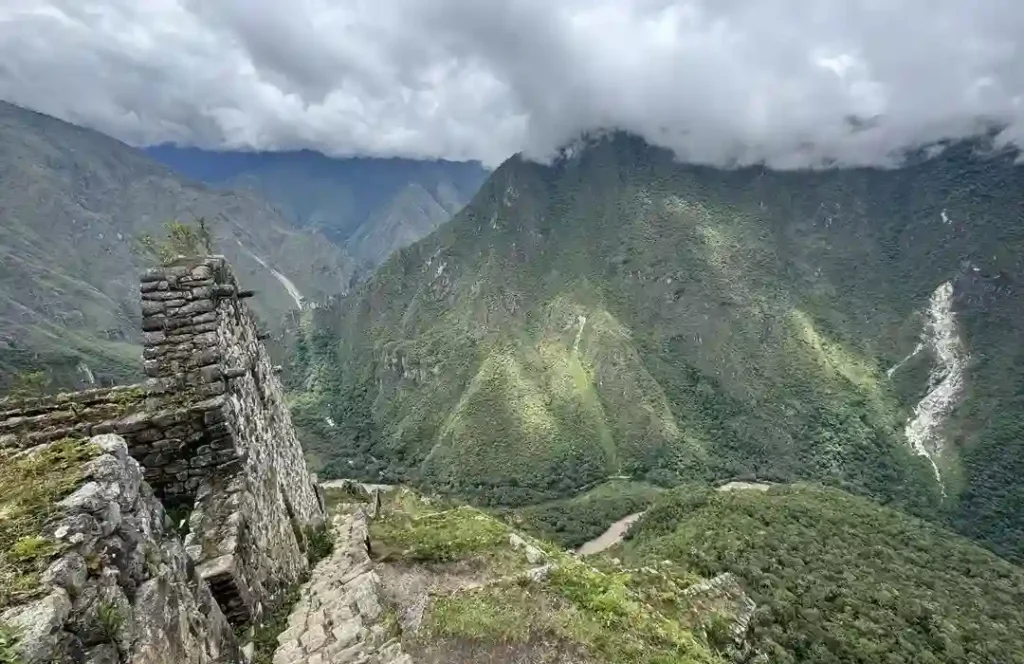
For most hikers, the most intimidating section is Dead Woman’s Pass. The steep ascent, high altitude and physical exhaustion make it the toughest moment of the trek.
Despite its name, the pass is not dangerous for properly prepared hikers. However, the altitude can make breathing more difficult and increase fatigue.
Weather conditions can also create challenges. Rain, cold temperatures and slippery paths sometimes add to the difficulty.
Another fear some travelers experience is hiking near steep mountain edges. While the trail is generally safe, certain sections may feel intimidating for people afraid of heights.
Still, many hikers say the fear disappears once they focus on the beauty of the surroundings and the support of the group.
Understanding what is the inca trail means accepting that moments of discomfort are part of the adventure. In many ways, overcoming these challenges is what makes the experience unforgettable.
Final Thoughts: Is the Inca Trail Worth It?
After learning what is the inca trail, many travelers realize that this journey is much more than a hike. It is an experience that combines history, adventure, culture and personal achievement.
The physical challenge, the breathtaking scenery and the emotional arrival at Machu Picchu day tours create memories that last a lifetime.
Whether you are an experienced hiker or a beginner looking for a meaningful adventure, the Inca Trail offers something unique that few destinations in the world can match.
For those still wondering what is the inca trail, the best answer may be this: it is one of the most extraordinary journeys a traveler can experience in Peru.

