
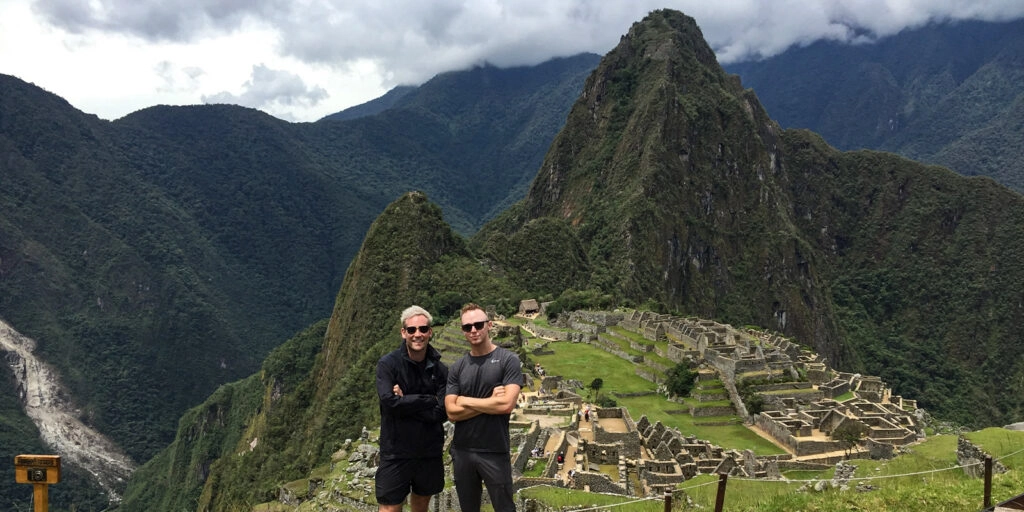
Cusco is often described through its landmarks, but in practice it works more like a connected system where movement, timing and access shape the real experience. What is usually referred to as sightseeing Cusco is not just about visiting places, but about understanding how the city, nearby valleys and higher altitude areas interact throughout the day. Conditions change depending on time, weather and distance, which means the experience is constantly adjusted rather than followed step by step.
Sightseeing Cusco is better understood as a flow rather than a list of points. Sightseeing Cusco changes depending on how people move through the city and how much time is available at each stage of the day.Cusco is often described through its landmarks, but in practice it works more like a connected system where movement, timing and access shape the real experience. What is usually referred to as sightseeing Cusco is not just about visiting places, but about understanding how the city, nearby valleys and higher altitude areas interact throughout the day. Conditions change depending on time, weather and distance, which means the experience is constantly adjusted rather than followed step by step.
How the city feels during a normal day
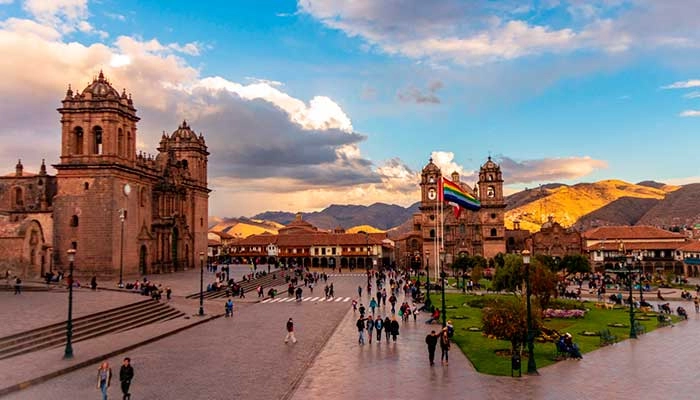
Daily movement inside Cusco’s historic center is shaped by short distances and high concentration of activity. Most locations are walkable, which creates a natural flow between streets, plazas and nearby points of interest. In sightseeing Cusco, this walkable structure defines how people experience the center.
However, sightseeing Cusco also changes depending on the hour. Morning hours tend to feel more open, while later parts of the day bring more congestion in key areas.
What changes when moving beyond the center
Once outside the urban core, sightseeing Cusco becomes more distributed. Distances increase and travel time becomes a more relevant part of the experience. Instead of walking between close points, transport starts to define the rhythm of the day.
A clear example of this structure can be seen in the Sacred Valley day tour, where several cultural and archaeological areas are connected through a single route. This route is not experienced as isolated stops but as a continuous flow between locations, where the sequence of visits and the time spent in each area directly affects how the entire day unfolds. Sightseeing Cusco in this context depends heavily on how efficiently movement is organized between dispersed sites.
In many cases, sacred Valley day tour becomes part of how sightseeing Cusco is structured across a full day of movement, especially when combining cultural visits with landscape transitions that require coordination between transport timing and site accessibility.
How altitude affects the experience
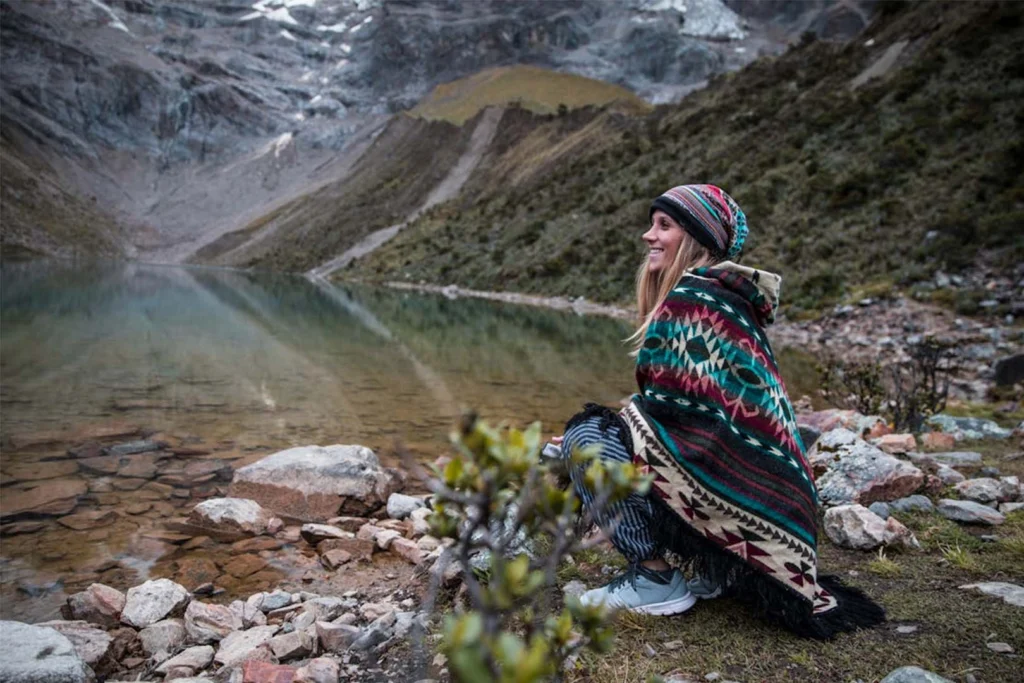
As elevation increases, sightseeing Cusco becomes more influenced by environmental conditions. Temperature changes, thinner air and weather variability all affect how long people stay in certain areas and how routes are planned.
In higher zones such as those reached during Humantay Lake 1 day, early departures are often necessary. This is because weather conditions can shift quickly during the day, and road access can become more limited depending on visibility and terrain conditions. These factors directly shape how sightseeing Cusco is organized in high altitude environments.
A good example of this is humantay lake 1 day, which shows how sightseeing Cusco depends heavily on altitude and climate, where timing, access windows and environmental stability become more important than distance alone.
How longer routes connect different parts of the region
Some experiences extend across multiple zones, linking city areas with valleys and mountain environments. Sightseeing Cusco is not limited to the city itself but expands through these connected routes that operate across different elevation levels.
In this context, Salkantay Treks shows how movement across different elevations creates a continuous experience rather than separated visits. The journey connects ecological zones, rural settlements and high mountain environments, forming a single structured flow that reflects how sightseeing Cusco operates beyond urban boundaries.
The route known as Salkantay Treks is often used as an example of how sightseeing Cusco connects multiple environments in one system, where progression through altitude and landscape becomes the main structure of the experience rather than individual stops.
You might also be interested in: Best museums in Cusco: a cultural journey through Peru’s ancient capital
How time is spent during a short stay
When observing a period, what stands out is not the number of places visited but the variation in conditions across short distances. Urban areas, valleys, and high-altitude zones each require different levels of adaptation, both physically and logistically.
Time distribution becomes a key factor, as longer travel segments reduce the amount of time spent in each location. This creates a layered experience where understanding the region depends on transitions rather than individual points.
What becomes especially relevant during a short stay is how quickly time can be fragmented by small inefficiencies. Waiting for transport, coordinating pickups, or navigating unfamiliar streets can quietly consume significant portions of the day. When these moments accumulate, they reduce the effective time available for exploration, even if the overall schedule appears full. Because of this, realistic time allocation should account not only for travel distances but also for transition buffers between activities.
Another important aspect is the trade-off between depth and coverage. Trying to include too many locations within a limited timeframe often leads to brief, surface-level visits, where the experience is reduced to movement rather than meaningful engagement. In contrast, focusing on fewer areas allows for better adaptation to altitude, more flexibility in timing, and a more stable pace throughout the day. This is particularly important in Cusco, where physical conditions can change how much a person is actually able to do, regardless of initial plans.
Energy management also plays a defining role. During a short stay, fatigue tends to accumulate faster due to early wake-up times, long transfers, and altitude effects. Without proper pacing, this can lead to diminishing returns, where each additional activity adds less value to the overall experience. Structuring the day with natural pauses—whether for meals, scenic stops, or lower-intensity activities—helps maintain consistency rather than intensity.
Finally, prioritization becomes essential. Not all locations contribute equally to the overall understanding of the region, and some require disproportionately more time to access. Identifying which experiences align best with available time allows for a more coherent itinerary, where each segment connects logically and supports the next, instead of competing for limited attention and energy.
Natural transitions between environments
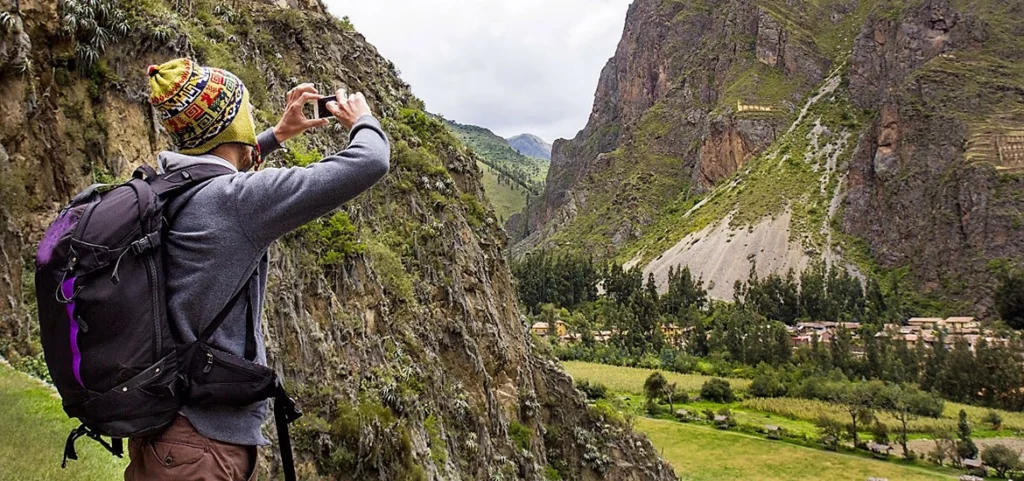
Cusco and its surroundings are defined by abrupt environmental changes rather than gradual shifts. Within short travel distances, landscapes can move from urban density to agricultural valleys and then to glacial environments.
This variability influences not only movement but also how information about the region is processed. Each zone presents different conditions that affect visibility, accessibility, and physical effort, making adaptation part of the overall structure of the experience.
How information shapes expectations before arriving
Before reaching Cusco, most people already form expectations based on how information is presented online. Sightseeing Cusco is often understood in advance through general descriptions of routes, timeframes and movement patterns, but also through how different experiences are connected across the region rather than viewed in isolation. This means that pre travel research tends to focus not only on what places exist, but on how they relate to each other in terms of distance, accessibility and overall flow.
Within this context, information is usually structured in a way that helps explain how routes across Cusco and surrounding areas are organized, especially when describing how visitors move between valleys, high altitude zones and cultural sites within a single journey. Rather than functioning as a central focus, these references form part of a wider ecosystem of content that helps clarify how sightseeing Cusco is actually experienced in practice, particularly when combining multiple areas into one continuous itinerary framework.
This type of contextual information is important because sightseeing Cusco is rarely understood from a single point of view. Instead, it is shaped by how different routes and experiences are connected, and how that connectivity is explained before arrival influences how people interpret and plan their movement once in the region.
Why timing influences everything
Timing plays a central role in sightseeing Cusco. Early hours allow smoother movement through central areas, while midday increases congestion and slows circulation. This difference is not only visible in pedestrian flow but also in how access to certain streets, viewpoints and nearby attractions becomes more or less efficient depending on the hour of the day.
Sightseeing Cusco changes throughout the day, and decisions are often made based on how crowded certain areas feel at specific moments. This makes timing more relevant than fixed planning. In many cases, visitors adjust their routes on the spot, prioritizing areas that are more accessible or less congested rather than strictly following a pre established sequence.
Sightseeing Cusco also tends to follow predictable daily patterns, where early movement is used to cover the most central or high demand areas before conditions become more restrictive. Later in the day, activity often shifts toward slower paced visits or transitions between different zones, especially when transport time becomes a more dominant factor than the sites themselves.
This constant variation means that sightseeing Cusco is not experienced in a linear way. Instead, it responds to real time conditions, where crowd density, transport availability and even small delays can reshape how the rest of the day unfolds.
How everything connects across the region
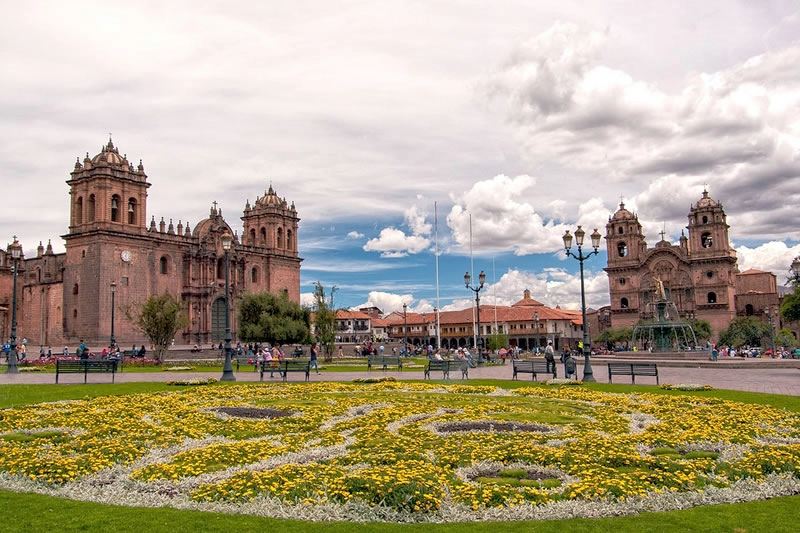
Cusco functions as an interconnected system rather than a group of separate locations. Sightseeing Cusco depends on how city streets, valley routes and high altitude areas interact through transport and timing. Each zone operates with different conditions, but none of them function in isolation, since movement between them is what gives structure to the overall experience.
Transport links, road conditions and elevation changes all play a role in how efficiently these areas connect. In practice, this means that a delay in one segment of the day can influence how much time is available in another, creating a chain reaction across the full route. Sightseeing Cusco is therefore shaped as much by transitions between places as by the places themselves.
When one part of the system slows down, sightseeing Cusco is affected across the rest of the day. This interconnection is what defines how movement actually works in the region, where timing, distance and accessibility constantly interact and determine how the experience unfolds from start to finish.
What often goes unnoticed is how route design directly impacts energy levels and decision-making throughout the day. Moving from lower areas like the Sacred Valley to higher points near Cusco city requires not only more travel time, but also physical adaptation. This means that inefficient sequencing—such as combining distant or high-altitude locations too early—can reduce overall performance and limit what visitors are able to comfortably experience later on.
Traffic patterns also introduce variability. Peak hours in and out of Cusco can significantly extend travel times, especially on routes toward popular sites. Because of this, early departures are not just a recommendation but a structural advantage, allowing travelers to move through key segments before congestion builds up. Similarly, understanding where paved roads transition into slower rural paths helps anticipate realistic travel durations instead of relying on optimistic estimates.
Another key factor is the availability and coordination of transport services. Group tours, private drivers and public options operate under different timing constraints, and switching between them without planning can create gaps or overlaps in the schedule. Efficient sightseeing Cusco depends on aligning these modes into a continuous flow, where each transfer is intentional and supports the next stage of the journey.
What defines the experience overall
The experience in Cusco is shaped less by individual sites and more by how everything is connected through movement and timing. Sightseeing Cusco is a dynamic process where distance, elevation and environmental conditions constantly reshape the day.
Seen this way, sightseeing Cusco is not a fixed itinerary but a connected experience that only makes full sense when understood as a whole system.
A critical element that defines the overall experience is pacing. Unlike destinations where attractions can be visited back-to-back with minimal impact, Cusco requires a rhythm that balances activity with recovery. High altitude reduces oxygen availability, which can affect stamina, concentration and even appetite. As a result, the way time is distributed between travel, exploration and rest becomes a determining factor in how enjoyable and sustainable the experience feels across multiple days.
Weather variability adds another layer of complexity. Conditions can shift quickly between sunny, rainy or cloudy within the same day, especially when moving across different altitudes. This affects not only comfort but also visibility at key viewpoints and access to certain routes. Flexible planning—such as prioritizing outdoor sites during stable morning hours and leaving adaptable activities for later—can significantly improve outcomes without requiring major itinerary changes.
The human factor also plays a central role. Group dynamics, guide coordination and individual preferences influence how smoothly the system operates. A delay caused by one small inefficiency—such as extended stops, late departures or unclear meeting points—can cascade into reduced time at later locations. For this reason, clarity in logistics and expectations is just as important as destination selection.
Ultimately, sightseeing Cusco is defined by how well all these variables are integrated. When movement flows naturally, transitions feel seamless and energy is managed effectively, the region reveals itself as a cohesive experience rather than a sequence of disconnected visits.

