
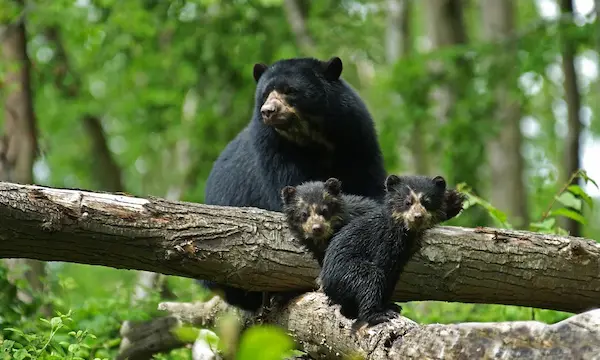
The andean spectacled bear is one of the most fascinating species in South America, especially because the Andean bear, also known as the spectacled bear, is the only bear species native to the continent. Found mainly in the Andes mountain range, this species has adapted to a highly diverse environment that ranges from cloud forests to high-altitude grasslands.
Unlike many carnivorous bear species in other parts of the world, the Andean bear has a diet that is largely influenced by the availability of plant-based food sources. However, its feeding behaviour is flexible and opportunistic, allowing it to survive in changing seasonal conditions across different ecosystems.
You may also like: The Best Trekking in Peru: Routes, Tips, and Unique Experiences
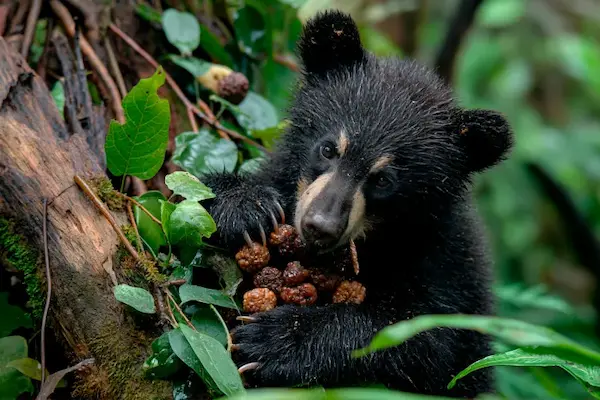
Andean spectacled bear: understanding their general diet
To understand andean spectacled bear, it is important to recognize that they are primarily omnivorous, but with a strong preference for plant-based foods. Their diet is composed mainly of fruits, bromeliads, cactus, palm hearts, and various types of vegetation found in Andean forests.
Fruits are one of the most important food sources, especially in cloud forest regions where seasonal fruiting trees provide high-energy nutrition. The bears play a crucial ecological role by dispersing seeds across large distances, helping maintain forest regeneration.
Despite their plant-heavy diet, Andean bears are not strictly herbivorous and will occasionally consume insects or small animals when plant resources are scarce.
Seasonal variations in food consumption
One of the most important aspects of andean spectacled bear is how their diet changes according to seasonal availability. During the wet season, when fruits and vegetation are abundant, the bears primarily feed on plant material, taking advantage of high-energy food sources.
In contrast, during dry periods, food becomes more limited, and Andean bears expand their diet to include tougher vegetation such as bromeliads and cactus hearts, which provide moisture and nutrients when other resources are scarce.
This seasonal flexibility is essential for survival in the Andes, where environmental conditions can change rapidly and dramatically.
Role of cloud forests
Cloud forests play a crucial role in answering andean spectacled bear, as these ecosystems provide the richest and most diverse food sources for the species. Located in mid-elevation zones of the Andes, cloud forests are characterized by high humidity and dense vegetation.
In these areas, Andean bears feed on a wide variety of fruits, berries, and climbing plants. The dense canopy also provides shelter and protection, making it an ideal habitat for feeding and resting.
These forests are essential not only for nutrition but also for the overall survival of the species, as they serve as corridors connecting different ecosystems.
Interaction with human landscapes
Human activity has increasingly influenced andean spectacled bear, especially in areas where agriculture overlaps with natural habitats. In some cases, bears may forage near crops such as corn or fruit plantations, leading to occasional human-wildlife conflict.
However, this behavior is not the primary diet of the species but rather a response to habitat fragmentation and reduced access to natural food sources. Conservation efforts aim to reduce these conflicts by protecting natural feeding areas.
Responsible tourism also helps raise awareness about the importance of preserving Andean ecosystems and reducing negative interactions between wildlife and human settlements.
Ecological importance of their diet
The diet of Andean bears plays a vital role in maintaining ecosystem balance. When studying the andean spectacled bear, it becomes clear that their feeding habits directly contribute to forest regeneration and biodiversity.
By consuming fruits and dispersing seeds through their movement, they help regenerate plant populations across large areas of the Andes. This natural process supports the health of cloud forests and ensures long-term ecological stability.
Their role as seed dispersers makes them a keystone species, meaning their presence has a disproportionately large impact on the ecosystem compared to other animals.
Differences from other bear species
When comparing andean spectacled bear with the diet of other bear species such as brown bears or polar bears, clear differences emerge. While many bear species rely heavily on animal protein or fish, the Andean bear is predominantly plant-based in its feeding behavior.
This distinction is largely due to environmental conditions in the Andes, where dense forests and mountainous terrain provide abundant vegetation but limited large prey animals.
As a result, Andean bears have evolved specialized feeding techniques, such as climbing trees and using their strong jaws to access hard plant materials like bromeliads.
Conservation and habitat protection
Understanding andean spectacled bear is essential for conservation efforts, as protecting their food sources is directly linked to species survival. Habitat destruction, deforestation, and climate change threaten the availability of key dietary resources.
Conservation programs focus on preserving cloud forests and ecological corridors that allow bears to move freely between feeding areas. These efforts are crucial to maintaining stable populations in the wild.
Ecotourism also plays a supportive role by funding conservation initiatives and encouraging sustainable interaction with natural habitats.
You might also be interested in: Hidden Trails of the Andes: Ancient Routes, Timeless Landscapes
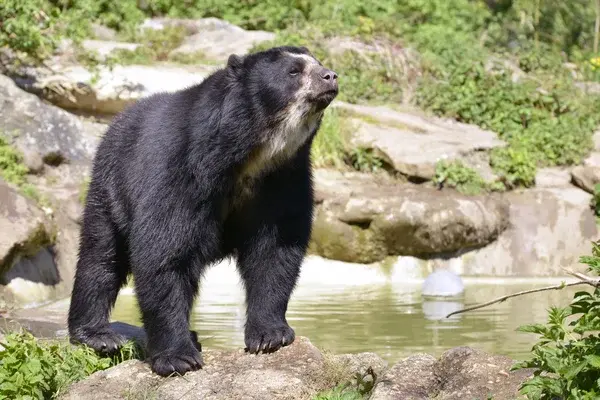
Andean spectacled bear: wildlife tourism and observation
Wildlife tourism in Peru offers opportunities to learn more about andean spectacled bear through guided experiences in protected natural areas. Although direct sightings are rare due to the elusive nature of the species, visitors can observe signs of their presence and understand their ecological role.
Tours in regions such as Cusco and the Sacred Valley often include educational components about Andean wildlife and conservation. Operators such as Cusco tours 2026 provide structured experiences that combine culture and nature.
Travel experiences in Peru
Travellers interested in Andean wildlife often combine cultural exploration with nature-based experiences. Programs like Explore Peru through personalized tours allow visitors to tailor their journeys according to interests, including wildlife observation, trekking, and cultural immersion.
These personalized experiences often include visits to cloud forests and protected reserves where Andean bears live, offering deeper insight into their natural environment and feeding habits.
Andean spectacled bear: urban connection and awareness
Even in urban environments, awareness about andean spectacled bear is increasing due to educational programs and conservation campaigns. In cities like Lima, museums and environmental initiatives help educate the public about native wildlife.
Guided experiences such as a Lima walking tour sometimes include cultural and ecological storytelling elements that highlight Peru’s unique biodiversity, even within urban settings.
This connection between urban education and natural conservation helps build broader awareness of the importance of protecting Andean ecosystems.
Andean spectacled bear: threats to food availability and ecosystem pressure
One of the most important aspects when analyzing andean spectacled bear is understanding how environmental threats are affecting the availability of their natural food sources. Deforestation, agricultural expansion, and illegal logging are reducing the extent of cloud forests, which are essential ecosystems for the survival of this species. As these habitats shrink, the diversity and abundance of fruits, bromeliads, and native vegetation also decrease, directly impacting the bear’s diet.
Climate change is another critical factor, as it alters rainfall patterns and seasonal cycles that determine when and where food resources are available. In some regions of the Andes, fruiting seasons are becoming less predictable, forcing bears to travel longer distances in search of nourishment. This increases energy expenditure and raises the risk of human-wildlife encounters.
In addition, habitat fragmentation divides populations and limits access to traditional feeding areas. When natural food sources become scarce, Andean bears may be forced to move closer to agricultural zones, which can create conflict with local communities. This highlights how deeply interconnected their diet is with the stability of the entire Andean ecosystem.
Scientific research and conservation monitoring
Scientific research plays a fundamental role in answering andean spectacled bear, as ongoing studies help conservationists better understand their dietary patterns and habitat use. Researchers use methods such as camera traps, GPS collar tracking, and scat analysis to identify feeding behaviour and seasonal variations in diet.
These studies have confirmed that Andean bears have a highly diverse and adaptable diet, with a strong dependence on plant-based resources but occasional opportunistic feeding depending on environmental conditions. This flexibility is essential for survival in the highly variable climates of the Andes.
Conservation programs use this data to design protected corridors and identify critical feeding zones that must be preserved. By mapping food availability and movement patterns, scientists can recommend strategies that reduce habitat loss and improve coexistence between humans and wildlife. This research is essential for ensuring the long-term survival of the species in a changing environment.
You might also be interested in: Festival of San Juan in Peru 2025: A major celebration in the Peruvian Amazon
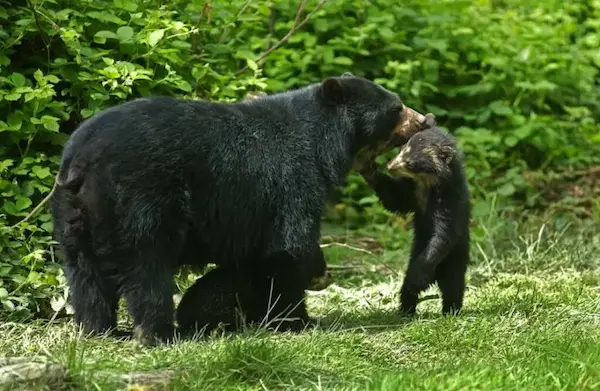
Andean spectacled bear: surprising facts and final ecological insight into their survival strategy
In conclusion, understanding andean spectacled bear reveals much more than dietary habits, it provides insight into the ecological complexity of the Andes. Their primarily plant-based diet, combined with seasonal adaptability, makes them a key species in maintaining forest health and biodiversity.
Their role as seed dispersers, their dependence on cloud forest ecosystems, and their interaction with changing environments highlight the importance of conservation efforts across the Andes. Protecting their habitat ensures the survival of not only the species but also the broader ecological system they support.
Ultimately, the Andean bear represents a powerful symbol of biodiversity in South America, and studying its diet offers a deeper appreciation of the natural balance within Peru’s mountain ecosystems.

