
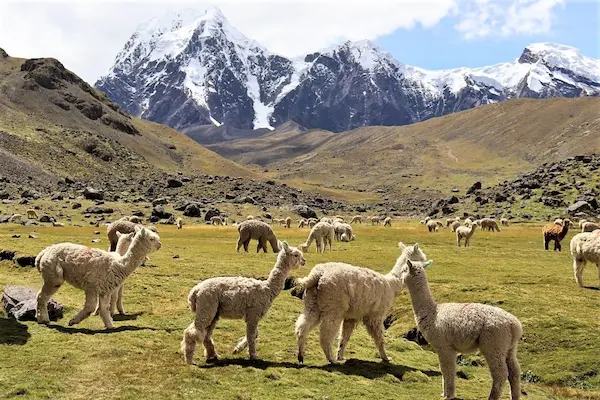
The andes mountain animals are among the most fascinating wildlife species on the planet, adapted to survive in one of the most extreme environments on Earth. The Andes mountain range in Peru offers a unique combination of altitude, climate variation, and ecosystems that support an impressive diversity of animals found nowhere else in the world.
From high-altitude grasslands to rocky cliffs and glacial environments, these animals have evolved remarkable survival strategies. Travellers exploring Peru’s mountains often encounter this biodiversity during trekking routes, cultural tours, and remote expeditions guided by specialised operators.
Andes mountain animals: understanding the high-altitude ecosystem
The ecosystem that supports andes mountain animals is defined by extreme altitude conditions, low oxygen levels, and significant temperature fluctuations between day and night. These factors have shaped the evolution of species that are highly resilient and uniquely adapted.
Vegetation such as ichu grass and mosses provides the base of the food chain, supporting herbivores that in turn sustain predators. The balance of this ecosystem is delicate, making conservation efforts essential for maintaining biodiversity.
Peru is one of the richest countries in terms of Andean biodiversity, offering travellers the opportunity to observe wildlife in its natural habitat while trekking through protected mountain landscapes.
TOP 5 andes mountain animals in Peru
Below is a ranking of the most iconic andes mountain animals found in the Peruvian highlands, each playing a vital role in the ecosystem and offering unique encounters for travellers exploring the region.
You may also like to read: All about the cultural traditions of Peru
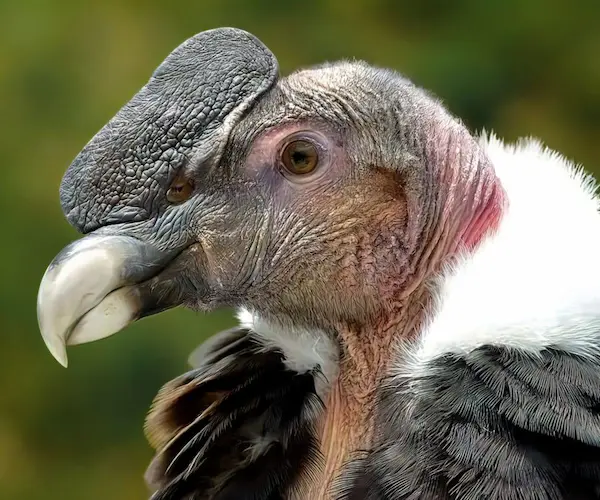
1. Andean condor
The Andean condor is one of the most iconic andes mountain animals, known for its enormous wingspan and ability to soar across high-altitude valleys. It is often seen gliding over deep canyons and mountain ridges, using thermal currents to travel long distances with minimal energy.
This bird holds deep cultural significance in Andean mythology, symbolising power, freedom, and connection between the physical and spiritual worlds. It is frequently spotted in regions such as Colca Canyon and remote areas of the Andes.
Due to its importance, conservation programs are actively working to protect its habitat and ensure its survival for future generations.
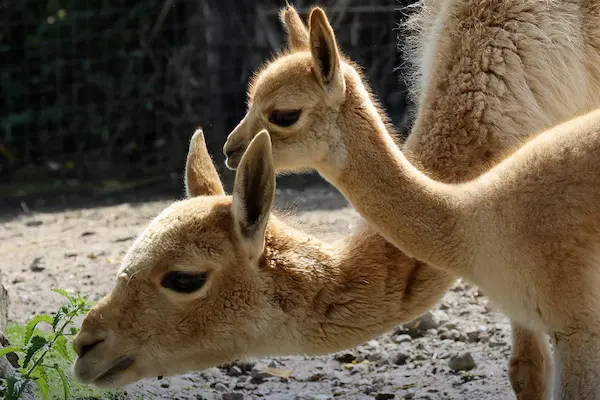
2. Vicuña
The vicuña is one of the most elegant andes mountain animals, belonging to the camelid family and native to the high-altitude plains of Peru. It is highly valued for its extremely fine wool, considered one of the most luxurious natural fibres in the world.
Vicuñas live in small herds and are typically found in protected areas where human interaction is limited. Their adaptation to thin air and cold temperatures makes them one of the most specialised mammals in the Andes.
They play an important ecological role by grazing on high-altitude vegetation, helping maintain the balance of fragile grassland ecosystems.
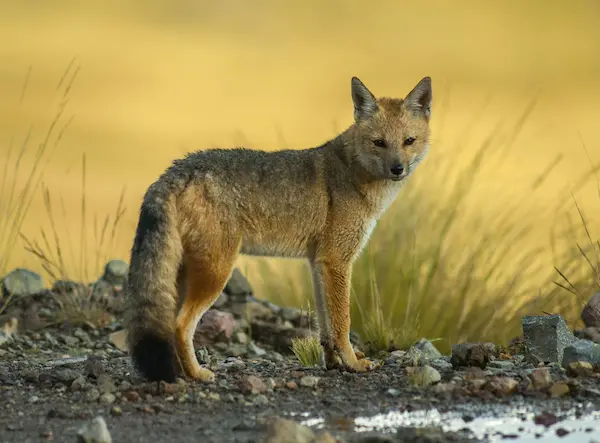
3. Andean fox
The Andean fox is a highly adaptable predator and one of the most resilient andes mountain animals. It inhabits a wide range of altitudes, from valleys to high mountain zones, and is known for its opportunistic feeding behaviour.
This fox plays an important role in controlling small animal populations, contributing to ecosystem balance. Despite its name, it is not a true fox but belongs to a unique South American lineage of canids.
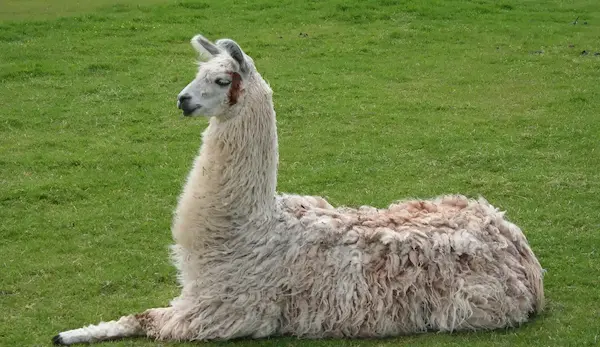
4. Llama
The llama is one of the most recognisable andes mountain animals and has been domesticated for thousands of years by Andean cultures. It serves as a transport animal and source of wool, playing a crucial role in traditional mountain life.
Llamas are highly adapted to high-altitude environments and can survive in harsh weather conditions with limited resources. They are commonly seen along trekking routes and rural communities in the Andes.
Today, they also form part of cultural tourism experiences, where travellers can interact with local herders and learn about traditional lifestyles.
You may also like: Travel inspiration: How to plan a trip to Machu Picchu
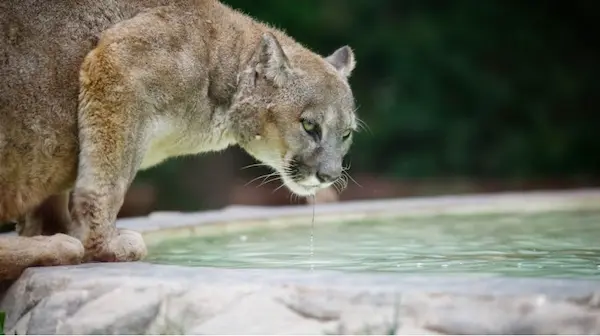
5. Andean puma
The Andean puma is one of the top predators among andes mountain animals, known for its strength, agility, and elusive behaviour. It inhabits remote and rugged terrains, making sightings extremely rare.
As an apex predator, the puma plays a critical role in maintaining ecological balance by controlling herbivore populations. It is highly territorial and requires large hunting ranges to survive.
Although difficult to observe, its presence is essential for the health of the Andean ecosystem.
Andes mountain animals: other notable species in the Andean ecosystem
Beyond the most iconic species already highlighted, the ecosystem of andes mountain animals is far richer and includes a wide variety of lesser-known but equally important species that contribute to the biodiversity of the region. These animals are often encountered in different altitude zones, from cloud forests to high puna grasslands, each adapted to specific ecological niches.
Among the most notable additional species is the Andean deer, also known as the taruca, a shy herbivore that inhabits steep and remote mountain areas where human presence is minimal. Another important species is the viscacha, a small rodent similar to a chinchilla, commonly seen resting on rocky cliffs during daylight hours.
Birdlife is also highly diverse in the Andes. Species such as the caracara, the Andean goose, and various hummingbirds play essential roles in pollination and food chains. Amphibians like the Andean marsupial frog and reptiles adapted to cold climates also form part of this complex ecosystem.
Andes mountain animals and trekking experiences in Peru
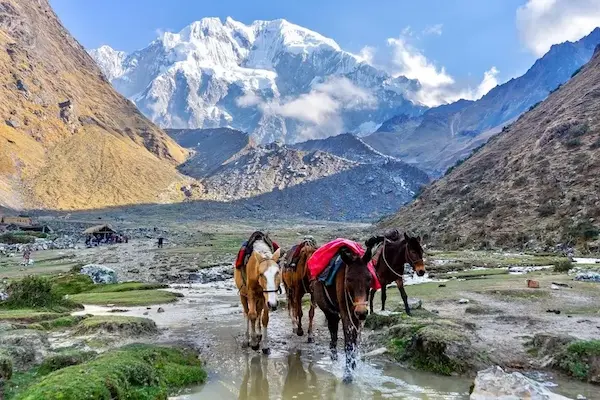
Travellers exploring the Andes often encounter wildlife during trekking routes such as those organised by a professional peru tour operator. These journeys provide opportunities to observe animals in their natural environment while crossing valleys, mountains, and ancient trails.
These experiences allow travellers to connect with both the cultural and ecological richness of the Andes in a single journey.
Remote trekking routes
More advanced trekking routes such as Salkantay Treks take travellers deeper into high-altitude ecosystems where biodiversity becomes even more prominent. In these remote areas, the presence of andes mountain animals becomes part of the immersive landscape experience.
Hikers may encounter vicuñas grazing on mountain slopes or condors flying above snow-covered peaks. The isolation of these environments allows for more natural and undisturbed wildlife behaviour.
These trekking experiences are considered some of the most rewarding in South America due to their combination of adventure and biodiversity.
Conservation
The conservation of andes mountain animals is a priority in Peru due to the ecological importance of the region. Many species are protected within national parks and reserves that regulate human activity and preserve natural habitats.
Climate change, habitat loss, and human expansion are among the main threats to these ecosystems. Conservation programs focus on sustainable tourism, environmental education, and protection of endangered species.
Responsible travel plays a key role in supporting these efforts, ensuring that tourism contributes positively to conservation rather than harming fragile environments.
Cultural significance
Beyond their ecological importance, andes mountain animals also hold deep cultural meaning in Andean societies. Many species are featured in traditional beliefs, textiles, and ceremonies that reflect the connection between humans and nature.
The condor, for example, is seen as a spiritual messenger, while llamas have historically been essential to Andean livelihoods. This cultural relationship reinforces the importance of protecting these species.
Climate adaptation strategies
One of the most remarkable aspects of andes mountain animals is their ability to survive in extreme climatic conditions that would be uninhabitable for most species on Earth. The Andes present constant challenges such as low oxygen levels, intense solar radiation during the day, and freezing temperatures at night. Despite this, wildlife has developed highly specialised physiological and behavioural adaptations.
Many species have evolved larger lung capacity and more efficient oxygen utilisation, allowing them to function at altitudes where oxygen is significantly reduced. Others rely on thick fur layers or seasonal behavioural changes to regulate body temperature and conserve energy. These adaptations are not accidental but the result of thousands of years of natural evolution in isolated mountain ecosystems.
In addition, food scarcity at high altitudes has shaped feeding behaviours, with many animals becoming opportunistic or highly efficient in energy consumption. This delicate balance ensures survival in an environment where resources are limited and conditions can change rapidly within a single day.
Ecosystem balance and biodiversity
The role of andes mountain animals in maintaining ecosystem balance is fundamental to the health of the entire Andean region. Each species, whether predator or herbivore, contributes to a complex ecological network that supports biodiversity across different altitude zones.
Herbivores such as llamas and vicuñas help regulate vegetation growth in high-altitude grasslands, preventing overgrowth and supporting soil stability. Predators like the Andean fox and puma control population levels of smaller animals, ensuring that no single species dominates the ecosystem.
Bird species such as condors also play an important ecological role by acting as scavengers, helping to recycle organic matter and maintain environmental cleanliness. This interconnected system highlights how the survival of each species directly impacts the stability of the entire mountain environment.
Sustainable tourism impact in Peru
Sustainable tourism has become increasingly important in protecting andes mountain animals, especially as trekking routes and adventure travel continue to grow in popularity. Responsible tourism practices help minimise human impact while allowing travellers to experience wildlife in its natural habitat.
Long-distance trekking experiences like the 2 Day Inca Trail with Camping contribute to conservation when managed responsibly, as they generate funding for local communities and conservation projects. This model ensures that tourism becomes a positive force for both wildlife preservation and cultural sustainability in the Andes.
You may also like: Fishing in the amazon river of Perú
Human interaction and coexistence with Andean wildlife
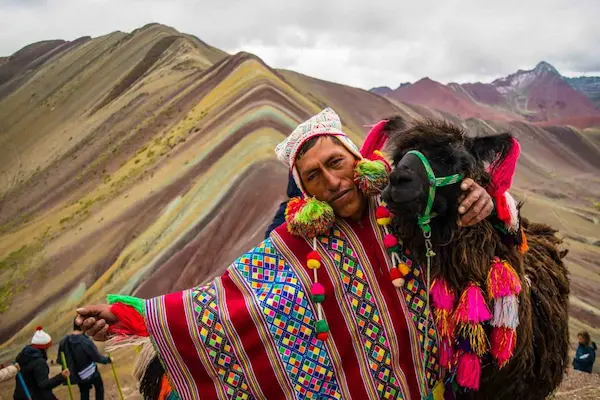
Human presence in the Andes has shaped the relationship with wildlife for thousands of years, creating a unique model of coexistence that still influences rural life today. Many communities living in high-altitude regions depend on traditional farming and herding practices that naturally interact with local fauna, especially grazing animals and native predators.
This coexistence is not always without challenges, as competition for resources such as grazing land can occasionally create tension between human activity and natural ecosystems. However, many communities have developed sustainable practices that reduce conflict, such as rotational grazing and the protection of certain wildlife corridors.
At the same time, cultural respect for nature plays an important role in maintaining balance. In many Andean traditions, animals are seen as part of a shared environment rather than separate from human life, which has helped preserve biodiversity in remote regions over centuries.
Unforgettable wildlife encounters in the Peruvian Andes
The andes mountain animals represent one of the most unique and diverse wildlife groups in the world, adapted to thrive in extreme high-altitude environments. Their presence adds depth and meaning to any journey through the Peruvian Andes.
From iconic species like the condor and vicuña to elusive predators such as the puma, each animal plays a vital role in maintaining ecological balance. Travellers exploring Peru through trekking routes or guided tours gain a deeper appreciation of this natural richness.
Whether through cultural experiences, adventure trekking, or wildlife observation, the Andes offer an unforgettable encounter with some of the most remarkable animals on Earth.

