
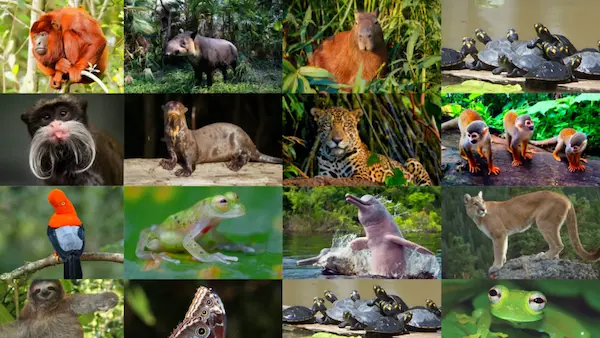
Cusco, Peru, is known for its breathtaking landscapes, rich history, and vibrant culture. However, the region is also home to a variety of wildlife, some of which can be dangerous if not approached with caution. Understanding the local fauna is important for travelers who want to enjoy the natural environment safely while exploring trekking routes, rural areas, and natural reserves.
While encounters with these animals are rare, knowing which species pose risks helps travelers prepare adequately. Awareness is key to appreciating the biodiversity of the region without compromising safety.
How to stay safe when encountering dangerous animals in Peru
When exploring mountains, forests, and river valleys, travelers should follow basic safety guidelines. Always maintain a safe distance from wildlife, avoid feeding animals, and respect their natural habitat. Many dangerous animals in Peru are defensive rather than predatory, so minimizing human impact is crucial.
Using trained guides and organized tours, such as the inca trail 4 day hike, ensures travelers have expert support in identifying hazards and avoiding risky situations. Proper equipment, including hiking boots, walking sticks, and first aid kits, can further enhance safety during treks.
Education and preparation help travelers reduce risks and enjoy encounters with wildlife responsibly. Respect for local ecosystems benefits both humans and the environment.
Top 5 dangerous animals you may encounter in Peru
Cusco and its surrounding regions are rich in biodiversity, offering travelers the chance to experience unique wildlife in their natural habitats. While many animals are harmless, some are classified as dangerous animals in Peru due to defensive behavior, venom, or predatory instincts. Knowing which species pose potential risks helps travelers prepare, stay safe, and fully enjoy the natural beauty of the Andes.
You may also like to read: All about the cultural traditions of Peru
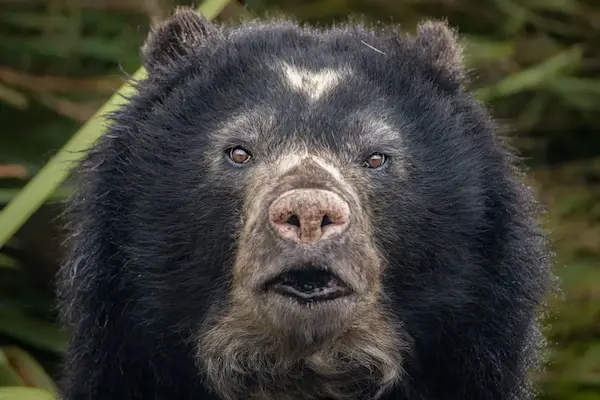
1. Andean bear (spectacled bear)
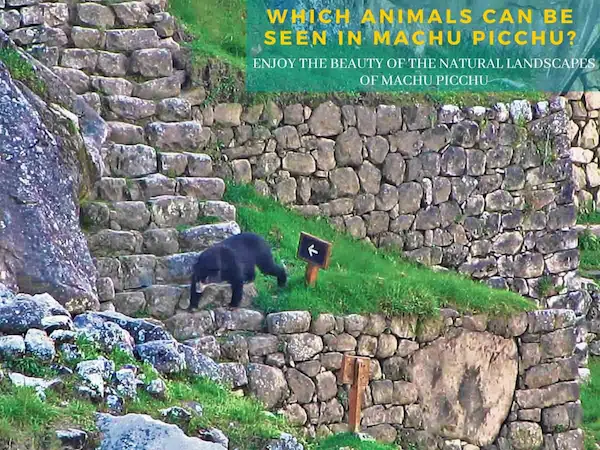
The Andean bear, also known as the spectacled bear, is the only bear species in South America. While generally shy and avoiding humans, it can become aggressive if surprised or threatened. These bears inhabit cloud forests and high-altitude regions around Cusco.
Travelers are advised to observe from a distance and avoid leaving food unsecured while trekking. Guides on tours like ausangate trek 4 days are trained to help hikers recognize bear signs and minimize risks.
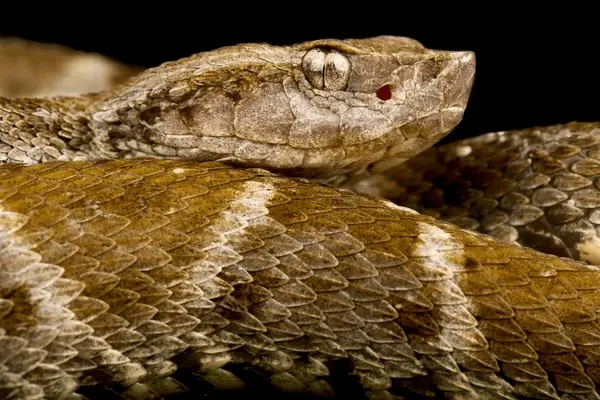
2. Fer-de-lance snake (Bothrops atrox)
The fer-de-lance is one of the most venomous snakes found in the Peruvian Andes and Amazonian foothills. Its camouflaged appearance makes it difficult to spot in dense vegetation.
Encounters are rare, but hikers should remain on marked paths and wear protective footwear. Understanding snake behavior and carrying basic first aid knowledge can prevent dangerous incidents.
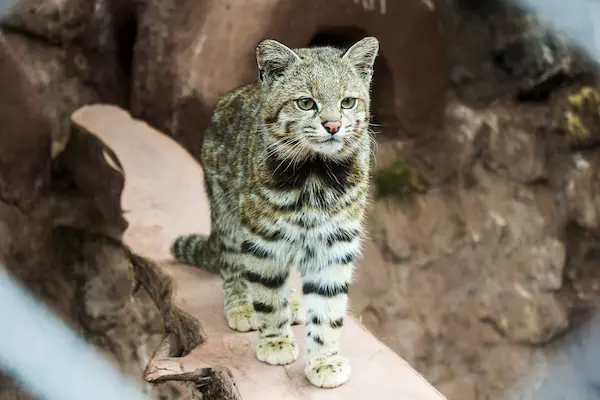
3. Andean mountain cats
The Andean mountain cat is a small and elusive predator native to high-altitude regions. While extremely rare and generally non-aggressive, its presence highlights the region’s predator population. Observing these cats requires caution, as unexpected interactions with smaller carnivores can occur in remote areas.
You may also like to read: The 10 best travel companies in Peru
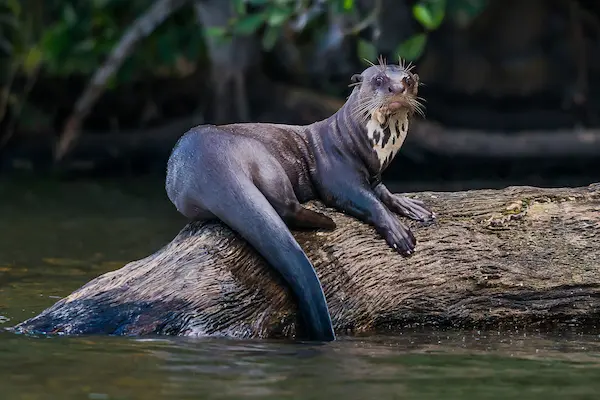
4. Giant river otters
Although not aggressive by default, giant river otters can defend their territory vigorously if approached too closely. Found near rivers and lakes, these animals are social and territorial. Maintaining a safe distance and avoiding nesting areas reduces potential threats.
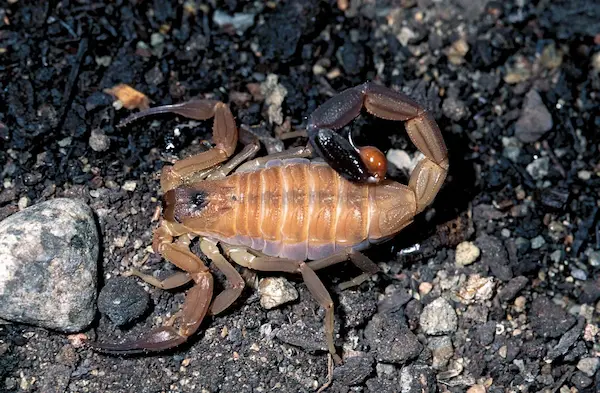
5. Scorpions and venomous insects
Cusco’s diverse habitats also host several venomous insects, including scorpions. While their stings are rarely fatal, they can cause pain and allergic reactions. Travelers should check boots and sleeping areas and use flashlights when walking at night.
Other wildlife to respect and admire
Beyond the top dangerous animals in Peru, Cusco is home to many species that are harmless but still require respect. Llamas, alpacas, and various bird species are abundant along trekking routes. Interacting responsibly with all wildlife ensures a safe and enjoyable experience while preserving ecosystems.
Preparing for wildlife encounters in Peru
Preparation is essential for minimizing risks during wildlife encounters. Hikers should carry water, wear long clothing, and avoid wandering off established trails. Listening to local guides and following regional safety guidelines is critical.
Additionally, understanding the behavior of wildlife helps anticipate potential hazards. For example, recognizing warning signs from snakes, bears, or territorial mammals allows travelers to react calmly and avoid incidents.
Understanding the habitats
When exploring Cusco, it is important to recognize the specific habitats of dangerous animals in Peru. From high-altitude mountain passes to dense cloud forests and river valleys, each species occupies a unique environment. Knowing where these animals are most likely to be found can help travelers plan safer routes and avoid unnecessary encounters.
For example, the Andean bear prefers remote cloud forests, while venomous snakes are more common in humid lowland areas near streams and rocks. Observing patterns of wildlife activity allows hikers to predict potential risks and take preventive measures.
Understanding habitats also enhances the educational experience. Travelers gain insight into the ecological roles of these species, appreciating their adaptation strategies while respecting boundaries. Proper awareness allows tourists to enjoy the diverse landscapes without disturbing the wildlife.
Seasonal behavior and activity patterns
Dangerous animals in Peru exhibit seasonal behaviors that affect the likelihood of encounters. Many species adjust their activity based on temperature, precipitation, and food availability. For instance, fer-de-lance snakes are more active during warmer, wetter months, while Andean bears may descend to lower elevations in search of fruit.
Seasonal awareness also provides a richer understanding of the ecosystem. By observing natural rhythms, travelers gain a deeper appreciation for the balance between humans and wildlife, and the adaptations that allow these species to survive in challenging environments.
How to react during encounters with dangerous animals in Peru?
Knowing how to respond to dangerous animals in Peru is critical for safety. Most wildlife will avoid humans if given the opportunity, so staying calm, maintaining distance, and not making sudden movements are key strategies.
Learning proper reaction techniques also enhances confidence. Hikers feel more secure navigating remote trails, enabling them to fully enjoy the natural beauty and cultural richness of Cusco while minimizing potential dangers.
You may also like: What to do in Cusco when you’re short on time
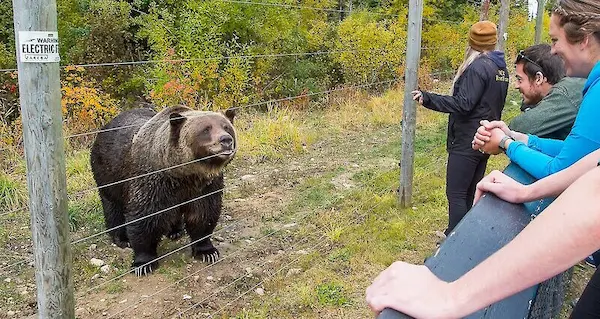
The role of guides and organized tours in wildlife safety
Traveling with professional guides significantly reduces risks associated with dangerous animals in Peru. Local guides are familiar with terrain, species behaviors, and emergency protocols. Their expertise allows them to anticipate wildlife encounters and advise travelers on safe conduct.
Having trained guides also adds educational value. Guests learn about ecological interactions, conservation efforts, and the cultural significance of local fauna, all while ensuring personal safety during their trek through diverse Andean habitats.
The ecological importance
Dangerous animals in Peru play a crucial role in maintaining the ecological balance of the Cusco region. Predators, venomous species, and territorial mammals regulate populations of other animals, helping to preserve the health and diversity of ecosystems. Their presence ensures that plant life, prey species, and other components of the environment remain in balance, which is vital for the overall sustainability of highland and forest habitats.
Respecting these animals and observing them from a safe distance promotes sustainable tourism. Travelers who recognize the significance of wildlife contribute to preservation efforts while still enjoying immersive natural experiences.
Common misconceptions
Many travelers have preconceived notions about dangerous animals in Peru, often overestimating the risk or misunderstanding their behavior. While species like fer-de-lance snakes or Andean bears can pose hazards, most encounters occur when humans inadvertently disturb them or ignore safety protocols.
Education through guided tours, such as those offered by incas expeditions, helps debunk myths and provides accurate information about animal behavior, habitat preferences, and seasonal activity. Understanding that aggression is often defensive rather than predatory reduces unnecessary fear and allows visitors to enjoy wildlife responsibly.
By addressing these misconceptions, travelers gain a realistic perspective on the region’s fauna. This knowledge encourages safer interactions, more respectful observation, and a deeper appreciation for the unique biodiversity of Cusco’s mountains, forests, and valleys.
Preparing your gear and precautions for wildlife encounters
When exploring Cusco’s wilderness, preparation is key to safely encountering dangerous animals in Peru. Proper gear, such as sturdy hiking boots, long pants, and walking sticks, helps reduce the risk of bites, scratches, or insect stings. Carrying a first aid kit, water, and a flashlight is also essential, especially on remote trails where access to immediate medical help may be limited.
Preparation also includes knowledge of the local ecosystem and species behavior. Travelers who understand warning signs, such as animal tracks, droppings, or unusual sounds, can anticipate potential dangers and respond calmly, making wildlife encounters more controlled and educational.
Rare sightings and memorable encounters in Peru
For adventurous travelers, spotting dangerous animals in Peru can be a thrilling experience, often shared as memorable stories. While sightings are uncommon, locals and guides report occasional encounters with Andean bears, mountain cats, or venomous snakes along trekking routes. These moments create a sense of connection with the wild Andes that few other experiences can match.
These rare sightings also help travelers understand the adaptability and resilience of wildlife in challenging environments. Each encounter reinforces respect for nature and the importance of maintaining the integrity of habitats for future generations.
The role of conservation in protecting dangerous animals in Peru
Conservation efforts in Cusco are crucial for protecting dangerous animals in Peru and their habitats. National parks, reserves, and community-led initiatives work to preserve biodiversity and maintain ecological balance. Species that are potentially dangerous to humans are also vital for healthy ecosystems, making their protection essential.
Awareness and responsible tourism help ensure that dangerous animals in Peru continue to thrive while minimizing risks to humans. By participating in sustainable travel practices, visitors support both biodiversity preservation and the cultural heritage tied to these remarkable species.
You may also like: Travel inspiration: How to plan a trip to Machu Picchu
Final thoughts on dangerous animals in Peru
Peru offers incredible natural beauty and biodiversity, but travelers must remain aware of the wildlife that inhabits the region. By learning about dangerous animals in Peru and following safety practices, visitors can enjoy their adventures without compromising their wellbeing.
Encountering these species responsibly adds a thrilling dimension to trekking and cultural experiences. Combining awareness, preparation, and expert guidance ensures that exploration of Peru remains both safe and unforgettable.

