
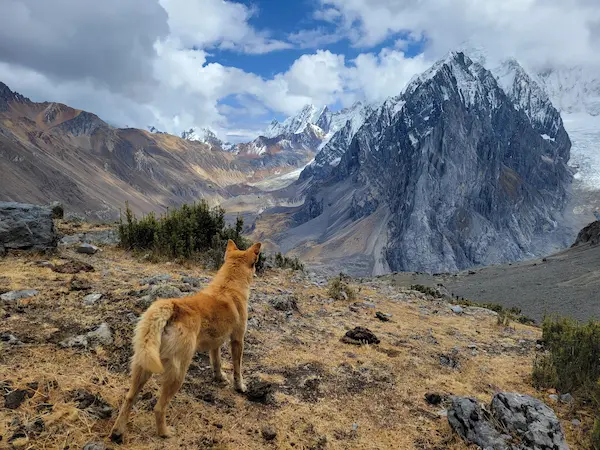
The concept of endangered dogs breeds refers to dog populations that are at risk of disappearing due to factors such as crossbreeding, loss of habitat, or reduced cultural relevance. In regions like Cusco and the Andes, some native or historically present dogs have become increasingly rare.
Understanding these breeds is not only important for animal conservation but also for preserving cultural identity. Travelers exploring Peru often encounter stories and traditions linked to animals, especially when participating in experiences like Matrimonio Andino, where symbolism and heritage are central.
What defines endangered dogs breeds and why they are disappearing?
Endangered dogs breeds are typically defined by low population numbers and limited breeding programs. Unlike common breeds that are widely recognized and reproduced, these dogs often exist in isolated communities or specific geographic regions.
Several factors contribute to their decline:
- Crossbreeding with more common dogs
- Urbanization and lifestyle changes
- Lack of formal recognition or protection
- Reduced functional roles in society
In the Andes, modernization has reduced the need for traditional working dogs, which once played key roles in herding, guarding, or companionship in rural areas.
Top 5 endangered dogs breeds with Andean and cultural connections
Exploring endangered dogs breeds allows us to understand how animals reflect history, geography, and human interaction. Below are five rare or culturally significant breeds, with a focus on those connected to Peru and similar environments.
You may also like: Top 20 lima nightlife spots: rooftop bars, clubs & live music venues
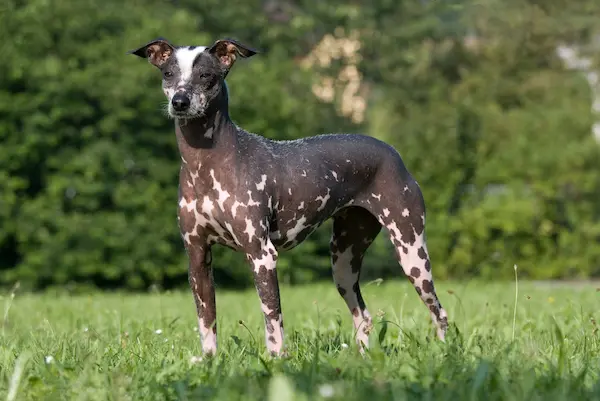
1. Peruvian Inca Orchid: the most iconic from Peru
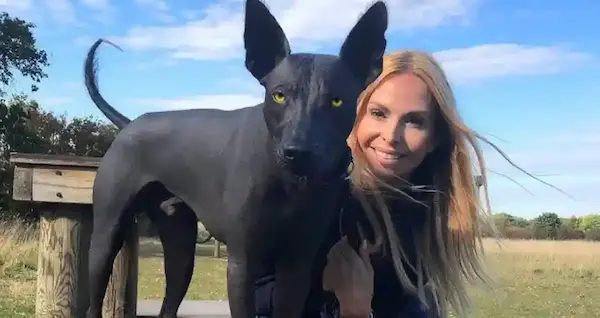
The Peruvian Inca Orchid is one of the most recognized native breeds of Peru. Known for its hairless body and elegant appearance, this dog has origins that trace back to pre-Columbian civilizations.
Historically, it was considered sacred and often associated with healing properties. Today, despite official recognition, it remains vulnerable due to limited breeding and lack of widespread awareness.
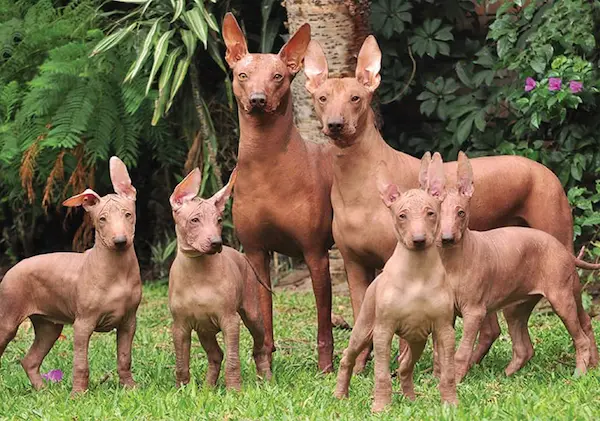
2. Peruvian Hairless Dog: a living heritage among
Closely related to the Inca Orchid, the Peruvian Hairless Dog is another rare breed deeply connected to Peruvian history. It has been depicted in ancient pottery and artifacts, highlighting its long-standing presence in the region.
This breed is known for its calm temperament and adaptability to warm climates. However, its population remains limited, making it one of the most important endangered dogs breeds to protect. Efforts to preserve this breed are closely tied to maintaining Peru’s cultural identity.

3. Andean Shepherd Dog: a lesser-known guardian of the highlands
The Andean Shepherd Dog is not officially standardized but is recognized in rural communities as a working dog adapted to high-altitude environments. These dogs have historically been used for herding and protection.
Due to modernization and reduced reliance on traditional farming, their numbers have declined significantly. Many of these dogs have been crossbred, making pure examples increasingly rare. Their resilience and adaptability make them an important part of Andean life and history.
You may also like: Horseback Riding in Cusco: Explore the Andes in a Unique Way

4. Chiribaya Dog: an ancient breed linked to pre-Inca civilizations
The Chiribaya Dog is an extinct or nearly extinct breed discovered through archaeological findings in southern Peru. These dogs were buried alongside humans, indicating their importance in ancient societies.
Research suggests they were used for herding and companionship. Although no longer present as a living breed, they are considered part of the endangered dogs breeds narrative due to their historical significance. Their legacy provides insight into how dogs were integrated into early Andean cultures.
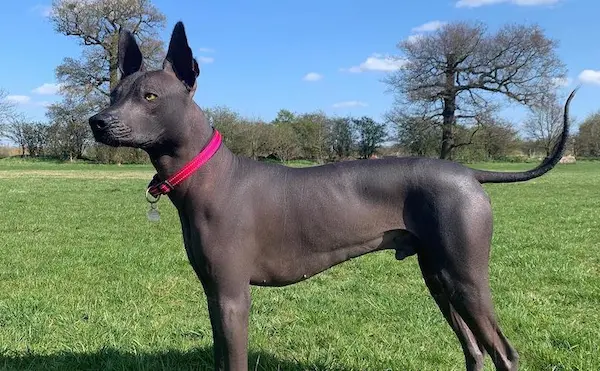
5. Xoloitzcuintli: a related sacred breed in Latin America
Although originating from Mexico, the Xoloitzcuintli shares similarities with Peruvian hairless breeds. It also holds spiritual significance and was believed to guide souls in the afterlife.
This breed highlights how different cultures across Latin America developed similar relationships with dogs, especially those considered sacred or symbolic. Its inclusion shows the broader context of endangered dogs breeds in the region.
Cultural connections between dogs and Andean traditions
In Andean culture, animals are not just companions but part of a larger spiritual and symbolic system. Dogs, in particular, have been associated with protection, guidance, and connection to the spiritual world.
These beliefs can still be observed in traditional practices and ceremonies. For example, during experiences like Matrimonio Andino, elements of nature and animals are often symbolically present, reflecting the deep relationship between humans and their environment.
Where to learn about endangered dogs breeds in Peru?
Travelers interested in learning more about endangered dogs breeds can explore different regions of Peru, especially in rural and highland areas where traditional lifestyles are still present.
Additionally, exploring natural landscapes like those found in the Tour Montaña 7 colores full day provides insight into the environments where these dogs historically lived and adapted.
The role of endangered dogs breeds in rural Andean economies
In many Andean communities, dogs have historically played a practical role that goes beyond companionship. Endangered dogs breeds were often essential for daily survival, assisting in tasks such as herding livestock, protecting homes, and navigating difficult terrain. Their physical adaptation to high altitudes and harsh climates made them invaluable in environments where modern tools were not always available.
As rural economies begin to shift due to modernization and migration, the functional role of these dogs has decreased. Younger generations are moving toward urban areas, and traditional practices that once required these breeds are becoming less common.
However, in some communities, there is still a strong appreciation for these animals. Efforts to maintain traditional practices, combined with growing interest in cultural tourism, are helping to keep these breeds relevant. By recognizing their historical role, it becomes easier to understand their importance in both economic and cultural contexts.
Scientific and environmental perspectives on endangered dogs breeds
From a scientific standpoint, endangered dogs breeds represent a valuable source of genetic diversity. These breeds have adapted over generations to specific climates, altitudes, and environmental conditions, making them uniquely resilient. Studying these adaptations can provide insights into animal evolution and environmental sustainability.
In regions like the Andes, where ecosystems are fragile and constantly changing, maintaining biodiversity is essential. Dogs that have evolved in these environments are better suited to survive with limited resources, extreme temperatures, and challenging terrain. Losing these breeds would mean losing important biological knowledge.
Environmental changes, including climate shifts and human expansion, also affect these populations. As habitats change, the survival of certain breeds becomes more uncertain. This makes conservation efforts even more important, not only for cultural reasons but also for ecological balance.
How endangered dogs breeds can be protected through awareness and tourism?
Awareness plays a fundamental role in protecting endangered dogs breeds. Many people are simply unaware that these breeds exist or that they are at risk. Education, storytelling, and responsible tourism can help bring attention to their situation.
Travel experiences that highlight local culture, such as Matrimonio Andino, provide opportunities to understand how animals are integrated into traditional life. These experiences allow visitors to see firsthand the importance of preserving both cultural practices and native species.
Tourism, when managed responsibly, can support conservation efforts. Activities like Tours en Cusco often include interactions with local communities, where travelers can learn about traditional lifestyles and the animals that are part of them. This type of engagement creates a positive cycle of awareness and support.
You may also like: Tracing the Andean Map: From Cusco’s Sacred Valley to the Floating Islands of Puno
The future of endangered dogs breeds in a globalized world
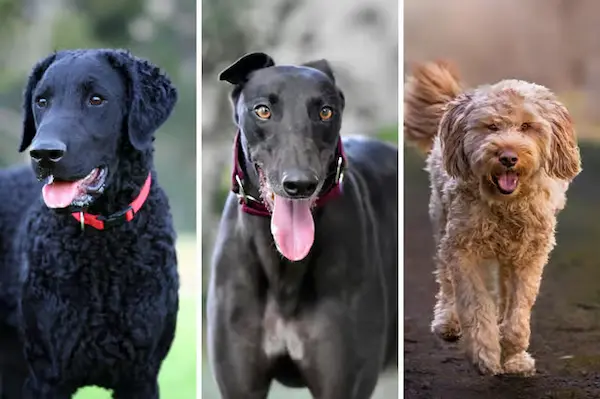
The future of endangered dogs breeds depends on the balance between modernization and cultural preservation. As global influences continue to shape local communities, there is a risk that traditional breeds may be replaced by more common or commercially popular ones.
However, there is also a growing movement toward valuing authenticity and heritage. People are becoming more interested in preserving unique cultural elements, including native animal breeds. This shift offers hope for the survival of these dogs.
In Peru, this trend is supported by cultural and natural experiences that highlight the richness of the Andes. Visiting places through routes like Tour Montaña 7 colores full day not only showcases natural beauty but also connects travelers with the environments where these breeds have historically lived.
The connection between native animals and Andean worldview
In the Andean worldview, animals are not seen merely as companions or tools, but as beings that share a spiritual and symbolic relationship with humans. This perspective is rooted in a deep respect for nature, where every living entity plays a role in maintaining balance within the environment. Mountains, rivers, and animals are all interconnected, forming part of a broader system of life and meaning.
Dogs, in particular, have historically been associated with protection, guidance, and companionship in both physical and spiritual contexts. In some traditions, they are believed to accompany souls or act as guardians between worlds, reinforcing their importance beyond everyday life. This symbolic role elevates their presence within communities, making them part of rituals, beliefs, and storytelling.
These connections are often expressed through ceremonies, oral traditions, and daily practices. Rather than separating the natural from the spiritual, Andean culture integrates both, allowing animals to become active participants in cultural identity. This perspective helps explain why certain species are remembered, respected, and preserved through generations.
For travelers, understanding this worldview offers a deeper appreciation of Andean culture. It shifts the focus from observation to interpretation, encouraging visitors to see animals not only as part of the landscape, but as meaningful elements within a living cultural system.
You may also like: Cusco adventure travel for beginners
Preserving heritage through endangered dog breeds in Peru
Endangered dogs breeds are a reminder that biodiversity and culture are deeply interconnected. In places like Peru, these animals are part of stories, traditions, and ways of life that continue to shape communities. By learning about these breeds, travelers and readers gain a deeper understanding of how animals contribute to cultural identity. Preserving them is not only an environmental responsibility but also a cultural one.
Protecting these breeds also means recognizing their value in a rapidly changing world where traditional knowledge is at risk of being lost. As globalization continues to influence local lifestyles, maintaining these unique animal lineages becomes a way of preserving diversity in all its forms. Supporting initiatives, respecting local practices, and spreading awareness can make a significant difference. In doing so, we not only safeguard these dogs but also honor the communities and histories they represent.

