

Inca Textiles are far more than ancient fabrics preserved in museums; they are living expressions of history, identity, and creativity woven into the Andes. When we speak about Inca Textiles, we are speaking about stories told through threads, colors that represent beliefs, and patterns that reflect an entire civilization’s worldview. Understanding their cultural meaning allows us to connect with the heart of the Andean world in a simple yet profound way. These textiles continue to inspire admiration, research, and respect today.
You may also be interested in: How many days do you need in Peru?

Inca Textiles: An Introduction to Andean Artistic Mastery
Inca Textiles represent one of the highest artistic achievements of the Andean civilization. In a society without a written alphabet as we know it today, fabric became a powerful language. Every thread, every geometric form, and every carefully selected color had a purpose. Textile production was not merely a domestic task; it was a sacred and political activity closely connected to power, religion, and identity.
The importance of Inca Textiles can be understood by recognizing that cloth was often more valuable than gold or silver. While precious metals symbolized divine brilliance, textiles symbolized social structure and cosmic order. The Incas invested extraordinary time and skill into weaving, ensuring that each garment reflected harmony between humanity and nature.
This mastery required discipline and organization. Specialized weavers, often women chosen for their talent, dedicated their lives to perfecting techniques that would allow fabrics to endure both time and climate. The result was not only clothing but a refined artistic system that continues to fascinate historians and travelers alike.
The Historical Origins of Inca Textiles in the Andean World
The development of Inca Textiles did not occur in isolation. It was the result of centuries of experimentation and cultural exchange across the Andes. Long before the Inca Empire emerged, earlier civilizations such as the Paracas and Nazca had already developed sophisticated weaving traditions. The Incas inherited, refined, and expanded these techniques into a unified imperial style.
As the empire expanded across diverse ecological regions, textile traditions adapted to new environments. Coastal cotton blended with highland camelid fibers, creating new combinations of texture and durability. This integration reflected the political strategy of the empire itself: diversity within unity.
The historical roots of Inca Textiles also demonstrate how deeply connected Andean societies were to their environment. The mountains provided alpaca and llama wool, valleys offered cotton, and plants yielded natural dyes. The result was a textile tradition deeply grounded in geography and history, evolving yet always anchored in ancestral knowledge.
You may also be interested in: Best Day Trips from Cusco 2026: Complete Travel Guide

Materials and Techniques Used in Inca Textiles
The excellence of Inca Textiles depended largely on the materials and techniques employed by Andean artisans. Textile production was not a secondary craft but a highly respected practice tied to social identity, economy, and spirituality. The Incas and earlier Andean cultures developed deep knowledge of fibers, natural dyes, and weaving structures, revealing a sophisticated understanding of both nature and craftsmanship.
Natural Fibers: Alpaca, Llama, and Cotton
The primary materials used in textile production were alpaca wool, llama wool, and cotton. Alpaca fiber was especially prized for its softness, warmth, and fine texture, making it ideal for garments worn by nobility and for ceremonial clothing. Its natural insulating properties were particularly valuable in high-altitude environments where temperatures fluctuate dramatically.
Llama fiber, though coarser than alpaca, was strong and durable. It was commonly used for everyday garments, blankets, and utilitarian fabrics. Cotton, cultivated in the coastal valleys, offered a lighter and more breathable alternative suited to warmer climates. The integration of highland and coastal resources demonstrates a well-organized exchange system within the empire.
The careful selection of fibers allowed textiles to meet both practical and symbolic purposes. Fabric quality could indicate status, regional identity, or political importance. In many cases, the fineness of the thread and the softness of the material alone signaled rank and privilege within society.
Traditional Weaving Techniques and Tools
Weaving required extraordinary precision, patience, and technical skill. Backstrap looms were widely used, consisting of a simple yet effective structure anchored to a fixed object at one end and wrapped around the weaver’s body at the other. This setup allowed artisans to control tension manually, adjusting threads with remarkable accuracy.
The loom became an extension of the artisan’s body, demanding coordination, rhythm, and sustained concentration. Patterns were not improvised; they were carefully planned and executed thread by thread. Techniques such as double-faced weaving allowed designs to appear on both sides of the fabric, while high thread counts created dense, durable cloth.
Garments were often woven as a single piece to minimize seams, increasing structural strength and aesthetic harmony. These advanced methods demonstrate that textile production was a highly specialized skill passed down through generations.
Natural Dyes and Symbolic Colors
Color played a central role in textile design and meaning. Natural dyes extracted from plants, minerals, and insects produced a wide spectrum of vibrant hues. The cochineal insect, for example, yielded intense crimson shades that became highly valued throughout the Andes. Other sources provided deep blues, earthy yellows, browns, and greens.
The dyeing process required expertise in preparation, boiling, and fixing pigments to ensure color longevity. Artisans understood how to combine natural mordants with fibers to achieve consistent and lasting tones.
Beyond visual appeal, colors carried symbolic and cultural significance. Red often represented power, vitality, or warfare; yellow could symbolize the sun and divine authority; and green might evoke fertility and the natural world. Through deliberate color choices, textiles communicated spiritual beliefs, social roles, and political messages woven directly into everyday garments.
You may also be interested in: Inca Trail Packing List: Guide for a Safe Trek

Symbolism and Social Meaning of Inca Textiles
The symbolic dimension of Inca Textiles reveals how deeply interwoven fabric was with identity, politics, economy, and belief systems. In the Andean world, cloth was far more than material for clothing; it represented prestige, sacred duty, and social belonging. Textile production required time, skill, and valuable resources, which elevated its importance within society. As a result, woven garments functioned as visible expressions of power, spirituality, and collective memory.
Textiles as a Symbol of Status and Power
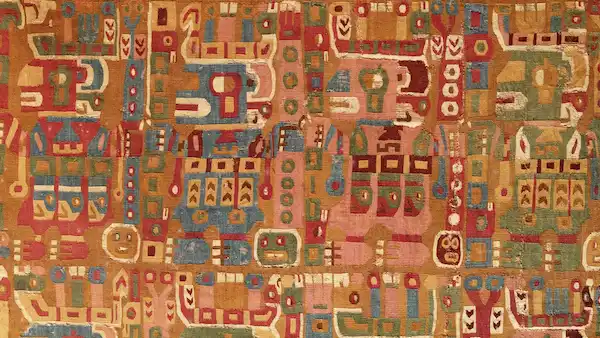
Clothing clearly indicated rank and authority within the empire. Specific tunics known as unku were designed with precise geometric patterns that signaled political position, military achievement, or administrative responsibility. These designs were not random decorations; they were regulated visual codes. Only certain individuals were permitted to wear particular motifs, reinforcing strict social hierarchy.
Fine cloth, especially that woven from high-quality alpaca fiber, was reserved for nobility and rulers. The most exquisite fabrics were sometimes produced by highly skilled artisans who dedicated their work to the state or to religious institutions. The fineness of the weave and complexity of the pattern could immediately communicate status without a single word being spoken.
The value assigned to textiles as diplomatic gifts further highlights their political importance. Cloth was exchanged to seal alliances, reward loyalty, and demonstrate imperial generosity. In many cases, tribute payments from conquered regions included large quantities of woven goods. Through this system, textiles became instruments of governance and tools for consolidating authority across vast territories.
Religious and Spiritual Symbolism in Inca Textiles
Religion permeated daily life in the Andes, and textiles reflected this spiritual worldview. Geometric motifs often represented cosmological principles, including the tripartite division of the universe into the heavens (Hanan Pacha), the earthly realm (Kay Pacha), and the underworld (Ukhu Pacha). These symbolic references were woven directly into garments, transforming clothing into sacred expressions of belief.
Colors and shapes were carefully chosen to reflect spiritual associations. Certain patterns were linked to solar worship, agricultural fertility, or protective deities. Ritual garments used in ceremonies were woven with exceptional detail and precision, emphasizing their sacred function. Textiles could also accompany offerings, burials, and state rituals, reinforcing their ceremonial value within temples and sacred mountain landscapes.
Even today, visitors who book a Huayna Picchu tour full day often discover how spiritual traditions at Machu Picchu extended beyond temples and plazas into symbolic attire that echoed sacred geometry and cosmology embedded in textile art. The woven designs preserved spiritual knowledge in a tangible, portable form, allowing belief systems to be carried, displayed, and transmitted across generations.
Textiles as Communication and Identity
In the absence of a formal written script, patterns and designs served as visual identifiers of community and lineage. Distinctive motifs allowed individuals to recognize regional affiliation, ethnic group, or social role instantly. Each community developed characteristic styles, creating a sense of belonging and shared heritage.
Textiles also functioned as narrative tools. Through carefully arranged shapes and color combinations, garments conveyed information about ancestry, territory, and political allegiance. They acted as visual records that reinforced unity within the empire’s diverse population.
By wearing specific patterns, individuals expressed both personal and collective identity. In this way, textiles became living symbols of cultural continuity, strengthening social cohesion across regions separated by mountains, valleys, and vast distances.
Inca Textiles and Their Connection to Sacred Landscapes
The Andean worldview did not separate art from nature. Mountains, rivers, and valleys were understood as living sacred entities with spiritual presence and protective power. Textile patterns frequently mirrored surrounding landscapes, integrating geometry with topography. Zigzag motifs could evoke mountain ridges, stepped designs reflected agricultural terraces, and flowing lines symbolized rivers that nourished communities. Through these visual references, textiles became symbolic maps of the environment.
This deep environmental connection is also evident in how materials were sourced and respected. Fibers from alpacas and llamas were obtained in highland regions closely tied to pastoral life, while natural dyes were derived from local plants, minerals, and insects. Weaving therefore represented not only artistic creation but also ecological knowledge. The rhythms of spinning and weaving aligned with agricultural cycles, reinforcing harmony between production, seasonality, and sacred geography.
When travelers explore cultural routes through Special Tours Peru, they often encounter living weaving communities in the Sacred Valley who preserve these ancestral techniques. Their work demonstrates how landscape and textile art remain inseparable. The connection between Inca Textiles and sacred geography ultimately reflects a worldview in which humans see themselves as participants within nature rather than masters over it, honoring the land through designs that celebrate its forms and sustaining power.
You may also be interested in: The 5 best Inca Trail tour operators
The Role of Inca Textiles in Daily Life and Ceremonial Events
Textiles shaped daily routines as well as extraordinary celebrations across the Andes. From infancy to adulthood, clothing accompanied each stage of life, marking transitions such as coming of age, marriage, and participation in community responsibilities. Garments were not disposable items but valued possessions, carefully maintained and sometimes repurposed over time. The act of weaving itself was embedded in family life, with knowledge passed from one generation to the next.
Clothing and Everyday Garments
Everyday garments were practical yet meaningful. Simple tunics protected against highland cold, while belts and shawls added personal identity and regional distinction. Even common attire displayed thoughtful weaving techniques, balanced proportions, and durable construction suited to mountainous terrain. Clothing adapted to climate variations between valleys and high plateaus, reflecting environmental awareness alongside aesthetic sensibility.
Visitors exploring museums and cultural centers during a Cusco city tour full day can observe preserved garments that reveal how daily wear reflected climate adaptation and cultural symbolism simultaneously. These pieces demonstrate that functionality did not exclude artistic expression; instead, beauty and utility coexisted in balanced harmony.
Ceremonial Robes and Elite Attire
Ceremonial clothing was considerably more elaborate. Finely woven garments adorned rulers, priests, and nobility during festivals honoring the sun, agricultural cycles, and sacred mountains. Rich textures, complex geometric patterns, and carefully selected colors distinguished elite attire from everyday dress, reinforcing visible markers of authority.
Through ritual attire, Inca Textiles transcended practicality and entered the realm of sacred performance. During public ceremonies, fabric enhanced movement, reflected light, and elevated the presence of the wearer. In these moments, garments transformed individuals into symbolic representatives of divine order, uniting political leadership, spiritual devotion, and artistic mastery within a single woven expression.
The Preservation of Inca Textiles in Modern Peru
Today, preservation efforts seek to protect fragile ancient fabrics from environmental damage, light exposure, and humidity fluctuations. Museums employ climate control systems, specialized storage materials, and careful restoration techniques to prevent deterioration. Because organic fibers are highly sensitive, conservation requires continuous monitoring and expert handling to ensure long-term stability.
Preservation strategies in Peru generally include:
- Controlled environments with stable temperature and humidity levels.
- Minimal light exposure to prevent fading of natural dyes.
- Specialized archival storage using acid-free materials.
- Scientific documentation to record weaving structures, fibers, and dye composition.
- Ongoing research collaborations between historians, archaeologists, and textile conservators.
At the same time, safeguarding heritage goes beyond museum walls. Living communities in the Andes actively maintain weaving traditions through cultural tourism experiences such as Pallay punchu full day programs. These initiatives allow visitors to observe traditional spinning, natural dye preparation, and backstrap loom weaving while directly supporting local artisans. By generating sustainable income, such programs create incentives for younger generations to continue ancestral practices.
Inca Textiles: A Living Legacy of Andean Identity
Inca Textiles are not silent artifacts; they are voices from the Andes. They speak about resilience, creativity, and harmony with nature. When we look closely at their patterns, we discover messages woven with patience and wisdom. Their legacy is not locked in the past but alive in modern communities who continue weaving stories into fabric. Understanding them allows us to appreciate cultural continuity in its most tangible and beautiful form.

