
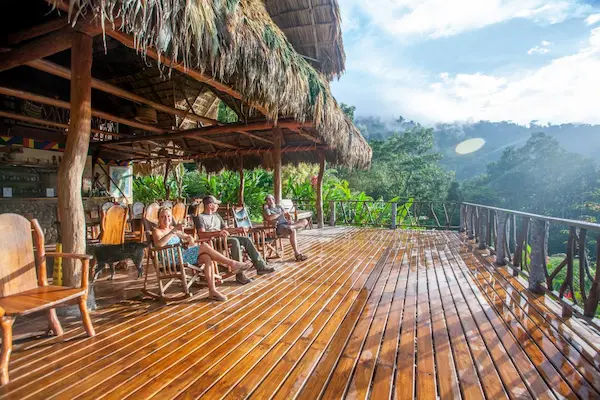
Travel is changing fast. What once felt like a simple choice between beaches, cities, or adventure has evolved into something much deeper and more meaningful. Today, how we travel matters just as much as where we go. In 2026, the comparison between eco tourism and traditional tourism is no longer just a trend or a marketing angle it has become a real, conscious decision that directly affects the environment, local communities, cultural heritage, and the long-term sustainability of destinations around the world.
Travelers are more informed, destinations are under more pressure, and tourism models are being questioned like never before. Choosing between eco tourism and traditional tourism now means choosing between short-term convenience and long-term impact, between mass consumption and responsible exploration.
This article breaks down both models in a clear, honest, and practical way. It’s designed to help travelers, tourism businesses, and destination planners understand what’s truly at stake, how each approach shapes the future of travel, and why the decisions made today will define where and how people will be able to travel tomorrow.
Understanding the evolution of tourism
Tourism didn’t become what it is overnight. It developed gradually, shaped by advances in transportation, economic growth, and changing social habits. What began as a privilege for a few eventually transformed into a global industry designed to move millions of people across borders every year. This evolution explains why different tourism models exist today and why they are now being questioned.
How traditional tourism shaped modern travel
Traditional tourism expanded rapidly during the industrial and post-war periods, when airplanes, highways, and large-scale infrastructure made travel accessible to the masses. The priority was efficiency: moving more people, faster, and at lower costs.
This approach reshaped destinations around the world and introduced patterns that are still common today:
- Large hotels and resort complexes
- Fixed itineraries and packaged experiences
- High visitor concentration in limited areas
- Standardized services designed for scale
The economic impact was immediate. Jobs were created, infrastructure improved, and destinations gained global visibility. However, this model often overlooked environmental limits, strained local resources, and diluted cultural identity. Over time, the cost of growth began to outweigh the benefits in many regions.
Why eco tourism emerged as an alternative
As destinations started to feel the pressure of overcrowding and resource depletion, a different mindset began to take shape. Travelers became more curious, more informed, and more aware of their role in the places they visited.
New questions started guiding travel decisions:
- Where does my money actually go?
- Who benefits from my visit?
- What kind of footprint do I leave behind?
- Can travel support preservation instead of degradation?
This alternative approach focuses on responsibility, conservation, and long-term value. Instead of prioritizing volume, it emphasizes balance, protecting natural spaces, respecting local communities, and ensuring that destinations can thrive well beyond the next tourist season.
You may also be interested in: Guied complete 1 day Machu Picchu tour from Cusco
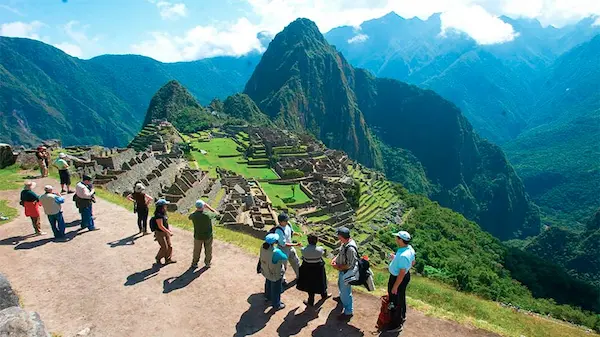
What eco tourism really means in 2026
By 2026, eco tourism has moved far beyond catchy labels and vague promises. What once felt experimental is now structured, measurable, and increasingly expected by travelers, regulators, and destinations alike. Sustainability is no longer optional or symbolic, it’s part of how trips are designed, sold, and evaluated.
Destinations are using data to monitor visitor impact, governments are setting clearer standards, and travelers are actively choosing experiences that align with their values. This shift has turned eco tourism into a practical model rather than an idealistic one.
Core principles of eco tourism today
Modern eco tourism is built on clear, non-negotiable foundations that guide how experiences are created and delivered:
- Environmental conservation
Natural areas are protected through controlled visitor numbers, conservation funding, and active restoration programs. - Community involvement
Local people are not just service providers but partners, decision-makers, and direct beneficiaries. - Cultural respect
Traditions, languages, and heritage are treated as living identities, not attractions to be consumed. - Low-impact infrastructure
Lodges, transport, and facilities are designed to blend into the environment and reduce resource use. - Education and awareness
Travelers leave with a deeper understanding of the places they visit and the challenges they face.
Unlike early versions, today’s eco tourism relies on certifications, audits, and transparent reporting. Claims are expected to be backed by evidence, not marketing language.
Common misconceptions about eco tourism
Despite its evolution, outdated assumptions still shape how many people perceive this model. Some believe it automatically means:
- Basic or uncomfortable accommodations
- Limited access to modern amenities
- Higher costs with fewer services
- Restricted or repetitive activities
In reality, eco tourism in 2026 looks very different from these stereotypes. Many experiences now offer:
- High-quality eco-lodges with modern design and comfort
- Personalized itineraries tailored to traveler interests
- Strong safety protocols and professional operations
- Competitive pricing over time due to efficiency and local sourcing
- The difference isn’t in what travelers give up, it’s in what they gain: deeper connections, more meaningful experiences, and the confidence that their travel choices support long-term sustainability.
Traditional tourism in 2026: still relevant or outdated?
Traditional tourism hasn’t disappeared. It has adapted, but not always enough.
Strengths that keep traditional tourism alive
Traditional tourism remains popular because it offers:
- Convenience
- Predictable pricing
- Familiar experiences
- Large-scale infrastructure
For short trips or mass events, this model still works efficiently.
Structural challenges traditional tourism faces
However, cracks are becoming harder to ignore:
- Overcrowded destinations
- Resource depletion
- Cultural dilution
- Higher carbon emissions
Many cities now limit cruise ships, visitor numbers, and short-term rentals to reduce pressure.
Eco tourism vs traditional tourism: key differences
Understanding the contrast between these two tourism models helps travelers make informed choices, not just about where they go, but about the kind of impact they want their trips to have. While both aim to offer enjoyable experiences, they differ significantly in how they interact with destinations, communities, and natural environments.
Environmental impact comparison
| Aspect | Eco tourism | Traditional tourism |
|---|---|---|
| Energy use | Optimized, renewable-focused | High and centralized |
| Waste management | Reduction and reuse | Disposal-based |
| Land use | Low-impact development | Intensive construction |
Eco tourism consistently shows lower long-term environmental costs.
Economic impact on local communities
Eco tourism:
- Keeps revenue local
- Creates skilled jobs
- Encourages local entrepreneurship
Traditional tourism:
- Often benefits external corporations
- Generates seasonal employment
- Limits local ownership
This economic difference is one of the strongest arguments for eco tourism in 2026.
You may also be interested in: How Holy Week in Peru Is Celebrated
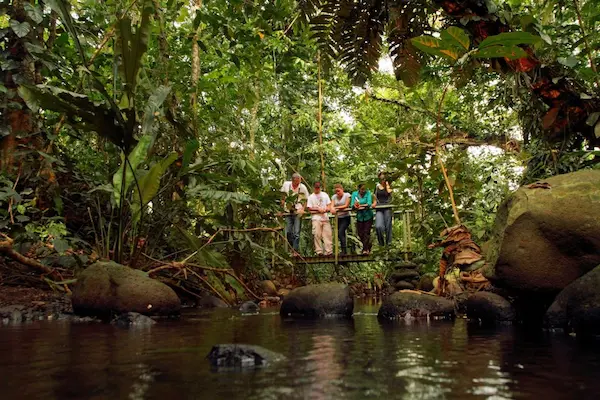
Technology shaping eco tourism in 2026
Sustainability today is deeply connected to innovation. In 2026, technology is no longer just a support tool for travel, it actively shapes how responsible tourism is planned, managed, and experienced. Digital solutions now help destinations reduce impact, improve transparency, and offer smarter experiences without sacrificing comfort or safety.
Smart systems and energy efficiency
Eco-focused accommodations now integrate:
- Smart energy monitoring
- Solar and hybrid power systems
- Advanced insulation materials
- Efficient water reuse systems
Behind the scenes, infrastructure relies on concepts similar to Types of electrical energy, applied to optimize consumption and reduce waste.
Sustainable materials and construction
Eco tourism projects increasingly prioritize:
- Recycled components
- Natural composites
- Long-life materials
The use of responsible Raw material for plastic production helps reduce dependency on harmful substances while maintaining durability.
The role of transportation in sustainable travel
Transportation remains one of tourism’s biggest challenges.
Low-impact mobility solutions
Eco tourism favors:
- Electric vehicles
- Rail over air when possible
- Carbon-offset flight programs
- Non-motorized transport locally
These choices significantly reduce emissions compared to traditional tour circuits.
Infrastructure durability and adaptation
Materials used in transport infrastructure now focus on longevity and safety. In many cases, Impact modifiers for PVC are applied to improve resistance, reduce maintenance, and extend lifecycle without increasing environmental costs.
Traveler behavior in 2026: a mindset shift
Travelers are no longer passive consumers. In 2026, people approach travel with intention, curiosity, and a growing sense of responsibility. Trips are no longer defined only by price or convenience, but by the values they reflect and the impact they leave behind.
This mindset shift is reshaping demand across the entire tourism industry.
What modern travelers care about
Recent surveys and booking trends point to clear priorities influencing travel decisions.
Travelers increasingly look for:
- Authentic cultural exchange rather than staged experiences
- Environmental responsibility backed by real action
- Transparency from brands about operations and impact
- Ethical labor practices that support local communities
These expectations create natural alignment with eco tourism models, which are built around accountability, respect, and long-term value.
Experience over consumption
Instead of collecting destinations, travelers are seeking depth and meaning. The focus has moved away from volume and speed toward connection and understanding.
What matters now includes:
- Meaningful interactions with local people
- Learning experiences tied to nature and culture
- Emotional connection with the places visited
This shift favors travel models designed around immersion and intention. Rather than asking “How much can I see?”, travelers are asking “What will I take away from this experience?” a question that reshapes how tourism is designed and delivered.
Certifications and standards in eco tourism
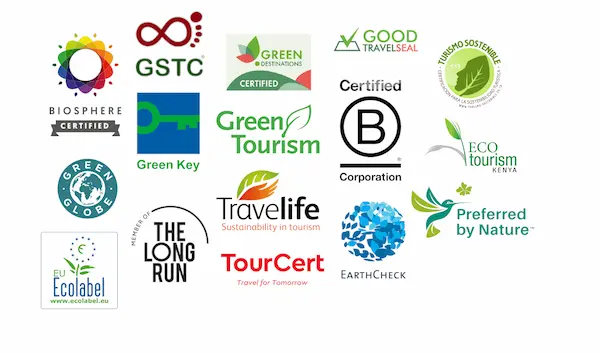
Greenwashing is no longer tolerated. In 2026, vague sustainability claims are quickly questioned by travelers, regulators, and even local communities. Certifications and standards now play a critical role in separating genuine practices from marketing noise, helping people make informed and responsible travel decisions.
Why certifications matter
Certifications provide structure and credibility in a crowded tourism landscape.
- They set clear environmental and social benchmarks
- They require ongoing compliance, not one-time promises
- They improve transparency across the entire value chain
For travelers, certifications offer reassurance. For operators, they create accountability and long-term trust.
Common certification criteria
While standards vary by region and organization, most certifications evaluate similar core areas:
- Environmental management and conservation efforts
- Responsible use of energy and water
- Fair labor practices and community engagement
- Cultural preservation and ethical operations
These criteria ensure that sustainability is integrated into daily operations, not treated as an add-on.
How travelers can verify real commitment
In 2026, verifying sustainability claims is easier than ever.
- Public access to audit results and performance data
- Independent verification by third-party organizations
- Clear reporting on social and environmental impact
This transparency empowers travelers to support destinations and operators that genuinely invest in long-term responsibility.
You may also be interested in: Salkantay vs Lares trek: inca trail alternatives to reach Machu Picchu
Economic viability of eco tourism
One myth continues to surface in travel discussions: that responsible tourism models are idealistic but not profitable. In reality, data from destinations around the world tells a very different story. When designed correctly, sustainability-driven tourism is not only viable — it’s financially smart.
Long-term profitability
Short-term gains often come with hidden costs. Eco tourism takes a different approach, focusing on stability and efficiency over time.
Key economic benefits include:
- Lower operational costs due to efficient energy and water use
- Loyal travelers who return and recommend experiences
- Strong brand reputation built on trust and transparency
- Reduced regulatory risk as environmental standards tighten
Instead of reacting to regulations and crises, sustainable operations are prepared for them. Over time, this reduces uncertainty and protects margins.
Risk management and resilience
Destinations built around responsible practices tend to be more resilient when challenges arise.
They recover faster from:
- Environmental disruptions such as climate events
- Economic downturns that reduce mass travel
- Social conflicts linked to resource pressure
Diversification plays a key role here. Community involvement spreads economic benefits across multiple sectors, reducing dependence on a single income source. This creates tourism systems that are not only profitable, but durable in the face of change.
Traditional tourism adapting to sustainability pressure
Not all traditional tourism players resist change. As traveler expectations shift and regulations tighten, many established operators are actively rethinking how they operate. Sustainability is no longer a niche concern, it’s becoming a baseline requirement to stay competitive.
Hybrid tourism models
Across the industry, hybrid approaches are emerging that blend conventional tourism infrastructure with more responsible practices.
Many resorts and tour operators now integrate:
- Eco-certified operational standards
- Local sourcing of food, materials, and services
- Reduced energy and water consumption
- Environmental education programs for guests
These efforts help reduce impact while maintaining the comfort and scale expected by mainstream travelers. In many cases, this hybrid approach serves as a transitional model, narrowing the gap between older systems and more sustainable frameworks.
Limits of adaptation
Despite these improvements, scale remains a fundamental challenge. High-volume tourism relies on concentrated visitor flows, extensive infrastructure, and continuous resource use. Without structural change, these systems struggle to fully align with environmental and community-focused principles.
Efficiency gains can reduce damage, but they rarely eliminate it. True alignment requires rethinking growth models, capacity limits, and long-term destination planning, changes that go beyond surface-level adjustments.
You may also be interested in: Interesting Facts About the Incas: Unsolved Mysteries and Theories
The future outlook beyond 2026
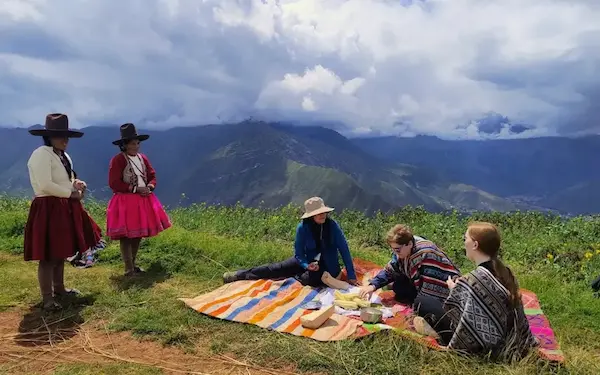
Eco tourism isn’t a phase. It’s a direction. The global travel industry is moving toward models that balance economic activity with environmental protection and social responsibility. Beyond 2026, this shift will only become more pronounced as destinations face increasing pressure to prove their long-term viability.
Travel choices are becoming more values-driven, and destinations that adapt early are setting themselves up for resilience, relevance, and sustained demand.
Policy and regulation trends
Governments around the world are playing a more active role in shaping tourism’s future. Rather than reacting to damage after it occurs, policy is increasingly focused on prevention.
Key regulatory trends include:
- Higher taxes on high-impact tourism activities
- Financial incentives for sustainable infrastructure and operations
- Stricter limits on access to fragile ecosystems
- Mandatory reporting on environmental and social impact
These measures are accelerating the transition toward responsible tourism models and raising the baseline expectations for all operators.
What destinations must do to stay relevant
In this evolving landscape, success is no longer measured only by visitor numbers. Long-term relevance depends on strategic planning and accountability.
Destinations that thrive focus on:
- Defining and enforcing realistic capacity limits
- Investing in sustainable systems early, not reactively
- Educating both staff and visitors about responsible behavior
- Measuring real impact instead of relying on assumptions
Those that ignore this shift risk overexploitation, loss of identity, and declining traveler trust. The future belongs to destinations that treat sustainability not as a trend, but as a core operating principle.
Conclusion: choosing the right path for travel
In 2026, the debate between eco tourism and traditional tourism is no longer abstract. It’s visible in landscapes, communities, and traveler expectations.
Eco tourism offers:
- Lower environmental impact
- Stronger local economies
- Meaningful travel experiences
- Long-term sustainability
Traditional tourism still has a place, but only when it evolves responsibly.
The future of travel belongs to those who understand that growth without balance is no longer an option — and that eco tourism is not just better travel, but smarter travel.

