
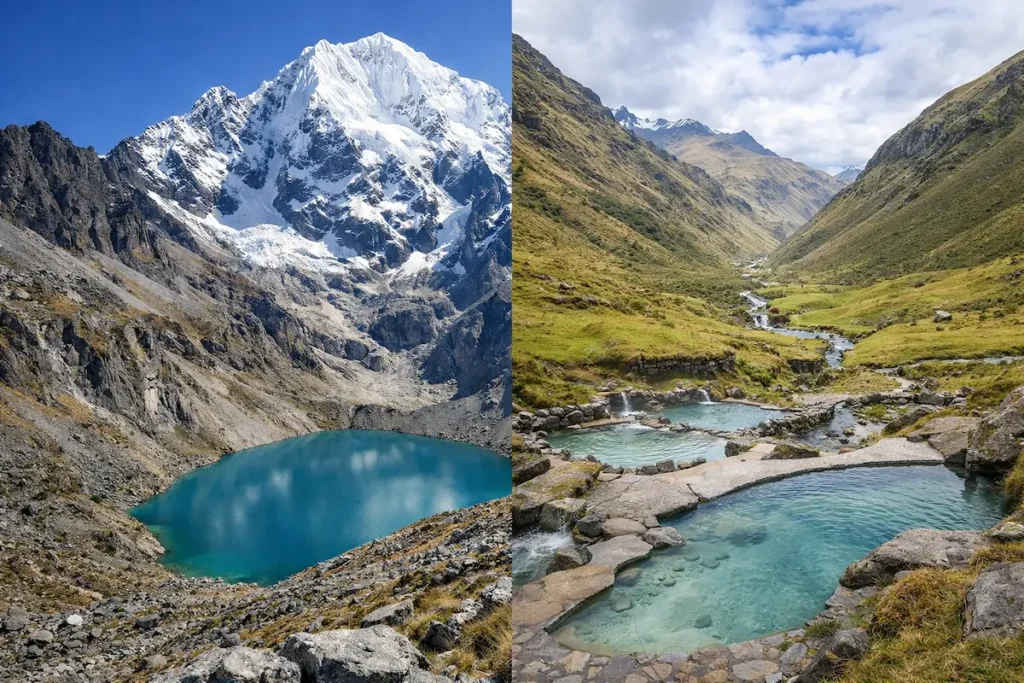
Hiking to Machu Picchu does not always mean walking the classic Inca Trail. Due to limited permits and high demand, many travelers now look for alternative routes that offer stunning landscapes, cultural encounters and a less crowded experience. Among the most popular options, the comparison between Salkantay vs Lares trek stands out as one of the most searched topics by hikers planning their journey in Peru, especially among travelers looking for flexible and scenic alternatives to the Inca Trail.
Both treks lead you through the heart of the Andes and connect to Machu Picchu, but each one offers a very different experience. Understanding their differences will help you choose the route that best matches your travel style.
You may also be interested in: Interesting Facts About the Incas: Unsolved Mysteries and Theories
Why choose an inca trail alternative to Machu Picchu
Choosing an alternative route to Machu Picchu allows travelers to experience the Andes beyond the classic Inca Trail. These treks combine flexibility, authenticity and breathtaking scenery, making them an excellent option for those seeking a more personalized and less restrictive hiking experience in Peru.
Limited permits and high demand for the classic inca trail
The classic Inca Trail has strict daily limits on visitors, and permits often sell out months in advance, especially during high season. This limited availability can restrict travel dates and planning flexibility, pushing many travelers to look for alternative routes that offer similar or even more diverse experiences without the long waiting time.
Benefits of alternative treks in the Peruvian Andes
Inca trail alternatives usually offer greater availability, varied ecosystems and a stronger sense of exploration. These routes often pass through remote Andean landscapes and traditional communities, providing quieter trails, fewer crowds and the chance to discover lesser-known areas while still reaching Machu Picchu.
Overview of the Salkantay trek
The Salkantay trek is one of the most scenic and adventurous routes to Machu Picchu, ideal for travelers seeking high-altitude landscapes and a challenging hiking experience. Known for its dramatic natural beauty, this trek offers a strong alternative to the classic Inca Trail while showcasing some of the most impressive mountain scenery in Peru.
Route, distance and altitude of the Salkantay trek
The Salkantay trek is a high-altitude route that crosses mountain passes above 4,600 meters (15,000 feet). It typically takes 4 to 5 days and covers approximately 60 kilometers, making it one of the most physically demanding yet rewarding treks to Machu Picchu.
Natural highlights: glaciers, lakes and mountain views
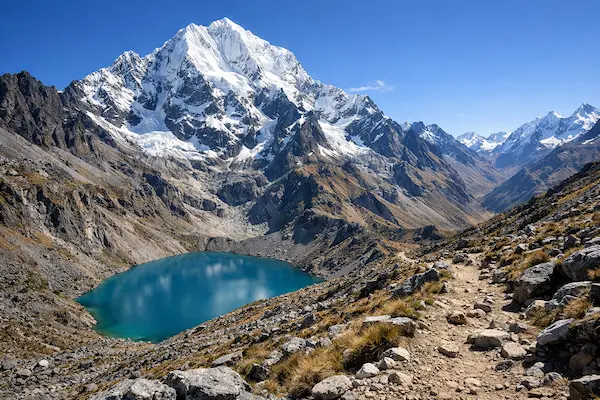
This route is renowned for its dramatic scenery. Hikers pass towering snow-capped peaks, turquoise glacial lakes such as Humantay, and remote Andean valleys. For travelers seeking epic landscapes and untouched nature, Salkantay is often considered the top choice.
Difficulty level and physical requirements
Due to its altitude and long daily distances, the Salkantay trek is considered moderately difficult to challenge. A good level of physical fitness, prior hiking experience and proper acclimatization are essential for a safe and enjoyable trek.
Best time of year to hike the Salkantay trek
The dry season from May to September offers the best hiking conditions, with clear skies and colder nights. Shoulder months like April and October are also popular, as they provide fewer crowds and milder weather while maintaining good trail conditions.
Travelers interested in professionally organized Salkantay Treks often choose guided services that manage logistics, safety measures and local expertise, allowing them to fully focus on the trekking experience.
Overview of the Lares trek
The Lares trek is a quieter and more culturally immersive alternative to the classic Inca Trail, ideal for travelers seeking a balanced combination of hiking, relaxation and authentic Andean life. Its gentler pace and unique features make it especially appealing to those who prefer a less strenuous route to Machu Picchu.
Route, distance and altitude of the Lares trek
The Lares trek is generally shorter and less demanding than Salkantay. It typically lasts 3 to 4 days and reaches lower altitudes, making it more accessible for travelers who want a gentler hike without sacrificing scenic beauty.
Hot springs and cultural experiences along the way
One of the main highlights of the Lares trek is the opportunity to relax in natural hot springs after hiking days. The route also passes through traditional Andean communities, offering meaningful cultural interactions and insight into local lifestyles rarely seen on more popular routes.
Difficulty level and hiking conditions
Lares is considered moderate in difficulty. Although altitude remains a factor, daily hiking distances are shorter and the terrain is less strenuous, making it suitable for travelers with moderate fitness levels or limited trekking experience.
Best season to hike the Lares trek
As with Salkantay, the dry season offers the best hiking conditions. However, due to its lower altitude and warmer climate, the Lares trek is often considered a good year-round option, including shoulder months when weather conditions can be more variable.
Many travelers interested in cultural immersion and relaxation choose guided Lares Treks, which combine scenic hiking with authentic local experiences and logistical support.
You may also be interested in: Where to eat in Arequipa to feel like a true local
Salkantay vs Lares trek: main differences explained
When comparing Salkantay vs Lares trek, the key differences lie in scenery, cultural exposure and overall trekking intensity. While both routes are excellent alternatives to the Inca Trail, they offer distinct experiences that appeal to different types of travelers.
Landscape and scenery comparison in Salkantay vs Lares trek
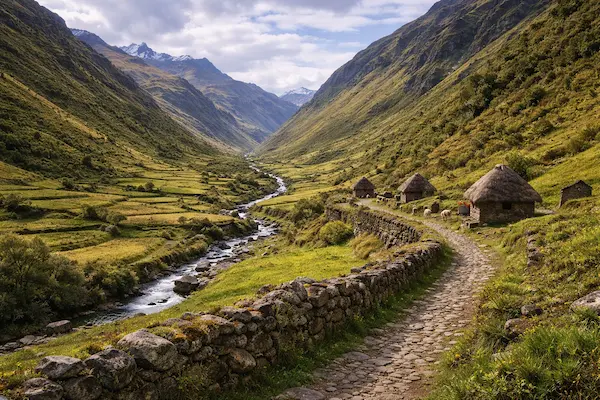
Salkantay is defined by dramatic high-mountain landscapes, featuring towering snow-capped peaks, glaciers and alpine lakes. In contrast, Lares showcases gentler scenery, with wide valleys, rural farmlands and natural hot springs that create a more relaxed visual experience.
Cultural immersion and local communities
Lares provides stronger cultural interaction, as hikers pass through remote Andean villages and interact closely with local communities. Salkantay, on the other hand, is more nature-focused, with fewer settlements along the route and a greater emphasis on pristine mountain environments.
Altitude, difficulty and acclimatization needs
Salkantay reaches higher altitudes and demands stronger physical preparation and acclimatization. Lares is generally more forgiving for travelers concerned about altitude sickness, making it a suitable option for those with moderate fitness levels.
Crowds and overall trekking experience
Both routes are significantly less crowded than the classic Inca Trail. However, Lares is usually quieter, offering a more peaceful and introspective trekking experience, ideal for travelers seeking solitude and a slower pace.
Which trek is better for your travel style?
Choosing between Salkantay vs Lares trek depends largely on your personal travel preferences, physical condition and the type of experience you want in the Andes. Both routes offer unique advantages, making it important to align your choice with your expectations and comfort level.
Best option for adventure and mountain lovers in Salkantay vs Lares trek
If you are drawn to challenging hikes, high-altitude passes and dramatic mountain scenery, Salkantay is likely the better choice. This trek appeals to adventure seekers who enjoy physically demanding routes and breathtaking alpine landscapes.
Best option for relaxation and cultural travelers
If you value cultural experiences, interaction with local communities and time for physical recovery, Lares is an excellent alternative. The presence of natural hot springs and a slower trekking pace make it ideal for travelers seeking a balanced and immersive journey.
Choosing based on fitness level and travel time
Travelers with limited time or moderate fitness levels often prefer Lares due to its shorter duration and gentler terrain. More experienced hikers or those looking for a physically intense adventure tend to enjoy the challenge and length of the Salkantay trek.
Cost, permits and logistics: Salkantay vs Lares trek
Understanding the costs, permit requirements and logistical differences between Salkantay vs Lares trek helps travelers plan their journey to Machu Picchu more efficiently. Both routes offer greater flexibility and accessibility compared to the classic Inca Trail, making them attractive options for a wide range of travel styles and budgets.
Average prices and inclusions
Both treks are generally more affordable than the classic Inca Trail. Prices vary depending on group size, services included and trek duration, often covering essentials such as guides, meals, camping equipment and transportation. Optional add-ons like private tours or upgraded accommodation may affect the final cost.
Permits and availability
Unlike the Inca Trail, Salkantay and Lares do not require limited permits, which allows for greater flexibility when choosing travel dates. This availability makes them ideal for travelers with short planning timelines or those seeking alternatives during peak season.
Guided tours vs independent trekking
Hiring a professional Peru tour operator can significantly improve safety, logistics and the overall trekking experience, especially in remote Andean routes where navigation, weather conditions and altitude require local expertise. Guided tours also provide cultural insight and support throughout the journey.
How to reach Machu Picchu from Salkantay or Lares trek
Although Salkantay and Lares follow different routes through the Andes, both treks are designed to connect seamlessly with Machu Picchu. Understanding the final logistics helps travelers plan a smooth transition from the trail to the archaeological site.
Connection routes to Aguas Calientes
Both treks typically conclude with a transfer to Ollantaytambo, located in the Sacred Valley. From there, travelers take a train to Aguas Calientes, the gateway to Machu Picchu, where accommodation and final preparations for the visit are arranged.
Train and entry ticket considerations
It is strongly recommended to book train tickets and Machu Picchu entrance tickets in advance, especially during high season, when availability is limited. Planning these elements ahead ensures stress-free arrival and maximizes time at the site.
You may also be interested in: The story behind the chiribaya dog
Choosing between Salkantay vs Lares trek
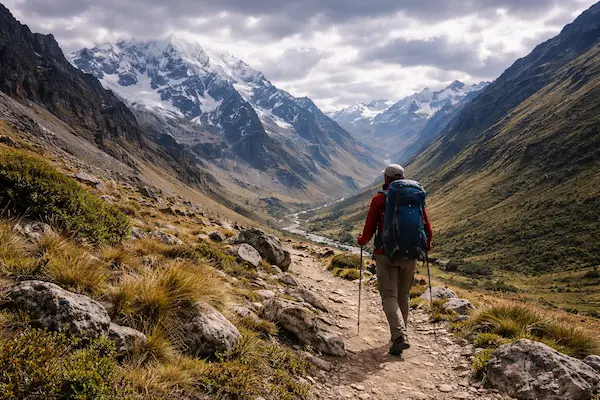
Choosing between Salkantay vs Lares trek ultimately comes down to the type of experience you want in the Peruvian Andes. Both routes offer unique perspectives, landscapes and connections to Machu Picchu, making them outstanding alternatives to the classic Inca Trail.
Key factors to consider before booking
Your fitness level, preferred scenery, interest in cultural interaction and available travel time should guide your decision. Salkantay suits travelers seeking physical challenge and dramatic mountain environments, while Lares appeals to those looking for a more relaxed pace and deeper cultural immersion.
Why both treks are excellent inca trail alternatives
Whether you choose Salkantay or Lares, both routes deliver unforgettable experiences and authentic encounters in the Andes. Their flexibility, scenic diversity and direct connection to Machu Picchu make them two of the best inca trail alternatives for travelers looking beyond the traditional route.
Is Salkantay vs Lares trek better than the Inca Trail?
Both routes offer more flexibility and fewer restrictions than the classic Inca Trail, making Salkantay vs Lares trek a popular comparison among travelers planning a more adaptable and personalized journey to Machu Picchu. For many hikers, comparing Salkantay vs Lares trek helps clarify which route better matches their fitness level, scenery preferences and overall travel style.

