
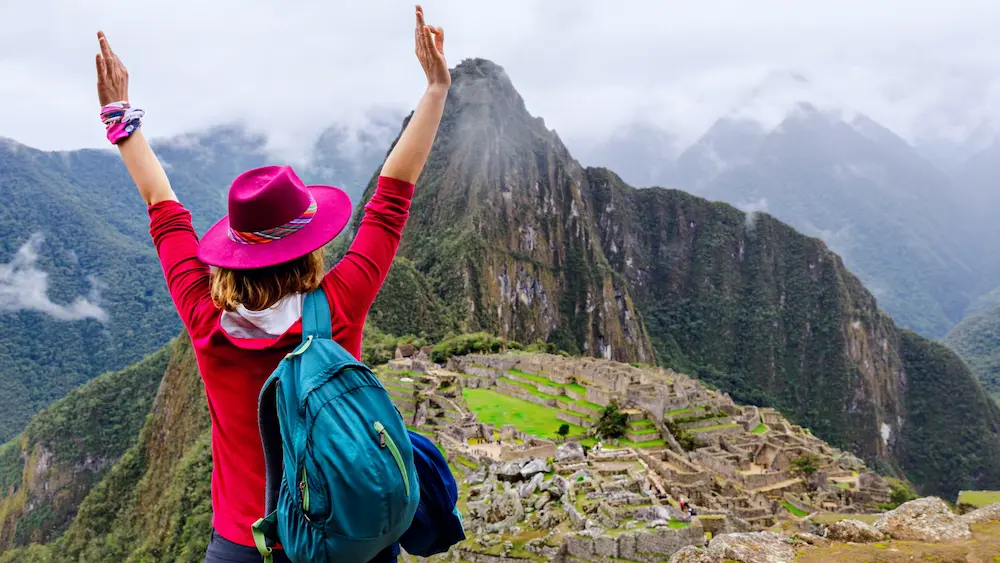
Many paths lead to Machu Picchu for its visitors. Yet, depending on the type of visitor, many options have been tailored to fit their specific needs, however, a stop in Aguas Calientes (or Machu Picchu’s town) It’s no big secret that out of all the routes, the Inca Trail is the most popular and recommended, and this opinion doesn’t come with no solid reasons to back it. The Classic Inca Trail Tour is usually the one people refer to in these conversations. However, due to time constraints or the inability to train for such a demanding trek along the ancient Qhapaq Ñan (the path of the powerful in Quechua), many visitors prefer a shorter alternative. In these cases, the one day Inca Trail hike difficulty becomes a key factor to consider, offering an intense but manageable route that makes the dream of reaching Machu Picchu possible in just one day.
What is the one day inca trail hike?
The one day Inca Trail is a shorter version of the traditional trek. Instead of 42 kilometers over four days, you’ll cover around 12 kilometers in a single day. The hike usually begins at Km 104 of the railway to Machu Picchu and ends directly at the Sun Gate (Inti Punku), offering the iconic first view of the citadel.
Compared to the classic route, this hike is shorter and requires less time commitment, but it still includes sections of original Inca stone paths, archaeological sites, and stunning mountain scenery.
You may also like to read: Traditional Inca food: What to eat and what it means
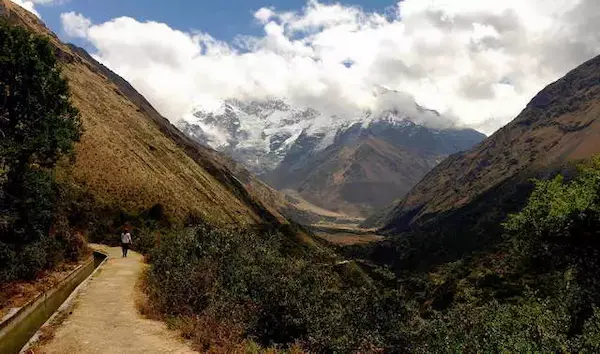
No need for risk
If you’re on a tight schedule for your visit in Cuzco, Peru, it’s always recommendable to stay in the city fot at least a couple of days before engaging on a physically demanding activity to avoid suffering from altitude sickness.
This is particularly riskier for visitors that come from places that are located at the sea’s altitude or at an altitude of 5 000 ft. or less. If you rush your plans to begin with a hike, you might end up having a disgusting experience since the most common sypmtoms are vomits, nausea, headaches, dizziness and so on (you can even faint if you’re not acclimatized properly).
Kenko Adventures encourages responsible practices when it comes to adventure touristic packages like the ones we’ll be delving in furtherly in this article. So please, make sure to follow the guidelines that we’re sharing with you to help us to ensure the best possible experience.
So, is it possible to get through the Inca Trail in only one day?
The short answer is yes, with the recommendations previously mentioned. It’s important to note that this trek is not an easy task if you plan to rush through it, but at the end of the day, it can be absolutely worth it if it fits within your travel possibilities. While guides are well prepared to handle any unexpected situation, completing the hike ultimately depends more on you as the visitor than on anyone else.
The one day Inca Trail has become increasingly popular in recent years, and today it’s offered by almost every Peru tour operator. This version of the trek should not be confused with the two-day Inca Trail, which often creates some misunderstanding. The two-day option includes hiking part of the Inca Trail on the first day and visiting Machu Picchu the next morning.
By contrast, the one-day Inca Trail combines both experiences into a single adventure: you hike along the Inca path, visit archaeological sites like Wiñay Wayna, and finally enter Machu Picchu through the Sun Gate, returning to Cusco on the same day. This is what distinguishes it from the two-day trek and explains the difference in cost and logistics.
You may also like to read: The 10 best travel companies in Peru
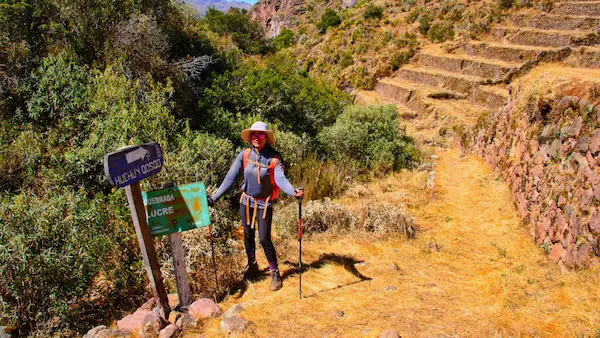
Understanding the one day inca trail hike difficulty
La one day Inca Trail hike difficulty se considera moderada, pero depende de varios factores como la altitud, el estado físico del viajero y las condiciones climáticas. Aunque es más corta que el recorrido clásico de cuatro días, no debe subestimarse: los ascensos son exigentes y la caminata requiere constancia y preparación previa.
Main factors that influence the difficulty
Several elements determine the one day Inca Trail hike difficulty. Even though it is shorter than the classic 4-day trek, hikers should not underestimate its physical demands. The main factors are:
Altitude
The trek starts at around 2,100 meters (6,890 ft) above sea level at Km 104 and climbs up to 2,720 meters (8,923 ft) at the Sun Gate, or Inti Punku. While this is lower than the high passes of the classic Inca Trail, altitude can still cause fatigue, shortness of breath, or mild headaches for those who are not acclimatized. Spending a couple of days in Cusco or the Sacred Valley before hiking greatly reduces these risks.
Elevation gain
The first two hours of the hike are the most physically demanding. This section includes steep uphill climbs and stone staircases built by the Incas. The constant ascent requires stamina and steady pacing, so hikers who rush may tire quickly. Once past the steepest sections, the trail becomes more manageable with rolling paths and gentler climbs.
Distance and duration
Although the route covers only 10–12 kilometers (6–7.5 miles), it usually takes 5 to 7 hours to complete. The length of the hike depends on your pace, breaks, and time spent exploring archaeological sites such as Wiñay Wayna. The duration is not extreme, but the combination of distance, altitude, and terrain makes it moderately challenging.
Weather conditions
Climate is another factor that directly affects the difficulty.
- During the dry season (May to October), skies are usually clear, but hikers face strong sun exposure. Dehydration and heat can increase fatigue, especially in the middle of the day.
- In the rainy season (November to March), paths become muddy and slippery, particularly on steep stone steps. Rain also increases the risk of slips and requires more caution.
In short, the one day Inca Trail hike difficulty is moderate, but factors such as altitude, steep ascents, total hiking time, and weather conditions make preparation and pacing essential for an enjoyable experience.
Physical requirements for the trek
No es necesario ser atleta ni montañista, pero sí contar con un nivel de condición física promedio. Caminar de forma regular, subir escaleras o realizar actividades cardiovasculares antes del viaje ayuda a disfrutar la ruta sin agotarse.
Los viajeros con problemas respiratorios o de rodillas deben consultar con su médico y considerar el uso de bastones de trekking para reducir el impacto en las articulaciones.
You may also like: What to do in Cusco when you’re short on time
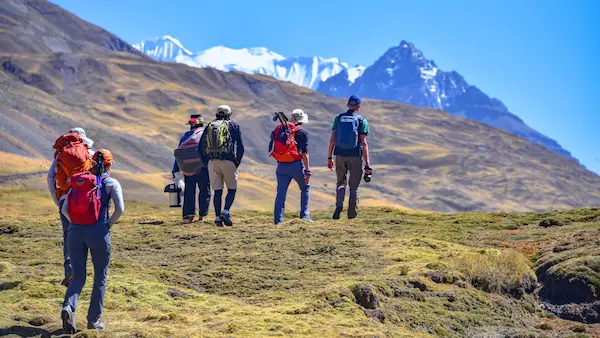
Comparison with other Inca Trail routes
When deciding which version of the Inca Trail to take, it’s important to understand how the one day Inca Trail hike difficulty compares with the classic multi-day options. Each route offers a unique experience, with varying levels of challenge, altitude, and time commitment.
4-day Inca Trail
This is the iconic and most demanding version of the trek. Covering about 42 kilometers (26 miles), it takes hikers through multiple ecosystems and ancient Inca sites before arriving at Machu Picchu. The highest point is the famous Dead Woman’s Pass at 4,215 meters (13,828 ft), which requires strong physical preparation, endurance, and acclimatization. The daily hikes can last 6–8 hours, often with steep ascents and descents. The classic Inca Trail is ideal for adventurous travelers with several days available and the stamina for high-altitude trekking.
2-day Inca Trail
Also known as the “short Inca Trail,” this option combines the one-day hike with an overnight stay in Aguas Calientes, the town at the base of Machu Picchu. On the first day, hikers follow the same route as the one-day trek, including the climb past Wiñay Wayna and the arrival at the Sun Gate (Inti Punku). Instead of visiting Machu Picchu right away, travelers rest overnight and explore the citadel the next morning with more energy. This version reduces pressure on time and allows for a more relaxed pace, making it a good choice for families or travelers who want the Inca Trail experience without the intensity of the 4-day route.
One day Inca Trail
The most compact option, covering 10–12 kilometers (6–7.5 miles) in a single day. Although the altitude is lower and the distance shorter, the steep ascents and continuous climb during the first hours make it moderately challenging. It is an intense but rewarding experience, perfect for those short on time or who prefer not to camp. The hike still includes archaeological sites and the unforgettable first view of Machu Picchu from the Sun Gate, offering a taste of the classic trail in just one day.
You may also like to read: All about the cultural traditions of Peru
Who can complete the one day Inca Trail?
Many travelers wonder whether the one day Inca Trail hike difficulty makes it suitable for them. The good news is that this trek is designed for people with average fitness levels, and with basic preparation, most visitors can complete it successfully.
Recommended fitness level
Anyone with a normal level of physical fitness can handle the hike. Regular walking, light cardio, and stair climbing are excellent ways to prepare. The most important factor is endurance rather than speed, since the trail includes steady uphill climbs and stone steps. Hikers who exercise a few times per week usually find the hike challenging but rewarding.
Age considerations
This trek is suitable for a wide range of ages. Young travelers often enjoy the adventure, while healthy older adults can also complete the trail at their own pace. Even teenagers with good fitness levels are able to handle it, provided they are supervised by adults. Ultimately, the hike is more about pacing and preparation than age itself.
Preparing for the one day Inca Trail hike
Proper preparation is the key to making the most of the one day Inca Trail hike difficulty. A few weeks of training, the right equipment, and good acclimatization will make the experience far more enjoyable.
Essential training before your trip
Two or three months before your journey, start incorporating activities such as:
- Long walks several times a week.
- Light hiking on local trails.
- Stair climbing or step workouts to simulate the stone steps of the Inca Trail.
This type of preparation builds stamina and leg strength, reducing fatigue on the trail.
Recommended gear and equipment
- Footwear: sturdy hiking shoes or boots with non-slip soles are essential. Avoid brand-new shoes to prevent blisters.
- Light backpack: carry water, snacks, sunscreen, a poncho or rain jacket, and your camera. Keep it under 5–6 kg to avoid unnecessary strain.
- Trekking poles: optional but very useful, especially on steep descents and stone staircases. They reduce pressure on the knees and improve balance.
Importance of acclimatization
Altitude is often underestimated when considering the one day Inca Trail hike difficulty. Even though the trek doesn’t reach the extreme heights of the classic trail, the ascent can still feel challenging for those not acclimatized. Arriving in Cusco at least two days before the hike allows your body to adjust gradually. This also gives you the chance to explore Cusco, the Sacred Valley, or nearby ruins before tackling the trail.
Final thoughts on the one day Inca Trail hike difficulty
The one day Inca Trail hike difficulty may sound intimidating at first, but with the right preparation, it becomes one of the most rewarding adventures you can experience in Peru. It’s a perfect balance: challenging enough to feel like an achievement, yet accessible for travelers of all ages who want a taste of the legendary Inca Trail without the multi-day commitment.
Reaching the Sun Gate and seeing Machu Picchu for the very first time after hours of climbing is a moment that stays with you forever. The effort, the sweat, and every step along the way only make the view more magical. So lace up your hiking shoes, bring your sense of adventure, and get ready to turn a single day into a lifetime memory!

