
The Inca ruins in cusco are much more than insignificant stones; they are a pathway through Peru’s living history. Those who walk its pathways not only experience grand scenic views, but also experience ancient settlements that embody the purest Inca Essence and the living legacy of a community that has inhabited the mountains and valleys for centuries.
Throughout Sacred Valley every step gives a sense of living tradition to these significant historical moments. Visiting from space to space through the inca ruins begs you to feel the essence of a community that still speaks Quechua, performs cultural traditions and lives upon the land as their ancestors did. Here, history is not read in the book; it is smelled, touched, engulfed, and tasted by the senses.
To walk through the inca ruins in cusco is to walk through the vibrant heartbeat of the Tahuantinsuyu, passing not only sacred temples but also agricultural terraces, colonial villages and vistas that feel as if time has stood completely still. Not only is this journey enriching in culture but extends human perception and behaviour in regards to the human-nature and Inca legacy relationship
You may also like: Travel inspiration: How to plan a trip to Machu Picchu
The Sacred Valley: The Heart of the Inca Empire
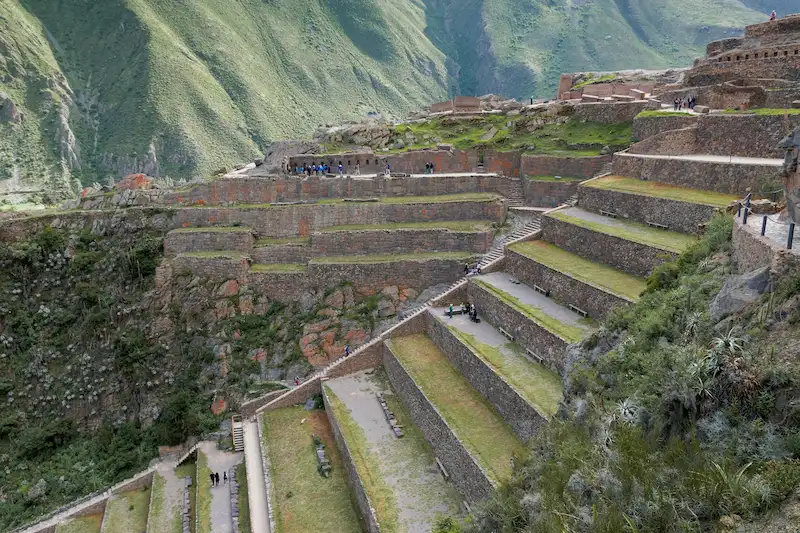
Since ancient times, the Sacred Valley was a vital axis of the Inca Empire. Thanks to its temperate climate, fertility, and strategic location, the main agricultural and religious centers of the Tahuantinsuyu flourished here. Therefore, every visit to the Inca ruins in Cusco is an opportunity to understand the grandeur of this civilization and its connection with nature.
Many travelers choose the 4-day Inca Trail route, a comprehensive journey that allows them to appreciate the contrasts of the valley, its ancient villages, and the majesty of the Andes. This tour combines history, archaeology, and adventure, making Inca ruins an experience as challenging as it is enriching.
The Connection Between the Sacred Valley and the Inca Ruins
The Inca ruins in Cusco find their ideal starting point in the Sacred Valley. This territory was one of the most important routes of the Qhapaq Ñan, the road system that connected the four Suyos of the empire. From here, travelers can feel the ancestral energy that drove the ancient messengers or chasquis to travel miles carrying news and offerings to the sacred temples.
Exploring the Sacred Valley means delving into the soul of the Andean world. At each stop, local customs, craft markets, and the hospitality of the locals offer an authentic experience. It’s not just about visiting ruins; it’s about discovering a way of life that has remained intact for centuries.
Landscapes, rivers, and Mountains that Surround the Inca Ruins in Cusco
One of the greatest attractions of the Inca ruins is their natural surroundings. From the snow-capped peaks of the Andes to valleys covered in corn and quinoa, the region offers unique views along every stretch. The Urubamba River meanders alongside ancient trails, while the mountains majestically protect the routes once traveled by the Incas.
Along the way, travelers can enjoy natural viewpoints where they can observe the union of nature and Inca architecture. These views make the ruins one of the most complete experiences for those seeking adventure, culture, and spiritual connection. Those who take the longer route, known as the inca trail 4 days, say that each sunrise at high altitude offers a unique sense of freedom and wonder.
You may also like: Travel to Peru: Where Ancient Civilizations Meet Living Traditions

Historic Villages You’ll Discover Near the Inca Ruins in Cusco
The Inca Ruins in Cusco not only connect archaeological trails but also link to villages that preserve the essence of the ancient empire intact. Each has its own history, rhythm, and way of understanding the world. These places are guardians of Andean memory and constitute the most human part of the journey through the Sacred Valley.
Visiting them means delving into colorful markets, ancient temples, and cobblestone streets that preserve the original Inca layout. In these villages, modernity and tradition coexist in balance. Exploring the Inca Ruins in Cusco offers the opportunity to hear stories passed down from generation to generation, taste ancestral foods, and share with families who keep the customs of the ayllu alive.
Pisac: textile tradition and Inca archaeological legacy
Pisac is one of the most emblematic destinations near the Inca Ruins. This town combines the most authentic textile art with an impressive archaeological complex that overlooks the valley from above. Visitors can tour the agricultural terraces, sun temples, and ancient Inca cemeteries that reveal the spiritual importance of the site.
The Pisac artisan market is another of its major attractions. There, residents offer textiles made with ancestral techniques and natural dyes, keeping the legacy of their ancestors alive. In the context of the Inca Ruins in Cusco, Pisac represents the first encounter between the traveler and Andean cultural identity in its purest form.
Ollantaytambo: The Living Inca City
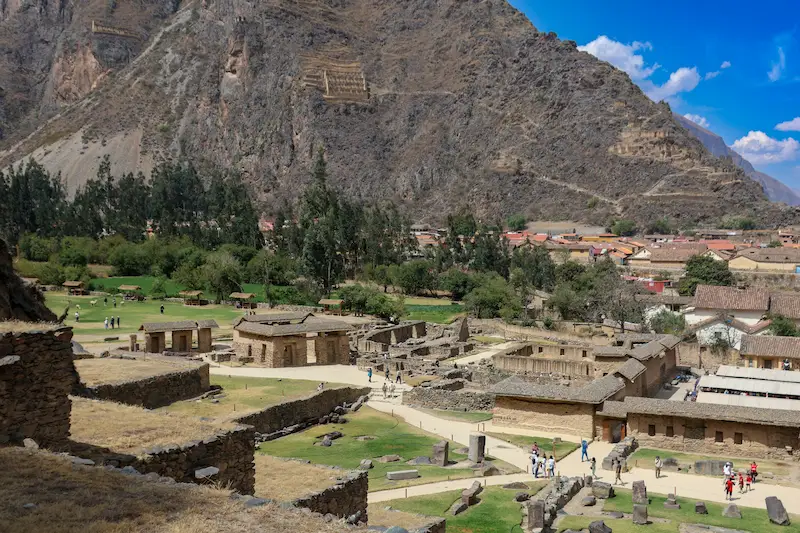
Ollantaytambo is, without a doubt, a must-see stop among the Inca Ruins in Cusco. Known as the “living Inca city,” it preserves its original urban layout and an impressive fortress that served as a strategic defense point. Walking through its cobblestone streets is like going back centuries in time and understanding how urban planning worked during the empire.
Here, the houses are built on the foundations of ancient Inca dwellings, and water still flows through the stone canals engineers designed more than 500 years ago. It’s also the starting point for those hiking the 2 days inca trail with camping, a shorter but equally enriching option for experiencing the energy of the Tahuantinsuyu.
Chinchero: Where Time Stood Still
Among the mountains surrounding the Sacred Valley lies Chinchero, a town where past and present merge into a single image. This destination, closely linked to the Inca Ruin, offers an authentic glimpse into Andean life. Its inhabitants maintain natural spinning and dyeing techniques and still use traditional looms inherited from their ancestors.
Walking through its cobblestone streets reveals a blend of Inca ruins and colonial buildings. The main church, built on the remains of an Inca palace, represents the meeting of two worlds. On Sundays, its market fills with colors, aromas, and sounds, where residents exchange goods as they did centuries ago.
Maras and Moray: Engineering and Mystery in the Heart of the Valley
A short distance from Urubamba are Maras and Moray, two places that surprise with their uniqueness. Those exploring the ruins often stop here to admire the Maras salt mines, a network of more than 3,000 pools that reflect the sun in golden hues. These salt mines, used since pre-Inca times, demonstrate the wisdom with which communities harnessed natural resources.
In Moray, travelers discover a complex of circular terraces that functioned as an agricultural laboratory. The Incas experimented with different microclimates to adapt crops to different altitudes. Visiting this place among the Inca Ruins invites us to reflect on the scientific ingenuity of the empire and the harmony with nature that always guided its actions.
Sustainable Tourism and Cultural Respect in the Inca Ruins in Cusco
Protecting the historical legacy is essential so that future generations can enjoy this experience. Current inca expeditions promote responsible tourism that seeks to balance exploration with the preservation of ecosystems and ancestral customs. During visits to the Inca Ruins in Cusco, travelers learn that each archaeological site is part of a sacred history. By walking these trails with respect and awareness, not only is the heritage preserved, but also the soul of the valley.
How to Support Andean Peoples During Your Visit
Supporting local communities allows tourism to be a tool for sustainable development. Some actions you can take include:
- Buy local products such as textiles, ceramics, or traditional foods.
- Participate in artisan workshops to learn ancestral techniques.
- Choose family or community accommodations, which distribute the income among the residents.
- Hire local guides to share their knowledge of the land and its history.
In this way, exploring the Inca Ruins in Cusco becomes a bridge between modern tourism and the traditions that still endure.
Best practices for caring for the environment and the Inca legacy
Respecting nature and archaeological remains is essential to keeping the Inca heritage alive. Some recommendations for doing so are:
- Bring reusable containers and reduce the use of plastics.
- Do not leave trash or alter ancient paths or walls.
- Always follow the instructions of official guides and do not deviate from established routes.
- Avoid polluting products and choose biodegradable items.
The Inca ruins in Cusco not only invite you to admire the landscape, but also to care for it with responsibility and commitment.
You may also like: Fishing in the amazon river of Perú
Tips to Make the Most of Your Visit to the Inca Ruins in Cusco
Exploring the ruins in Cusco requires planning, respect for nature, and a willingness to live a transformative experience. It’s not just about reaching Machu Picchu, but about enjoying every stretch, every town, and every story along the way.
Those with less time or looking for a more relaxed experience can opt for the 2 day inca trail with camping, an ideal option for enjoying the surroundings without hiking the entire route. However, the more adventurous can challenge themselves with the full trek, thoroughly exploring the valley’s historic villages.
When Is the Best Time to Visit the Inca Ruins in Cusco?
The best time to visit the ruins in Cusco is between April and October, during the dry season. During these months, the days are sunny and the landscapes are at their most magnificent. However, it’s advisable to book in advance, especially if you plan to explore popular routes like the inca trail 4 days, as access is limited to protect the natural and archaeological heritage.
During the rainy season, from November to March, the trails can become more challenging, but the landscapes are greener and more vibrant. Those who choose this time should bring waterproof clothing and enjoy the quieter charm of the Sacred Valley. In any season, the Inca ruins offer unforgettable moments for those seeking adventure and spiritual connection.
Final Recommendations for Responsible Travel
The Inca ruins are not only an opportunity for exploration, but also a commitment to cultural and environmental preservation. Each visitor has the responsibility to take care of the trails, respect local customs, and reduce their ecological impact. Bringing reusable containers, leaving no waste, and supporting local guides and artisans are gestures that make a difference.
Remember that the people of the Sacred Valley are not just tourist destinations, but living communities that deserve respect and appreciation. By taking the ruins in Cusco, you become part of a story that continues to be written with every step.
You may also like: Why Peru in october is the best month to visit

Conclusion
The Inca ruins in Cusco are not simply an archaeological tour: they are a journey into the heart of Peru, where history, culture, and nature meet in perfect balance. Travelers begin to see and learn about a way of life that still exists, a spirituality that can be felt in every mountain, and a connection deep in the heart of the land itself where they were born.
Visiting these ruins is a way to return to one’s origins and explore how the Incas lived in harmony with their surroundings while also experiencing the depth of cultural richness that still exists in every community. No matter the type of route taken, the Inca ruins will leave an unforgettable experience for anyone who visits and opens their heart while awakening their senses.

