
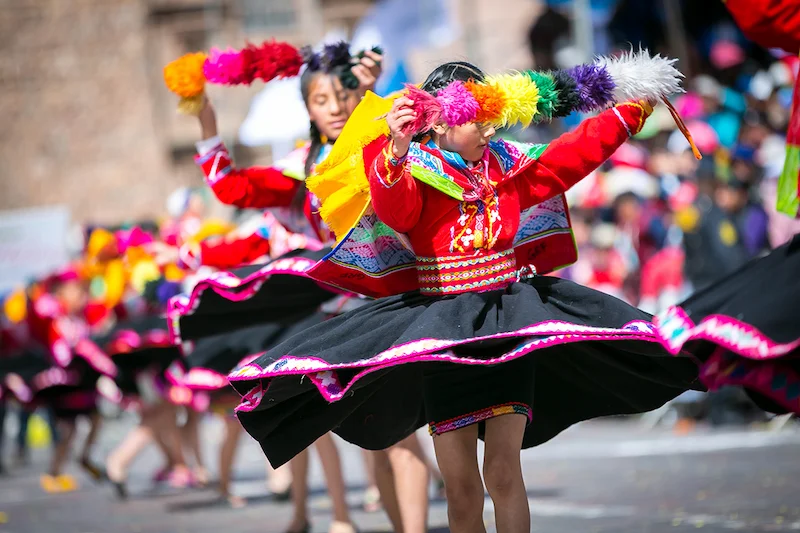
Festivals in Cusco represent a vibrant tapestry of ancient traditions and living heritage, drawing culture enthusiasts from around the world to immerse themselves in Peru’s rich Andean soul. This historic city, once the capital of the Inca Empire, pulses with events that blend indigenous rituals, colonial influences, and community spirit throughout the year.
You may also like: Travel inspiration: How to plan a trip to Machu Picchu
The best festivals in Cusco
Cusco stands as a living museum where history unfolds in colorful processions and rhythmic celebrations. These gatherings offer more than just a spectacle; they provide deep windows into the resilient spirit of the Andean people, who have preserved their customs, traditions, and rituals for centuries. The festivals are not only a feast for the eyes but also an immersive cultural experience that connects visitors to the region’s rich heritage.
Why Cusco is a cultural hub
Nestled high in the Andes at over 11,000 feet, Cusco served as the political and spiritual heart of the Inca Empire before Spanish conquest reshaped its landscape. Today, its UNESCO-listed historic center features Inca walls seamlessly integrated with colonial architecture, creating a unique backdrop for cultural expressions. The city’s elevation influences everything from festival costumes to dance movements, adapted over generations to the thin mountain air. Local Quechua communities maintain strong ties to their ancestral practices, ensuring that festivals in Cusco remain authentic and deeply rooted in tradition rather than being mere tourist recreations.
- Ancient stone streets host parades that trace Inca ceremonial routes
- Colonial churches incorporate indigenous symbols in their decorations
- Daily life revolves around seasonal cycles rooted in agricultural traditions
Importance of local festivals for travelers
Attending festivals in Cusco transforms a standard vacation into a profound cultural exchange. Visitors witness traditions that textbooks cannot capture: the emotional intensity of a dawn ceremony or the communal joy of shared meals. These events foster genuine connections between travelers and locals, breaking down barriers through universal languages of music and dance. For many, participating in these celebrations becomes the highlight of their Peruvian journey, offering insights into resilience, spirituality, and community bonds that define Andean life.
- Direct participation in rituals creates lasting memories
- Interactions with artisans reveal stories behind traditional crafts
- Culinary experiences introduce flavors tied to specific ceremonial purposes
How to plan your visit to festivals in Cusco
Strategic planning ensures that your experience with festivals in Cusco exceeds expectations while respecting local rhythms. Consider seasonal patterns, crowd dynamics, and cultural sensitivities when mapping out your itinerary.
Best time to experience festivals
Cusco’s festival calendar peaks during the dry season from May to September, when clear skies enhance outdoor celebrations. June emerges as the prime month, hosting multiple major events that coincide with the winter solstice in the Southern Hemisphere. However, shoulder seasons like April or October offer fewer crowds and potentially more authentic experiences, allowing visitors to enjoy the festivals alongside locals without the overwhelming presence of tourists.
- June 24 marks the climax of Inti Raymi celebrations
- February’s carnival season brings vibrant pre-Lent festivities
- Religious holidays align with Catholic and indigenous calendars
Tips for first-time visitors
Begin acclimatizing to Cusco’s altitude several days before festival dates to fully enjoy the physical demands of dancing and walking in processions. Book accommodations well in advance, especially during peak months when the city swells with visitors. Learn basic Quechua greetings to enhance interactions with participants. Consider working with a reputable Peru tour operator who specializes in cultural immersion experiences, ensuring access to authentic events rather than commercialized versions.
- Pack layers for dramatic temperature swings between day and night
- Carry small denominations of Peruvian soles for street vendors
- Download translation apps for Quechua-Spanish communication
Cultural etiquette to follow
Respect forms the foundation of meaningful festival participation in Cusco. When attending festivals, it is essential to ask permission before photographing individuals, especially during sacred moments. Dressing modestly when entering religious sites, covering shoulders and knees, shows respect for local customs. Visitors should avoid disrupting processions by remaining in designated viewing areas. When offered food or drink during celebrations, accept graciously, as refusal can offend hosts who prepare these offerings with ceremonial significance.
- Remove hats inside churches during religious observations
- Refrain from touching sacred objects without invitation
- Express gratitude with “gracias” or “sulpayki” in Quechua
You may also like: Why Peru in october is the best month to visit
Top 10 festivals in Cusco
Cusco’s festival lineup showcases the city’s cultural depth through events that range from ancient Inca revivals to colonial-era religious observances. Each celebration reveals different facets of local identity, from solar worship to Catholic syncretism.
1. Inti Raymi – Festival of the sun
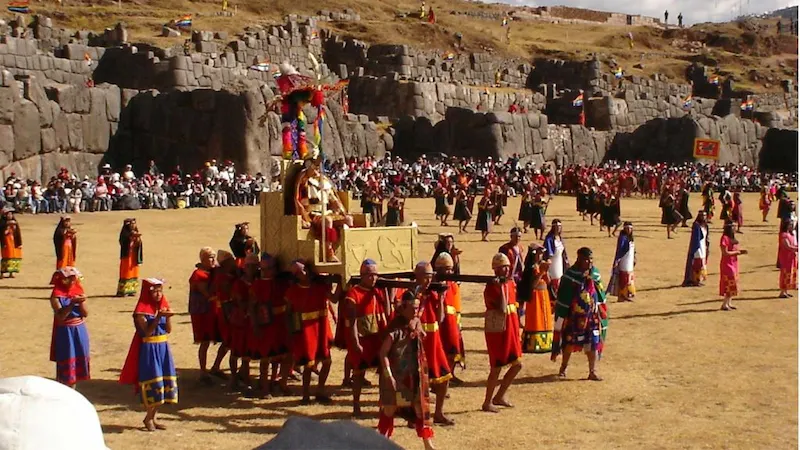
The most spectacular of all festivals in Cusco, Inti Raymi recreates the Inca Empire’s most important ceremony honoring the sun god. Held annually on June 24 at Sacsayhuamán fortress, thousands gather to witness the Inca emperor’s theatrical appearance amid elaborate costumes and Quechua chanting. The event begins with sunrise ceremonies and culminates in ritual offerings, demonstrating the sophisticated astronomical knowledge of ancient Andean civilizations.
- Over 3,000 performers participate in authentic recreations
- Golden ornaments symbolize solar rays and imperial power
- Traditional instruments create atmospheric soundscapes
2. Corpus Christi
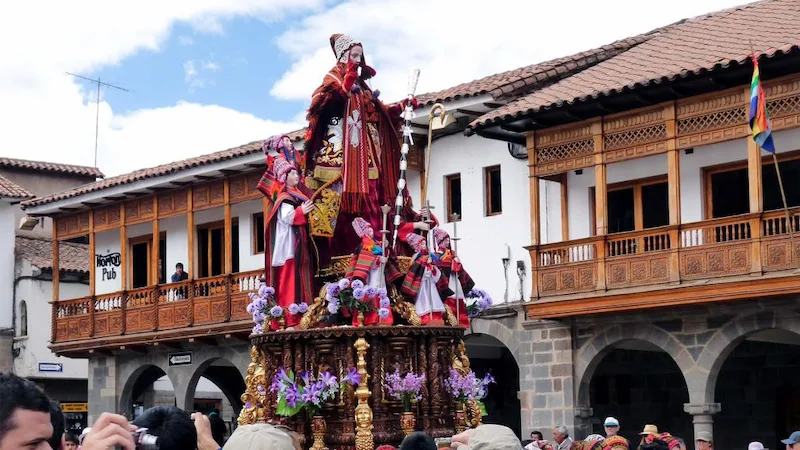
This Catholic procession transforms Cusco’s streets into a moving gallery of religious art as fifteen saints and virgins emerge from their churches for a grand parade. Silver platforms carry ornate statues adorned with fresh flowers, while brass bands accompany the procession through cobblestone streets. The event peaks in the main plaza where saints “greet” each other in a ritual that dates back to colonial times.
- Each parish competes in elaborate floral decorations
- Traditional foods like chiriuchu feature twelve sacred ingredients
- Nighttime vigils include candlelit processions
3. Qoyllur Rit’i
High in the Sinakara valley, this pilgrimage attracts thousands who trek to 16,000 feet for a unique blend of Catholic and indigenous spirituality. Participants seek blessings from the Lord of Qoyllur Rit’i while UKUKUS maintain order and perform ritual dances. The festival concludes with the symbolic ascent of symbolic ice blocks representing mountain spirits.
- Three-day pilgrimage involves camping in freezing conditions
- Symbolic ice collection maintains ancient water rituals
- Costumed characters represent mountain apus (spirits)
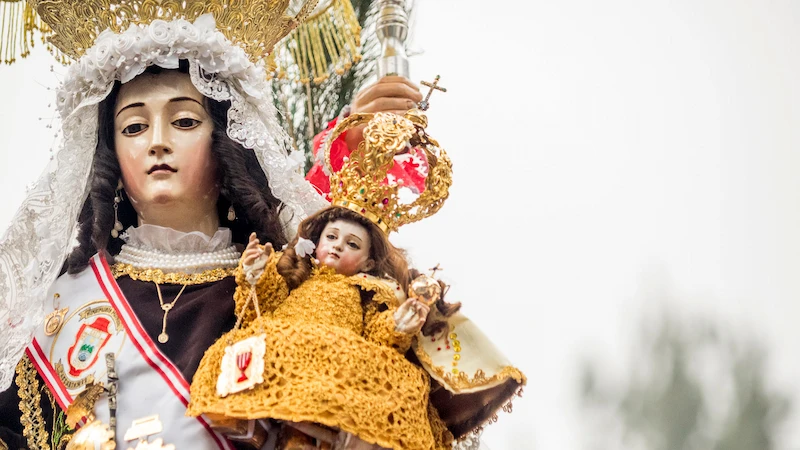
4. Feast of Our Lady of Mount Carmel
Paucartambo’s version of this celebration draws Cusco residents for a multi-day extravaganza featuring elaborate dance troupes. The virgin’s statue processes through streets while competing dance groups perform complex choreography telling stories of conquest and faith. Fireworks illuminate the night sky as dancers in demonic masks leap through flames in purification rituals.
- Dance troupes practice year-round for annual competition
- Elaborate masks require months of craftsmanship
- Balcony scenes create theatrical street performances
5. Cusco carnival
February’s pre-Lent celebration fills Cusco with water fights, foam battles, and colorful parades that temporarily suspend social norms. Local bands play traditional huayno music while participants dance through streets in elaborate costumes. The festivities culminate in the Ño Carnavalón burial, a satirical ceremony mocking authority figures.
- Water battles symbolize fertility and cleansing
- Traditional games include tree-climbing competitions
- Costume contests feature handmade creations
- Community meals strengthen social bonds
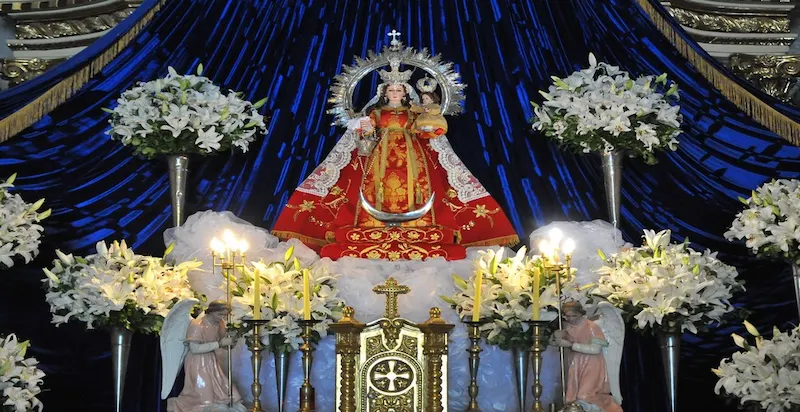
6. Virgen de la candelaria
While Puno hosts the most famous version, Cusco’s celebration features local dance troupes performing variations of the Diablada. Brass bands accompany processions where the virgin’s statue receives offerings of flowers and candles. The two-week event includes dawn masses, street performances, and elaborate costume parades.
- Dance groups incorporate local variations of national traditions
- Candle processions create magical nighttime atmospheres
- Artisan competitions showcase regional craftsmanship
7. Semana santa
Holy Week transforms Cusco into a somber yet beautiful display of faith as processions wind through ancient streets. The Lord of Earthquakes, Cusco’s patron saint, emerges on Monday in a procession that draws massive crowds. Good Friday features silent marches while Easter Sunday explodes with joyous celebrations.
- Black-clad penitents carry heavy platforms for hours
- Floral carpets cover streets for processions
- Traditional foods avoid meat during observance
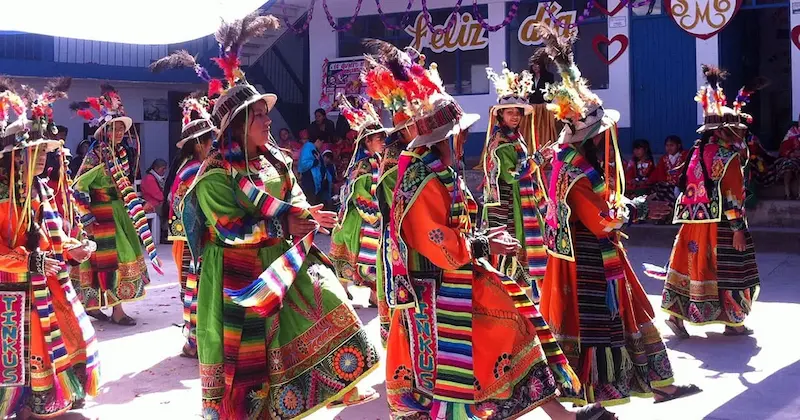
8. Festival of Andean Music
This contemporary celebration showcases Cusco’s living musical heritage through competitions and performances in the main plaza. Traditional instruments like quenas, zampoñas, and charangos fill the air with melodies that have echoed through the Andes for centuries. International artists join local musicians in cultural exchange concerts.
- Youth orchestras preserve endangered musical forms
- Instrument-making workshops educate visitors
- Recording sessions capture traditional compositions
9. Festival of Santiago
Rural communities surrounding Cusco celebrate Saint James with horse races, bullfights, and traditional dances. The event maintains strong ties to agricultural cycles, with offerings made for bountiful harvests. Local rodeos feature skilled horsemen demonstrating centuries-old techniques.
- Horse competitions test riding and roping skills
- Traditional attire showcases regional variations
- Harvest offerings ensure agricultural blessings
You may also like: Fishing in the amazon river of Perú
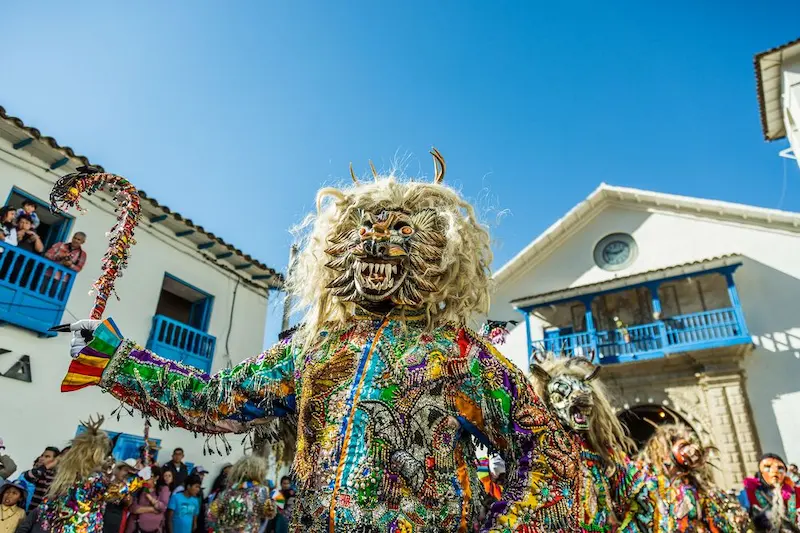
10. Paucartambo festival
Three days of continuous celebration honor the Virgen del Carmen with theater, dance, and music in this colonial town near Cusco. Dance troupes perform historical reenactments while fireworks illuminate dramatic mountain landscapes. The festival’s intensity creates an almost surreal atmosphere of devotion and artistry.
- Theatrical performances occur on multiple stages
- Costumes require year-long preparation
- Processions navigate narrow colonial streets
What to expect at festivals in Cusco
Participation in festivals in Cusco engages all senses, from the rhythmic beat of drums to the aromatic smoke of ceremonial offerings. These events create immersive environments where cultural boundaries dissolve through shared experiences.
Traditional music and dance
Andean musical traditions come to life through instruments made with local materials: condor feathers adorn the panpipes, while alpaca wool strings resonate in the charangos. Dance movements tell stories of harvest, conquest, and spiritual journeys, with performers executing complex footwork at high altitude. Each region contributes distinct styles, from the graceful movements of highland dances to the energetic steps of jungle-influenced rhythms often experienced by travelers returning from a manu jungle tour that explores the Amazon gateway just hours from Cusco.
- Circular formations symbolize community unity
- Costume details indicate social status and origin
- Call-and-response singing engages spectators
Local food and drinks
Festival cuisine reflects Cusco’s cultural fusion, blending indigenous ingredients with colonial influences. Street vendors offer roasted cuy (guinea pig) alongside Spanish-inspired pastries. Chicha morada, a purple corn drink, flows freely during celebrations, while hot cancha (toasted corn) provides quick energy for dancing spectators.
- Twelve-ingredient dishes carry symbolic meaning
- Fresh trout from sacred lakes features prominently
- Herbal infusions address altitude-related discomfort
Arts, crafts, and souvenirs
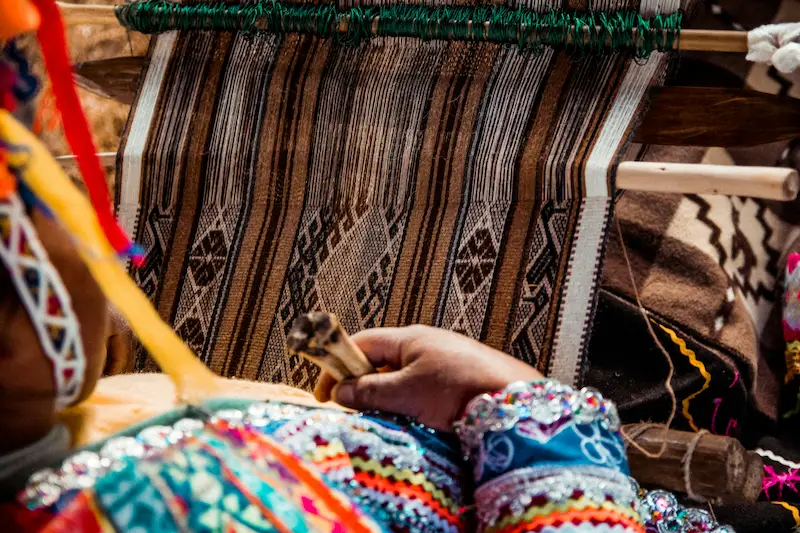
Artisan markets expand during festivals in Cusco, showcasing textiles woven with pre-Columbian patterns and silver jewelry incorporating Inca motifs. Pottery maintains shapes used in ancient ceremonies, while contemporary artists reinterpret traditional designs. Quality varies significantly, so learning to distinguish authentic craftsmanship enhances the shopping experience.
- Natural dyes create vibrant, lasting colors
- Family workshops preserve generational techniques
- Bargaining forms part of cultural exchange
- Certificates authenticate museum-quality pieces
Tips for enjoying festivals in Cusco safely
Preparation and cultural awareness help you enjoy the festivals in Cusco in a positive and respectful way. Knowing local customs and conditions lets you avoid common mistakes and fully appreciate each celebration.
Health and safety precautions
Altitude sickness affects even experienced travelers, so acclimatize gradually and stay hydrated. Coca tea helps with adjustment, but consult medical professionals about medications. Sun protection proves crucial at high elevations where UV rays intensify. Carry purification tablets for water outside established venues.
- Monitor for headache, nausea, and shortness of breath
- Limit alcohol consumption at elevation
- Use reputable transportation services
Transportation and accommodations
Festivals in Cusco periods see accommodation prices triple and availability vanish months ahead. Consider staying in surrounding valleys for more authentic experiences and easier access to certain events. For those planning broader exploration, the vistadome train to Machu Picchu offers panoramic views that complement the cultural intensity of Cusco celebrations. Public transportation becomes chaotic during major festivals, so plan routes carefully.
- Book refundable accommodations for flexible dating
- Private transfers ensure timely festival arrivals
- Local buses provide economical area exploration
Respecting local customs
Cultural sensitivity enhances experiences while preserving traditions. Photography etiquette requires permission for close-ups, especially of children or during sacred moments. Tipping performers shows appreciation but should never feel obligatory. Environmental consciousness means carrying out all waste and using reusable water bottles.
- Learn basic festival-specific greetings
- Support women artisans directly when possible
- Avoid commercial photography tours during ceremonies
- Contribute to community projects when offered
You may also like: Travel inspiration: How to plan a trip to Machu Picchu
What makes the festivals in Cusco unforgettable
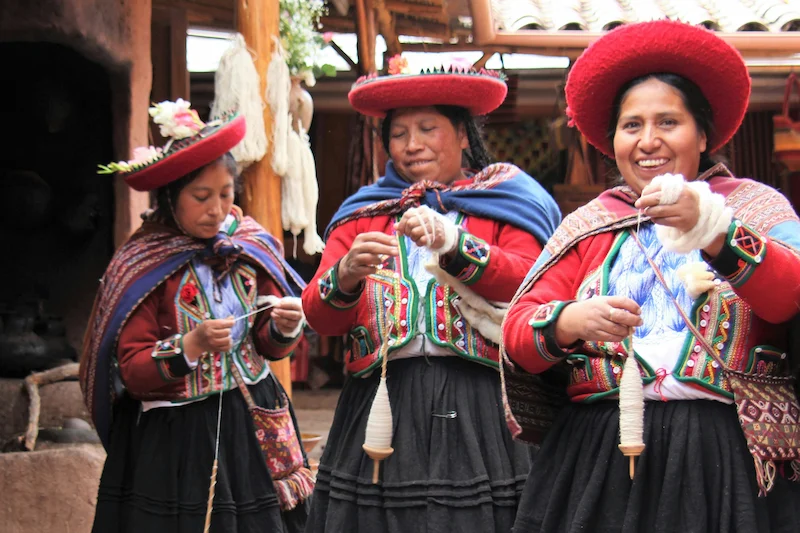
Festivals in Cusco offer profound cultural immersion that transcends typical tourism, creating connections between past and present through living traditions. These celebrations reveal the resilience of Andean identity while inviting visitors to participate in centuries-old rituals that continue evolving. Whether witnessing the theatrical grandeur of Inti Raymi or sharing simple meals during local fiestas, travelers depart with deeper understanding of Peru’s cultural complexity. The city’s festivals remind us that culture lives not in museums but in the hearts and hands of communities who generously share their heritage with the world.

