
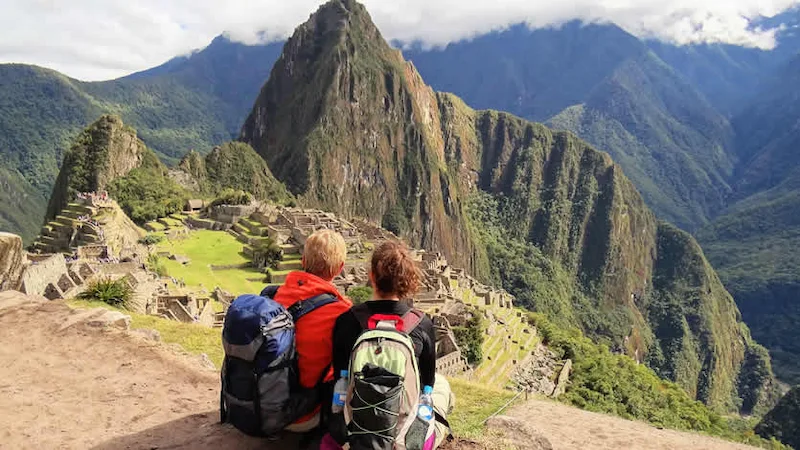
Cultural events in Peru reveal a lovely country full of history, culture, and tradition, and many experiences you won’t forget. It is wealthy, not only because of its amazing scenery and cuisine praised around the world, but also the expression of living cultural heritage that is revealed through festivals. If you want to plunge into the identity of Peru, there is no better way than to be part of cultural celebrations and traditions.
This essential guide will take you through the most relevant celebrations, and will provide you with a complete overview for you to plan your next trip, if you are a foreigner traveller, or resident explorer.
You may also like: Travel inspiration: How to plan a trip to Machu Picchu
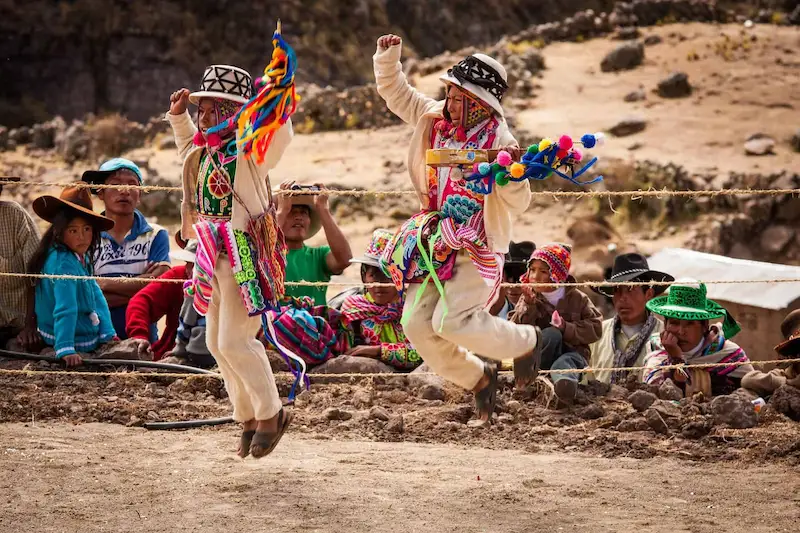
The Heart of Peruvian Festivities
Peru boasts one of the richest and most diverse festive calendars on the continent, with celebrations that extend throughout the year and in every geographical corner. From the arid coast to the imposing mountains and the lush Amazon, each festival is an expression of the profound connection between people, the land, and their beliefs.
Understanding the nature of these cultural events in Peru is the first step to understanding the complexity and passion of its people.
The Immense Richness and Diversity of Cultural Events in Peru
Cultural events in Peru reflect the country’s complex and fascinating history, marked by the fusion of ancestral Andean and Amazonian traditions with European influence. From solemn ceremonies honoring Pachamama (Mother Earth) to joyful carnivals, the Peruvian festive calendar is endless.
Each region, and often each town, celebrates with a unique passion, ensuring that there is always something vibrant and authentic to discover at any time of year. This diversity is what makes each festival a unique experience and a delight for the senses.
Plan your visit: What cultural events in Peru are not to be missed?
For travelers looking to organize their itinerary around major events, knowing the calendar is essential. The months of June, February, and October typically concentrate on some of the most popular and influential national and international festivities. Planning ahead not only ensures better accommodations and transportation, but also allows you to fully immerse yourself in the spirit of the celebration. Below, we explore the pillars that define the country’s festive spirit and attract thousands of visitors annually.
Cultural Events in Peru of National Significance
There are three celebrations that, due to their magnitude, history, and appeal, stand as the main references when it comes to cultural events in Peru. These pillars mark the annual calendar and reflect national pride, deep-rooted faith, and the historical legacy that persists from the Inca to the colonial era. Attending any of these festivities is an experience that transforms the visitor’s view of Peruvian culture.
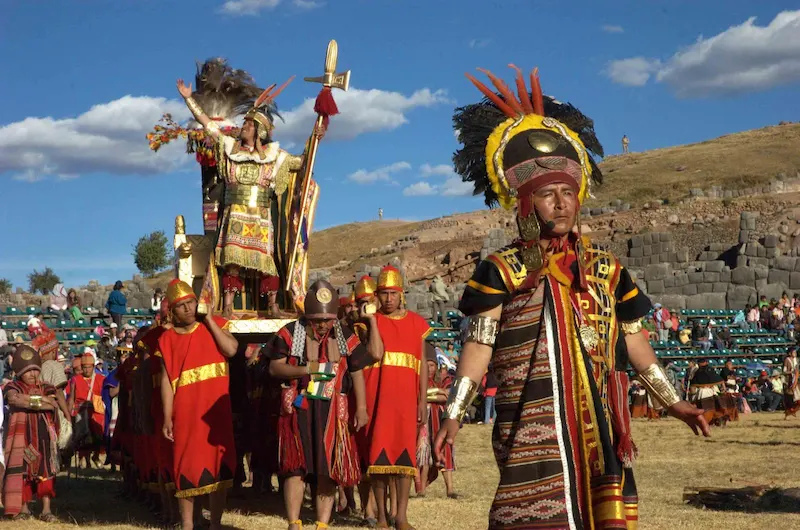
The Majesty of Inti Raymi: The Celebration of the Sun in Cusco
Inti Raymi represents the most splendorous heritage of the Inca world. Every June 24th, in the imperial city of Cusco, an ancient ceremony dedicated to the god Inti (the Sun) is recreated, marking the winter solstice and the beginning of a new agricultural cycle.
Today, the event combines history and performance art in a solemn representation that attracts thousands of national and international visitors.
Highlights:
- Main venues: Qoricancha, Plaza de Armas, and Sacsayhuamán.
- Hundreds of actors participate in the portrayal of the Inca and his royal court.
- It is considered the most representative cultural event of the pre-Hispanic legacy.
Attending Inti Raymi is to witness a living connection with the origins of Peru and its cosmic worldview.
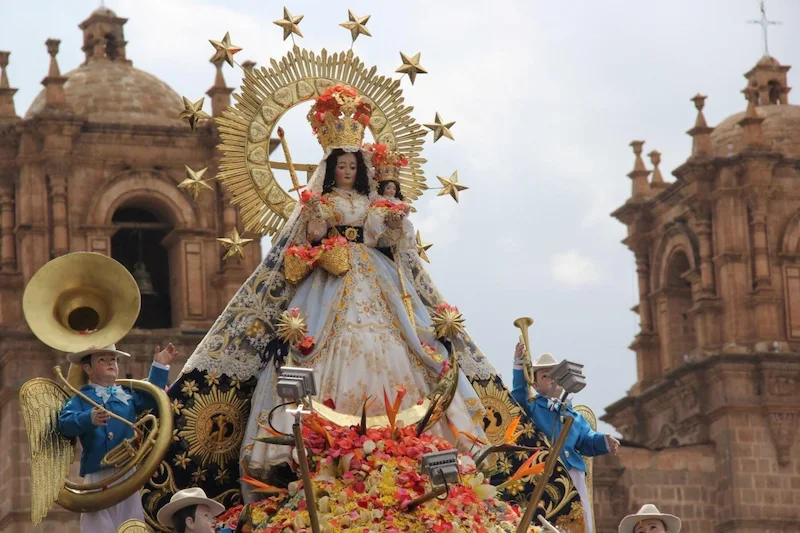
La Candelaria in Puno: Dance, Faith, and Intangible Heritage
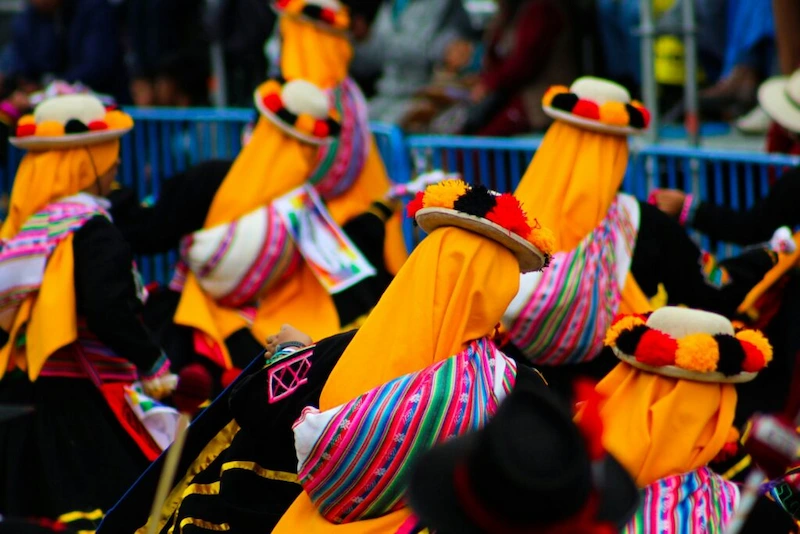
Every February, the highland region of Puno is transformed into a dazzling stage to honor the Virgin of Candelaria, patron saint of the city. Declared an Intangible Cultural Heritage of Humanity by UNESCO, this festival unites religious devotion, art, and ancestral tradition in one of the most colorful celebrations in South America.
Highlights:
- More than 40,000 dancers and musicians participate.
- Emblem dances: Diablada, Morenada, Caporales, and Tobas.
- It blends Catholic and Andean elements into a unique expression of regional identity.
The energy, costumes, and music make Puno the Folklore Capital of Peru, reflecting the cultural and spiritual strength of the Andes.
You may also like: Why Peru in october is the best month to visit
The Fervor of the Lord of Miracles: The Largest Procession in the Americas
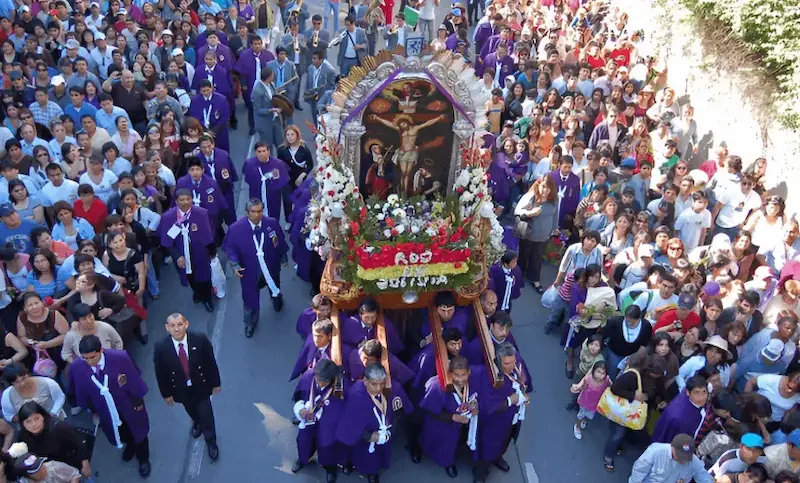
During October, Lima is dressed in purple to pay homage to the Lord of Miracles, the Dark Christ and symbol of national unity. This procession, recognized as the largest in the Americas, brings together millions of faithful who accompany the image through the streets of the capital in an act of profound faith and devotion.
Characteristic Elements:
- The brothers carrying the float carry the float amid songs and prayers.
- The streets are filled with the aroma of incense, flowers, and Doña Pepa nougat.
- It represents a manifestation of identity, hope, and spiritual communion.
The Lord of Miracles transcends the religious: he is a symbol of the collective Peruvian soul and the spiritual strength that unites an entire country.
Exploring Other Unmissable Cultural Events in Peru
The wealth of cultural events in Peru is evident in every corner of the country, where regional traditions blend with the creativity and festive spirit of its inhabitants. Each department has celebrations that reflect its history, identity, and the passion with which the Peruvian people keep their customs alive.
Although some of them don’t achieve the fame of national festivities, they offer a unique authenticity that invites you to discover the country beyond its traditional routes.
The Unbridled Carnival of Cajamarca: Celebration and Tradition in the North
Considered the “Capital of Peruvian Carnival,” Cajamarca celebrates one of the most joyful and participatory carnivals in the country in February or March. Far from solemnity, this festival is an explosion of music, color, and popular fun. The arrival of Ño Carnavalón, a symbolic character who embodies the festive spirit, marks the beginning of days of games, folk songs, and parades.
Carnival is an experience of collective liberation, where the streets are transformed into a stage for creativity and camaraderie.
Highlights:
- Starring: El Ño Carnavalón and his entourage.
- Activities: Parades, copla competitions, water and painting festivals.
- Atmosphere: Mass participation of locals and tourists in an atmosphere of boundless joy.
The Cajamarca Carnival demonstrates how cultural events in Peru are also spaces for encounter, humor, and popular belonging.
Elegance and Rhythm: The International Marinera Festival in Trujillo
In the city of Trujillo, known as the “Capital of Spring,” dance takes center stage every January with the National Competition and International Marinera Festival. This event, which attracts couples from all regions of the country and even abroad, celebrates one of Peru’s most representative artistic expressions.
The Marinera, declared a National Cultural Heritage site, combines elegance, playfulness, and romanticism, and is considered by many to be the national dance. Its choreography symbolizes the love affair between man and woman, and each movement is a tribute to Peruvian charm and tradition.
Interesting facts:
- More than 600 couples participate in various categories.
- It is distinguished by the elegance of its costumes and the precision of its steps.
- It is a meeting point between art, competition, and national pride.
The festival not only highlights the talent of the dancers but also the aesthetic sensitivity that characterizes cultural events in Peru.
Jubilee Weeks: The Celebration of Cities and Their Cultural Events in Peru
Almost every region of the country celebrates the so-called “Jubilee Weeks” or “Anniversary Weeks,” where each city commemorates its founding or a significant historical event. These festivities are a perfect opportunity to learn about the essence of each locality, enjoy its customs, and share with its people an atmosphere of civic pride and joy.
During these days, cities are filled with color and dynamism, with activities that integrate culture, art, and gastronomy. Cusco’s Jubilee Week, for example, in June, is a vibrant prelude to Inti Raymi and one of the most emblematic in the country.
Frequent activities:
- Civic and artistic parades in the main squares.
- Food fairs, craft exhibitions, and concerts.
- Contests, ceremonies, and festivals that highlight local identity.
Each Jubilee Week reflects regional pride and demonstrates how cultural events in Peru strengthen community ties and a sense of belonging.
You may also like: Travel inspiration: How to plan a trip to Machu Picchu
Cultural Events in Peru Linked to Art and Nature
Peruvian culture is not limited to religious or civic festivities. There is a universe of cultural events in Peru linked to art, creativity, and nature, which reveal the country’s ability to reinvent its traditions in a contemporary context. These expressions reflect the fusion of ancestral heritage and the inspiration that emerges from the landscape, creating spaces where artistic sensitivity and respect for the environment meet.
Folk Art and Craft Fairs as Cultural Events in Peru
Peruvian folk art is one of the purest manifestations of national identity. Each handcrafted piece embodies the collective memory of generations of creators, whose talent transforms simple materials into true works of art. Craft fairs, both permanent and traveling, are authentic cultural events in Peru that allow visitors to experience this heritage up close.
Featured Destinations:
- Pisac (Cusco): renowned for its Andean textiles and natural fabrics.
- Barranco and Miraflores (Lima): urban fairs showcasing contemporary pottery, painting, and jewelry.
- Ayacucho and Quinua: epicenters of religious imagery and traditional ceramics.
Purchasing a piece directly from the artisan not only strengthens the local economy but also promotes cultural preservation and the sustainability of the country’s intangible heritage.
Ecotourism and Culture: Events Celebrating Peruvian Biodiversity
The link between nature and culture is evident in the growing interest in cultural ecotourism. In different regions, festivals and activities are held that combine exploration of the natural environment with ancestral rituals of gratitude to the land, water, and harvests.
For those seeking a more holistic experience, the country offers alternatives where adventure and tradition intersect.
One of these is the Poc Poc Waterfall Hike full day, an experience that combines physical exertion, natural beauty, and contact with communities that preserve their own rituals. These types of initiatives demonstrate how tourism can be integrated with respect for nature and local customs.
Examples of cultural and ecological experiences:
- Guided hikes in Andean communities with rituals of reverence for the earth.
- Food fairs promoting local organic products.
- Artistic activities in natural settings, such as plein-air painting or traditional music.
Each of these experiences invites us to understand that cultural events in Peru are also a way of paying tribute to biodiversity and the balance between humans and their environment.
Peru Cultural Events Calendar by Month (2026)
| Month | Event | Location | Why Go |
|---|---|---|---|
| January | La Huaconada | Mito | Dance & ancient tradition |
| February | Candelaria | Puno | Largest folkloric festival |
| June | Inti Raymi | Cusco | Historical Inca festival |
| January | Marinera Festival | Trujillo | Dance competition |
| Feb–Mar | Carnival | Cajamarca | Street parades & celebration |
Tips and Logistics for Making the Most of Cultural Events in Peru
Attending major cultural events requires planning. During the holiday season, the demand for transportation and accommodations often increases considerably, so planning ahead ensures a more comfortable and seamless experience. Smart planning is the first step to fully enjoying Peru’s cultural riches without setbacks.
Route Planning and Budgeting: Taking Advantage of Cultural Events in Peru
Planning is the key to success. If your goal is to attend several cultural events in Peru in one trip, consider geographic routes that allow you to optimize your time.
For example, combining Cusco and Puno is feasible, but requires reservations for transportation and accommodations months in advance during peak seasons (June or February). Remember that attending these festivities is generally free, but the cost of living (room and board) often rises considerably in the host cities.
Accommodation and Transportation: Getting Around During Major Celebrations
During large-scale events such as Inti Raymi or Candlemas, hotel availability in Cusco and Puno dwindles rapidly. Therefore, it is advisable to book in advance and use reliable services that ensure quality and punctuality.
Regarding transportation, interprovincial buses are the most affordable option, while domestic flights are ideal for traveling long distances in less time. If you are looking for comfort and safety, you can request specialized assistance through a Peru travel agency in Cusco, which will handle the logistics of transportation, accommodation, and access to major Andean cultural events.
Additional suggestions:
- Check schedules and routes with reputable companies.
- Avoid improvising during high-demand festive dates.
- Hire guaranteed services and local support.
Good logistical planning can make your participation in cultural events in Peru a smooth, enriching, and safe experience.
Integrating Experiences: Complementary Activities to Cultural Events in Peru
Experience a cultural event in Peru goes beyond attending the main event: it’s an opportunity to immerse yourself in local life and experience the environment from multiple perspectives. Combining attendance at festivities with sightseeing or nature tours broadens the experience and strengthens the bond with the host communities.
Examples of cultural and tourism integration:
- During the Grape Harvest Festival in Ica, visit the Huacachina Oasis and participate in wine and pisco tastings.
- In Puno, take advantage of Candlemas to explore the islands of Lake Titicaca.
- In Cusco, complement the Inti Raymi festival with archaeological tours or trekking routes.
These complementary activities allow you to appreciate Peru in all its diversity: a country where culture, nature, and hospitality intertwine to offer unique and unforgettable experiences.
You may also like: Fishing in the amazon river of Perú
A transformative journey through cultural events in Peru
Cultural events in Peru are much more than celebrations: they constitute the living heart of the national identity and the link that connects the Inca past with the mestizo present. Every dance, every procession, and every artistic manifestation tells fragments of a history that remains fresh in the collective memory.
Participating in these festivities is to embark on a transformative journey, where faith, art, and tradition merge into a profoundly human experience. Beyond the tourist attractions, festive Peru teaches, moves, and inspires. Those who immerse themselves in its rhythm discover a culture that not only celebrates its heritage, but also reinterprets and shares it with pride, projecting it to the world with inexhaustible vitality.

