
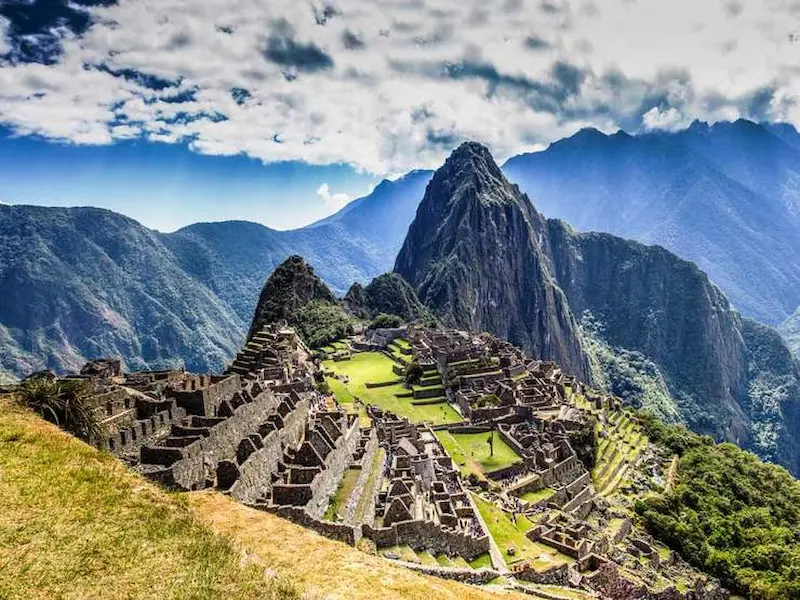
Peru is one of the few countries in the world where every step between mountains, coasts, and jungles connects you with centuries of history and a living nature that still whispers legends. If you’re looking for a travel experience that combines adventure, culture, and breathtaking landscapes, this travel guide to Peru will serve as the ideal starting point.
From imposing Inca ruins to deep canyons, passing through fertile valleys and colonial towns, Peru offers countless destinations that appeal to both the explorer and the lover of comfort. Here, routes are not simple journeys, but paths full of meaning. In this blog, you’ll discover how to explore the south of the country, visit emblematic places, and experience unique experiences that only Peru can offer.
Lima: The Gateway to the Past and the Future
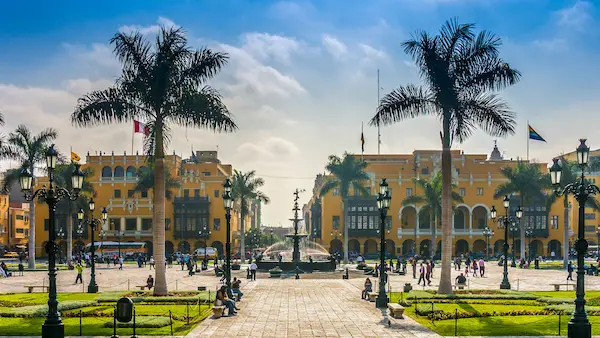
Almost all trips to Peru begin in Lima, its modern yet deeply traditional capital. This city facing the Pacific is not only famous for its world-renowned cuisine but also for its pre-Columbian and colonial history. We recommend starting your adventure by exploring the neighborhoods of Barranco and Miraflores, where contemporary art and colonial architecture merge with ocean views.
Don’t miss a visit to the historic center, where Lima Cathedral, the Convent of San Francisco, and its catacombs tell stories of faith and conquest. From here, the country opens up in all directions, but our journey continues south.
You may also like: Secret Paths of Machu Picchu: An Unforgettable Experience
Exploring the South: Living Culture and Unforgettable Landscapes
If you’re looking for a tour that shows you the best of the country in one itinerary, South Peru Tours are the best option. These routes allow you to explore everything from the Nazca Lines to Lake Titicaca, passing through the oasis of Huacachina and the white city of Arequipa.
One of the most attractive aspects of southern Peru is its variety of ecosystems and cultures. You can go from walking on dunes in the Ica desert to sailing among floating islands made of totora reeds in Puno. History permeates every stop: pre-Incan mummies, colonial convents, archaeological museums, and communities that still preserve their ancestral traditions.
One detail that makes this type of tour special is the ability to combine adventure with comfort. From boutique hotels to high-end gastronomic experiences, southern Peru has everything to captivate the most discerning traveler.
Cusco: The Navel of the World
Cusco needs no introduction. It is the spiritual heart of the country, the ancient capital of Tahuantinsuyu, and a city that has adapted to tourism without losing its essence. Walking through its cobblestone streets, one feels that time has intertwined: Inca temples, colonial churches, artisan markets, and bohemian cafes coexist in harmony.
Numerous excursions depart from Cusco to nearby archaeological sites, but one of the most recommended is the Sacred Valley Tour from Cusco. This tour allows you to explore the fertile valleys surrounding the city, visiting towns such as Pisac, Ollantaytambo, and Chinchero. Here, terraced agriculture, indigenous markets, and stone fortresses tell a story that lives on in the daily practices of its inhabitants.
The Sacred Valley also offers multiple options for wellness tourism: spiritual retreats, yoga in front of the mountains, mindful hikes, and rituals with Andean shamans. It is a place where the connection between history and nature is felt deeply and personally.
Machu Picchu: A Wonder That Never Ceases to Surprise
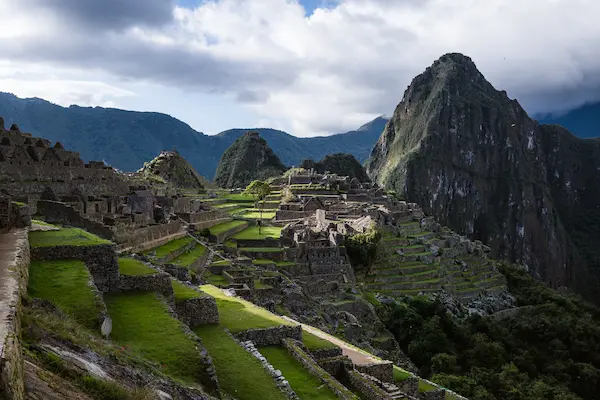
No travel guide to Peru would be complete without mentioning Machu Picchu. This Inca citadel, hidden among the mountains and shrouded in mist, is not just a tourist destination, but a symbol of cultural resilience and architectural wisdom.
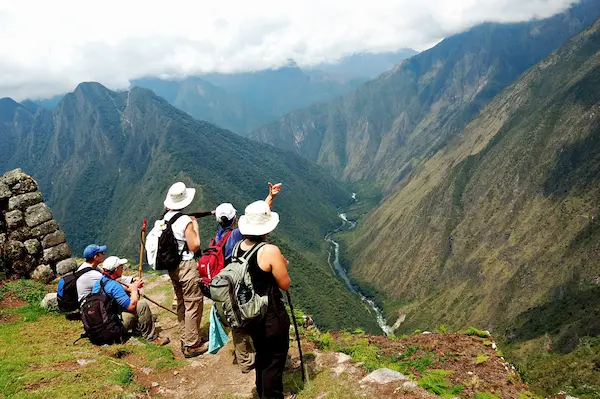
There are several ways to reach Machu Picchu. The most adventurous choose the Inca Trail, a multi-day hike that culminates with arrival at the sacred city at dawn. Others prefer alternative routes such as Salkantay or Lares. However, it is also possible to arrive comfortably by train from Cusco or the Sacred Valley, allowing more travelers to enjoy this site without excessive physical exertion.
Machu Picchu is a transformative experience. Walking through its terraces, temples, and viewpoints, it is difficult not to feel a spiritual connection with the land. The energy of the place invites introspection, and the surrounding landscape completes an unforgettable experience.
You may also like: Chachapoya Culture: Peru’s Hidden Legacy
Lake Titicaca: Between Legends and Reflections
The highest navigable lake in the world is another destination that uniquely blends history and nature. The Aymara and Quechua cultures live in its waters, their traditions and myths still present. Visiting Lake Titicaca involves sailing to the Uros Islands, built entirely of totora reeds, or staying in a family home on Amantaní Island, sharing local meals, music, and customs.
This experience is ideal for those seeking experiential tourism without sacrificing comfort. Many accommodations in Puno offer luxury standards, as well as yacht excursions, dinners featuring local products, and specialized guides who make each visit educational and in-depth.
Paracas and Nazca: Deserts That Tell Stories
On the southern coast of Peru lies one of the country’s most striking landscapes: the Paracas Desert and the mysterious Nazca Lines. The Paracas National Reserve offers pristine beaches, marine wildlife, and cliffs that seem sculpted by the wind. From here, you can visit the Ballestas Islands, known as the “Peruvian Galapagos,” home to sea lions, penguins, and hundreds of exotic birds.
A little further south, in Nazca, the lines drawn in the sand for millennia continue to defy modern understanding. Flying over them in a small plane is one of the most striking experiences of a trip to the south. Who made them? Why? Theories abound, but the mystery remains.
Arequipa and the Colca Canyon: Beauty on Two Levels
Arequipa, known as the “white city,” stands out for its sillar architecture, its gastronomy, and its peaceful atmosphere. It is also the gateway to the Colca Canyon, one of the deepest in the world and home to the majestic Andean condor.
Here, you can hike, enjoy hot springs, and visit small villages where Andean traditions live on. It’s an ideal destination for those looking to connect with nature without sacrificing luxury, as there are exclusive accommodations that combine spectacular views with high-end services.
Why Choose Guided Tours in Peru?
Traveling through Peru can be a very enriching experience, but also challenging if done without planning. Therefore, opting for Peru guided tours is an excellent way to ensure every detail is taken care of. These tours not only allow you to see the country’s most iconic sites but also provide you with authentic cultural experiences, often inaccessible without a local guide.
A guided tour can offer access to exclusive activities, quality accommodations, efficient transfers, and the peace of mind of having experts with you every step of the way. From treks through the Andes to private dinners in historic sites, the benefits are many.
You may also like: Trekking in Peru: Explore the best trails beyond the Inca trail
Practical Tips for Planning Your Trip
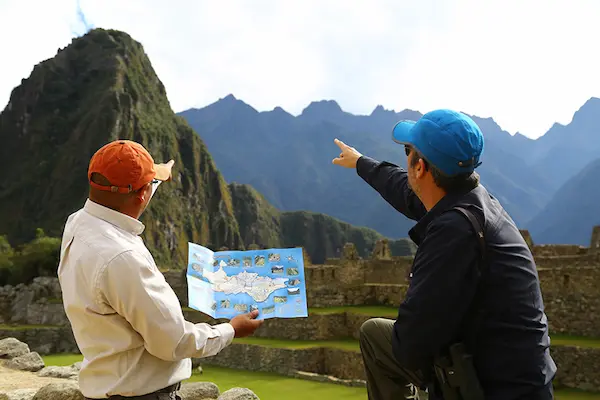
To make the most of this travel guide to Peru, here are some essential recommendations:
- Best time to travel: between May and October, when the weather is dry in the Andean region.
- Advance Reservations: Machu Picchu and the Inca Trail have limited capacity.
- Health: The altitude may affect some travelers, especially in Cusco and Puno. Take a day or two to acclimatize.
- Luggage: Pack layers of clothing. The weather in Peru can vary greatly between regions and altitudes.
- Currency and Payments: Although many places accept cards, it’s helpful to carry some cash in Peruvian soles, especially in rural areas.
Adventures in the Peruvian Amazon: Nature in its Purest State
Although much of Peru’s tourism is concentrated in the Andean and coastal regions, the Amazon rainforest represents an essential part of the country’s soul. To the east, cities like Iquitos and Puerto Maldonado open the door to a biodiversity unique on the planet.
Exploring the Amazon is immersing yourself in an ecosystem that is home to thousands of species of flora and fauna. From colorful birds to pink dolphins, every excursion on rivers like the Madre de Dios or the Amazon is an awe-inspiring experience. Many travelers choose to stay in eco-lodges that offer guided tours, night hikes, visits to native communities, and educational activities.
This region stands out not only for its natural richness but also for its vibrant culture. Amazonian communities preserve oral traditions, rituals involving medicinal plants, and a deep respect for their surroundings. For those seeking a trip of digital disconnection and spiritual connection, few places in the world match this experience.
Peruvian Gastronomy: A Journey Within a Journey
No travel guide to Peru would be complete without a dedicated discussion of its cuisine. Renowned worldwide for its diversity and creativity, Peruvian cuisine is reason enough to travel. Each region offers unique dishes that reflect its history, climate, and culture.
On the coast, fresh ceviches, tiraditos, and causas compete with the sophistication of Nikkei cuisine. In the mountains, the flavors are more intense and comforting: roasted guinea pig, quinoa soups, and Andean tamales fill the soul. In the jungle, exotic fruits, Amazonian fish, and ancestral techniques surprise the most adventurous palate.
Many itineraries include cooking classes, visits to traditional markets, or dinners at renowned restaurants. These experiences are not only delicious but also a window into Peruvian identity. And if you choose one of the Peru Guided Tours options, many include culinary activities that enrich the trip in a memorable way.
Traveling Responsibly: Conscious Tourism in Peru
The rise of tourism has brought great benefits to the country, but it also poses challenges. It is essential that we, as visitors, act responsibly, supporting local businesses, respecting environmental regulations, and learning about the communities that host us.
Choosing responsible tour operators, avoiding excessive plastic use, and being respectful of local culture are small actions that make a big impact. Furthermore, more and more travelers are opting for volunteer experiences, rural tourism, or conservation programs. Peru offers real opportunities for travel to contribute to sustainable development.
Well-organized South Peru Tours often include these practices as part of their travel philosophy. This way, you not only get to see impressive places but also become part of a network that supports the country’s natural and cultural heritage.
You may also like: Shamanism in Peru: Exploring ancestral spiritual practices
One destination, many ways to experience it
Whether you’re a first-time traveler or a seasoned explorer, Peru always has something new to offer. The combination of ancient history, breathtaking nature, and a vibrant and hospitable culture make this country an unforgettable destination.
From the magical South Peru Tours, to the mystical beauty of the Sacred Valley Tour from Cusco, and the safety and depth of Peru Guided Tours, each experience is designed to leave a lasting impression on the traveler’s soul.
It’s not just about seeing impressive places, but about feeling their energy, learning from those who inhabit them, and returning home with stories to tell. Because traveling to Peru is more than just sightseeing: it’s about experiencing a transformation.

