
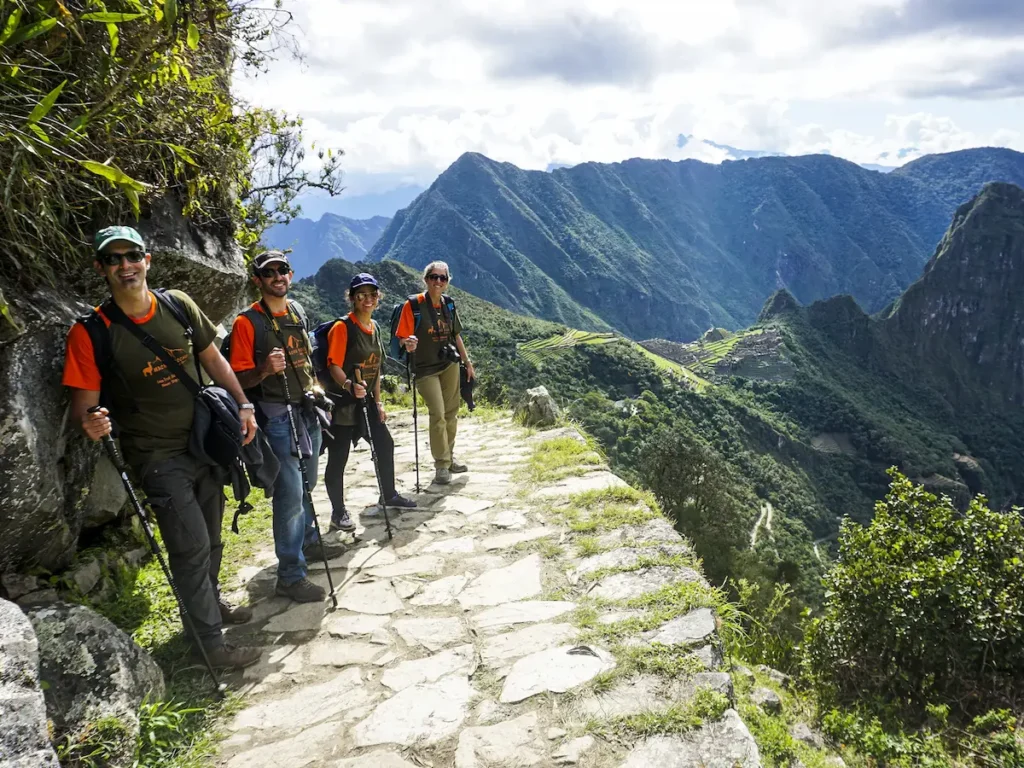
Getting lost among the Andean peaks, hiking ancient trails, and discovering ruins hidden in the mist isn’t just an adventure: it’s a journey into the very soul of the ancient Inca Empire. Machu Picchu, the jewel of Peruvian history, impresses not only with its architecture and mysticism, but also with the many routes that lead to its gates. Some are famous, others less so, but all are part of the secret paths that transform a visit into an unforgettable experience.
Beyond the Destination: The Paths Are Everything
The true magic of Machu Picchu doesn’t begin at the summit, but on the journey to get there. Traversing ancient trails, crossing cloud forests, and challenging the altitude not only tests the body but also awakens the spirit of adventure. Those who choose to hike to the citadel discover that every step tells a story, that every landscape hides a mystery, and that these secret paths are filled with ancient energy. For those seeking a deeper connection, there are routes that combine history, physical challenge, and natural beauty. Here, we’ll explore three options that promise more than just a journey: a true immersion in the Inca past.
You may also like: Chachapoya Culture: Peru’s Hidden Legacy
Following the Sacred Footsteps of the Inca Empire
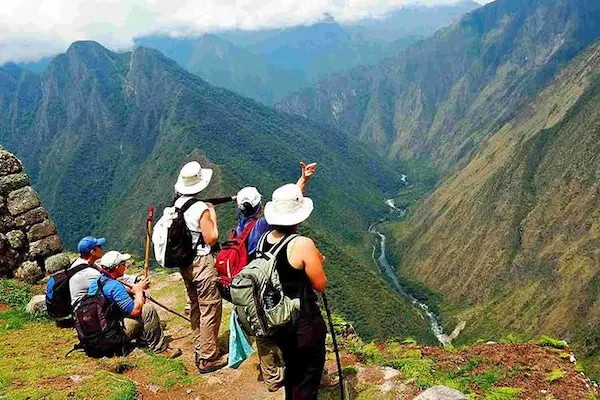
This is, without a doubt, the most iconic of all the trails to Machu Picchu. Used by the Incas more than 500 years ago, the Classic Inca Trail remains one of the most famous trekking routes in the world.
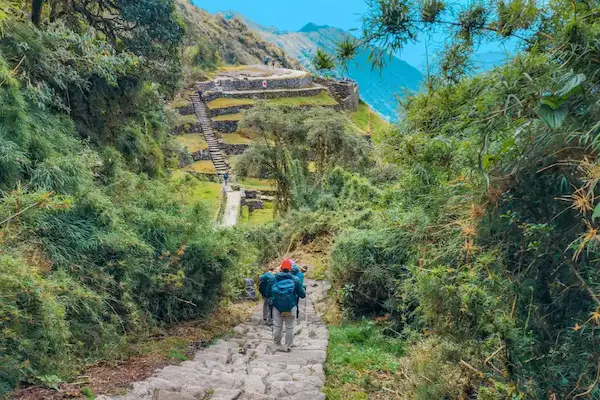
Over four intense days, adventurers traverse valleys, mountains, tunnels, and hidden ruins in the middle of the Andean jungle. The path is not easy, but every sunrise over the Andes, every temple discovered in the mist, rewards the effort.
The most magical aspect of the Classic Inca Trail is arriving at Machu Picchu through the Sun Gate (Inti Punku), just as the ancient Inca messengers did. Words cannot describe the feeling of seeing the citadel emerge from the mountains, just as the sun bathes it with its first rays.
An Encounter with the Mountains and the Jungle
If adventure is your thing, the Salkantay Trek 4 days is an option you can’t ignore. This alternative route to the Inca Trail is a blend of extreme landscapes and biological diversity that seems straight out of another planet.
Salkantay, one of the sacred mountains of the Incas, gives its name to this trek, which begins surrounded by snow at over 4,600 meters above sea level and ends among tropical forests teeming with birds, orchids, and crystal-clear rivers.
During the four days of the trek, you’ll cross mountain passes, pass turquoise lagoons, and pass ancient Inca trails. Despite being less traveled than the classic route, this is one of the hidden gems among the secret paths to Machu Picchu. Ideal for those seeking an intense connection with nature and history without the crowds of the traditional Inca Trail.
A Short Trek That Leaves Its Mark
Not everyone has the time or the physical preparation for long hikes. But that doesn’t mean giving up the experience of hiking the ancient Inca trails. The 2 day Inca Trail is the perfect option for those who want a compact but equally powerful adventure.
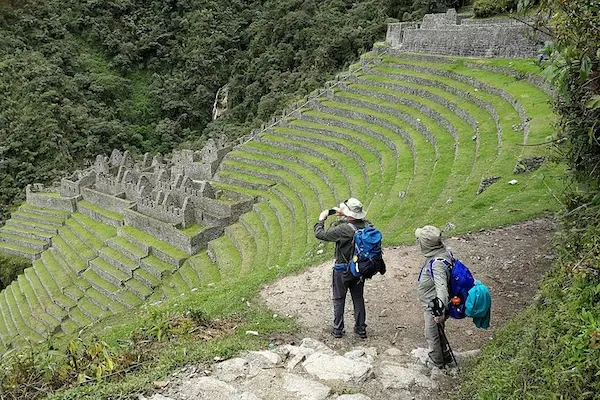
In just two days, you can experience the best of the Inca Trail: archaeological remains like Wiñay Wayna, cobblestone paths that wind through the mountains, and the magical entrance to Machu Picchu through the Sun Gate.
This tour combines intensity, history, and nature, making it one of the best ways to discover secret paths without straying from comfort. It’s ideal for those traveling with limited time but still want to feel the energy of the Andes with every step.
You may also like: Trekking in Peru: Explore the best trails beyond the Inca trail
The paths that transform the traveler
Walking to Machu Picchu isn’t just a physical endeavor. Each of these trails represents a rite of passage. They are routes that connect not only towns and mountains, but also eras, traditions, and beliefs. They are the secret paths that the ancient Incas used to travel, communicate, and worship their gods.
Walking them means understanding, with body and soul, how the inhabitants of Tahuantinsuyu thought and felt. It means having the opportunity to walk through history, feeling beneath your feet the power of a civilization that dominated the Andes with wisdom, architecture, and respect for nature.
Tips for choosing your ideal trail
Choosing one of these trails depends on you, your time, your physical condition, and, above all, what you’re looking to experience. Here are some tips:
- If you’re looking for a complete and spiritual experience, the Classic Inca Trail is unbeatable.
- If you love challenges and wild nature, the 4-day Salkantay Trek will win you over.
- If you prefer an intense but short hike, the 2-day Inca Trail will be your best option.
Whatever you choose, remember that these trails are cultural heritage and deserve respect and preparation. Bringing the right equipment, acclimatizing to the altitude, and traveling with expert local guides will make a difference in your experience.
The Power of the Hidden: The Not-So-Visible Paths
One of the most fascinating things about the secret paths to Machu Picchu is that many of them aren’t listed on standard tourist maps. There are secondary routes, unknown viewpoints, and small towns that also hold living history. Exploring with curiosity and an open mind will allow you to discover more than just ruins: you’ll learn about living traditions, oral legends, and ways of life that have survived for centuries.
You may also like: Shamanism in Peru: Exploring ancestral spiritual practices
Explore Beyond Machu Picchu: Alternative Routes Worth the Hike
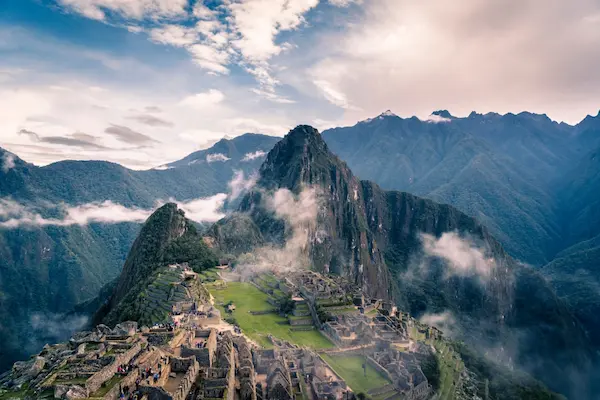
Many people arrive at Machu Picchu by train or direct transportation, missing out on the richness offered by the trails that lead there. But those who dare to walk, to follow these secret paths that have been traveled for centuries, find more than just a tourist attraction: they find a transformative experience.
Direct contact with nature, living with Andean communities, seeing sunrises in camps surrounded by mountains, all of this is part of the true journey. Whether you choose the 4-day Salkantay trek or the 2-day Inca Trail, you will be creating memories that don’t fit in a photograph: they are etched in your soul.
The spiritual connection with the Andes
Every step on these paths is also a form of reconnection. The Andean worldview believes that nature is alive, that the mountains (apus) have spirits, and that walking through these territories is a way of paying homage to them. For this reason, many travelers not only finish the route physically tired, but with renewed inner energy. Whether walking the cobblestones of the Classic Inca Trail or traversing the ever-changing landscapes of the 4-day Salkantay trek, you’ll feel how history and spirituality intertwine at every step.
Why choose routes with Inca heritage?
Opting for these treks isn’t just a matter of adventure. It’s a conscious decision to explore with respect, to engage with the land, and to experience the depths of Peru. Seeing Machu Picchu from a train isn’t the same as arriving after walking for days along the secret paths used by the Inca chasquis and priests.
Plus, walking allows you to stop, observe details, interact with local guides, and feel the landscape change to the rhythm of your steps. It’s the most authentic way to connect with the ancient history of this corner of the world.
Get ready for the adventure of a lifetime
Before choosing your route, keep in mind that these trails require minimal preparation. Training before the trip, wearing good footwear, packing appropriate clothing for sudden changes in weather, and being open to the unexpected are key to enjoying it to the fullest. It’s also advisable to book in advance, as routes like the Classic Inca Trail have limited capacity and are in high demand, especially during peak season.
You may also like: Sacred Valley: gateway to Cusco’s most iconic routes
Machu Picchu is not a destination, it’s a journey
Anyone who sets foot on Machu Picchu after walking its paths knows that they have not only visited a Wonder of the World, but have also experienced one of the greatest adventures of their lives. The Secret Paths are much more than trails: they are doors to the past, bridges to the present, and inner paths that transform those who travel them.
Are you ready to experience your own Inca history? Then choose your route, pack your backpack, and follow the footsteps left by the ancients. Because Machu Picchu is not reached by bus or train; it is reached with your feet, with your heart, and with a gaze ready to discover what remains hidden among the fog and the mountains.

