
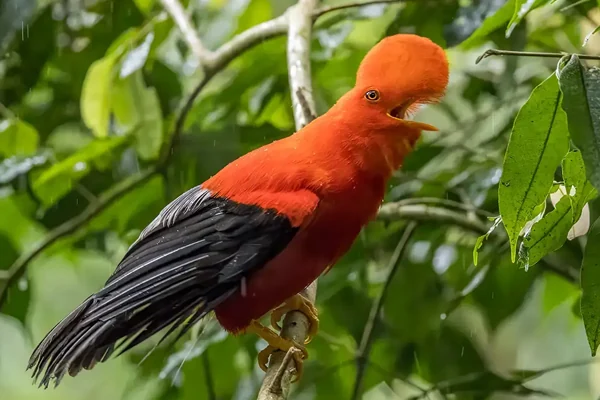
Birds in Peru reflect the remarkable variety of landscapes found throughout the country, from the high Andes and cloud forests to the Amazon rainforest and Pacific coast. Each region provides different habitats where birds have adapted to unique conditions, creating an impressive diversity of species.
From the powerful Andean condor and colorful Andean cock of the rock to coastal seabirds and Amazonian species, Peru is home to birds with very different appearances and behaviors. Learning about these species is also a way to understand the ecosystems that make Peru one of the most biologically diverse countries in the world.
Top 10 birds in Peru you should know
Birds in Peru are found across an impressive range of landscapes, from the Pacific coast and high Andes to the forests of the Amazon. This variety of habitats allows many species to live in the country, each adapted to different climates, food sources, and environments.
For anyone interested in birds in Peru, some species stand out because of their size, colors, behavior, or connection to a particular region. The following ten birds offer a good introduction to the diversity of birdlife found throughout the country.
You might be interested in: 10 fun facts about Peru you didn’t know
Andean condor
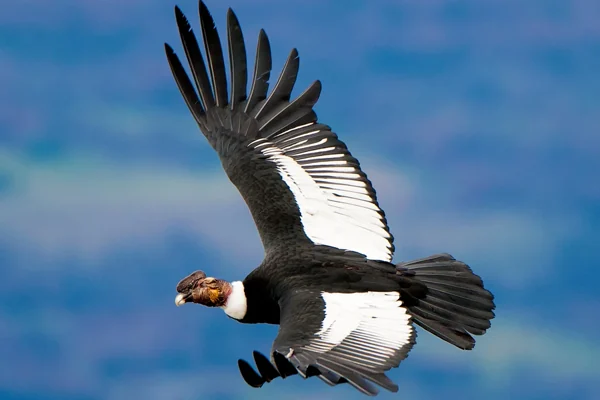
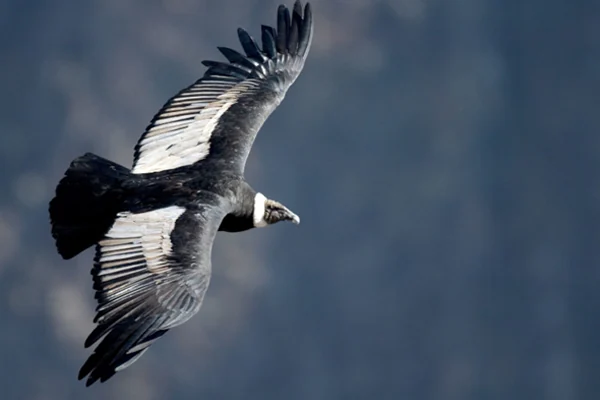
The Andean condor is one of the most recognizable birds in Peru and one of the largest flying birds in the world. It has broad wings, dark feathers, and a distinctive white ruff around its neck. This species is strongly associated with the high Andes, where it uses the mountain winds to travel across large areas.
Seeing an Andean condor can be a memorable moment for anyone interested in birds in Peru. These birds are often associated with steep cliffs and mountainous landscapes, where they can rest and nest. Their ability to soar for long periods without frequent wingbeats makes them particularly impressive to observe.
Harpy eagle
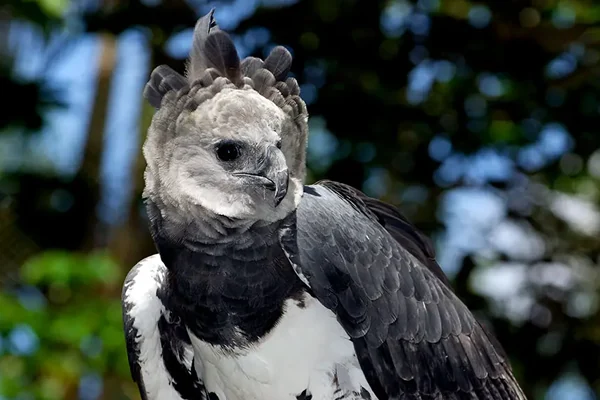
The harpy eagle is one of the most powerful birds of prey found in Peru. It lives mainly in mature tropical forests, particularly in the Amazon, where large trees provide suitable conditions for nesting. Its strong legs, large talons, and prominent crest give it a distinctive appearance.
Unlike some birds that can be spotted in open landscapes, the harpy eagle spends much of its time within dense forest. This makes it a particularly interesting species among birds in Peru, as seeing one requires favorable conditions and knowledge of its habitat. It mainly feeds on animals that live in the forest canopy.
Andean cock of the rock
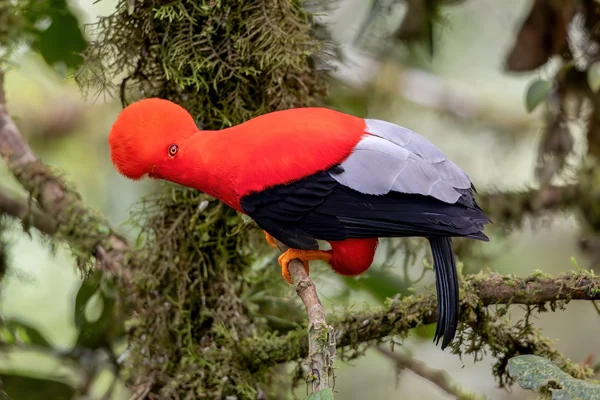
The Andean cock of the rock is famous for its brilliant orange plumage and large rounded crest. This striking bird lives mainly in humid forests along the eastern slopes of the Andes, where it feeds largely on fruit and contributes to the natural movement of seeds through the forest.
Its appearance is not its only distinctive feature. Males gather in traditional display areas where they compete for the attention of females through movement and vocalizations. Because of its vivid color and unusual behavior, the Andean cock of the rock is one of the birds in Peru that often attracts particular attention from birdwatchers.
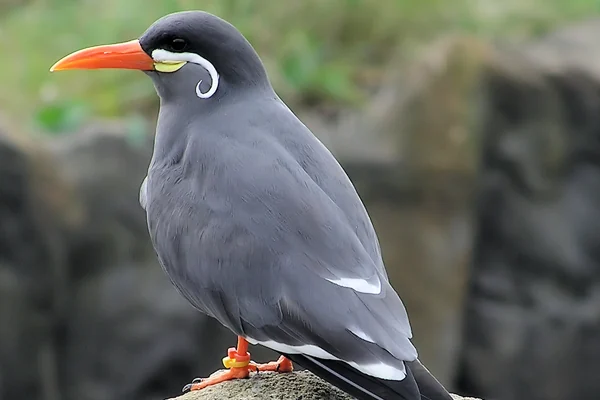
Inca tern
The Inca tern is a distinctive seabird found along the Pacific coast of Peru. It has dark plumage, a white facial marking that resembles a mustache, and a bright red orange bill and feet. These features make it relatively easy to recognize when compared with other coastal birds.
This species is closely connected to Peru’s marine environment and can be found around rocky shores, islands, and coastal areas. The Inca tern is also a good example of the variety found among birds in Peru, showing that the country’s birdlife extends far beyond the mountains and rainforest.
You might be interested in: Top 8 peruvian desserts you should try
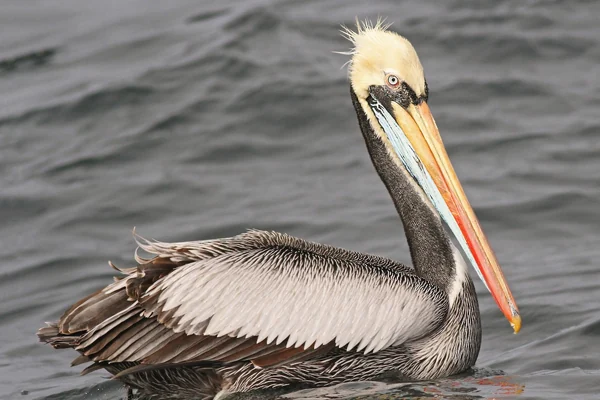
Peruvian pelican
The Peruvian pelican is a large seabird associated with the cold waters of the Pacific coast. It has a long bill and a large throat pouch that helps it catch fish, making it well adapted to marine environments where food is closely connected to the ocean.
Peruvian pelicans can be seen around coastal areas, rocky shores, islands, and places where marine resources are abundant. Their presence highlights the importance of the Pacific ecosystem and adds another distinctive species to the variety of birds in Peru.
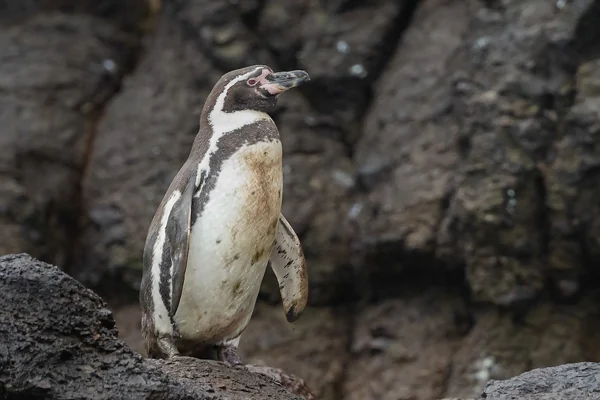
Humboldt penguin
The Humboldt penguin is another remarkable coastal bird found in Peru. It is adapted to the cool waters influenced by the Humboldt Current and spends much of its time in marine environments, where it feeds on fish and other marine organisms.
Although penguins are often associated with extremely cold regions, Humboldt penguins live in temperate coastal environments. Their presence among birds in Peru demonstrates the ecological variety of the country’s Pacific coast and the importance of its marine habitats.
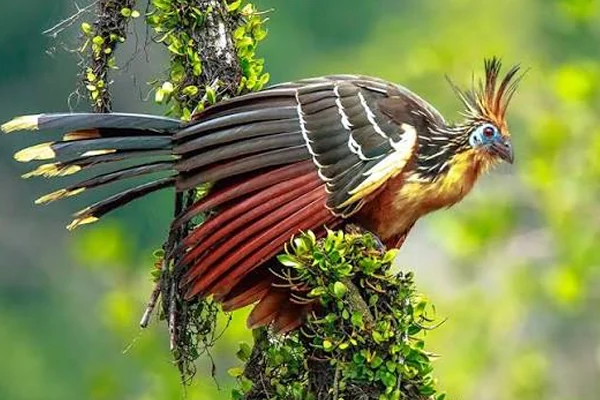
Hoatzin
The hoatzin is one of the most unusual birds found in the Peruvian Amazon. It has a large body, long tail, prominent crest, and distinctive appearance. It is commonly associated with areas near rivers, lakes, and wetlands where dense vegetation provides both food and shelter.
Its diet is also unusual because it feeds largely on leaves. This makes the hoatzin different from many other Amazonian birds that rely more heavily on fruit, seeds, or insects. For anyone interested in birds in Peru, this species offers an interesting example of the adaptations found in the Amazon rainforest.
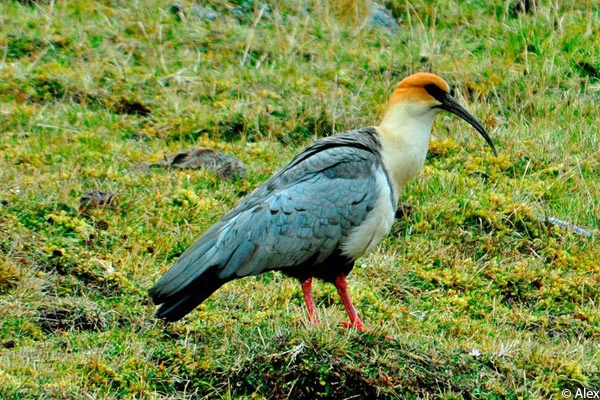
Andean ibis
The Andean ibis is associated with high altitude environments in the Andes. It can be found in open landscapes such as grasslands, agricultural areas, and other places where it searches for food on the ground. Its darker plumage and long curved bill help distinguish it from other birds in these environments.
This species is another example of how birds in Peru have adapted to very different conditions. While many species are associated with tropical forests or coastal ecosystems, the Andean ibis is suited to the colder and drier landscapes found at higher elevations.
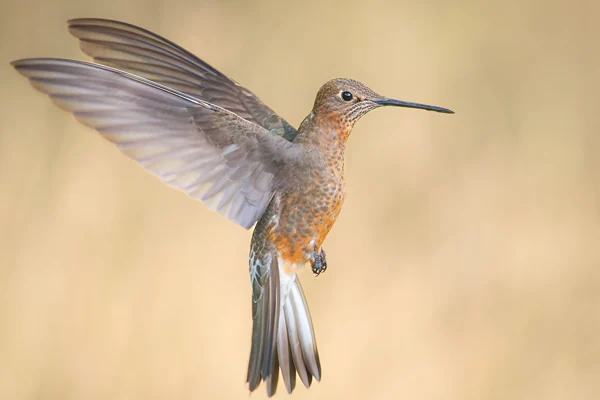
Giant hummingbird
The giant hummingbird stands out because of its size. It is the largest hummingbird species in the world and can be found in several parts of Peru, particularly in open areas and Andean valleys where flowering plants provide an important source of food.
Despite being much larger than other hummingbirds, it still has the characteristic ability to hover while feeding. Its size and behavior make the giant hummingbird one of the most interesting birds in Peru, especially for those who expect all hummingbirds to be tiny and brightly colored.
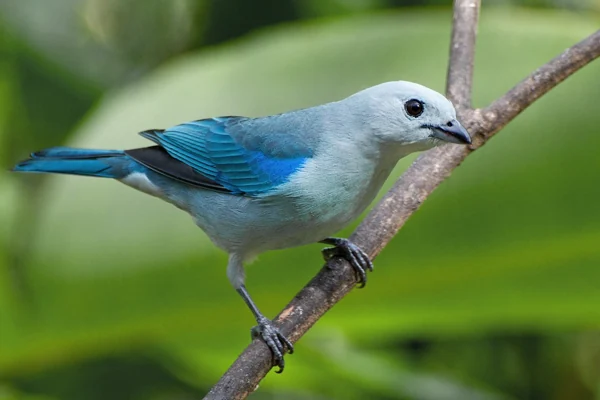
Blue and gray tanager
The blue and gray tanager is a small bird with soft blue gray plumage and darker wings. It can be found in different parts of Peru, particularly around gardens, woodland edges, cultivated areas, and other places where vegetation provides food and shelter.
This species is also a good example of birds in Peru that can live relatively close to people. It feeds on fruits and insects and can sometimes be observed in environments where natural vegetation mixes with human activity. Its adaptability makes it a familiar species in several parts of the country.
Where Peru’s birds can be found
The remarkable diversity of birds in Peru is closely connected to the country’s varied geography. From high mountain valleys and cloud forests to tropical rainforests and the Pacific coastline, each ecosystem provides different conditions that support a wide range of bird species. Peru’s landscapes create habitats that allow birds with very different behaviors and adaptations to thrive.
These regions are home to birds that differ in appearance, diet, nesting habits, and migration patterns. Understanding where birds live also helps explain why Peru is recognized for its exceptional avian diversity, with the Andes, Amazon, and coast each contributing their own distinctive wildlife to the country’s natural heritage.
Birds of the Andes
The Andes provide one of the most important habitats for birds in Peru, with landscapes ranging from high altitude grasslands to humid cloud forests along the eastern mountain slopes. Changes in elevation create a variety of environments where different bird species have adapted to cooler temperatures and mountainous terrain.
Birds such as the Andean condor, giant hummingbird, Andean ibis, and the Andean cock of the rock are closely associated with these regions. The mountain ecosystems of Peru also support many endemic species, making the Andes an important area for understanding the country’s unique birdlife and natural diversity.
Birds of the Amazon rainforest
The Amazon rainforest contains the greatest concentration of bird species in Peru, thanks to its dense forests, rivers, wetlands, and extraordinary plant diversity. These environments provide food and shelter for countless birds that occupy different layers of the forest, from the ground to the upper canopy.
Among the birds in Peru that are strongly connected to the Amazon are the harpy eagle, hoatzin, and many colorful tanagers, parrots, and hummingbirds. The rainforest’s rich biodiversity makes it one of the country’s most important ecosystems for native bird species and wildlife conservation.
Birds of the Pacific coast
Peru’s Pacific coast offers a very different environment where marine ecosystems support numerous seabirds and coastal species. Rocky cliffs, beaches, islands, and the nutrient rich waters of the Humboldt Current create ideal conditions for birds that depend on fish and other marine resources.
by Ismar Borges de Lima
Species such as the Inca tern, Peruvian pelican, and Humboldt penguin are among the most representative coastal birds in Peru. Their presence demonstrates how the country’s birdlife extends beyond forests and mountains, highlighting the ecological importance of the Pacific coastline as part of Peru’s natural heritage.
You might be interested in: 5 traditional peruvian drinks
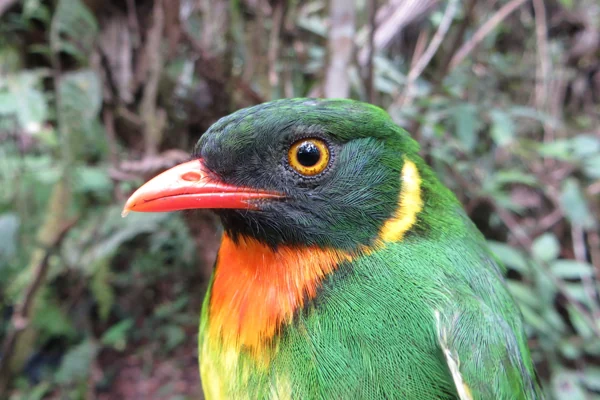
The importance of birds in Peru’s natural heritage
Birds are an essential part of Peru’s natural heritage because they contribute to the balance and diversity of ecosystems throughout the country. Their presence reflects the health of forests, wetlands, mountains, and coastal environments, making them an important part of Peru’s extraordinary biodiversity.
The wide variety of birds in Peru also represents the close relationship between geography and wildlife. From endemic species found only in specific mountain forests to migratory birds that depend on seasonal habitats, Peru’s avian diversity forms an important part of the country’s environmental identity.
Biodiversity and native species
Peru is home to an exceptional number of bird species, including many that are native to particular regions and ecosystems. The country’s combination of the Andes, Amazon basin, dry forests, wetlands, and Pacific coast has created environments where birdlife has evolved in remarkable ways over time.
Many native birds play important ecological roles within their habitats by helping disperse seeds, pollinate flowering plants, or participate in natural food chains. This diversity makes birds in Peru valuable not only for their beauty and cultural significance but also for the ecological balance they help maintain across different landscapes.
Conservation of Peru’s birdlife
Protecting birds requires preserving the habitats where they live, especially forests, wetlands, grasslands, and coastal ecosystems that support both resident and migratory species. Conservation efforts in Peru often focus on safeguarding important natural areas while working alongside local communities to protect biodiversity for future generations.
Habitat protection, ecological restoration, and community participation all contribute to the conservation of birds in Peru. By maintaining healthy ecosystems across the Andes, Amazon, and Pacific coast, Peru continues to protect the remarkable birdlife that forms an essential part of its natural heritage.
Frequently asked questions about birds in Peru
Birds in Peru can be found in a wide range of environments, so questions about their species, habitats, and distribution are common. From the high Andes to the Amazon rainforest and Pacific coast, each region offers different opportunities to learn about the country’s birdlife.
Understanding where these birds live and which species are most representative can also provide a better perspective on Peru’s natural diversity. Here are some of the most common questions about birds in Peru and their place within the country’s ecosystems.
How many bird species are found in Peru?
Peru is home to more than 1,800 recorded bird species, making it one of the countries with the greatest bird diversity in the world. This extraordinary number is largely explained by its varied geography, which includes the Pacific coast, the Andes, cloud forests, and the Amazon rainforest.
The country’s birdlife includes resident species, migratory birds, and species with very restricted ranges. As a result, the number and type of birds that can be found varies considerably depending on the region, elevation, and habitat.
What is the national bird of Peru?
The national bird of Peru is the Andean cock of the rock, known locally as the gallito de las rocas. Its vivid orange plumage, prominent crest, and distinctive courtship displays have made it one of the country’s best known native birds.
The species is mainly associated with humid forests on the eastern slopes of the Andes. Its status as Peru’s national bird reflects not only its striking appearance but also its connection to the country’s rich natural heritage.
Where can you see birds in Peru?
Birds in Peru can be seen in many different environments, including the Andes, Amazon rainforest, Pacific coast, cloud forests, wetlands, and dry forests. The best place to look depends on the species you want to see, since each bird has its own preferred habitat.
The Amazon is particularly rich in birdlife, while the Andes offer opportunities to see species adapted to high altitude environments. Along the Pacific coast, seabirds and marine species are especially common, showing just how varied Peru’s bird habitats can be.
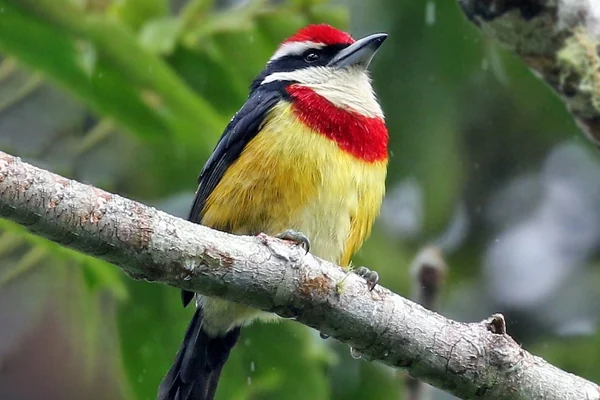
Peru’s birdlife and its natural heritage
Peru’s birdlife is closely connected to the country’s extraordinary natural diversity. The combination of mountains, forests, rivers, wetlands, and coastal ecosystems provides habitats for an impressive range of species, from large birds of prey to small hummingbirds and colorful forest birds.
Birds in Peru are also an important part of the country’s natural heritage. Protecting their habitats helps preserve not only individual species but entire ecosystems and the ecological relationships that sustain them. From the Andes to the Amazon and the Pacific coast, these birds remain an important reflection of Peru’s biodiversity.

