
Inca religion was closely tied to everyday life, political authority, agriculture, and the natural world. The Incas honored gods, ancestors, sacred places, and natural forces through rituals, offerings, and festivals.
The Incas worshiped a range of gods and other sacred beings, each associated with different aspects of life, nature, and the cosmos. Inca religion placed particular importance on deities connected to the sun, earth, creation, and natural forces. Their religious traditions also varied across the empire, incorporating local beliefs and sacred figures into the wider state religion.
Inti was the Inca sun god and one of the most important deities in the Inca Empire. He was closely associated with warmth, light, agriculture, and the well-being of the state. The Inca rulers claimed a special connection to Inti, which helped reinforce their political authority. The Temple of the Sun, or Coricancha, in Cusco was one of the most important places dedicated to his worship.
Viracocha was regarded as a creator deity who existed before the rise of the Inca Empire and was associated with the creation of the world and its people. Stories about him vary across Andean traditions, and the Incas incorporated Viracocha into their own religious system. He was often described as a powerful creator figure rather than a deity tied to one specific aspect of nature.
Pachamama was associated with the earth, fertility, agriculture, and the natural forces that sustained human life. People made offerings to Pachamama as part of agricultural and household practices, asking for favorable conditions and good harvests. Her worship was not limited to the Inca state and remained an important part of Andean religious traditions after the Spanish conquest.
Mama Killa, or Mama Quilla, was associated with the moon and was considered the wife of Inti in Inca tradition. The moon had an important role in marking time and organizing the religious calendar. Other deities and sacred beings were connected to thunder, stars, mountains, and other natural forces, reflecting the broad scope of Inca religion across the empire.
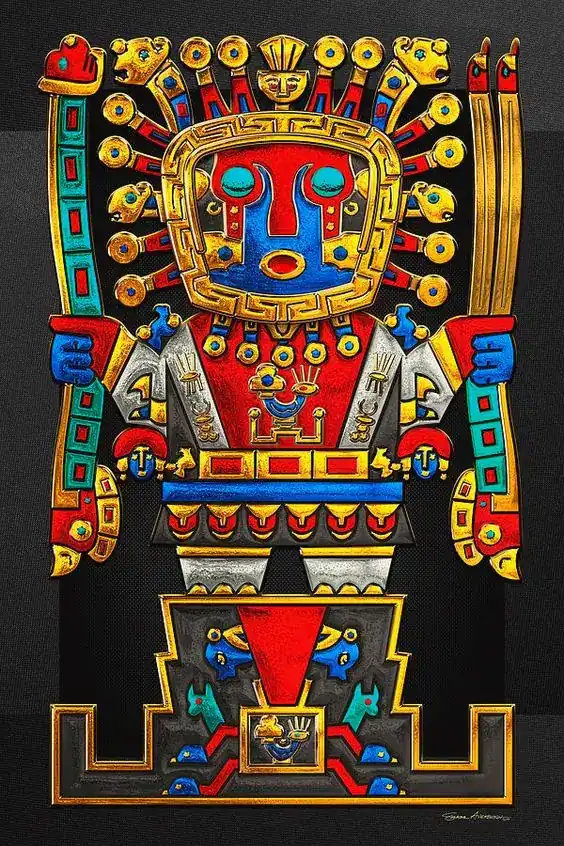
The Incas understood existence as a connection between different realms rather than as a single physical world. These realms were part of a broader Andean worldview in which the living, the dead, nature, and the divine were closely connected. In Inca religion, the three commonly described realms were Hanan Pacha, Kay Pacha, and Ukhu Pacha, each associated with a different part of existence.
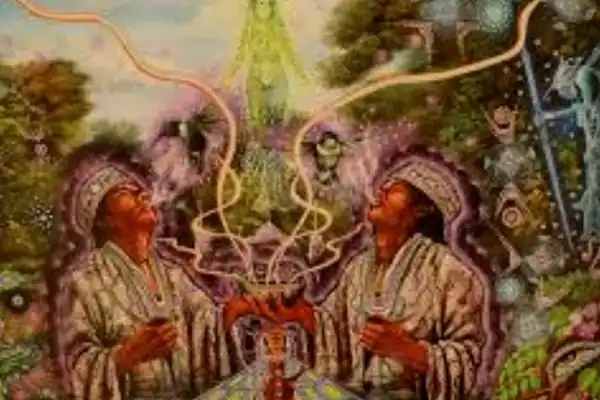
Hanan Pacha was the upper world, associated with the sky, celestial bodies, and major deities. In Inca religion, Inti, the sun god, held an important place in this realm.
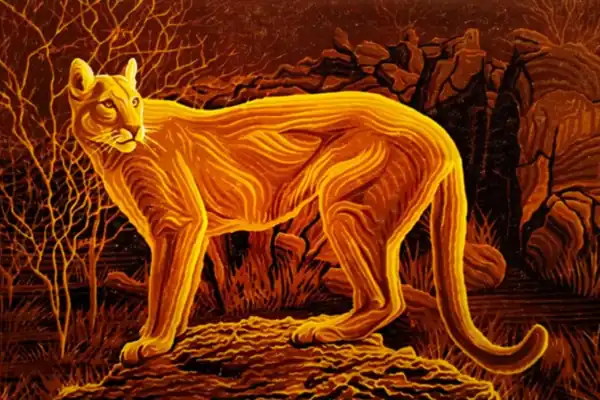
Kay Pacha referred to the world of the living, where people, animals, plants, and nature existed. Inca religion connected this realm with sacred places such as mountains, rivers, and springs.
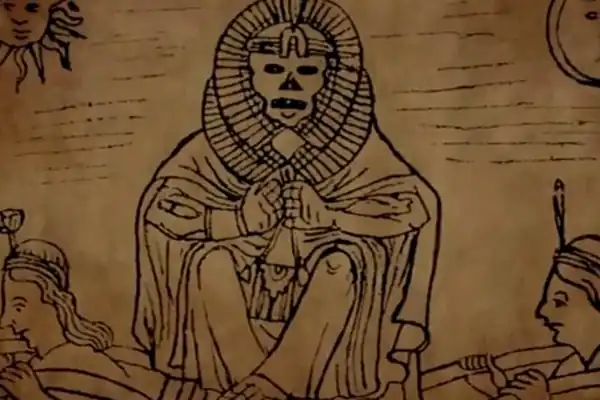
It was associated with the world beneath the surface, the dead, and ancestral forces. In Inca religion, it was also connected with the earth, fertility, and cycles of growth and renewal.
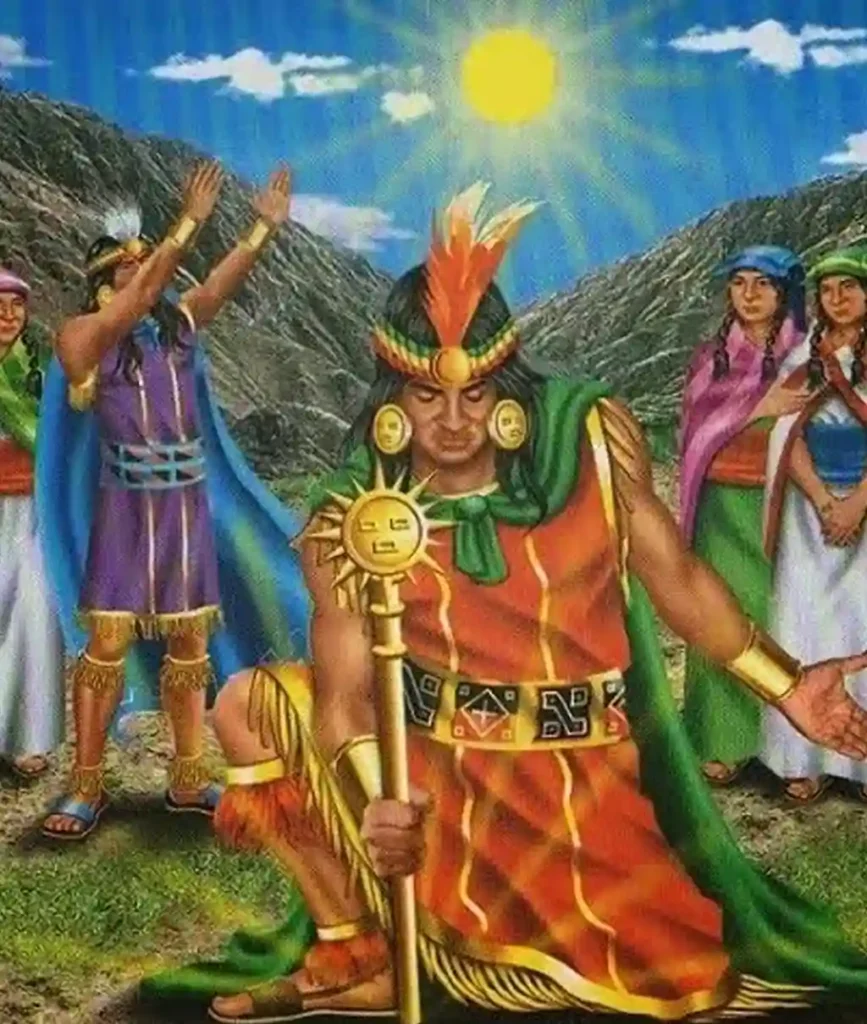
Religious practices were closely connected to agriculture, political life, and relationships with the natural world. People made offerings, held ceremonies, consulted religious specialists, and observed festivals throughout the year. These practices were not identical across the entire empire, since the Incas incorporated traditions from many communities they brought under their rule.
Offerings were an important part of religious life and could include food, drink, coca leaves, textiles, shells, precious objects, and other valuable goods. Some ceremonies were intended to honor deities or huacas, while others sought favorable weather, successful harvests, or protection for individuals and communities. Large state ceremonies could involve priests, rulers, and representatives from different parts of the empire.
Divination was used to seek guidance about events and decisions, particularly when the outcome was considered uncertain or important. Religious specialists interpreted signs and performed rituals connected with the gods and other sacred forces. Ceremonies could also be timed according to the agricultural and religious calendar, linking ritual activity with planting, harvesting, festivals, and changes in the seasons.
Animal sacrifice formed part of some Inca ceremonies, with llamas being among the animals used in ritual offerings. Human sacrifice also occurred, although it was not an everyday practice and appears to have been reserved for particular circumstances, including major state ceremonies and periods of crisis. One of the best-documented forms was capacocha, in which children were selected for ritual sacrifice and taken to important sacred sites, often in the highlands.
Sacred places were an important part of Inca religion, and they could be found throughout the Inca Empire. These places included huacas, mountains, springs, temples, and other natural features that held religious significance for local communities.
A huaca was a person, place, object, or natural feature considered sacred in Andean religious traditions. Huacas could include stones, caves, springs, mountains, and structures associated with important events or ancestors. In Inca religion, people honored them through offerings and other rituals.
Mountains, springs, rivers, and other natural features could have religious importance. The Incas also revered powerful mountain spirits known as apus, which were associated with protection and the well-being of nearby communities. These sacred places connected Inca religion with the landscape and everyday life.
Coricancha in Cusco was one of the most important religious centers in the Inca Empire and was closely associated with Inti, the sun god. Other temples and ceremonial sites served different religious purposes, with their importance depending on the deity, community, or ritual associated with them.
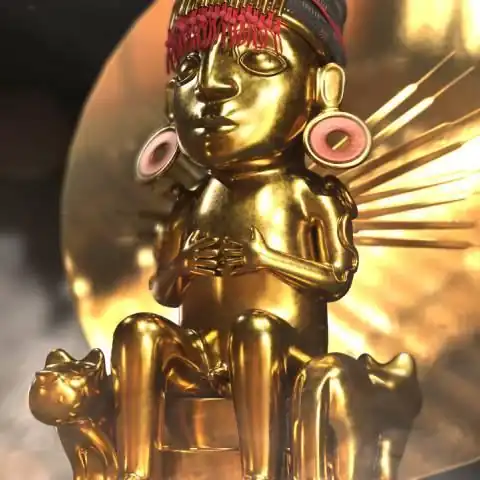
Festivals were an important part of Inca religion, connecting religious ceremonies with agriculture, seasonal changes, political authority, and community life. Several celebrations were held throughout the year, with some of the most important taking place in Cusco.
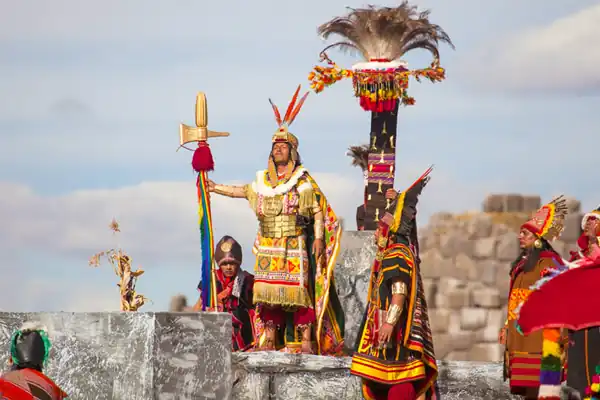
Inti Raymi was a major festival dedicated to Inti, the sun god. Held around the June solstice, it marked an important point in the agricultural and religious calendar and included ceremonies, offerings, music, and dancing.
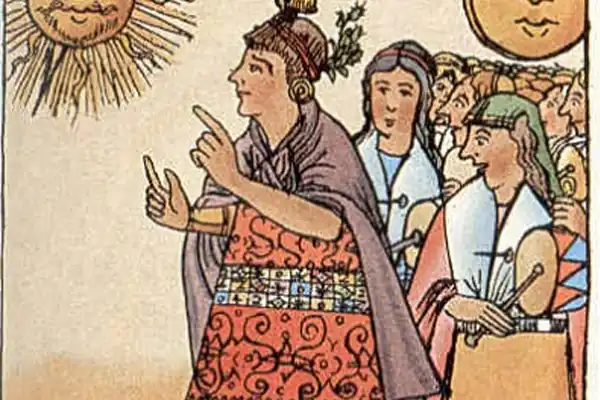
Capac Raymi was associated with the December solstice and held an important place in the Inca ceremonial calendar. The festival was connected with initiation rites and ceremonies involving young members of the Inca elite.
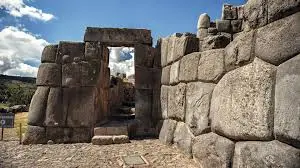
Situa was a purification festival traditionally associated with the beginning of the rainy season. Ceremonies focused on removing illness and misfortune from Cusco and its inhabitants.
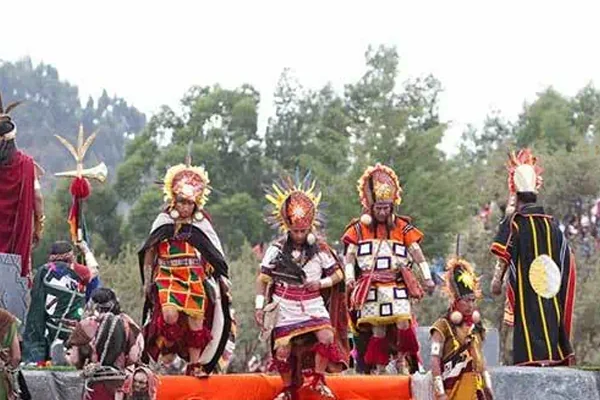
Aymuray was connected with the agricultural cycle and the maize harvest. Offerings and ceremonies during this period reflected the importance of crops and fertility in Inca religion.
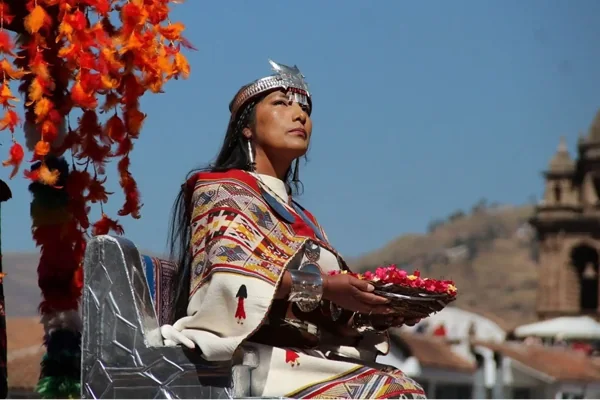
Qoya Raymi was associated with the moon and took place around the September equinox. The ceremonies included rituals of purification and were linked to the beginning of the rainy season.
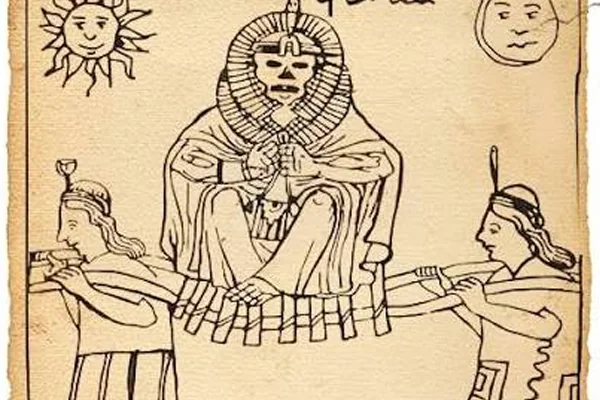
Aya Marcay was associated with ancestors and the dead. During this period, communities honored deceased relatives and maintained traditions connected with ancestor veneration.

Religion influenced many aspects of life in the Inca Empire, including political authority, agriculture, social organization, and relations with local communities. Religious ceremonies also helped reinforce the position of the ruler and connect the state with sacred traditions.
| Area | Religious influence |
|---|---|
| Government | Inca rulers used religious beliefs and their connection with sacred traditions to reinforce political authority. |
| Agriculture | Offerings and ceremonies were linked to rainfall, fertility, planting, and harvests. |
| Society | Religious duties and festivals brought communities together and helped organize collective life. |
| Warfare | Rituals and offerings could accompany military campaigns and important political events. |
| Local communities | The Inca state incorporated local sacred traditions and huacas into its wider religious system. |
Questions about Inca religion often focus on its main gods, beliefs about death, sacred practices, and the role of religion in everyday life. The answers below cover some of the most common questions about how the Incas understood the divine world and their place within it.
The main religious tradition of the Inca Empire centered on the worship of several deities, sacred places, ancestors, and forces of nature. Inca religion gave particular importance to Inti, the sun god, while also incorporating local beliefs from communities across the empire.
Inti, the sun god, was one of the most important deities in the Inca Empire. He was closely associated with the ruling dynasty, agriculture, and political authority. The Incas also worshiped other major figures, including Viracocha and Pachamama.
Yes. Inca beliefs included ideas about existence after death, although these did not follow the same concept of heaven and hell found in Christianity. The dead could remain connected to their communities, and ancestors continued to have an important place in religious and social life.
The Incas worshiped gods such as Inti and Viracocha, as well as sacred forces associated with the earth, mountains, water, and other elements of nature. Inca religion also included the veneration of ancestors and huacas, which could be natural features, objects, or places considered sacred.
Inti was the sun god and held a central position in Inca religion. The sun was essential to agriculture and was closely linked to the authority of the Inca rulers, who claimed a special relationship with Inti. The Coricancha in Cusco was one of the most important centers associated with his worship.