
The Salkantay Trek is currently the most popular trekking route in Peru after the Inca Trail, and the reason is simple: it leads to Machu Picchu, crossing landscapes that few routes in the world can match. But with dozens of Salkantay trek tour operators operating from Cusco, choosing the right person to entrust with those days in the mountains makes all the difference between a life-changing trip and one that simply exhausts you.
This guide brings together everything you need to know before booking: what the trek is, how much it costs, how difficult it is, whether a permit is required, when to go, and how to choose among so many agencies.
You might be interested in: 8 travel ideas for summer to inspire your next vacation
What is the Salkantay trek?
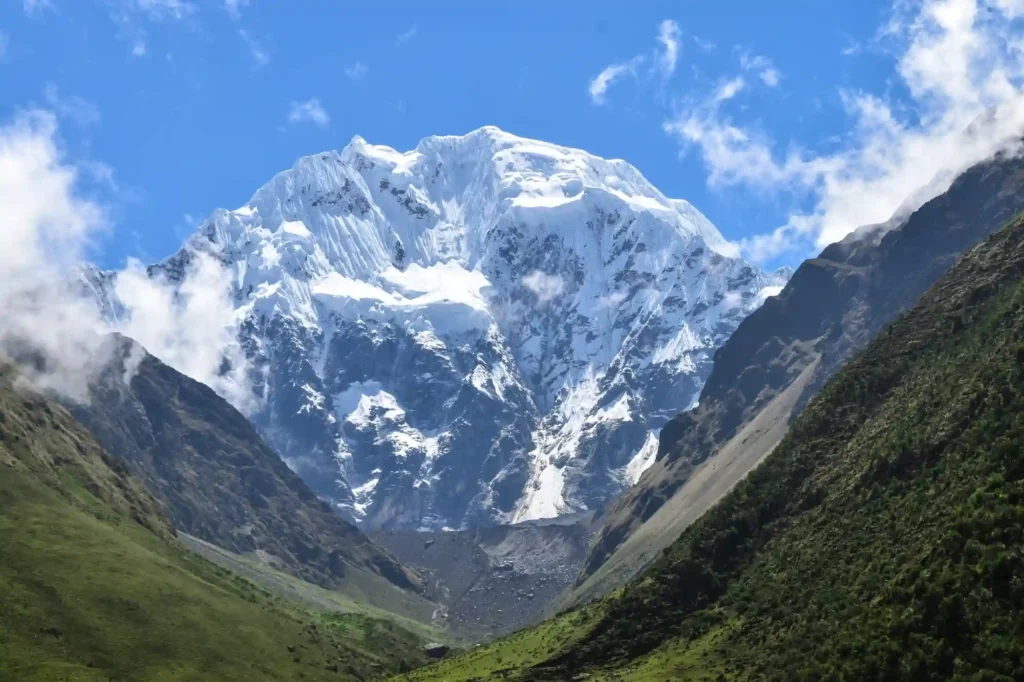
The Salkantay Trek is a mountain route that connects Cusco with Machu Picchu through the Peruvian Andes. Its name comes from the Salkantay peak, which rises to 6,271 meters above sea level and was revered by the ancient Incas as an Apu, a sacred mountain seen as a protector and source of life.
The route covers roughly 70 kilometers with 3,600 meters of total elevation gain, reaching its highest point at the Salkantay Pass at 4,650 meters. Along the way, the landscape shifts dramatically: glaciers, high-altitude lakes, cloud forests, and subtropical jungle before the final arrival at the citadel.
Unlike the Classic Inca Trail, the Salkantay route does not pass through the regulated Inca Trail corridor and does not require a SERNANP permit. The only requirement is the standard Machu Picchu entry ticket at the end of the route. That makes it a far more flexible option for travelers booking on short notice.
You might be interested in: Cusco Weather in July 2026: Temperatures, Climate & What to Pack
Top 5 Salkantay trek tour operators
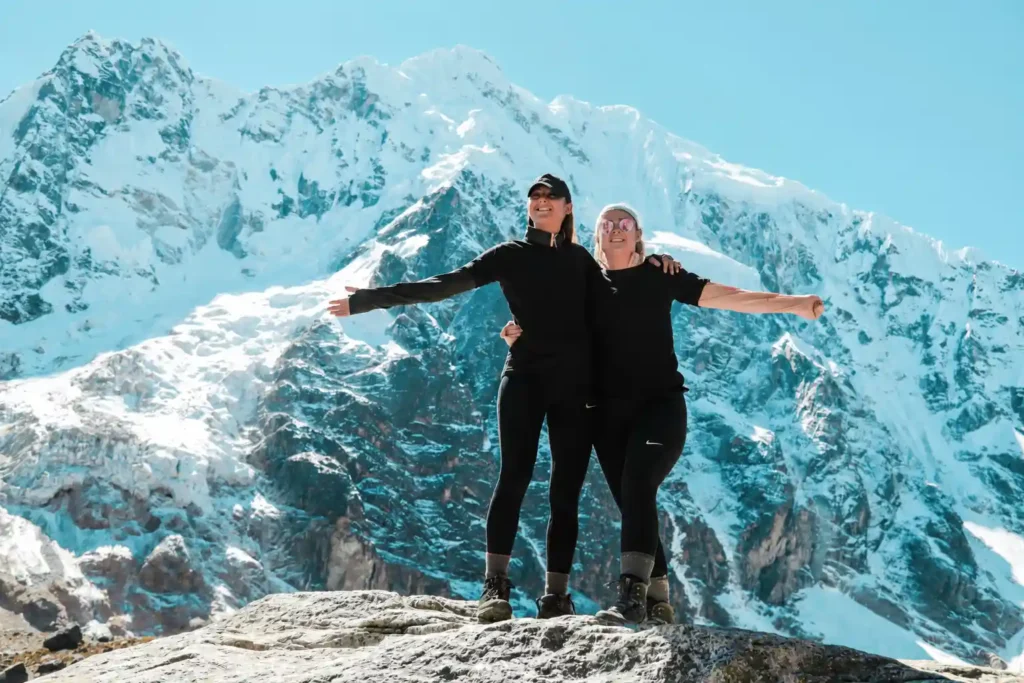
There are many companies offering the Salkantay Trek from Cusco, and while most follow similar routes, the experience can vary a lot depending on the operator you choose. Among all the available salkantay trek tour operators, only a few consistently stand out for their safety standards, quality of guides, organization on the trail and overall traveler experience. Based on real reviews from platforms like TripAdvisor, Trustpilot and other independent travel feedback, the companies listed below are considered some of the most reliable options for 2026.
1. Quechuas Expeditions
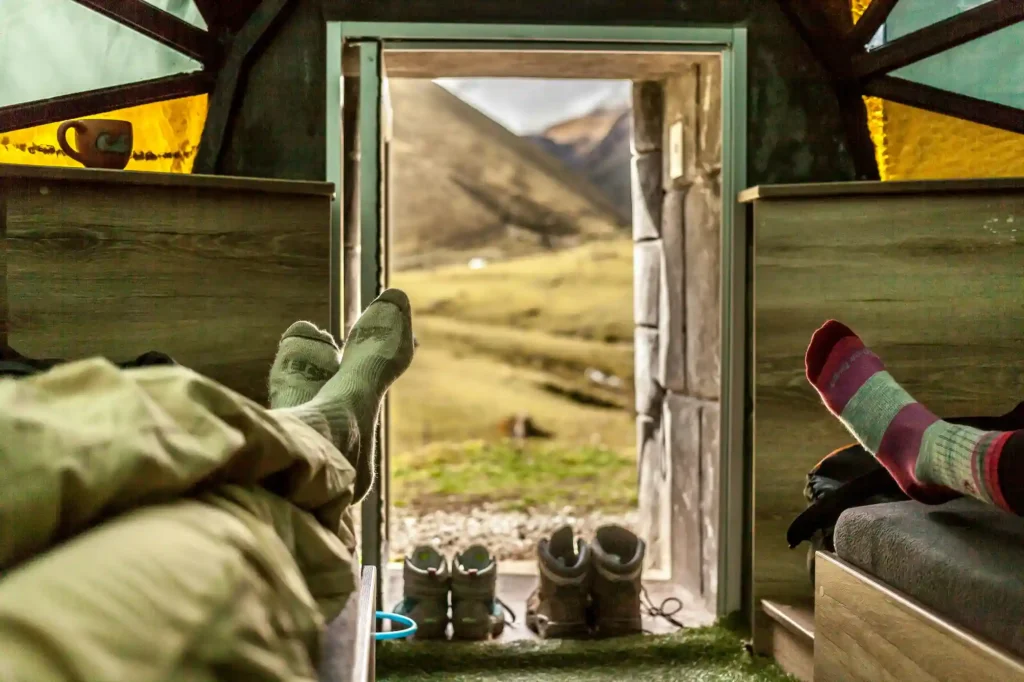
Quechuas Expeditions is a well-established Cusco-based operator known for offering personalized service with small group sizes and well-organized logistics. Their Salkantay Trek includes upgraded camping options such as sky dome tents with private bathrooms and hot water, making it a strong choice for travelers looking for comfort without entering luxury pricing.
Reviews frequently highlight the quality of their guides, with names like Steven Garcia and Fernando often mentioned for their deep knowledge of Andean culture, history and geography. The small group format also allows for more flexibility along the route and a more intimate trekking experience.
Best for: Small groups, upgraded camping experience, flexible itineraries
Price range: USD 550–900
2. Sam Travel Peru
Sam Travel Peru is consistently rated for its reliable service and well-organized trekking operations. Travelers often highlight the professionalism and attentiveness of their guides, especially when adapting the pace of the trek to different fitness levels or altitude responses.
Their culinary team is also frequently praised for providing varied and high-quality meals at high altitude, which can make a significant difference during demanding trekking days. Overall, it is a balanced mid-range option with strong logistics and good value.
Best for: Mid-range budget, dependable organization, experienced guides
Price range: USD 450–650
3. Alpaca Expeditions
Alpaca Expeditions is one of the most recognized trekking companies in Peru and has received international awards for quality and sustainability. Their operations are widely certified and they are known for strong environmental and community responsibility practices.
Their Salkantay route is slightly more challenging than standard itineraries, reaching higher altitudes and offering a less crowded alternative. They also include unique accommodation experiences such as glass cabanas, themed huts and optional coffee farm visits, making the trek more experiential.
Best for: Premium experience, sustainability-focused travelers, unique accommodations
Price range: USD 650–1,000
4. Evolution Treks
Evolution Treks is known for its strong ethical approach to trekking operations in Peru. The company has contributed to improving porter welfare standards, fair wages, and was among the first to include female porters in trekking teams.
They also stand out for their flexible departure policy, often confirming departures even with very small groups, which is especially useful for solo travelers. Their focus is less on luxury and more on responsible tourism and fair practices.
Best for: Ethical trekking, solo travelers, responsible tourism
Price range: USD 550–700
5. Salkantay Trekking
Salkantay Trekking is one of the most established specialists for routes to Machu Picchu, with more than a decade of experience operating in the region. They are consistently rated among the top trekking companies in Cusco for organization, reliability and service consistency.
One of their key advantages is that some packages include the return train from Aguas Calientes, which is often charged separately by other operators. This makes them a strong option for first-time trekkers looking for a straightforward and well-structured experience.
Best for: First-time trekkers, value-focused travelers, all-inclusive packages
Price range: USD 495–700
Salkantay trek cost 2026
A classic all-inclusive 5-day tour with an agency typically runs between USD 450 and USD 650. A self-guided trek can cost between USD 250 and USD 400 depending on lodging and food choices. Budget operators run base prices closer to USD 350, while premium packages with private tents, gourmet meals, and a full porter team can exceed USD 1,200. When comparing different salkantay trek tour operators, it’s important to look beyond price and consider what is actually included in each package, since services like the return train, Machu Picchu entrance ticket, or upgraded camping can significantly change the total value.
A standard package usually includes transportation from Cusco, a certified professional guide, all meals during the trek, accommodation in camping or lodges, and the Machu Picchu entrance ticket. The return train from Aguas Calientes is sometimes extra, so confirm this before booking.
Tips are also worth budgeting for. A common reference point is S/50 per porter, USD 20 for the chef, and USD 40 per guide. ATMs in Cusco often have daily withdrawal limits, so bringing US dollars in cash for tipping is a smart move.
Frequently asked questions about Salkantay Trek tour operators
Choosing the right Salkantay Trek tour operator is important because this route involves high altitude, changing weather, long walking days and access logistics to Machu Picchu. These frequently asked questions help travelers understand what to expect before booking, from permits and safety to difficulty, duration and the best season to hike.
1. Do I need a permit to do the Salkantay Trek?
No, you do not need a special trekking permit to do the Salkantay Trek itself, unlike the Classic Inca Trail, which has strict government-issued permits. However, you still need to organize important entry requirements, especially your Machu Picchu ticket, because the final part of most Salkantay Trek itineraries includes a visit to the archaeological site.
2. Is the salkantay trek dangerous?
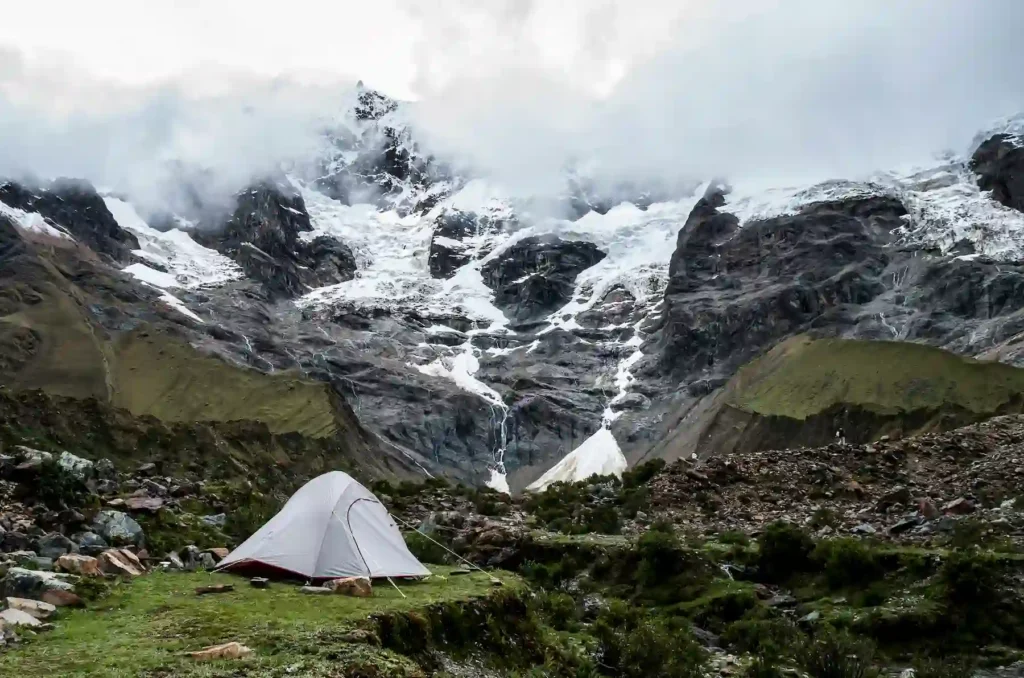
The Salkantay Trek is not considered dangerous when done with proper preparation, a responsible tour operator and an experienced guide, but it is a high-altitude mountain route, so travelers should not underestimate it. The main risks are altitude sickness, cold temperatures, uneven trails, fatigue and slippery paths during wet weather. The route reaches over 4,600 meters above sea level at Salkantay Pass, so acclimatizing in Cusco before starting the trek is strongly recommended.
3. How hard is the Salkantay trek?
The Salkantay Trek is usually rated as moderate to challenging, mainly because of the altitude, long hiking days and varied terrain rather than technical climbing. The most demanding section is commonly the ascent to Salkantay Pass, where hikers walk at high elevation and may feel the effects of thinner air. You do not need to be an expert mountaineer, but you should have a reasonable fitness level, be comfortable walking several hours per day and prepare your legs and cardiovascular endurance before the trip.
4. How many days does the trek take?
The classic Salkantay Trek to Machu Picchu usually takes 5 days and 4 nights, which gives travelers enough time to cross Salkantay Pass, descend through cloud forest and reach Aguas Calientes before visiting Machu Picchu. There are also shorter 4-day versions for travelers with limited time, as well as more demanding 3-day options or longer itineraries that combine Salkantay with other routes. For most first-time hikers, the 5-day itinerary is the most balanced option because it allows better pacing, more acclimatization and a less rushed experience.
5. Can I do the trek during the rainy season?
Yes, it is possible to do the Salkantay Trek during the rainy season, but it requires more caution and flexibility. In the Peruvian Andes, the wettest months usually fall between November and April or May, depending on the year, and rain can make trails muddy, slippery and harder to walk. Views may also be affected by clouds, and transport or route changes can happen if there are landslides or flooding.

